

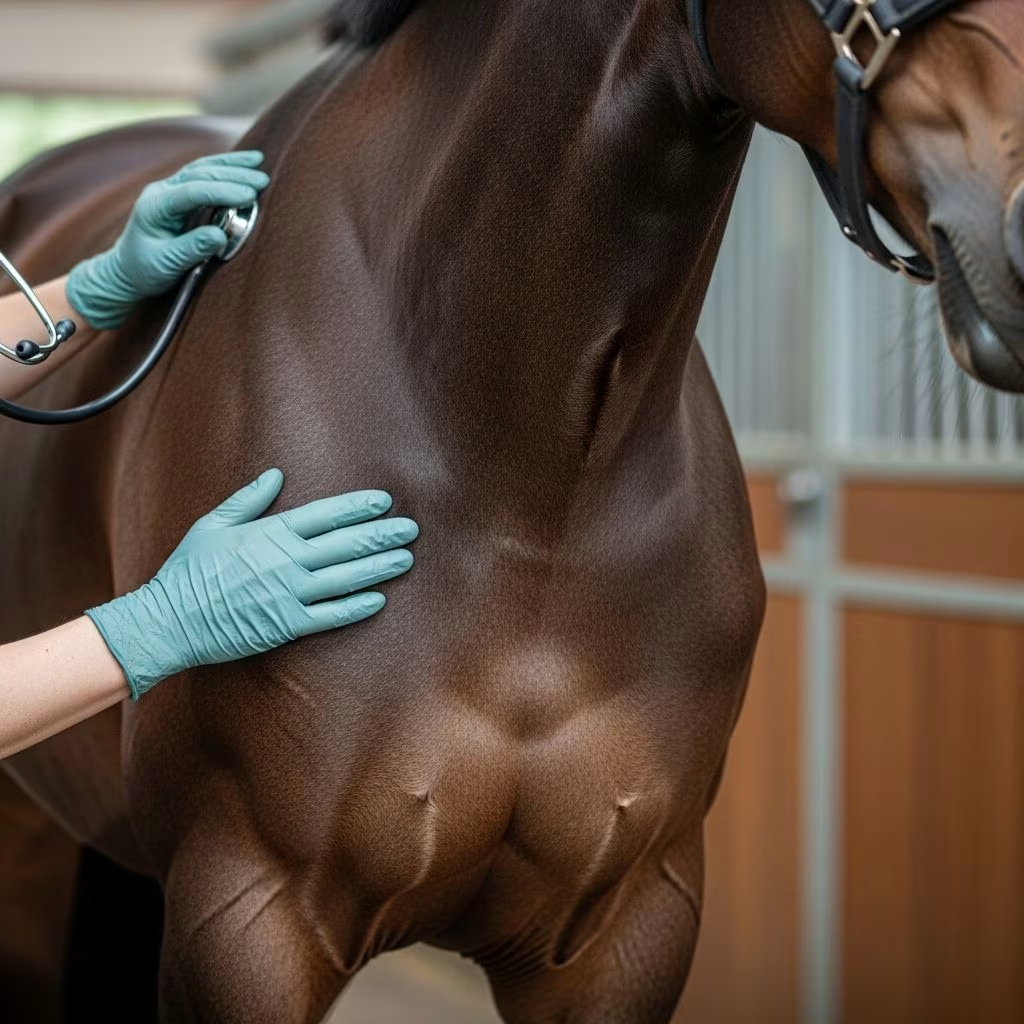
Pleuropneumonia, commonly called **shipping fever**, represents a critical respiratory condition in horses where bacterial infection spreads from the lungs to the pleural cavity, leading to fluid buildup and severe inflammation. This disease demands prompt veterinary intervention to mitigate life-threatening complications.
What Triggers Pleuropneumonia in Equine Patients?
The onset of pleuropneumonia frequently ties to environmental and physiological stressors. Long-distance transportation stands out as the primary culprit, earning it the nickname shipping fever. During extended hauls, horses with heads elevated in trailers experience impaired mucus clearance, allowing bacteria from the upper airways to invade the lower respiratory tract within 12-24 hours. Clinical manifestations may emerge rapidly or delay up to a week post-travel.
Other inciting factors include esophageal choke, where feed or water aspirates into the lungs, fostering bacterial growth. Stress compromises immune defenses, but head positioning and feeding practices during transit amplify risks more significantly. Secondary contributors encompass viral infections weakening lung barriers or general debilitation in performance horses.
- Long-haul travel with head elevation
- Aspiration from choke incidents
- Immune suppression due to stress
- Concurrent respiratory viruses
Recognizing the Warning Signs Early
Initial symptoms mimic milder respiratory issues, complicating timely detection. Horses may display subtle fever above 101.5°F, reduced feed intake, and listlessness. As infection advances to the pleura, overt signs dominate: productive cough, accelerated breathing with labored effort, and bilateral nasal discharge laden with pus and foul odor.
Pleurodynia, or pleural pain, marks a hallmark of progression. Affected equines exhibit short-strided gaits, reluctance to bend or turn, elbow abduction in stance, and grunting under rib pressure—often misdiagnosed as colic. Advanced cases reveal ventral lung silence on auscultation, radiating heart sounds, tachycardia, and systemic malaise.
| Stage | Common Symptoms |
|---|---|
| Early | Fever, depression, inappetence |
| Moderate | Cough, tachypnea, purulent discharge |
| Advanced | Pleurodynia, respiratory distress, endotoxemia |
How Veterinarians Confirm the Diagnosis
Diagnosis hinges on clinical history, physical exams, and imaging. Ultrasound detects pleural effusion as hypoechoic fluid pockets, often unilateral initially but spreading via mediastinal slits. Thoracocentesis samples fluid for cytology, revealing elevated nucleated cells, low pH, high lactate, bacteria, and foul smell indicative of sepsis.
Tracheobronchial aspiration or bronchoalveolar lavage identifies pathogens for culture and sensitivity testing. Radiographs show lung consolidation and fluid lines, while bloodwork flags leukocytosis and inflammatory markers. Early detection via daily ultrasounds tracks progression and drainage efficacy.
Comprehensive Treatment Strategies
Treatment pillars—antimicrobial assault, fluid evacuation, and support—require hospitalization for weeks. Broad-spectrum IV antibiotics like penicillin, gentamicin, or metronidazole target common anaerobes and aerobes, guided by cultures. Nebulization enhances lower airway penetration.
Indwelling chest tubes enable continuous drainage and lavage, flushing debris and delivering intrapleural fibrinolytics to dissolve clots. NSAIDs (e.g., flunixin meglumine) curb inflammation, endotoxemia, and pain; IV fluids combat dehydration from massive pleural losses. Adjuncts include oxygen therapy, bronchodilators, plasma transfusions, and omeprazole for ulcer prevention.
For refractory cases, thoracotomy opens the chest for debridement of abscesses and adhesions. Transition to oral meds signals improvement, with cryotherapy safeguarding hooves against laminitis.
Monitoring Progress During Therapy
- Daily ultrasound for fluid pockets and adhesions
- Fluid analysis for infection clearance
- Clinical scoring of respiratory and pain parameters
- Weight and hydration assessments
Potential Complications and Long-Term Effects
Pleuropneumonia’s severity stems from complications like laminitis (hoof inflammation causing lameness, sawhorse stance), pneumonia-induced pulmonary abscesses, and fibrinous adhesions restricting lung expansion. Endotoxemia triggers systemic inflammatory response syndrome, risking diarrhea, coagulopathies, and mortality rates up to 20-40% in severe instances.
Survivors may face chronic respiratory impairment from scarring, reducing athletic capacity. Recurrence occurs if multiple pathogens persist or treatment falters.
Prognosis: Factors Influencing Recovery
Mild cases resolve swiftly with rest and meds, boasting good prognoses. Severe, chronic presentations demand prolonged care, with success hinging on early intervention, pathogen sensitivity, and complication avoidance. Survival exceeds 80% under aggressive management, though performance horses risk permanent deficits.
Prevention: Safeguarding Your Horse
Minimize risks by avoiding head-elevated transport; use low trailers with ventilation. Pre-travel probiotics support gut-lung axis health. Post-haul monitoring catches early signs. Vaccinate against respiratory viruses and ensure prompt choke resolution.
- Optimize trailer design for natural head position
- Provide frequent travel breaks for lung clearance
- Monitor for 7-10 days post-transport
- Maintain vaccination and deworming protocols
Frequently Asked Questions (FAQs)
What is the most common cause of pleuropneumonia in horses?
Long-distance transportation, particularly with the head restrained upward, promotes bacterial aspiration into the lungs.
How long does treatment typically last?
Weeks to months, involving hospitalization, IV therapies, and chest drainage until fluid production ceases.
Can pleuropneumonia be fatal?
Yes, untreated or severe cases carry high mortality from complications like laminitis and sepsis.
Is shipping fever contagious?
No, it’s not directly transmissible; it arises from individual aspiration and stress factors.
What home care supports recovery?
Box rest, clean environment, and vet-guided oral meds post-hospitalization; avoid stress or exercise.
References
- Causes and Treatment of Equine Pleuropneumonia — Canadian Thoroughbred. 2023. https://canadianthoroughbred.com/magazine/health/causes-treatment-equine-pleuropneumonia/
- Pleuropneumonia (Shipping Fever) in Horses — Vetster. 2024. https://vetster.com/en/conditions/horse/pleuropneumonia
- Equine Pleuropneumonia — Mississippi State University College of Veterinary Medicine. 2016-08-19. https://www.vetmed.msstate.edu/sites/www.vetmed.msstate.edu/files/presentations/8.19.16%20Equine%20Pleuropneumonia%20(Brittney%20Villagran).pdf
- Pleuropneumonia (Shipping Fever) in Horses – Horse Owners — MSD Veterinary Manual. 2024. https://www.msdvetmanual.com/horse-owners/lung-and-airway-disorders-of-horses/pleuropneumonia-shipping-fever-in-horses
- Equine Pneumonia: Causes, Symptoms & Treatment — Mad Barn. 2024. https://madbarn.com/equine-pneumonia/
- Pleuropneumonia in Horses – Respiratory System — Merck Veterinary Manual. 2024. https://www.merckvetmanual.com/respiratory-system/respiratory-diseases-of-horses/pleuropneumonia-in-horses



