

Understanding Pleural Effusion in Dogs
Pleural effusion is a serious medical condition that occurs when fluid accumulates in the pleural cavity, which is the space between the lungs and the chest wall. This abnormal fluid buildup can significantly compromise your dog’s ability to breathe properly and requires prompt veterinary attention. The condition can affect dogs of any age or breed, though certain underlying diseases make some animals more susceptible. Understanding the causes, recognizing the symptoms, and knowing the available treatment options can help you provide the best care for your dog and potentially save their life.
What is the Pleural Cavity?
The pleural cavity is a specialized space in the chest that normally contains only a small amount of lubricating fluid, which allows the lungs to expand and contract smoothly during breathing. The pleura is the thin membrane that lines this space, creating two layers: the visceral pleura covering the lungs and the parietal pleura lining the chest wall. When excessive fluid accumulates in this normally low-fluid environment, it places pressure on the lungs and prevents them from fully expanding, thereby restricting oxygen intake and causing respiratory distress.
Causes of Pleural Effusion in Dogs
Pleural effusion can result from numerous underlying conditions and medical problems. The causes are typically categorized based on the mechanism that leads to fluid accumulation. Understanding these causes is essential for determining the appropriate treatment strategy.
Cardiovascular Causes
Congestive heart failure is one of the most common causes of pleural effusion in dogs. When the heart fails to pump blood effectively, pressure builds up in the venous system, forcing fluid to leak from blood vessels into the pleural cavity. Other cardiac conditions can also contribute to this complication.
Infectious Causes
Bacterial, viral, or parasitic infections can trigger pleural effusion by causing inflammation and increasing vascular permeability. Pneumonia, for example, can lead to fluid accumulation as the body’s inflammatory response affects the pleural membranes. Pyothorax, an infection within the pleural cavity itself, is another serious infectious cause.
Neoplastic Causes
Tumors and cancers affecting the lungs, pleura, or other chest structures can cause pleural effusion through direct involvement or by obstructing lymphatic drainage. Lymphoma and other malignancies frequently present with this complication.
Traumatic Causes
Penetrating chest wounds, motor vehicle accidents, or other blunt force trauma can damage blood vessels and cause bleeding into the pleural cavity (hemothorax) or fluid accumulation from tissue injury.
Toxicological Causes
Ingestion of rodenticides or rat poison can impair the body’s clotting ability, leading to bleeding into the pleural space. Drug toxicity from certain medications can also result in pleural effusion.
Other Important Causes
Additional causes include pulmonary emboli (blood clots in lung blood vessels), hypoalbuminemia (abnormally low protein levels), cirrhosis of the liver, lymphatic disruption, bleeding or clotting disorders, lung hernias, and various lung conditions. Each underlying cause requires specific diagnostic investigation and targeted treatment.
Symptoms of Pleural Effusion in Dogs
The clinical signs of pleural effusion primarily relate to respiratory compromise. The severity of symptoms typically corresponds to how much fluid has accumulated in the pleural cavity and how quickly it has accumulated. Some dogs with mild effusion may show minimal symptoms, while others with severe accumulation experience acute, life-threatening respiratory distress.
Respiratory Symptoms
The most prominent signs involve difficulty breathing. Dogs may exhibit rapid, shallow breathing (tachypnea) or increased respiratory effort, particularly during inspiration. Many owners notice their dogs breathing with their mouths open or displaying an outstretched neck position to facilitate breathing. Some dogs may show a bluish discoloration to the gums, tongue, or skin (cyanosis), indicating insufficient oxygen in the blood.
Behavioral and Activity Changes
Dogs with pleural effusion frequently show exercise intolerance, becoming winded after minimal activity. They may appear lethargic and lack their normal enthusiasm. Restlessness is common, with affected dogs pacing and having difficulty finding a comfortable position for rest. Many will naturally assume a “tripod” stance with front legs spread apart and neck extended to maximize lung expansion.
Other Clinical Signs
Additional symptoms may include coughing due to pressure on the airways and lungs, decreased appetite or anorexia, fever, and in some cases, chest pain. Muffled heart sounds and dull lung sounds may be detected during physical examination by a veterinarian. The combination and severity of these signs depend on the underlying cause and the volume of fluid present.
Diagnosis of Pleural Effusion
Veterinary diagnosis of pleural effusion involves several complementary approaches to confirm the condition and identify its underlying cause.
Physical Examination
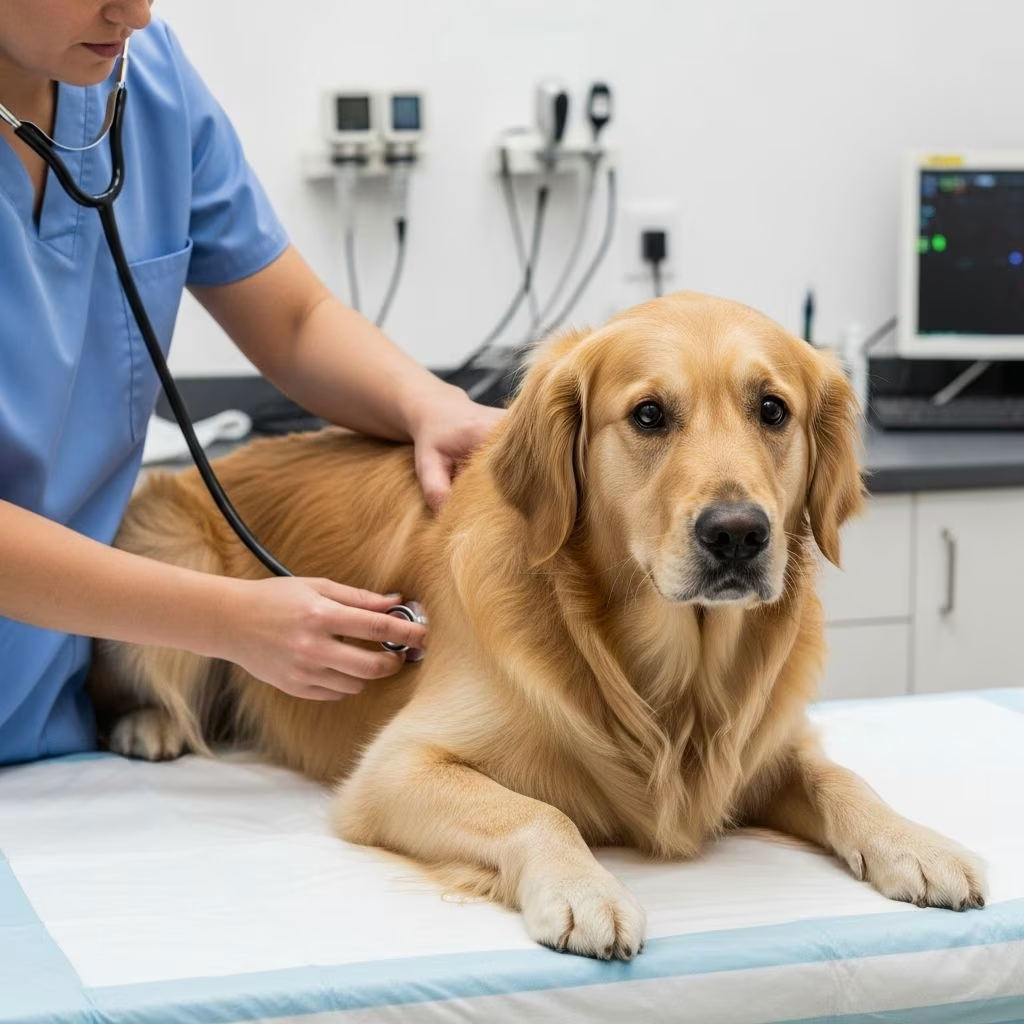
Your veterinarian will perform a thorough physical examination, including careful auscultation (listening) of the chest with a stethoscope. The presence of muffled lung or heart sounds often suggests pleural effusion. Observation of respiratory rate and effort, along with assessment of mucous membrane color and capillary refill time, provides important diagnostic clues.
Radiographic Imaging
Chest X-rays (radiographs) can easily identify pleural effusion and are typically the first imaging study performed. The radiographs show characteristic patterns of fluid distribution within the chest cavity.
Ultrasound Examination
Thoracic ultrasound is highly sensitive for detecting pleural effusion and can help guide subsequent procedures. Ultrasound is particularly valuable for identifying the exact location of fluid pockets and assessing cardiac structures simultaneously.
Thoracocentesis and Fluid Analysis
Thoracocentesis (also called thoracocentesis) is both a diagnostic and therapeutic procedure. During this procedure, a needle or catheter is carefully inserted into the chest cavity to obtain fluid samples. This fluid is then analyzed for cell count, protein concentration, the presence of bacteria or other organisms, and cytologic characteristics. The analysis results help determine the underlying cause of the effusion.
Treatment of Pleural Effusion in Dogs
Treatment approaches depend on the underlying cause of the fluid accumulation and the severity of clinical signs. Most cases require immediate intervention to address respiratory distress.
Thoracocentesis: The Primary Treatment
Thoracocentesis is the mainstay of therapy for most dogs with pleural effusion. This procedure provides immediate relief by removing the abnormal fluid from the pleural space, allowing the lungs to expand more effectively. Performed using sterile aseptic technique, often guided by ultrasound to ensure accuracy and safety, the procedure typically results in immediate improvement in breathing as soon as fluid removal begins. While supplemental oxygen may be provided to help oxygenate the blood, it does not directly aid lung expansion, making thoracocentesis the crucial component of acute treatment.
Oxygen Therapy
Supplemental oxygen is often administered to improve blood oxygenation and support the dog during respiratory distress. While not addressing the mechanical problem of lung compression, it helps maintain adequate oxygen levels while fluid removal occurs.
Medications
Specific medication therapy depends on the underlying cause. Diuretics are commonly used when pleural effusion results from congestive heart failure, helping to reduce fluid accumulation throughout the body. Antibiotics are essential for treating bacterial infections (pyothorax) and are typically selected based on culture and sensitivity testing of the pleural fluid. Corticosteroids or chemotherapy medications may be necessary if cancer is the underlying cause.
Treatment of Underlying Conditions
Addressing the root cause is essential to prevent fluid from reaccumulating. Treatment may include cardiac medications for heart disease, antibiotics for infections, surgical intervention for certain conditions, or chemotherapy for neoplastic causes.
Recovery and Long-Term Management
Recovery from pleural effusion depends on several factors, including the severity of the condition, your dog’s overall health status, and the nature of the underlying disease. Most causes of pleural effusion require lifelong management to minimize the risk of fluid reaccumulation.
Your veterinarian will establish a management plan tailored to your dog’s specific diagnosis. This may include ongoing medications, dietary modifications, activity restrictions, and periodic monitoring with repeat imaging or thoracocentesis if fluid returns. Regular veterinary check-ups are essential to assess response to treatment and adjust the management plan as needed.
The prognosis varies widely depending on the underlying cause and how quickly treatment is initiated. Dogs that receive prompt veterinary care upon recognition of symptoms generally have better outcomes than those with delayed diagnosis. Some conditions, such as certain types of cancer, may carry a more guarded prognosis, while others, like effusion secondary to treatable infections, may resolve completely with appropriate therapy.
When to Seek Veterinary Care
Any dog showing signs of respiratory distress should receive immediate veterinary evaluation. If your dog exhibits difficulty breathing, persistent coughing, exercise intolerance, lethargy, or an abnormal breathing pattern, contact your veterinarian or emergency animal hospital right away. Pleural effusion can progress rapidly, and prompt intervention can be lifesaving.
Frequently Asked Questions
Q: How common is pleural effusion in dogs?
A: Pleural effusion is a relatively common condition in dogs, particularly among older animals and those with underlying cardiac or neoplastic disease. However, the exact prevalence varies depending on the population studied.
Q: Can pleural effusion be prevented?
A: While not all cases can be prevented, maintaining good overall health, managing chronic conditions like heart disease, avoiding trauma and toxins, and keeping vaccinations current can help reduce the risk of some causes of pleural effusion.
Q: Is pleural effusion always fatal?
A: No, pleural effusion is not always fatal, especially when diagnosed and treated promptly. The prognosis depends on the underlying cause and how quickly appropriate treatment is initiated.
Q: How long does recovery take after thoracocentesis?
A: Many dogs show improvement in breathing within hours of the thoracocentesis procedure. However, full recovery depends on treating the underlying cause and typically requires weeks to months.
Q: Can pleural effusion recur?
A: Yes, pleural effusion can recur if the underlying cause is not adequately treated or managed. This is why long-term management and monitoring are essential for most dogs.
References
- Pleural Effusion in Dogs – Causes, Symptoms, Diagnosis & Treatment — Veterinary Referral and Critical Care. 2023-07-15. https://www.vrcc.com/site/blog/2023/07/pleural-effusion-dogs
- Pleural Effusion in Dogs – PetMD — PetMD. Accessed 2025. https://www.petmd.com/dog/conditions/respiratory/pleural-effusion-dogs
- Pleural Effusion in Dogs: Signs, Symptoms, Treatments — American Kennel Club. Accessed 2025. https://www.akc.org/expert-advice/health/pleural-effusion-dogs/
- Pleural Effusion in Dogs: A Closer Look — PetCareRx. Accessed 2025. https://www.petcarerx.com/article/pleural-effusion-in-dogs-a-closer-look/6891
- Top 5 Causes of Pleural Effusion in Dogs – Clinician’s Brief — Clinician’s Brief. Accessed 2025. https://www.cliniciansbrief.com/article/pleural-effusions-fluid-lungs-chest
- Pleural Effusion — Pet Health Network. Accessed 2025. https://www.pethealthnetwork.com/dog-health/dog-diseases-conditions-a-z/pleural-effusion



