

Understanding Pleural Effusion in Cats
Pleural effusion is a serious medical condition that occurs when excess fluid accumulates in the pleural space, which is the area between the lungs and the chest wall. This fluid buildup can significantly compromise a cat’s ability to breathe and requires prompt veterinary attention. The condition can develop suddenly or gradually, depending on the underlying cause. Understanding this condition is crucial for cat owners, as early recognition and treatment can make a substantial difference in your pet’s health outcomes and quality of life.
What is Pleural Effusion?
The pleural space is a thin cavity that normally contains a small amount of lubricating fluid, allowing the lungs to move smoothly during breathing. When pleural effusion develops, this protective space fills with abnormal amounts of fluid, compressing the lungs and making it difficult for your cat to breathe properly. The fluid can vary in composition and characteristics depending on the underlying disease process affecting your cat. This condition is particularly concerning because cats often mask signs of illness until they are quite severe, meaning many cats present to veterinarians in significant respiratory distress.
Common Causes of Pleural Effusion
Several disease processes can lead to the development of pleural effusion in cats. Understanding the potential causes helps veterinarians develop targeted treatment plans:
Heart Disease
Congestive heart failure is the most common cause of pleural effusion in cats. When the heart is unable to pump blood effectively, fluid backs up into the lungs and surrounding tissues, eventually accumulating in the pleural space. This typically results in a transudate, which is a protein-poor fluid that accumulates due to circulatory problems rather than inflammation or infection.
Cancer and Neoplasia
Various types of cancer can cause pleural effusion through direct invasion of the pleural lining, lymphatic obstruction, or inflammatory responses to tumor growth. Lymphoma is particularly common in cats and frequently causes pleural effusion as the disease progresses.
Infections
Bacterial infections, particularly from bite wounds or other trauma, can lead to pyothorax, which is an accumulation of pus in the pleural space. Fungal infections may also occasionally cause pleural effusion in cats, though these are less common in many regions.
Chylothorax
Chylothorax occurs when lymphatic fluid leaks into the pleural space, typically due to obstruction or trauma to the thoracic duct. This condition can be idiopathic (no identifiable cause) or secondary to another disease process. The fluid has a characteristic milky appearance due to its high fat content.
Other Causes
Additional causes of pleural effusion include trauma, bleeding disorders, liver disease, kidney disease, and various inflammatory conditions. In some cases, the underlying cause remains unidentified despite thorough investigation, termed idiopathic pleural effusion.
Recognizing the Signs
Cats with pleural effusion often present with respiratory compromise ranging from mild to severe. Recognizing these clinical signs is essential for prompt veterinary intervention:
- Lethargy or decreased activity levels
- Increased respiratory rate (greater than 40 breaths per minute)
- Rapid or labored breathing
- Hiding in unusual locations, such as under beds or in closets
- Hunched posture or sitting in a sternal position
- Open-mouth breathing (abnormal for cats, as they prefer nasal breathing)
- Loss of appetite
- Weight loss over time
- Blue-tinged gums indicating severe hypoxia
- Vocalization or distress
- Neck extension in attempt to facilitate breathing
The severity of clinical signs depends on the volume of fluid accumulated and how quickly it developed. Cats can compensate for gradual fluid accumulation better than sudden onset, but once respiratory distress becomes apparent, the condition is typically quite advanced. Any cat displaying signs of respiratory distress should be evaluated by a veterinarian immediately.
Diagnosis of Pleural Effusion
Diagnosing pleural effusion involves several complementary approaches to confirm the condition and identify the underlying cause.
Physical Examination
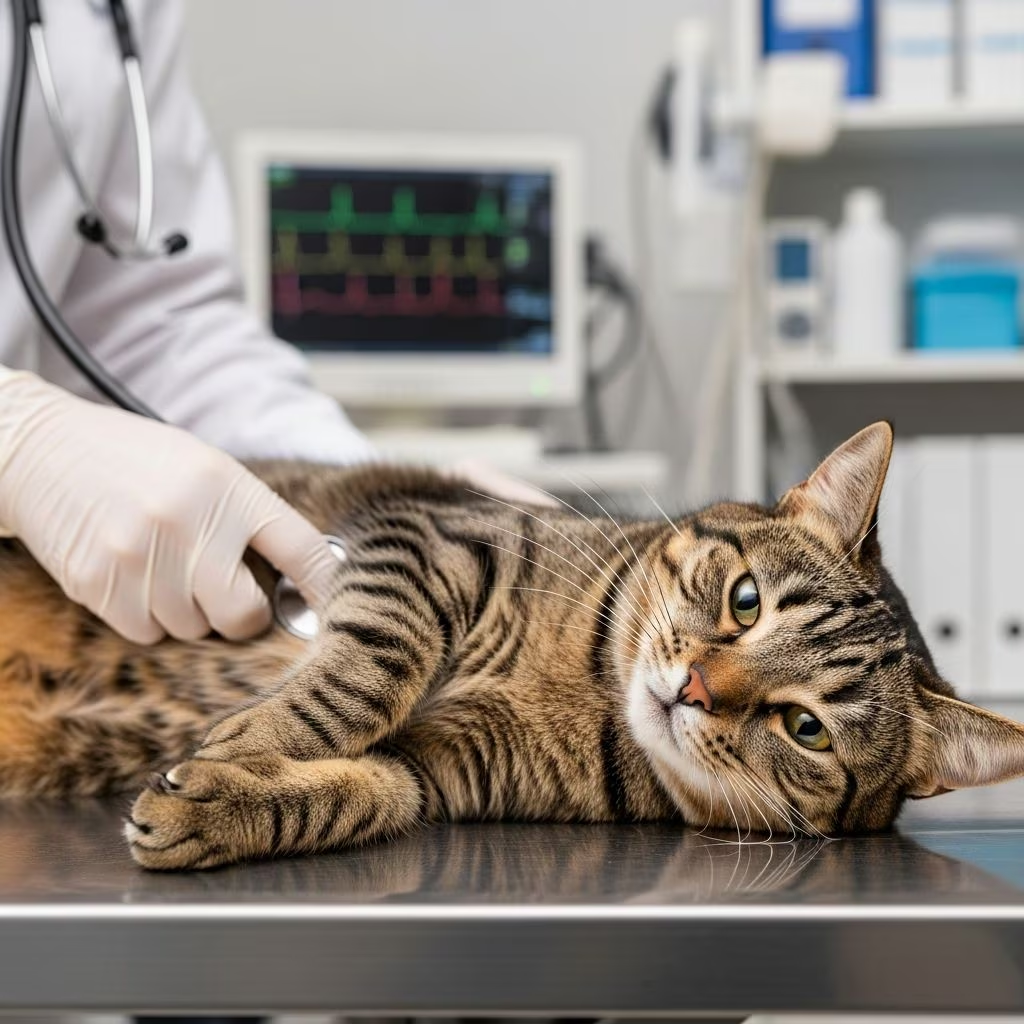
Your veterinarian will perform a thorough physical examination, listening to the lungs with a stethoscope. Cats with pleural effusion often have muffled heart and lung sounds due to the fluid surrounding these organs. Your vet will also assess your cat’s respiratory effort, oxygen saturation if possible, and overall condition.
Chest Radiographs
X-rays of the chest can reveal the presence of fluid, though severe respiratory distress may prevent taking radiographs initially. Once fluid is drained and your cat is more stable, radiographs become more feasible and help identify the underlying cause, such as lung nodules, cardiac enlargement, or other abnormalities.
Thoracic Ultrasound
Ultrasound is an excellent diagnostic tool for confirming pleural effusion, as it clearly visualizes fluid in the pleural space. This technique can also help guide thoracocentesis (fluid drainage) and may reveal additional information about underlying causes such as heart disease, tumors, or other structural abnormalities.
Thoracocentesis and Fluid Analysis
Thoracocentesis is both a diagnostic and therapeutic procedure where a needle is carefully placed into the pleural space to obtain a fluid sample and remove accumulated fluid. The collected fluid is analyzed to determine its characteristics, cell types, and composition, which helps identify the underlying cause. Analysis may reveal whether the fluid is a transudate, exudate, hemorrhagic fluid, or contains infectious organisms or abnormal cells.
Treatment Options for Pleural Effusion
Treatment approaches vary depending on the underlying cause and severity of the condition. The primary immediate goal is to relieve respiratory distress and stabilize your cat.
Emergency Stabilization
Cats presenting with pleural effusion and respiratory distress require immediate stabilization measures. These include:
- Placement in an oxygen-enriched environment to improve oxygenation
- Minimal handling to reduce stress and anxiety, which can worsen respiratory distress
- Intravenous catheter placement for medication administration and fluid support
- Light sedation with medications such as acepromazine combined with opioids to reduce anxiety and breathing effort
- Monitoring of vital signs including respiratory rate and oxygen saturation
Thoracocentesis (Chest Tap)
Thoracocentesis is the primary therapeutic intervention for pleural effusion and provides immediate symptomatic relief by removing fluid and allowing the lungs to re-expand. The procedure is typically performed under light sedation or local anesthesia. A sterile needle or catheter is carefully inserted into the pleural space, and the accumulated fluid is withdrawn. This procedure can be repeated if fluid reaccumulates, or a chest tube may be placed for continuous drainage in some cases. Most cats feel substantially better immediately after successful thoracocentesis.
Treatment Based on Underlying Cause
Heart Failure-Related Pleural Effusion
When pleural effusion results from congestive heart failure, treatment focuses on managing the cardiac condition:
- Diuretics such as furosemide to reduce fluid accumulation throughout the body
- Medications to improve heart function and reduce workload
- Thoracocentesis as needed, though this is usually not required once heart failure is adequately controlled with medications
- Dietary modifications as recommended by your veterinarian
Cats with heart failure managed appropriately often maintain good quality of life at home, with average survival times of 6-12 months from diagnosis with treatment.
Cancer-Related Pleural Effusion
Treatment of pleural effusion caused by cancer depends on the specific cancer type and stage:
- Chemotherapy for most cancer types to target the underlying disease
- Corticosteroids such as prednisolone to reduce inflammation
- Regular thoracocentesis as needed to maintain breathing comfort
- Supportive care and palliative measures
If chemotherapy proves effective, cats may achieve periods of remission lasting weeks to months or occasionally longer, allowing for continued quality of life.
Infection-Related Pleural Effusion
Pyothorax caused by bacterial infection typically responds well to combined therapy:
- Broad-spectrum antibiotics targeting common feline pathogens
- Regular drainage of infected fluid through thoracocentesis or chest tube placement
- Supportive care and pain management
- Possible referral to specialty care for advanced interventions
Chylothorax Treatment
Idiopathic chylothorax can be managed through several approaches:
- Low-fat diet to reduce chyle production and accumulation
- Medications that decrease lymphatic fluid flow
- Mild diuretics in some cases
- Surgery to ligate the thoracic duct if medical management fails
Palliative Care Options
For cats where curative treatment is not possible or where owners choose a palliative approach, several options can improve comfort and quality of life:
Regular Chest Taps: Repeated thoracocentesis procedures can be performed as needed to relieve respiratory distress. This option works well for cats that tolerate veterinary visits and procedures without excessive stress.
Pain Management: Medications such as gabapentin or buprenorphine may be prescribed if your veterinarian believes your cat is experiencing pain associated with the underlying condition or the pleural effusion itself.
Anxiety Relief: Anti-anxiety medications including gabapentin help reduce stress and anxiety associated with breathing difficulties and chronic disease, improving overall comfort.
Corticosteroids: When cancer is the underlying cause, low-dose corticosteroids may help reduce inflammation and improve comfort. However, corticosteroids should not be used in cats with heart failure.
Oxygen Support: Some owners choose to provide supplemental oxygen at home through special oxygen cages or chambers to help their cats breathe more comfortably.
Prognosis and Outcomes
The prognosis for pleural effusion in cats depends significantly on the underlying cause. Cats with heart failure managed appropriately often do well, while those with advanced cancer may have a more guarded prognosis. Early recognition and treatment provide the best opportunities for positive outcomes. The key is working closely with your veterinarian to determine the underlying cause and develop an appropriate treatment plan tailored to your cat’s specific situation and your family’s goals for care.
Frequently Asked Questions
Q: How quickly does pleural effusion develop in cats?
A: Pleural effusion can develop suddenly or gradually, depending on the underlying cause. Acute onset typically presents more severe respiratory distress, while gradual development may allow cats to compensate longer before showing clinical signs.
Q: Is pleural effusion always fatal in cats?
A: No, pleural effusion is not always fatal. Prognosis depends on the underlying cause. Treatable causes like heart failure or infections may allow for long-term survival with appropriate management.
Q: Can pleural effusion recur after treatment?
A: Yes, fluid can reaccumulate depending on the underlying disease and how well it is controlled. Your veterinarian may recommend repeat thoracocentesis procedures if needed.
Q: Is thoracocentesis painful for cats?
A: Thoracocentesis is performed under sedation or local anesthesia to minimize discomfort. Most cats tolerate the procedure well and experience relief from breathing difficulty afterward.
Q: Can pleural effusion be prevented?
A: Prevention depends on the cause. Maintaining heart health, preventing infections, and regular veterinary checkups can help catch conditions early. Some causes cannot be prevented.
References
- Pleural Effusion in Cats: Treatment, Palliative Care — Paws at Peace. Accessed November 2025. https://pawsatpeace.com/pleural-effusion-cats/
- Pleural Effusion in Cats (Fluid Around the Lungs) — PetMD. Accessed November 2025. https://www.petmd.com/cat/conditions/respiratory/pleural-effusion-cats-fluid-around-lungs
- Pleural Effusion in the Cat: A Practical Approach to Determining — National Center for Biotechnology Information (NCBI/PMC). 2024. https://pmc.ncbi.nlm.nih.gov/articles/PMC11148994/
- Signs of Pleural Effusion in Cats — Pet Health Network. Accessed November 2025. https://www.pethealthnetwork.com/dog-health/dog-diseases-conditions-a-z/pleural-effusion
- Working up Pleural Effusions in Cats — DVM360. Accessed November 2025. https://www.dvm360.com/view/working-pleural-effusions-cats-proceedings
- Pleural Effusion in Dogs & Cats — Clinician’s Brief. Accessed November 2025. https://www.cliniciansbrief.com/article/pleural-effusion-oxygen-stabilize-thoracic
- Pleural Effusion In Cats: What You Need To Know — Kingsdale Animal Hospital. Accessed November 2025. https://www.kingsdale.com/pleural-effusion-in-cats-what-you-need-to-know



