

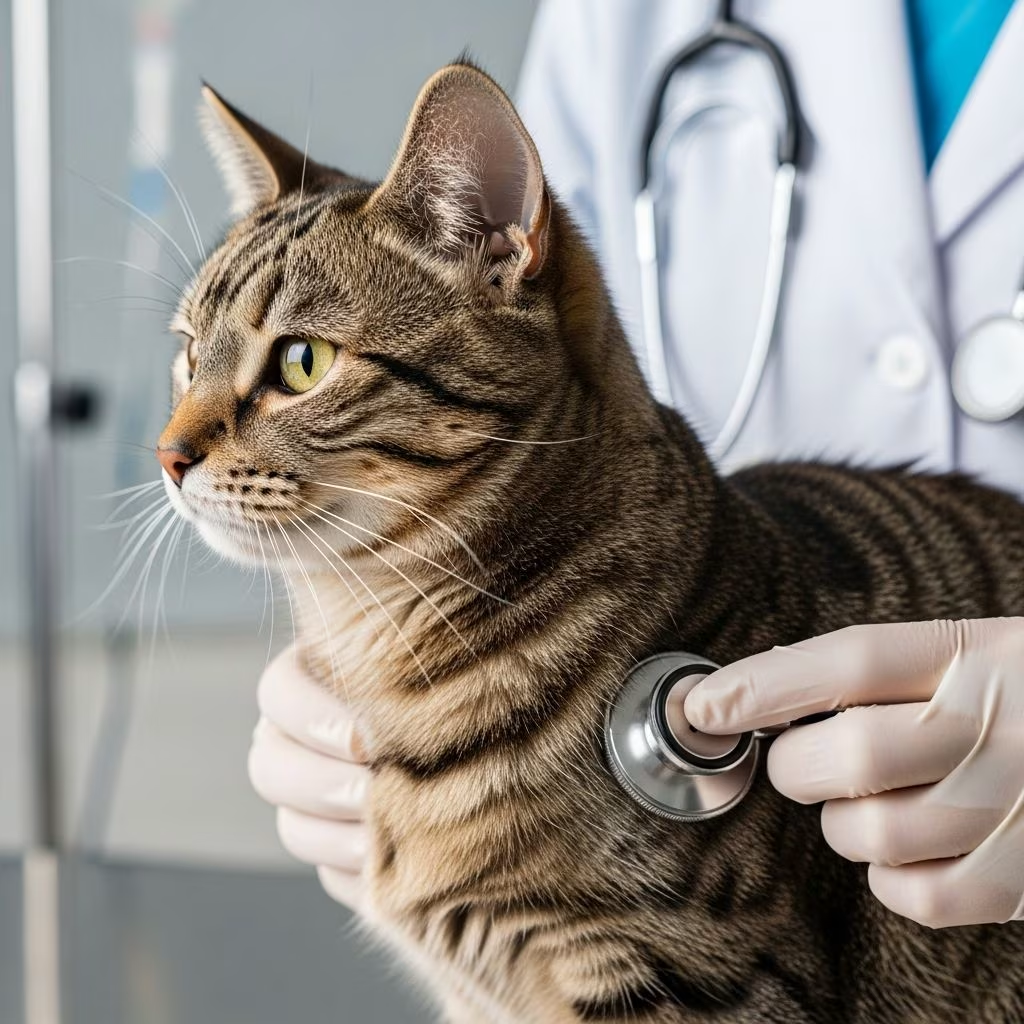
Understanding Pleural Effusion in Cats
Pleural effusion is a serious medical condition that occurs when excessive fluid accumulates within the pleural space—the area surrounding the lungs and heart in the chest cavity. This fluid buildup significantly reduces the space available for the lungs to expand during respiration, forcing affected cats to work considerably harder to breathe. Understanding this condition is crucial for cat owners, as early recognition and prompt treatment can make a significant difference in a cat’s prognosis and quality of life.
The pleural space normally contains only a small amount of fluid that lubricates the movement of the lungs during breathing. When disease processes disrupt the normal balance of fluid production and drainage, dangerous accumulation occurs, compromising respiratory function and potentially becoming life-threatening.
What Causes Pleural Effusion?
Pleural effusion can result from numerous underlying diseases and conditions. Research has identified the most prevalent causes in feline patients, with six conditions accounting for approximately 95% of all reported cases. Understanding these causes helps veterinarians develop targeted treatment strategies and provides owners with insight into their cat’s condition.
Congestive Heart Failure
Congestive heart failure (CHF) represents the most common cause of pleural effusion in cats, accounting for 40.8% of cases. When the heart muscle becomes diseased—commonly due to advanced hypertrophic cardiomyopathy or other cardiac conditions—the heart loses its ability to efficiently pump blood throughout the body. This pumping failure causes blood to back up into the pulmonary and systemic circulation, increasing hydrostatic pressure in the blood vessels. The elevated pressure forces fluid to leak from the capillaries into the pleural space, creating either a transudate, modified transudate, or chylous effusion. Left-sided heart failure appears particularly prone to causing pleural effusion in cats compared to other species.
Neoplasia (Cancer)
Tumors represent the second most common cause of pleural effusion in cats, accounting for 25.8% of cases. Mediastinal, bronchopulmonary, or primary pleural neoplasia can all lead to pleural fluid accumulation. Cancer cells can damage blood vessels within the chest cavity, increase vascular permeability, and obstruct normal lymphatic drainage, resulting in fluid accumulation with characteristics of modified transudate, exudate, or chylous effusion. Published case series report that 26–61% of feline pleural effusions are associated with neoplasia, making cancer screening essential in diagnostic workups.
Pyothorax
Pyothorax refers to the presence of pus within the chest cavity, developing in response to severe bacterial infections. These infections typically originate from either blood-borne spread or penetrating chest wounds. The bacterial infection triggers an inflammatory response, causing accumulation of purulent fluid in the pleural space. This condition represents a medical emergency requiring aggressive treatment with antibiotics combined with fluid drainage.
Idiopathic Chylothorax
Chylothorax occurs when chyle—lymphatic fluid rich in fats—accumulates in the pleural space. When no specific underlying cause can be identified, the condition is termed idiopathic chylothorax. This condition disrupts the normal flow of lymphatic fluid through the thoracic duct, causing chyle to leak into the chest cavity. Treatment typically involves dietary modification and medications that reduce chyle flow, with surgery sometimes necessary to ligate the thoracic duct.
Feline Infectious Peritonitis (FIP)
Feline infectious peritonitis, caused by a mutated form of feline coronavirus, can result in blood vessel damage throughout the body. This vascular damage leads to fluid leakage into body cavities, including the pleural space. Of cats with effusive FIP, 62% develop peritoneal effusion, 17% develop pleural effusion, and 21% experience double effusions affecting both cavities. FIP-related pleural effusion carries a poor prognosis.
Other Causes
Additional causes of pleural effusion include trauma to the chest, diaphragmatic hernias, vasculopathy, uremic pleuritis, hypoproteinemia, and vitamin K antagonist toxicity. Each of these conditions requires specific diagnostic and treatment approaches.
Clinical Signs of Pleural Effusion
Cats with pleural effusion present with clinical signs directly related to their compromised breathing. Because fluid accumulation reduces available lung space, affected cats must exert significantly more effort to breathe adequately. Recognizing these signs can prompt owners to seek immediate veterinary care.
Common Clinical Presentations
The respiratory signs associated with pleural effusion range from mild to severe:
- Lethargy or decreased activity levels
- Increased respiratory rate exceeding 40 breaths per minute
- Rapid, shallow breathing patterns
- Increased abdominal effort with each breath—the abdomen visibly moves with respiratory efforts
- Open-mouth breathing (a sign of severe respiratory distress)
- Coughing in some cases
- Hiding in unusual places, indicating the cat seeks quiet, comfortable positions to breathe
- Hunched posture in sternal recumbency
- Blue-tinged gums (cyanosis), indicating severe respiratory compromise and potential respiratory failure if untreated
The typical presentation of pleural space disease includes a restrictive, rapid, shallow respiratory pattern with increased inspiratory effort, though these signs are not pathognomonic and may indicate other respiratory conditions. In emergency situations, cats may present in severe respiratory distress ranging from an increased respiratory rate and effort to open-mouth breathing, requiring rapid therapeutic intervention to prevent respiratory arrest.
Diagnosis of Pleural Effusion
Diagnosing pleural effusion and determining its underlying cause requires a systematic, methodical approach combining clinical assessment with advanced diagnostics.
Initial Stabilization and Assessment
Cats presenting with pleural effusion often experience severe respiratory compromise and require immediate stabilization before extensive diagnostics can proceed. Initial management typically includes placement in an oxygen cage to increase oxygen availability and allow the cat to calm down sufficiently for thorough examination and testing. This stabilization phase provides critical time for the veterinarian to gather information safely.
Thoracocentesis
Thoracocentesis—a procedure in which fluid is withdrawn from the pleural space using a needle or catheter—serves dual purposes: diagnostic and therapeutic. This procedure not only helps identify the underlying cause but also provides immediate symptomatic relief by removing accumulated fluid, allowing the lungs more space to expand. The removed fluid undergoes analysis to determine its characteristics and underlying cause. In cases where fluid rapidly reaccumulates, a chest tube may be placed for continuous drainage, enabling more effective management.
Fluid Analysis
Laboratory analysis of pleural fluid provides crucial diagnostic information. Testing can help differentiate between various causes of effusion, including transudate, modified transudate, exudate, chylous effusion, or hemorrhagic effusion. Fluid characteristics, cell counts, protein levels, and specific diagnostic tests help narrow differential diagnoses and guide treatment decisions.
Additional Diagnostic Tests
Once the cat is stabilized, veterinarians employ additional diagnostic tools to identify the underlying cause. Thoracic radiographs taken after fluid drainage reveal lung tissue, heart structure, and any abnormalities suggesting specific conditions. Further testing may include echocardiography to assess cardiac function in suspected heart disease, bloodwork to evaluate organ function and infectious disease status, and imaging studies to detect neoplasia or other structural abnormalities.
Treatment of Pleural Effusion
Treatment of pleural effusion follows a two-pronged approach: immediate symptomatic relief through emergency stabilization and long-term management addressing the underlying cause.
Emergency Treatment
Emergency management focuses on stabilizing the cat’s respiratory status. Oxygen therapy via an oxygen cage provides immediate relief from oxygen deprivation and allows the cat to stabilize emotionally and physically for further examination. This emergency phase is critical for preventing respiratory failure and death.
Therapeutic Thoracocentesis
Thoracocentesis represents the first line of treatment when pleural effusion significantly compromises breathing. The procedure immediately improves respiratory function by removing accumulated fluid. When fluid rapidly reaccumulates, thoracocentesis can be repeated, or a chest tube can be placed for more continuous drainage, helping the cat breathe more easily.
Cause-Specific Treatments
Once stabilized and diagnosed, treatment targets the underlying cause:
- Heart Failure: Medications including diuretics, ACE inhibitors, and cardiac supportive agents manage congestive heart failure and reduce fluid accumulation.
- Pyothorax: Bacterial pyothorax typically responds to aggressive antibiotic therapy combined with fluid drainage. The antibiotic selection depends on culture and sensitivity results.
- Idiopathic Chylothorax: Treatment includes feeding a low-fat diet and medications that decrease chyle flow. Surgery may be necessary to ligate the thoracic duct in some cases.
- Neoplasia: Treatment depends on tumor type, extent, and the cat’s overall health, potentially including chemotherapy, radiation, or surgery.
- FIP: Limited treatment options exist for FIP, making prognosis generally poor. Supportive care and experimental therapies may be offered.
Long-Term Management
Long-term treatment varies significantly depending on the underlying cause of the effusion. Some conditions, like bacterial pyothorax, may resolve with appropriate antibiotic therapy and drainage. Others, like heart failure, require ongoing medication management. Neoplastic conditions may require multimodal therapy. The veterinarian will develop an individualized treatment plan based on the specific diagnosis and the cat’s response to initial therapy.
Frequently Asked Questions About Pleural Effusion in Cats
Q: What is the difference between pleural effusion and pulmonary edema?
A: Pleural effusion refers to fluid accumulation in the pleural space surrounding the lungs, while pulmonary edema involves fluid accumulation within the lung tissue itself. Both can result from cardiac disease but require different diagnostic approaches and treatments.
Q: Is pleural effusion in cats always fatal?
A: Not necessarily. While cats with pleural effusion have a poor overall prognosis, outcomes depend significantly on the underlying cause, how quickly treatment begins, and the cat’s overall health. Some conditions causing pleural effusion respond well to appropriate treatment, while others carry guarded to poor prognoses.
Q: Can pleural effusion recur after treatment?
A: Yes, recurrence is possible, particularly if the underlying condition is not fully resolved or is chronic. Some cats may require repeated thoracocentesis or long-term chest tube placement if fluid continues accumulating despite treatment of the underlying cause.
Q: How quickly does pleural effusion develop?
A: The rate of fluid accumulation varies depending on the underlying cause. Some conditions cause rapid fluid buildup requiring emergency intervention, while others develop more gradually. Rapid accumulation typically causes more severe clinical signs.
Q: What should I do if I suspect my cat has pleural effusion?
A: Contact your veterinarian immediately, especially if your cat shows signs of respiratory distress such as rapid breathing, open-mouth breathing, or lethargy. Pleural effusion can quickly become life-threatening, requiring prompt professional evaluation and treatment.
References
- Pleural Effusion in Cats (Fluid Around the Lungs) — PetMD. 2024. https://www.petmd.com/cat/conditions/respiratory/pleural-effusion-cats-fluid-around-lungs
- Causes of Pleural Effusion in Cats — VETgirl Veterinary Continuing Education. 2024. https://vetgirlontherun.com/causes-of-pleural-effusion-in-cats-vetgirl-veterinary-continuing-education-blog/
- Pleural Effusion in the Cat: A Practical Approach to Determining the Underlying Aetiology — National Center for Biotechnology Information (NCBI/PMC). 2024. https://pmc.ncbi.nlm.nih.gov/articles/PMC11148994/
- Pleural Effusion in Cats — VCA Animal Hospitals. 2024. https://vcahospitals.com/know-your-pet/pleural-effusion-in-cats
- Signs of Pleural Effusion in Cats — Pet Health Network. 2024. https://www.pethealthnetwork.com/dog-health/dog-diseases-conditions-a-z/pleural-effusion
- Working Up Pleural Effusions in Cats — DVM360. 2024. https://www.dvm360.com/view/working-pleural-effusions-cats-proceedings



