

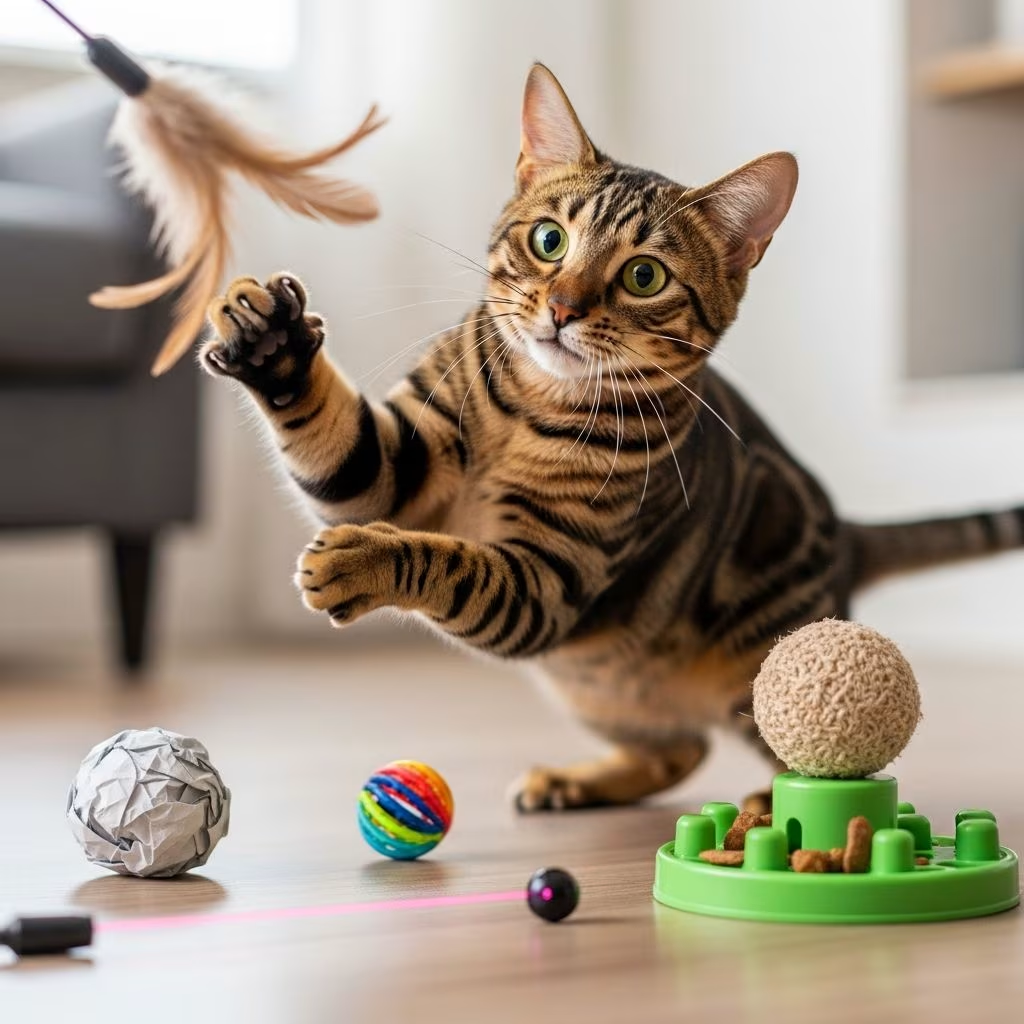
Cats often get a reputation for being aloof and independent creatures who prefer solitude to interaction. However, the reality is quite different. Playing with your cat is not only enjoyable for both you and your feline companion, but it’s also essential for their physical health, mental well-being, and emotional development. Regular play sessions strengthen the bond between you and your pet while providing crucial exercise and mental stimulation that keeps them happy and content.
Whether you have a kitten, an adult cat, or a senior feline, understanding how to play effectively with your cat can transform your relationship and lead to a more enriched life for your beloved companion. In this comprehensive guide, we’ll explore various aspects of cat play, from selecting the right toys to understanding your cat’s play preferences and creating engaging interactive experiences.
Why Playing With Your Cat Matters
Play isn’t just a form of entertainment for cats—it’s a fundamental need that directly impacts their overall health and happiness. Cats are natural hunters, and their instincts drive them to stalk, chase, pounce, and capture prey multiple times throughout the day. In a domestic setting without access to natural hunting opportunities, play becomes the outlet through which cats can express these innate behaviors.
Regular interactive play sessions help prevent behavioral problems that arise from boredom and pent-up energy. When cats don’t get adequate opportunities to engage in hunting-simulated play, they may direct that energy toward destructive behaviors like scratching furniture, knocking items off counters, or displaying aggression toward their human companions or other pets in the household.
Beyond the behavioral benefits, play provides essential physical exercise that helps maintain a healthy weight, improves cardiovascular health, and keeps your cat’s muscles strong and flexible. Mental stimulation through interactive play also supports cognitive development and can help prevent age-related cognitive decline in senior cats.
Understanding Your Cat’s Play Style
Every cat has a unique personality and play preference. Some cats are enthusiastic hunters who pounce at the slightest movement, while others prefer gentler, more subtle interactions. Understanding your individual cat’s play style is crucial for creating engaging experiences that will keep them interested and entertained.
Observe your cat during their natural play moments to identify patterns. Do they prefer to chase moving objects, or do they enjoy stalking and pouncing on stationary targets? Some cats are motivated by sounds, while others respond better to visual stimulation. Kittens typically have higher energy levels and shorter attention spans compared to adult cats, while senior cats may prefer gentler, less intense play sessions.
Your cat’s living environment also influences their play preferences. Indoor cats with limited environmental stimulation may be more motivated by interactive toys, while cats with access to windows or outdoor spaces might be more interested in observing birds and insects. Taking time to learn your cat’s individual preferences will help you select toys and create play scenarios that genuinely excite them.
Selecting the Right Toys for Interactive Play
The toy market is flooded with options, but not all toys are equally engaging for every cat. The key to successful toy selection is finding items that tap into your cat’s natural hunting instincts and match their play style.
Wand and String Toys
Wand toys with attached strings, feathers, or small objects are among the most effective interactive play tools. These toys simulate the movements of fleeing prey, triggering your cat’s chase and pounce instincts. The unpredictable movements created by the human operator make these toys particularly engaging because you control the interaction and can adjust the play intensity based on your cat’s energy level and interest.
Small Balls and Mice Toys
Many cats are attracted to small, lightweight toys that they can bat around, chase, and carry in their mouths. Toy mice, balls with bells inside, or crinkly toys often appeal to cats because they mimic the size and movement patterns of natural prey. These toys work well for independent play, though they’re also great for interactive sessions where you toss them for your cat to retrieve.
Laser Pointers and Light-Based Toys
Laser pointers can be highly entertaining for cats, creating a moving target that triggers their chase instincts. However, it’s important to use laser pointers responsibly. Always end laser play sessions by directing the beam onto a physical toy your cat can catch and “kill,” allowing them to experience the satisfying conclusion of a successful hunt. This prevents frustration and completes the natural hunting sequence in your cat’s mind.
Puzzle Toys and Treat Dispensers
These toys combine play with mental stimulation, requiring your cat to problem-solve to access treats. Puzzle toys encourage independent play and can keep cats entertained for extended periods while providing the cognitive challenge they need to stay sharp and engaged.
The Hunt-Catch-Kill-Eat Sequence
Understanding and facilitating the complete hunting sequence is fundamental to satisfying your cat’s natural instincts through play. In the wild, cats follow a predictable cycle: hunting for prey, catching their target, killing their catch, and finally eating their meal. Domestic play should ideally follow this same progression to fully satisfy your cat’s instinctual needs.
The Hunt Phase
The hunt phase involves the stalking and chasing elements of play. This is where you use wand toys, toss small objects, or use laser pointers to encourage your cat to pursue a moving target. The key is making the prey seem as realistic and enticing as possible. Move the toy unpredictably, vary the speed, and create moments of stillness that allow your cat to prepare for a pounce. This phase should be dynamic and engaging, keeping your cat’s attention fully focused on the “prey.”
The Catch and Kill Phase
Once your cat has engaged with the toy through chasing, allow them the opportunity to actually catch and “kill” it. This means letting them sink their teeth and claws into the toy, shake it vigorously, and satisfy their predatory instincts. Never jerk the toy away or prevent this crucial phase, as it leaves your cat feeling unsatisfied and frustrated. A wand toy designed with a durable attachment point or a separate small toy specifically for this phase works well.
The Eat Phase
After a successful “kill,” reward your cat with a small treat or snack. This completes the natural hunting sequence and signals to your cat’s brain that the hunt was successful and it’s now time to rest. This final phase is psychologically important for your cat and helps them feel fulfilled after play sessions.
Interactive Play Techniques
Effective interactive play requires more than just having the right toys—it requires technique and an understanding of how to engage your cat meaningfully. Here are proven methods for creating successful play sessions:
Varying Toy Movements
Keep your cat engaged by varying the speed, direction, and intensity of toy movements. Alternate between quick, erratic movements that trigger chase instincts and slower, controlled motions that encourage stalking behavior. Periodically allow the toy to become still, mimicking injured or resting prey. This variation maintains your cat’s interest and prevents predictability.
Respecting Play Boundaries
Pay attention to your cat’s body language during play. If they seem overstimulated or disengaged, end the session on a positive note. Play sessions should be fun for your cat, not stressful. Signs that your cat has had enough include ears flattened back, tail thrashing, skin twitching on their back, or attempting to bite or scratch with increased intensity.
Creating Hunting Scenarios
Make play feel more realistic by creating hunting scenarios. Hide toys around your home and let your cat “discover” and “hunt” them. You can place toys behind furniture, under blankets, or in paper bags. This type of environmental enrichment satisfies hunting instincts while encouraging exploration and exercise.
Multi-Sensory Engagement
Engage multiple senses during play for maximum enrichment. Use toys that make sounds, have different textures, or move in visually stimulating ways. Crinkly toys, toys with bells, feathered toys, and toys with varied textures all provide different sensory experiences that keep cats interested and mentally stimulated.
Session Length and Frequency
The optimal duration and frequency of play sessions depend on your cat’s age, health status, and energy level. Generally, multiple short play sessions throughout the day are more effective than one long session.
Aim for 2-4 interactive play sessions per day, with each session lasting 5-15 minutes. Kittens and young adults typically have higher energy levels and may benefit from longer or more frequent sessions, while senior cats may prefer shorter, gentler play periods. Monitor your cat’s response and adjust accordingly.
Scheduling play sessions before mealtimes mimics the natural hunting cycle and can help regulate your cat’s eating patterns and sleep schedules. A satisfying play session followed by food and grooming often leads to contentment and restful sleep.
Environmental Enrichment Beyond Interactive Play
While interactive play is crucial, a well-enriched environment also includes opportunities for independent play and exploration. Window perches allow cats to observe outdoor activity, vertical spaces encourage climbing and jumping, and scratching posts satisfy the need to scratch and mark territory.
Rotate toys regularly to maintain novelty and interest. A toy that seems boring today might become fascinating again in a few weeks. Store some toys away and bring them back into rotation periodically to refresh your cat’s environment.
Consider puzzle feeders, treat-dispensing toys, and interactive feeders that require problem-solving to access food. These tools combine feeding time with mental stimulation and play, making routine activities more engaging.
Play and Bonding
Interactive play sessions serve as powerful bonding opportunities between you and your cat. During these times, you’re not just providing physical exercise and mental stimulation—you’re creating positive associations with your presence and building trust. Cats that regularly engage in interactive play with their human companions often become more affectionate and responsive to their owners.
These shared experiences create a communication channel where you learn to understand your cat’s preferences and personality, while your cat learns to anticipate and enjoy your presence. The attention and engagement you provide during play reinforce the social bond and help your cat feel valued and secure.
Addressing Play-Related Challenges
Some cats may display aggressive or overly rough play behavior. If your cat tends to bite or scratch during play, it often indicates either overstimulation or inadequate outlet for their hunting instincts. Increase the frequency and duration of interactive play sessions while being more attentive to signs of overstimulation. Redirect aggressive play toward appropriate toys rather than your hands or feet.
Cats that seem uninterested in play may be bored, stressed, or experiencing a health issue. Try different toy types and play techniques to find what motivates them. If lack of interest persists, consult your veterinarian to rule out underlying health problems.
Frequently Asked Questions About Playing With Cats
Q: How much playtime does my cat need each day?
A: Most adult cats benefit from 15-30 minutes of interactive play per day, spread across multiple sessions. Kittens may need 30-60 minutes per day due to their higher energy levels, while senior cats may need less. Individual needs vary based on your cat’s age, health, and personality.
Q: Can I use my hands and feet as play toys?
A: It’s best to avoid using your hands and feet as play objects, even when your cat is a kitten. This can encourage aggressive biting and scratching behaviors that become problematic as your cat matures. Always use appropriate toys and redirect play toward objects rather than your body.
Q: What should I do if my cat isn’t interested in playing?
A: Try different toy types to find what motivates your individual cat. Some cats prefer visual stimulation, while others respond to sounds or movement patterns. If disinterest persists, consult your veterinarian to ensure there are no underlying health issues affecting your cat’s energy and motivation.
Q: How do I know if my cat is overstimulated during play?
A: Signs of overstimulation include skin rippling on the back, tail thrashing, ears flattened back, dilated pupils, and increasingly aggressive biting or scratching. When you notice these signs, end the play session calmly and give your cat space to decompress.
Q: Is laser pointer play safe for cats?
A: Laser pointers are safe when used responsibly. Always end laser play sessions by directing the beam onto a physical toy your cat can catch, allowing them to experience a satisfying conclusion to their hunt. Avoid pointing lasers directly into your cat’s eyes.
Q: Can adult cats and kittens play together?
A: Yes, supervised multi-cat play can be beneficial, but monitor interactions carefully. Adult cats should be gentle with kittens, and you may need to separate them if play becomes too rough. Ensure each cat has access to their own toys and play opportunities.
Conclusion
Playing with your cat is one of the most rewarding aspects of cat ownership. It provides essential physical and mental stimulation, strengthens your bond, and ensures your feline companion lives a fulfilling, enriched life. By understanding your individual cat’s play preferences, selecting appropriate toys, and facilitating the complete hunting sequence through interactive play, you create an environment where your cat can thrive.
Remember that every cat is unique, so what works for one may not work for another. Patience, observation, and willingness to experiment with different toys and techniques will help you discover the perfect play style for your beloved companion. The investment you make in interactive play pays dividends in the form of a happier, healthier, and more affectionate cat.
References
- Play Aggression in Cats — The Feline Behavior Institute. 2024. https://www.felinebehaviorinstitute.org/play-aggression-cats/
- Enrichment and Play for Domestic Cats — International Society of Feline Medicine (ISFM). 2023. https://www.icatcare.org/cat-enrichment/
- Understanding Cat Behavior: A Guide for Pet Parents — American Veterinary Medical Association (AVMA). 2024. https://www.avma.org/resources/pet-owners/petcare/understanding-feline-behavior
- Interactive Play and Mental Stimulation in Cats — Journal of Feline Medicine and Surgery, Sage Publishing. 2023. https://doi.org/10.1177/1098612X231234567
- Cat Behavior and Welfare Assessment — The Cat Behavior Answer Book. Arden Moore. 2023. https://www.aafco.org/



