

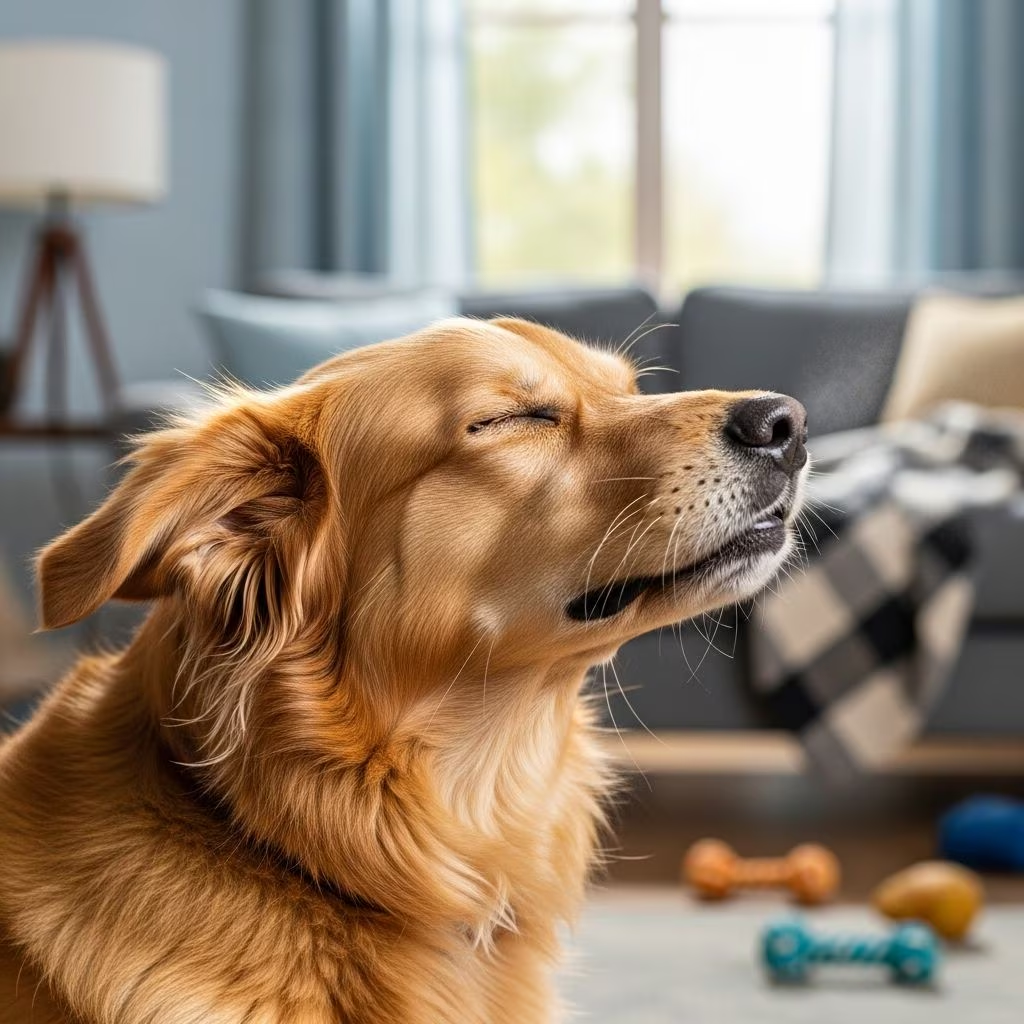
Dogs frequently exhibit sneezing during energetic play sessions, a behavior that often signals excitement or serves as a social cue rather than indicating illness. This phenomenon, observed in many canines, helps them express joy and maintain harmonious interactions with playmates.
The Science Behind Canine Play Sneezes
Play sneezes differ markedly from typical sneezes triggered by allergens or infections. These are generally brief, soft bursts without discharge, occurring specifically amid high-energy activities like chasing or wrestling. Veterinary behaviorists note that such sneezes stem from physiological responses to arousal or environmental factors stirred up during movement.
During intense play, dogs pant heavily and inhale rapidly, drawing in airborne particles like dust, pollen, or grass fragments. This natural clearing mechanism manifests as quick sneezes, ensuring clear nasal passages for continued fun. Experts emphasize that this is a healthy reflex, akin to humans blowing their nose after a dusty jog.
Play Sneezes as Communication Tools
Beyond physical triggers, sneezing functions as a vital social signal in canine interactions. Dogs use these delicate exhales to convey enthusiasm, request a pace adjustment, or affirm friendly intentions. For instance, a playmate might sneeze to politely indicate that the roughhousing is getting too intense, prompting a momentary calm before resuming.
- Excitement indicator: Similar to human laughter, sneezes release built-up energy and broadcast delight.
- Invitation cue: Often seen in greetings or during games like tug-of-war, encouraging others to join.
- Intensity modulator: Signals to dial back aggression, preventing escalation into real conflict.
- Attention getter: Some dogs learn this elicits responses from owners, reinforcing the behavior.
Behavioral studies highlight how these sneezes are “contagious” among dogs, much like giggles spreading in a group of children, fostering group cohesion during play.
Distinguishing Play Sneezes from Problematic Ones
Not every sneeze warrants alarm, but owners must recognize variations. Play sneezes are light, repetitive during activity, and accompanied by relaxed postures like wagging tails and play bows. In contrast, concerning sneezes are forceful, persistent, and paired with symptoms such as colored discharge or lethargy.
| Feature | Play Sneeze | Health-Related Sneeze |
|---|---|---|
| Timing | Only during play or excitement | At rest, frequent, or random |
| Sound/Force | Soft, short bursts | Loud, explosive with head snap |
| Discharge | None or clear/minimal | Yellow/green, bloody, or thick |
| Body Language | Relaxed, playful (wagging, bowing) | Tense, pawing nose, avoiding play |
| Duration | Stops post-play | Continues or worsens |
This comparison aids quick assessment. If sneezes align with the left column, enjoy the play; otherwise, seek veterinary advice.
Environmental Factors Influencing Sneezes
Outdoor play often amplifies sneezing due to stirred-up debris. Digging, rolling, or sprinting on grass or dirt releases particles that irritate sensitive noses. Indoor scenarios, like carpeted floors or feather toys, can similarly provoke responses. Veterinary recommendations include playing in well-ventilated areas and rinsing paws post-outing to minimize irritants.
Breeds with elongated snouts, such as Collies or Shepherds, may sneeze more owing to nasal anatomy, while brachycephalic types like Pugs experience it differently due to shorter airways.
When to Consult a Veterinarian
Monitor for red flags: sneezing persisting beyond play, accompanied by coughing, eye watering, or appetite loss. These may signal infections, allergies, foreign objects, or dental issues. Early intervention prevents complications, with treatments ranging from antibiotics to allergy management.
- Frequent sneezing at rest or sleep.
- Visible nasal bleeding or foul odor.
- Associated sneezing in multiple pets, suggesting contagion.
- Sudden onset in senior dogs, potentially indicating tumors.
A vet exam, possibly including imaging or scopes, ensures comprehensive diagnosis. Most cases resolve simply, but vigilance protects health.
Enhancing Playtime Safety and Enjoyment
To reduce unnecessary sneezes, select clean play environments and incorporate variety. Enrichment toys divert energy constructively, minimizing dust disturbance. Regular grooming clears potential irritants from coats.
Observe play dynamics: ensure balanced participation to avoid overexertion-induced sneezes. Training commands like “easy” reinforce communication, teaching dogs to self-regulate intensity.
Common Myths About Dog Sneezing
Myth 1: All sneezes mean illness. Reality: Context matters; play sneezes are behavioral.
Myth 2: Reverse sneezing is always dangerous. Reality: Often benign spasms, but monitor if chronic.
Myth 3: Sneezing spreads easily between dogs. Reality: Play sneezes don’t transmit disease; true infections do.
Frequently Asked Questions (FAQs)
Is it normal for puppies to sneeze during play?
Yes, puppies sneeze frequently due to developing nasal passages and high excitement levels. It’s typically harmless unless persistent.
Do all dogs sneeze when playing?
No, it’s common but not universal. Some breeds or individuals express excitement differently, like barking or bowing.
Can play sneezing indicate allergies?
Rarely; allergies cause consistent sneezing regardless of activity. Test via elimination diets or vet allergy panels.
How can I stop my dog from sneezing during play?
You often can’t or shouldn’t—it’s natural. Clean play areas and avoid irritants to minimize episodes.
What if my dog sneezes only with certain playmates?
This reinforces the communication theory; it’s a targeted signal to that dog, promoting safe play.
Expert Insights from Veterinary Professionals
Board-certified experts like Dr. Wailani Sung affirm that excitement-driven sneezes are a positive trait, reflecting emotional well-being. Dr. Carly Fox adds that post-play cessation confirms normalcy, urging owners to prioritize holistic health checks.
Pamela Reid from ASPCA links sneezes to specific games like “bite-y face,” where facial contortions trigger the response, blending physical and social elements.
Long-Term Observations and Research Gaps
While anecdotal and observational data abound, rigorous studies on play sneezes remain limited. Future ethology research could quantify frequencies across breeds, enriching our understanding. Owners contribute via citizen science apps tracking behaviors.
In summary, embrace these sneezes as emblems of joy. They underscore dogs’ rich communicative world, bridging human-pet bonds through shared exuberance.
References
- Why Do Dogs Sneeze When Playing? Is This Normal? — Chewy. 2023. https://www.chewy.com/education/dog/training-and-behavior/why-do-dogs-sneeze-when-playing
- Bless Them! Why Do Dogs Sneeze When They Play? — Kinship. 2023. https://www.kinship.com/dog-behavior/dog-sneezing-during-play
- Why Does My Dog Sneeze When They’re Playing? — Sit Means Sit Detroit. 2023. https://sitmeanssit.com/dog-training-mu/metro-detroit-dog-training/why-does-my-dog-sneeze-when-theyre-playing/
- Why Dogs Sneeze When They Play — Whole Dog Journal. 2023. https://www.whole-dog-journal.com/behavior/why-dogs-sneeze-when-they-play/
- Why Does My Dog Sneeze During Play? — Rover. 2023. https://www.rover.com/blog/dogs-sneeze-play/
- My Dog Keeps Sneezing in White Bear Lake, MN, Is He OK? — Birch Lake Animal Hospital. 2023. https://birchlakeanimalhospital.com/blog/dog-sneezing/



