

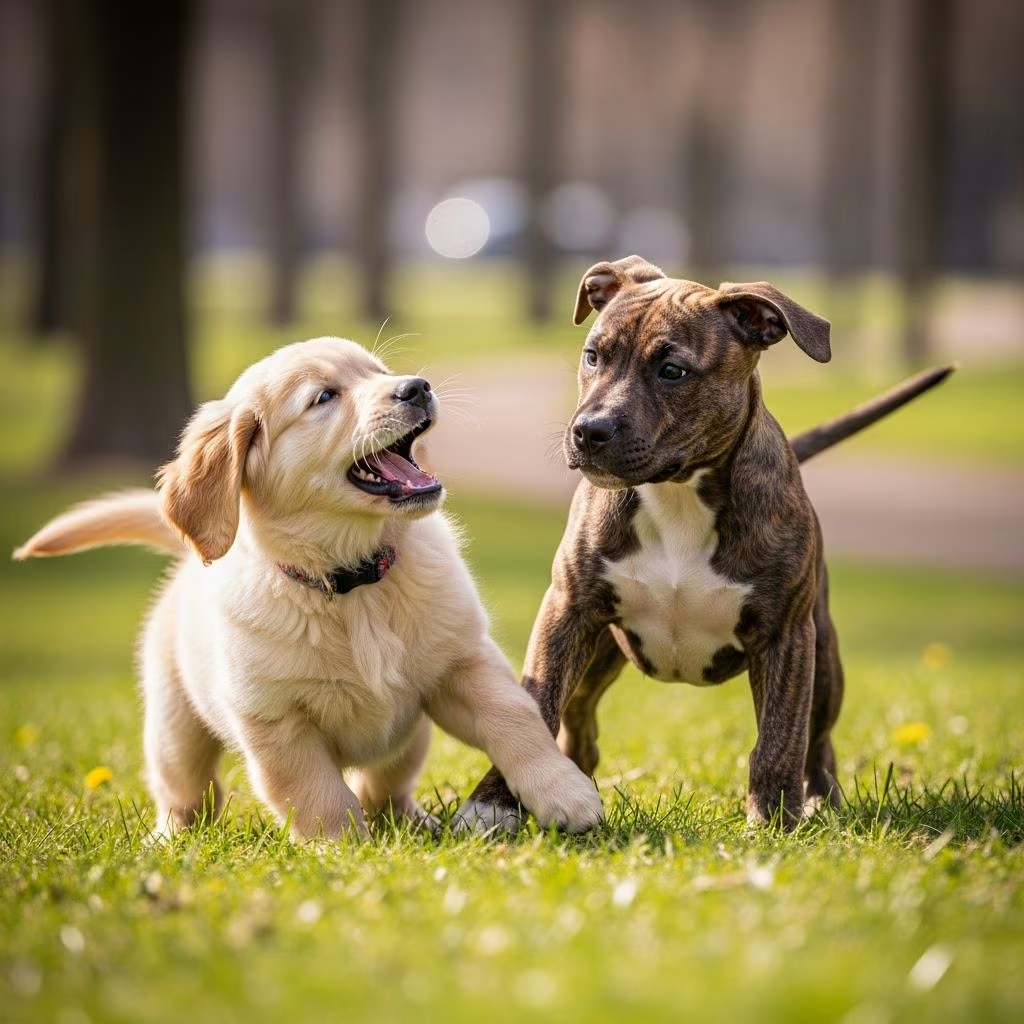
Understanding whether your dog is engaging in normal play or displaying aggressive tendencies is essential for pet owners. Play helps dogs build social skills and burn energy, but misinterpreting signals can lead to unsafe situations. This article explores key differences through body language, common triggers, and practical prevention methods.
Decoding Canine Body Language: Play vs. Aggression
Dogs communicate primarily through posture, facial expressions, and movements. Recognizing these helps differentiate fun from threats.
- Play bows: Front end lowers with rear raised, tail wagging loosely—invitation to romp.
- Relaxed ears and mouth: Ears perked or floppy, mouth open in a ‘play face’ with tongue out.
- Loose, bouncy movements: Zigzagging runs, short pauses to check on playmate.
In contrast, aggression shows tension:
- Stiff posture: Rigid body, forward-leaning stance, hackles raised along back.
- Intense stare: Hard, unblinking eyes fixed on target, ears pinned back.
- Bared teeth and growls: Lips curled to expose fangs, deep rumbling sounds.
During play, dogs take turns ‘winning’ mock fights, yielding space willingly. Aggressive encounters lack reciprocity; one dog dominates without breaks.
Context Matters: When Play Turns Tense
Observe the setting. Play often occurs in neutral, familiar spaces with known companions. Aggression spikes in high-stress scenarios like resource competition or stranger approaches.
| Play Indicators | Aggression Indicators |
|---|---|
| Play bow before contact | No bow; direct lunges |
| Alternating chase roles | Persistent pinning |
| Tail wags side-to-side | Tail stiff or tucked |
| Yips and short barks | Prolonged growls |
Multi-dog households benefit from supervised sessions. If one dog repeatedly avoids or hides, intervention is needed.
Root Causes of True Aggression in Dogs
Aggression stems from fear, pain, or unmet needs rather than ‘bad temperament’ alone. Fear-based reactions arise from poor socialization, making everyday stimuli overwhelming.
Health issues mimic behavioral problems. Pain from arthritis or infections prompts defensive snaps, especially during touch.
Frustration from insufficient exercise builds stress. Breeds with high energy needs, like herding dogs, redirect pent-up drive aggressively if ignored.
Genetics play a role; indiscriminate breeding increases risks, but environment shapes outcomes.
Health Checks: Ruling Out Medical Triggers
Behavioral shifts warrant vet visits. Conditions like hypothyroidism or neurological disorders alter mood.
Nutritional imbalances affect serotonin levels, linked to dominance aggression. Low-protein diets with L-tryptophan supplements show promise in studies.
Regular exams catch subtle pains dogs conceal. Address grooming growls by checking joints first.
Socialization: Building Confidence from Puppyhood
Expose puppies to diverse stimuli positively between 3-12 weeks. Controlled meetings with people, dogs, and noises prevent fear responses.
Adult dogs improve via gradual desensitization. Pair triggers with rewards to rewire associations.
Exercise and Enrichment: Channeling Energy Safely
Daily physical outlets—walks, fetch—reduce reactivity. Mental puzzles like treat-dispensing toys curb boredom-induced outbursts.
Tailor activities to breed: scent work for hounds, agility for shepherds.
Safety First: Management Tools for Reactive Dogs
Prioritize prevention over confrontation. List aggression triggers (e.g., doorbells, strangers) and avoid them initially.
- Leashes and tethers: Keep distance from stimuli; head halters add control.
- Crate training: Safe retreats during high-risk times like meals or guests.
- Baby gates: Physical barriers for unsupervised moments.
Avoid punishment; it heightens fear and worsens aggression.
Training Techniques for Lasting Change
Positive reinforcement builds calm behaviors. Reward calm sits near triggers, gradually closing distance.
Professional behaviorists craft tailored plans, using counter-conditioning to replace aggression with relaxation.
Types of Aggression and Tailored Responses
Different forms require specific strategies:
- Fear aggression: Distance and desensitization.
- Resource guarding: Trade-ups with higher-value treats.
- Territorial: Controlled exposures from afar.
- Redirected: Separate frustrated dogs promptly.
Predatory chases need environmental management.
FAQs: Common Questions on Dog Play and Aggression
Q: Is all rough play bad?
A: No, if reciprocal and relaxed. Monitor for stress shifts.
Q: My puppy mouths hard—normal?
A: Yes, but teach bite inhibition via yelps and timeouts.
Q: When to call a pro?
A: Growls, snaps, or bites occur; don’t wait for injury.
Q: Can old dogs change?
A: Yes, with consistent management and training.
Q: Does neutering fix aggression?
A: Not reliably; address root causes.
Long-Term Strategies for Harmonious Living
Combine health care, enrichment, and training for prevention. Advocate by reading signals early—lip licks signal unease.
Enroll in group classes for socialization under pros. Track progress in a journal to spot patterns.
Urban living heightens territoriality; extra outlets counter confinement.
With diligence, most dogs thrive without aggression episodes, enjoying play’s benefits safely.
References
- Preventing Aggression in Dogs: What to Know — American Kennel Club (AKC). 2023-10-15. https://www.akc.org/expert-advice/training/preventing-aggression-in-dogs/
- Why Is Dog Aggression on the Rise — USA Dog Behavior. 2023-09-13. https://www.usadogbehavior.com/blog/2023-9-13-why-is-dog-aggression-on-the-rise
- Dog Behavior Problems – Aggression – Getting Started – Safety and Management — VCA Animal Hospitals. 2024-01-20. https://vcahospitals.com/know-your-pet/dog-behavior-problems—aggression—getting-started—safety-and-management
- Review on Selected Aggression Causes and the Role of … — PMC (National Library of Medicine). 2022-02-10. https://pmc.ncbi.nlm.nih.gov/articles/PMC8833765/
- Aggression in Dogs — PetMD. 2024-05-05. https://www.petmd.com/dog/behavior/aggression-in-dogs
- Aggression — ASPCA. 2023-11-12. https://www.aspca.org/pet-care/dog-care/common-dog-behavior-issues/aggression



