

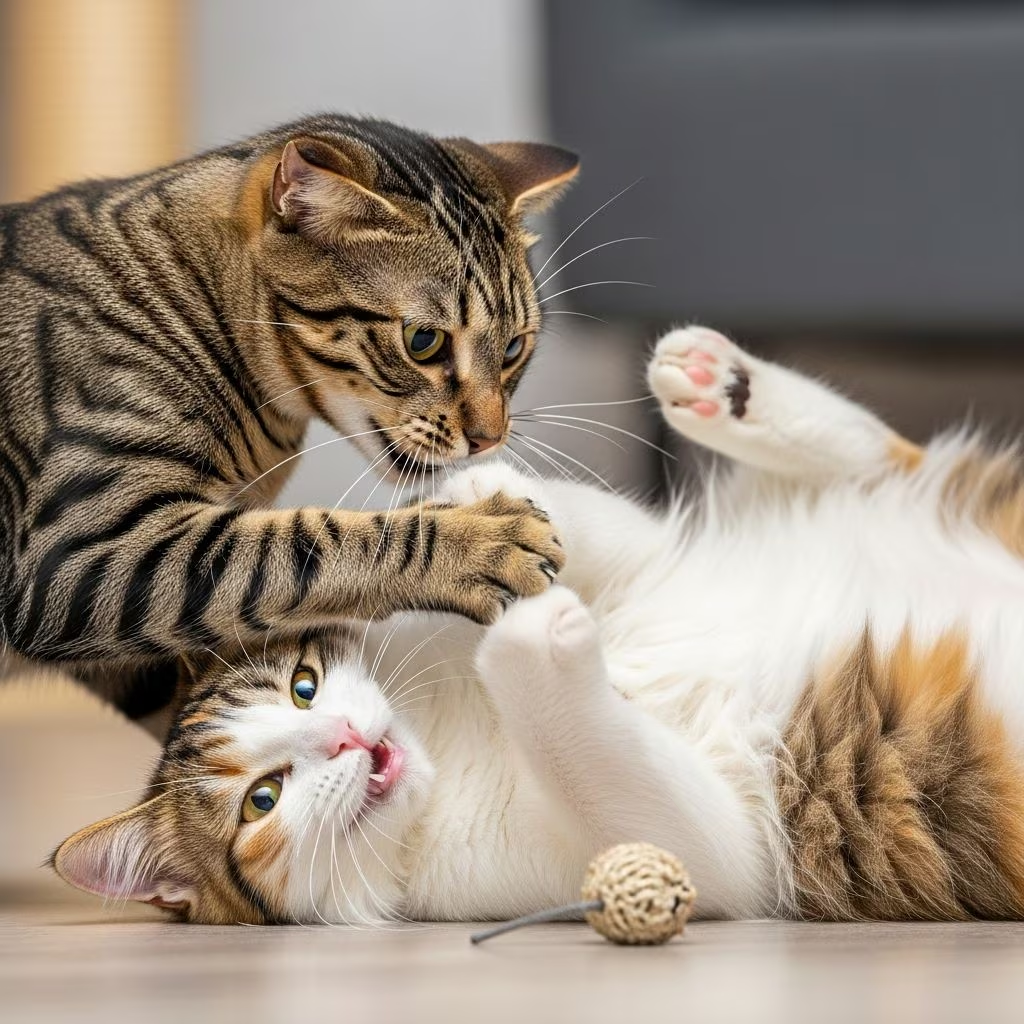
Play aggression is one of the most common behavioral issues cat owners encounter, particularly with young cats and kittens. This natural behavior stems from a cat’s predatory instincts but can become problematic when directed at humans or household items, leading to scratches, bites, and frustration. Understanding the root causes—such as under-stimulation, early weaning, or lack of proper socialization—allows owners to redirect this energy effectively, fostering a safer environment without punishment.
Unlike true aggression driven by fear or pain, play aggression is typically playful in intent, mimicking hunting sequences like stalking, pouncing, and biting. It peaks in cats under two years old but can persist in adults lacking outlets for energy. Early intervention is key to preventing escalation and strengthening the human-cat bond.
What Is Play Aggression in Cats?
Play aggression in cats refers to intense, rough play that incorporates predatory behaviors such as chasing, ambushing, batting, and grabbing. While normal for developing physical coordination and hunting skills, it becomes an issue when cats direct it toward people, causing unintended injuries. Kittens learn bite inhibition and play limits from littermates; those separated too early often fail to moderate their actions, leading to harder bites and scratches.
This behavior is most prevalent in cats under 2 years, especially singles without feline companions. Components include dilated pupils, twitching tails, and sudden attacks on moving objects like feet or hands. Though not malicious, it can damage furniture or harm owners if unchecked.
Causes of Play Aggression in Cats
Several factors contribute to play aggression. Primary causes include:
- Early weaning or orphaning: Kittens need littermates to learn social cues; without them, they don’t develop bite inhibition.
- Boredom and under-stimulation: Cats left alone for long periods without play opportunities build excess energy, channeling it into aggressive play.
- Inappropriate human play: Encouraging cats to attack hands or feet teaches them human body parts are toys, worsening behavior as they grow.
- Lack of socialization: Cats not exposed to varied stimuli or playmates may overreact during interactions.
- Excess energy: Young, active cats without outlets like toys or climbing structures resort to ambushing owners.
Medical issues like hyperthyroidism or pain can mimic play aggression, so veterinary checks are essential.
Signs of Play Aggression in Cats
Recognizing early warning signs prevents escalation. Key indicators include:
- Dilated pupils and intense staring, signaling high arousal.
- Lashing or twitching tail, flattened ears, and crouched body posture.
- Sudden pouncing, biting, or scratching at feet, hands, or legs.
- Leaping from hiding spots or batting at moving objects relentlessly.
- Vocalizing with chirps, growls, or hisses during play.
These differ from fear aggression (hissing, hiding) or petting-induced aggression (sudden bites after stroking). Play aggression often occurs during dawn/dusk ‘zoomies’ when cats are most active.
Is Play Aggression Dangerous?
While rarely life-threatening, play aggression can cause painful scratches, bites, and infections, especially from unsheathed claws. For vulnerable individuals like children, elderly, or immunocompromised people, injuries risk deeper harm. Unchecked, it may evolve into habitual aggression or stress-related issues like urine marking. In multi-cat homes, it can spark real fights. Prompt management minimizes risks and preserves trust.
How to Stop Play Aggression in Cats
Managing play aggression requires consistency, redirection, and enrichment. Avoid physical punishment, which heightens fear and reactivity. Strategies include:
- Interactive play sessions: Use wand toys, laser pointers, or balls 15-20 minutes twice daily to tire cats and satisfy instincts.
- Ignore unwanted behavior: Withdraw attention immediately if bitten; return after calm. This teaches boundaries.
- Provide toys: Offer kicking toys, tunnels, and puzzle feeders to redirect energy solo.
- Environmental enrichment: Install cat trees, window perches, and catios for stimulation.
- Time-outs: Place in carrier or separate room briefly for intense episodes, without anger.
Schedule play before meals to mimic hunting. For multi-cat issues, separate during high-energy times.
Play Aggression in Kittens vs. Adult Cats
| Aspect | Kittens (Under 1 Year) | Adults (Over 2 Years) |
|---|---|---|
| Frequency | Daily, multiple sessions; peaks at 4-10 months. | Less frequent but persistent if unaddressed. |
| Intensity | High energy, short bursts; learns quickly. | Stronger bites/claws; habituated patterns. |
| Causes | Socialization gaps, teething. | Boredom, unmet needs. |
| Management | Play with littermates/toys; positive reinforcement. | Enrichment, routine; vet check. |
Kittens outgrow it with guidance; adults need sustained effort.
When to See a Vet for Play Aggression
Consult a vet if aggression appears suddenly, persists post-management, or accompanies symptoms like weight loss, lethargy, or vocalizing. Rule out pain, hyperthyroidism, or neurological issues. A behaviorist referral follows if needed. Spaying/neutering reduces intensity in some cases.
Preventing Play Aggression in Cats
Prevention starts early:
- Adopt kittens in pairs for socialization.
- Use toys, never hands/feet for play.
- Provide daily enrichment and routine.
- Socialize broadly before 12 weeks.
- Monitor for overstimulation cues.
Consistent rules across household members ensure success.
Frequently Asked Questions (FAQs)
What age do cats outgrow play aggression?
Most outgrow it by 2 years with proper management, though singles may continue longer.
Why does my cat bite me during play?
It’s often poor bite inhibition from early weaning or reinforced hand play.
Is play aggression the same as real aggression?
No; play involves loose body language and no intent to harm, unlike defensive postures in true aggression.
Can play aggression lead to injuries?
Yes, scratches and bites can infect; supervise children and redirect promptly.
How much play do cats need daily?
20-30 minutes of interactive play, split into sessions, plus solo toys.
References
- Play and Predatory Aggression in Cats — VCA Animal Hospitals. 2023. https://vcahospitals.com/know-your-pet/play-and-predatory-aggression-in-cats
- Aggression in Cats — ASPCA. 2024. https://www.aspca.org/pet-care/cat-care/common-cat-behavior-issues/aggression-cats
- Feline Behavior Problems: Aggression — Cornell University College of Veterinary Medicine. 2023. https://www.vet.cornell.edu/departments-centers-and-institutes/cornell-feline-health-center/health-information/feline-health-topics/feline-behavior-problems-aggression
- Understanding Feline Play and Play Aggression — Express Vets North Woodstock. 2024. https://www.expressvetswoodstock.com/blog/understanding-feline-play-and-play-aggression-express-vets-north-woodstock
- Rough Play (Play Aggression) — Hawaiian Humane Society. 2020-12-01. https://www.hawaiianhumane.org/wp-content/uploads/2020/12/Feline-Behavior-Resources-Rough-Play-Play-Aggression.pdf
- Cat Aggression: Fighting, Biting, and Attacking — PetMD. 2024. https://www.petmd.com/cat/behavior/cat-aggression-fighting-biting-and-attacking
- How to Stop Play Aggression in Cats — Cat Behavior Associates. 2023. https://catbehaviorassociates.com/how-to-stop-play-aggression-in-cats/



