

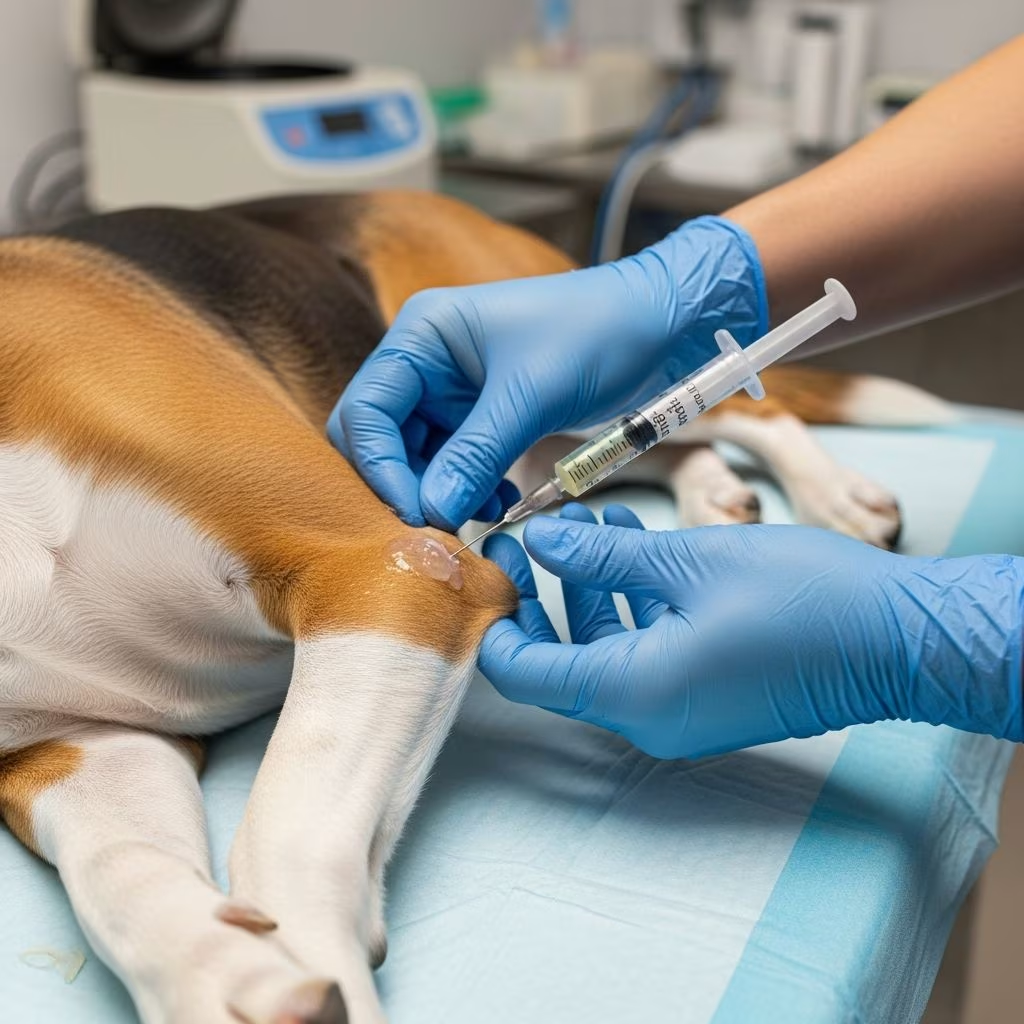
Understanding Platelet-Rich Plasma Therapy for Pets
Platelet-rich plasma (PRP) therapy represents an innovative approach to treating various injuries and inflammatory conditions in companion animals. This regenerative medicine technique harnesses the healing power of a pet’s own blood components to promote tissue repair and reduce pain. As veterinary medicine continues to evolve, PRP therapy has gained recognition as a safe, effective, and natural alternative to traditional pharmaceutical interventions for certain orthopedic and soft tissue conditions.
What is Platelet-Rich Plasma?
Platelet-rich plasma is a concentrated form of blood plasma that contains significantly elevated levels of platelets and growth factors compared to whole blood. The blood is processed through specialized equipment, typically using centrifugation, which spins samples at high speeds to separate different fluid components. This process extracts and concentrates the platelets, which are blood cells naturally responsible for forming clots and initiating the healing process. Within approximately 20 minutes, the centrifugation process creates a product rich in bioactive proteins and growth factors that support tissue regeneration.
The platelets found in whole blood contain numerous healing growth factors and bioactive proteins that initiate tissue healing and assist with inflammation management. By concentrating these natural healing components, veterinarians can deliver high doses of the body’s own healing factors directly to injured or inflamed areas. This makes PRP an affordable and natural alternative to pharmaceutical drugs and steroids, utilizing the body’s inherent regenerative capabilities.
How PRP Works: The Mechanism of Action
The therapeutic effectiveness of PRP lies in its ability to stimulate the body’s natural healing response at the cellular level. When PRP is injected into an injured area, the concentrated growth factors work through several interconnected mechanisms to promote recovery.
The growth factors present in PRP reduce the expression of inflammatory cytokines, such as IL-1 and TNF-alpha, which dampens the neutrophil response and the production of destructive matrix metalloproteinases (MMPs). By modulating inflammation in this way, PRP creates an optimal environment for healing. Additionally, these growth factors encourage proliferation and differentiation of resident cells, promoting the formation of new healthy tissue. The goal is that the body’s natural healing response is significantly enhanced by delivering this high concentration of growth factors directly to the site of injury.
This mechanism positions PRP as particularly effective for addressing orthopedic conditions and soft tissue injuries in veterinary patients. The therapy works with the body’s own biological systems rather than introducing foreign substances, which is why it is considered both safe and effective.
PRP Treatment Process and Administration
The PRP treatment process involves several straightforward steps that veterinarians follow to ensure optimal therapeutic outcomes.
Blood Collection and Processing
The first step involves drawing blood from the pet, typically from a peripheral vein. The collected blood is then processed using specialized centrifuge equipment designed for veterinary use. The Companion Regenerative Therapies (CRT) PurePRP® kit represents one of the most advanced platelet concentrating systems available in the veterinary market today. This system has been specifically validated for use in canine patients and provides optimal platelet concentration while effectively removing more than 95% of red blood cells and 85% of neutrophils.
Administration Methods
PRP is typically administered through injection directly to the area of injury. The specific administration method depends on the type and location of the condition being treated:
– Intra-articular injection: For joint conditions such as osteoarthritis or degenerative joint disease, the PRP is injected directly into the affected joint to treat pain and inflammation.- Soft tissue injection: For tendon and ligament injuries, the PRP is injected directly into the damaged tendon or ligament to promote healing.- Topical application: For wound care and skin conditions, the therapy is administered topically, similar to a wound dressing.
In many cases, bone marrow aspirate concentrate stem cells are combined with PRP for optimal treatment effects, creating a synergistic regenerative approach.
Clinical Applications of PRP in Veterinary Medicine
PRP therapy has proven beneficial across multiple veterinary medical disciplines, offering solutions for both acute injuries and chronic degenerative conditions.
Musculoskeletal Disorders
One of the primary applications of PRP is in treating musculoskeletal conditions in pets. PRP is used effectively for managing acute traumatic bone fractures, tendinopathies, cartilage pathologies, and osteoarthritis. In dogs suffering from osteoarthritis, PRP injections can significantly reduce pain and inflammation in affected joints, improving mobility and quality of life. Recent studies demonstrate that single-dose administration of allogeneic PRP has been reported as safe and effective in managing canine osteoarthritis.
For cats suffering from degenerative joint disease (DJD), research shows promising results. Studies indicate that significant improvements were noted in both functional mobility and pain scores following PRP injections, with no adverse events reported throughout treatment periods. These findings suggest that PRP therapy offers a valuable alternative to current treatment strategies for feline joint conditions.
Wound Healing and Dermatology
PRP demonstrates significant efficacy in promoting wound healing across various types of injuries. Autologous PRP has been found beneficial for treating large cutaneous defects and accelerating delayed wound healing. The leucocyte-rich PRP formulation exhibits antibacterial activity due to high concentrations of white blood cells, making it ideal for managing chronic wounds and cutaneous ulcers.
Veterinarians often recommend topical application of autologous PRP with repetition after two weeks, considering that the half-life of platelets in dogs is approximately 10 days. This protocol typically involves injecting 0.5 ml PRP into the wound with a specialized needle via the intradermal route to hasten the healing process.
Ophthalmological Conditions
In veterinary ophthalmology, PRP is used for managing various corneal conditions. Veterinarians employ three primary forms of PRP administration for eye conditions:
– Drop form: The ocular surface is treated using topical autologous PRP drops- Injectable form: The PRP is injected via the subconjunctival or intrastromal route- Clot form: Platelet-rich clot is used to ensure that platelets and growth factors are retained, with the eye covered with the third eyelid
PRP proves effective for corneal ulcers, corneal erosion, alkali burns, and keratoconjunctivitis sicca, offering both monotherapy and adjunctive treatment options.
Benefits and Advantages of PRP Therapy
PRP therapy offers numerous advantages for pet owners and veterinarians seeking advanced treatment options:
– Natural healing approach: Uses the pet’s own biological components, minimizing adverse reactions- Non-surgical procedure: Administered through simple injections without requiring invasive surgery- Cost-effective: Represents an affordable regenerative medicine option compared to other advanced treatments- Safe profile: Studies have consistently reported no adverse events or complications with proper administration- Reduced pain: Clinical evidence demonstrates significant pain reduction in affected joints and tissues- Enhanced mobility: Pets experience improved joint function and movement after treatment- Natural alternative: Offers an option to reduce reliance on pharmaceutical drugs and steroids
Clinical Evidence and Research Outcomes
Recent veterinary research provides compelling evidence supporting PRP therapy’s effectiveness. In a pilot study examining PRP treatment for feline degenerative joint disease, researchers observed a significant decrease in pain and disability over a six-week period following intra-articular autologous PRP injections. Both owner-perceived functional mobility scores and clinician-assessed pain scores showed significant improvements, with measurements indicating enhanced joint function and reduced pain.
The data presented in recent studies suggest that autologous PRP prepared with the CRT system effectively concentrates platelet concentration to therapeutic levels, as demonstrated by significant improvements in functional mobility and pain scores. Both studies showed a 151–187% increase in platelet concentration and significantly reduced red blood cell and neutrophil concentration from baseline whole blood on average.
Importantly, degenerative joint disease is a common cause of pain and discomfort in older cats, with some studies reporting that the condition affects up to 90% of the aging feline population. This prevalence underscores the importance of effective treatment options like PRP that can improve both feline quality of life and the pet-owner bond.
Conditions Treated with PRP Therapy
PRP therapy is utilized across a diverse range of veterinary conditions, demonstrating its versatility as a regenerative medicine approach:
| Condition Category | Specific Conditions | Application Method |
|---|---|---|
| Joint Disorders | Osteoarthritis, Degenerative Joint Disease | Intra-articular injection |
| Soft Tissue Injuries | Tendinopathies, Ligament tears, Muscle injuries | Direct tissue injection |
| Wound Care | Chronic wounds, Cutaneous ulcers, Burns | Topical application |
| Bone Conditions | Fractures, Bone defects | Direct injection/scaffold |
| Eye Conditions | Corneal ulcers, Erosions, Keratoconjunctivitis | Topical drops, injection, clot |
Safety Profile and Adverse Events
The safety profile of PRP therapy is one of its most significant advantages. Clinical studies have consistently reported no adverse events throughout treatment courses, even with repeated administrations. Because PRP utilizes the patient’s own blood components, the risk of allergic reactions or immune system rejection is virtually eliminated. This makes PRP an exceptionally safe regenerative medicine option suitable for pets with multiple health conditions or sensitivities to medications.
Furthermore, PRP can be used as a protective treatment in canines receiving intra-articular lidocaine injection, as in vivo studies have confirmed that treatment with PRP can ameliorate lidocaine-induced cytotoxicity in canine chondrocytes. This demonstrates PRP’s potential to work synergistically with other treatment modalities while providing protective benefits.
Frequently Asked Questions About PRP for Pets
Q: How long does it take to see results from PRP therapy?
A: Most pets begin showing clinical improvements within 4 to 6 weeks following PRP injection. Significant improvements in pain scores and functional mobility have been documented at the 4-week and 6-week timepoints, with continued benefits potentially extending beyond this initial period.
Q: How many PRP treatments will my pet need?
A: The number of treatments depends on the specific condition and individual pet response. For topical wound applications, veterinarians often recommend repetition after two weeks to capitalize on the healing process. For joint injections, treatment protocols may vary based on the pet’s response and the veterinarian’s recommendations.
Q: Is PRP therapy suitable for all pets?
A: PRP therapy is suitable for most pets, including dogs and cats of various ages. However, your veterinarian will evaluate your pet’s specific condition, overall health status, and medical history to determine whether PRP is appropriate. The therapy is particularly beneficial for older pets suffering from chronic joint conditions.
Q: Can PRP be combined with other treatments?
A: Yes, PRP can often be combined with other treatment modalities for enhanced therapeutic effects. Bone marrow aspirate concentrate stem cells are frequently administered in combination with PRP for optimal results. Additionally, PRP can work synergistically with physical rehabilitation and other pain management strategies.
Q: How does PRP compare to steroid injections?
A: Unlike steroid injections that suppress inflammation, PRP works by enhancing the body’s natural healing response through growth factors and bioactive proteins. PRP offers a natural alternative that addresses underlying tissue damage while avoiding potential side effects associated with long-term steroid use.
Q: What is the cost of PRP therapy?
A: PRP therapy is considered a cost-effective regenerative medicine option compared to many other advanced veterinary treatments. Costs vary based on the specific condition, treatment area, and individual veterinary practice. Consult your veterinarian for specific pricing information.
Future Directions and Research
While current evidence supports PRP’s therapeutic potential, veterinary researchers continue investigating optimal treatment protocols and applications. Further research with larger sample sizes and longer follow-up periods is essential to fully ascertain the long-term benefits and establish comprehensive treatment guidelines for PRP in veterinary orthopedic conditions. As the field of regenerative medicine advances, PRP therapy is likely to play an increasingly important role in addressing various pet health conditions while maintaining the highest standards of safety and efficacy.
Conclusion
Platelet-rich plasma therapy represents a significant advancement in veterinary regenerative medicine, offering pet owners and veterinarians a safe, effective, and natural treatment option for various injuries and inflammatory conditions. By harnessing the healing power of concentrated platelets and growth factors, PRP therapy enhances the body’s natural healing response, promotes tissue repair, and reduces pain and inflammation. Whether used for managing degenerative joint disease in aging pets, promoting wound healing, or addressing orthopedic injuries, PRP continues to demonstrate its value as a versatile treatment modality. As research continues and treatment protocols become more refined, PRP therapy will likely remain at the forefront of veterinary regenerative medicine, improving quality of life for countless companion animals.
References
- The use of platelet rich plasma in the treatment of degenerative joint disease in cats — Frontiers in Veterinary Science. 2024-09-06. https://www.frontiersin.org/journals/veterinary-science/articles/10.3389/fvets.2024.1394055/full
- Platelet-Rich Plasma (PRP) Therapy for Pets — Ohio Pet Vet Kentown. 2024. https://ohiopetvetkentown.com/service/platelet-rich-plasma-prp-therapy/
- Platelet Rich Plasma – Veterinary Regenerative Medicine — Greenside Vets. 2024. https://www.stemcellsscotland.co.uk/veterinary-professionals/our-services/regenerative-medicine/platelet-rich-plasma
- Platelet Rich Plasma Therapy for Dogs: Is it Worth Trying PRP? — American Kennel Club. 2024. https://www.akc.org/expert-advice/health/platelet-rich-plasma-therapy-for-dogs/
- Therapeutic Potential of Platelet-Rich Plasma in Canine Medicine — National Center for Biotechnology Information/PubMed Central. 2022-12-10. https://pmc.ncbi.nlm.nih.gov/articles/PMC8791002/
- Platelet Rich Plasma (PRP) in Canine Orthopedics — University of Missouri Veterinary Health Center. 2024. https://vhc.missouri.edu/platelet-rich-plasma-prp-in-canine-orthopedics/



