
Platelet Issues In Cats: Signs, Causes, And Treatment Guide
Discover the essentials of platelet function in cats, from low counts causing bleeding risks to rare high counts and dysfunctions, with vet-backed insights.
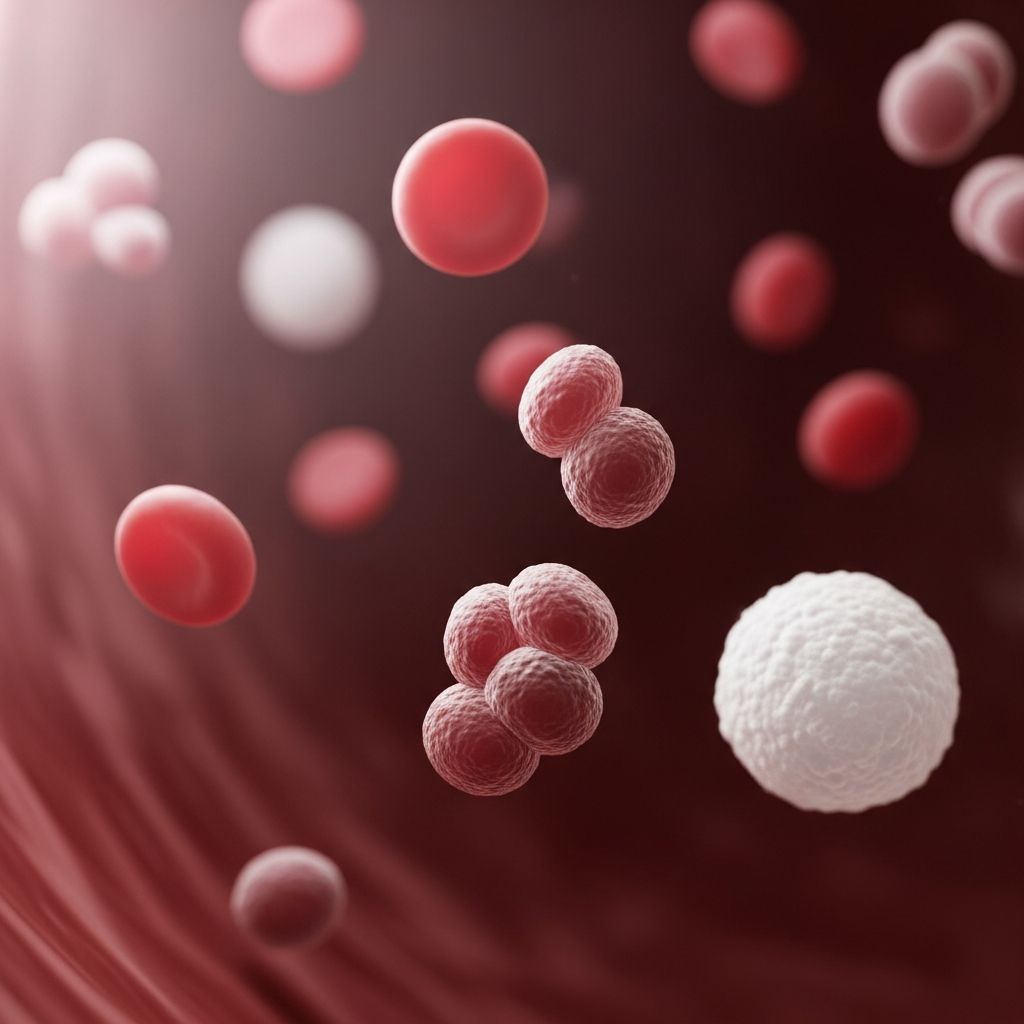
Platelets, also known as thrombocytes, play a vital role in a cat’s blood clotting process, helping to prevent excessive bleeding from injuries. Disruptions in platelet numbers or performance can lead to serious health complications, ranging from spontaneous bruising to life-threatening hemorrhages. This guide delves into the world of feline platelet disorders, explaining their mechanisms, identification, and care strategies to empower cat owners with knowledge.
The Fundamentals of Feline Platelets
In healthy cats, platelets are tiny cell fragments produced in the bone marrow that circulate in the bloodstream. Their primary job is to form clots at injury sites, sealing wounds and maintaining hemostasis. Normal platelet counts in cats range from about 200 to 500 x 10^9/L, though slight variations occur based on age, breed, and health status.
When platelet levels drop critically low—a condition called thrombocytopenia—the risk of bleeding skyrockets, even from minor trauma. Conversely, excessively high counts, or thrombocytosis, are uncommon and often signal underlying issues like chronic inflammation or iron deficiency from prolonged blood loss. Beyond numbers, platelets must function correctly; defects here, termed thrombopathia, impair clotting despite adequate counts.
Recognizing Signs of Platelet Problems
Early detection hinges on spotting subtle changes. Cats with platelet deficiencies may show no symptoms initially, but as issues progress, visible cues emerge:
- Petechiae: Tiny red spots on gums, skin, or whites of eyes from minor vessel leaks.
- Ecchymosis: Larger purple bruises appearing without apparent cause.
- Prolonged bleeding: From cuts, injections, or nail trims that won’t stop.
- Pale mucous membranes: Indicating anemia from blood loss.
- Ocular issues: Blood in the eye’s front chamber (hyphema) or retinal bleeding.
- Melena or hematuria: Dark, tarry stools or bloody urine from internal bleeds.
In severe cases, spontaneous internal bleeding can occur, leading to weakness, lethargy, or collapse. High platelet counts rarely cause symptoms but may contribute to unwanted clots.
Primary Causes of Low Platelet Counts
Thrombocytopenia in cats stems from several pathways, often requiring veterinary investigation to pinpoint:
| Category | Examples | Mechanism |
|---|---|---|
| Decreased Production | Bone marrow suppression from drugs, toxins, cancer (e.g., leukemia, lymphoma), or viral infections like FeLV | Impaired megakaryocyte function halts new platelet release |
| Increased Destruction | Immune-mediated (ITP), where antibodies target platelets | Immune system attacks circulating platelets, often primary or secondary to infections |
| Consumption/Sequestration | DIC, massive hemorrhage, enlarged spleen trapping platelets | Excessive clotting or organ storage depletes blood levels |
Infections such as feline leukemia virus (FeLV), panleukopenia, or ehrlichiosis frequently trigger low counts by suppressing marrow or inciting immune responses. Cancerous infiltrations in bone marrow or spleen further exacerbate depletion. Studies note that true thrombocytopenia affects only about 7-8% of suspected cases after slide review, as automated counters often mistake clumps for low counts.
Rare Instances of Elevated Platelets
Thrombocytosis, an overabundance of platelets, is infrequent in felines. It may arise reactively from iron-deficient anemia due to chronic bleeding, bone marrow hyperactivity, or inflammatory states. Idiopathic cases exist, but most tie back to compensatory mechanisms. Unlike low counts, high levels pose clotting risks rather than bleeding, though clinical signs are subtle.
Platelet Dysfunction: When Numbers Aren’t Enough
Even with normal counts, faulty platelet activity can cause bleeding tendencies. Common culprits include:
- Aspirin toxicity: Inhibits platelet aggregation; never administer without vet approval.
- Von Willebrand disease: Genetic lack of clotting protein affecting platelet adhesion, though rarer in cats.
- Hereditary defects: Chédiak-Higashi syndrome in blue smoke Persians (giant platelets, poor granule release); Glanzmann thrombasthenia (glycoprotein defects); storage pool deficiencies.
These congenital issues manifest as prolonged bleeding post-surgery or trauma, often with abnormal blood smear findings like giant platelets.
Veterinary Diagnosis Approaches
Diagnosis starts with a thorough history and physical exam, checking for bruises, petechiae, and gum color. Key tests include:
- Complete Blood Count (CBC): Quantifies platelets, rules out anemia or infection.
- Blood Smear: Manual count detects clumping (common artifact in cats causing false lows) and morphology.
- Coagulation Panel: Assesses clotting times for DIC or rodenticides.
- Anti-Platelet Antibodies: Confirms immune-mediated causes.
- Bone Marrow Aspiration: Evaluates production issues from cancer or infection.
Average thrombocytopenic counts hover around 112 x 10^9/L versus 354 x 10^9/L in normals. Clumping at smear edges is a critical check.
Treatment Strategies for Platelet Disorders
Tailored to the root cause, therapies aim to stabilize, boost counts, and address triggers:
- Supportive Care: Hospitalization for transfusions of platelet-rich plasma in critical hemorrhage.
- Immunosuppressants: Prednisolone or similar for ITP, often tapered over months.
- Antibiotics/Antivirals: Target infections like FeLV or ehrlichiosis.
- Cancer Therapies: Chemo, surgery, radiation for malignancies.
- Splenectomy: Rare, for sequestration.
Recovery timelines vary: infections may resolve in 4 weeks, while ITP could need lifelong management.
Daily Management and Home Care
Post-treatment, minimize risks:
- Keep indoors to avoid injuries.
- Monitor for new bruises, appetite, energy, urine/stool changes.
- Avoid NSAIDs like aspirin.
- Regular vet check-ups with bloodwork every 6-12 months.
Breeders should screen for FeLV/FIV.
Prevention Insights for Cat Owners
Not all cases are avoidable, but proactive steps help: Vaccinate against panleukopenia, test for FeLV/FIV routinely, avoid toxins/meds without guidance, and maintain annual exams. Early detection via blood screening catches issues before crises.
Frequently Asked Questions (FAQs)
What platelet count is dangerously low in cats?
Below 50-100 x 10^9/L increases bleeding risk significantly.
Can low platelets be asymptomatic?
Yes, until severe; routine tests are key.
Is thrombocytopenia curable?
Depends on cause—treatable for infections, manageable for immune issues.
Why do cats get platelet clumps in tests?
Natural tendency; always confirm with smear.
Are certain breeds prone to platelet defects?
Persians for Chédiak-Higashi.
References
- Platelets of Cats – Cat Owners – Merck Veterinary Manual — Merck & Co. 2023. https://www.merckvetmanual.com/cat-owners/blood-disorders-of-cats/platelets-of-cats
- Low Platelets in Cats – PetMD — PetMD. 2024. https://www.petmd.com/cat/conditions/cardiovascular/low-platelets-cats
- The prevalence of thrombocytopenia in cats | VETgirl — VETgirl. 2023. https://vetgirlontherun.com/prevalence-thrombocytopenia-cats-vetgirl-veterinary-continuing-education-blog/
- Platelet disorders (Proceedings) – DVM360 — DVM360. 2022. https://www.dvm360.com/view/platelet-disorders-proceedings
- Platelet Disorders in Animals – Circulatory System – Merck Veterinary Manual — Merck & Co. 2023. https://www.merckvetmanual.com/circulatory-system/hemostatic-disorders/platelet-disorders-in-animals
- Blood Smear Review: A Step-by-Step Guide to Platelets in Dogs and Cats — Today’s Veterinary Practice. 2023. https://todaysveterinarypractice.com/cytology/blood-smear-review-a-step-by-step-guide-to-platelets-in-dogs-and-cats/
- ACVIM consensus statement on the diagnosis of immune thrombocytopenia — PMC (Wiley). 2024. https://pmc.ncbi.nlm.nih.gov/articles/PMC11256148/
Similar Articles








Read full bio of medha deb




