

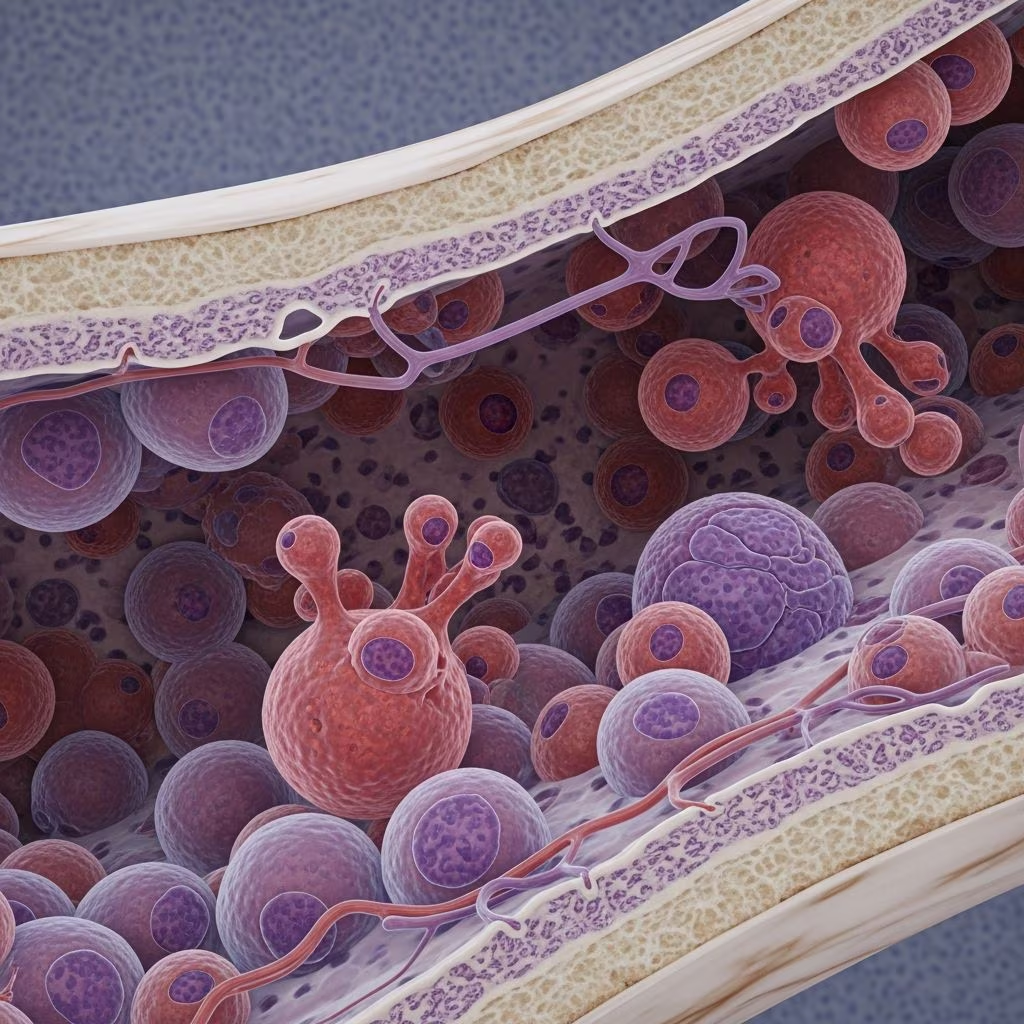
Plasma cell tumors represent a group of neoplasms originating from plasma cells, which are mature B-lymphocytes responsible for antibody production. In dogs, these tumors manifest in various forms, ranging from benign solitary lesions to aggressive systemic diseases like multiple myeloma. Early recognition and intervention are crucial for optimizing outcomes, as treatments such as chemotherapy can significantly extend survival times.
Understanding the Biology of Plasma Cell Neoplasms
Plasma cells play a vital role in the immune system by secreting immunoglobulins. When these cells undergo malignant transformation, they proliferate uncontrollably, leading to tumor formation. Canine plasma cell tumors are classified into cutaneous plasmacytomas, oral plasmacytomas, and multiple myeloma, the latter involving bone marrow infiltration and systemic effects.
Solitary plasmacytomas, particularly those in the skin or non-osseous oral sites, often behave benignly with low metastatic potential. In contrast, multiple myeloma is a disseminated malignancy characterized by monoclonal gammopathy, lytic bone lesions, and potential organ dysfunction.
Common Clinical Presentations and Symptoms
Dogs with plasma cell tumors exhibit diverse symptoms depending on the tumor type and location. Solitary cutaneous plasmacytomas appear as raised, firm nodules on the skin, typically hairless and ulcerated, commonly affecting older dogs without breed predisposition.
- Cutaneous lesions: Multiple red to purple plaques or nodules, as seen in canine cutaneous plasmacytosis (CP), affecting up to 21 cases in studies with multifocal involvement.
- Multiple myeloma signs: Lameness (47%), lethargy (62%), bleeding tendencies (37%), eye issues (35%), increased thirst and urination (25%), reflecting hypercalcemia, anemia, and renal impairment.
- Systemic effects: Bone pain, fractures, hyperviscosity syndrome (HVS) causing bleeding diathesis, and Bence Jones proteinuria leading to kidney damage.
Owners often notice non-healing skin lumps, limping, pale gums, or unexplained weight loss, prompting veterinary evaluation.
Diagnostic Approaches for Accurate Identification
Diagnosis begins with a thorough physical exam, including fine-needle aspiration (FNA) of lesions revealing plasma cell morphology. For suspected multiple myeloma, comprehensive staging is essential.
| Diagnostic Test | Purpose | Key Findings |
|---|---|---|
| Bone marrow cytology | Assess infiltration | >5-10% plasma cells abnormal |
| Serum protein electrophoresis | Detect M-protein | Monoclonal gammopathy |
| Survey radiographs | Identify lytic lesions | Bone punched-out areas |
| Urine electrophoresis | Check Bence Jones proteins | Light chain proteinuria |
| Abdominal ultrasound | Evaluate viscera/nodes | Metastases detection |
Immunofixation confirms monoclonality, while complete blood count (CBC) reveals anemia or thrombocytopenia. Advanced imaging like CT enhances bone lesion detection.
Treatment Strategies: From Surgery to Chemotherapy
Treatment selection hinges on tumor extent. Solitary plasmacytomas respond excellently to surgical excision, with recurrence rates under 5% and metastasis at 2%, obviating adjuvant therapy.
For multifocal or systemic disease, chemotherapy dominates. Alkylating agents like melphalan combined with prednisone yield overall response rates (ORR) of 73.7%, with complete responses (CR) in several cases. Median progression-free interval (PFI) post-first treatment is 153 days, and overall survival (OS) reaches 542 days.
- Melphalan + Prednisone: First-line oral protocol, ORR 72-74%, median PFI 143 days.
- Lomustine (CCNU): Single-agent ORR 71.4%, often with prednisone.
- Cyclophosphamide: ORR 40%, useful for hypercalcemia or thrombocytopenia.
- Doxorubicin or combinations: Rescue options with variable PFI.
Radiation therapy aids local control in inoperable plasmacytomas or bone pain palliation. Surgery suits solitary lesions.
Supportive Care and Managing Complications
Beyond primary therapy, supportive measures enhance quality of life. Bisphosphonates like pamidronate inhibit bone resorption, alleviating pain and hypercalcemia. Fluid therapy corrects dehydration and electrolytes in renal-compromised dogs.
For HVS, plasmapheresis removes excess proteins, resolving bleeding issues. Pain management with analgesics, nutritional support, and anti-inflammatories like prednisone are standard. In hypercalcemia, diuretics or calcitonin provide rapid relief.
Prognosis and Long-Term Outcomes
Prognosis varies by type. Solitary plasmacytomas offer excellent long-term control post-excision. Cutaneous plasmacytosis shows fair to good outcomes, with 9/21 dogs alive at 519 days median follow-up.
Multiple myeloma yields 80-95% initial chemotherapy response within 3-6 weeks, but durable remissions are rare. Median OS with melphalan/prednisone is favorable compared to untreated cases. Factors like bone marrow burden and hypercalcemia influence survival.
Emerging Therapies and Research Directions
Investigational approaches include bone marrow ablation with stem cell rescue, thalidomide, bortezomib, and targeted therapies, though veterinary data is limited. VAD (vincristine, doxorubicin, dexamethasone) serves as rescue for relapsed cases. Ongoing studies aim to refine protocols for better PFI.
Frequently Asked Questions (FAQs)
What is the most common treatment for plasma cell tumors in dogs?
Chemotherapy with melphalan and prednisone is the mainstay for systemic disease, achieving high response rates.
Can plasma cell tumors be cured in dogs?
Solitary plasmacytomas are often cured surgically; multiple myeloma is managed chronically with median survival over 500 days.
Are there breed predispositions for these tumors?
No strong breed links, but older dogs are most affected across types.
How do I know if my dog has multiple myeloma?
Symptoms include lameness, bleeding, thirst; confirm via staging tests like electrophoresis and marrow exam.
What side effects occur with chemotherapy?
Most dogs tolerate well; monitor for GI upset, myelosuppression.
Pet owners should consult veterinary oncologists for tailored plans, as early intervention markedly improves prognosis.
References
- Canine Cutaneous Plasmacytosis: 21 Cases (2005–2015) — Wright ZM et al. Journal of Veterinary Internal Medicine. 2017-07-21. https://pmc.ncbi.nlm.nih.gov/articles/PMC5508321/
- Multiple Myeloma in Dogs — PetCure Oncology. Accessed 2026. https://petcureoncology.com/multiple-myeloma-in-dogs/
- Plasma Cell Neoplasms: Multiple Myeloma & Other Cancers — We Are The Cure. Accessed 2026. https://wearethecure.org/learn-more-about-canine-cancer/canine-cancer-library/plasma-cell-neoplasms/
- Multiple Myeloma in Dogs — PetMD. Accessed 2026. https://www.petmd.com/dog/conditions/cancer/multiple-myeloma-dogs
- Multiple Myeloma and Plasma Cell Tumors — Fenton River Veterinary Hospital. Accessed 2026. https://www.fentonrivervet.com/wp-content/uploads/Multiple_Myeloma_and_Plasma_Cell_Tumors.pdf



