

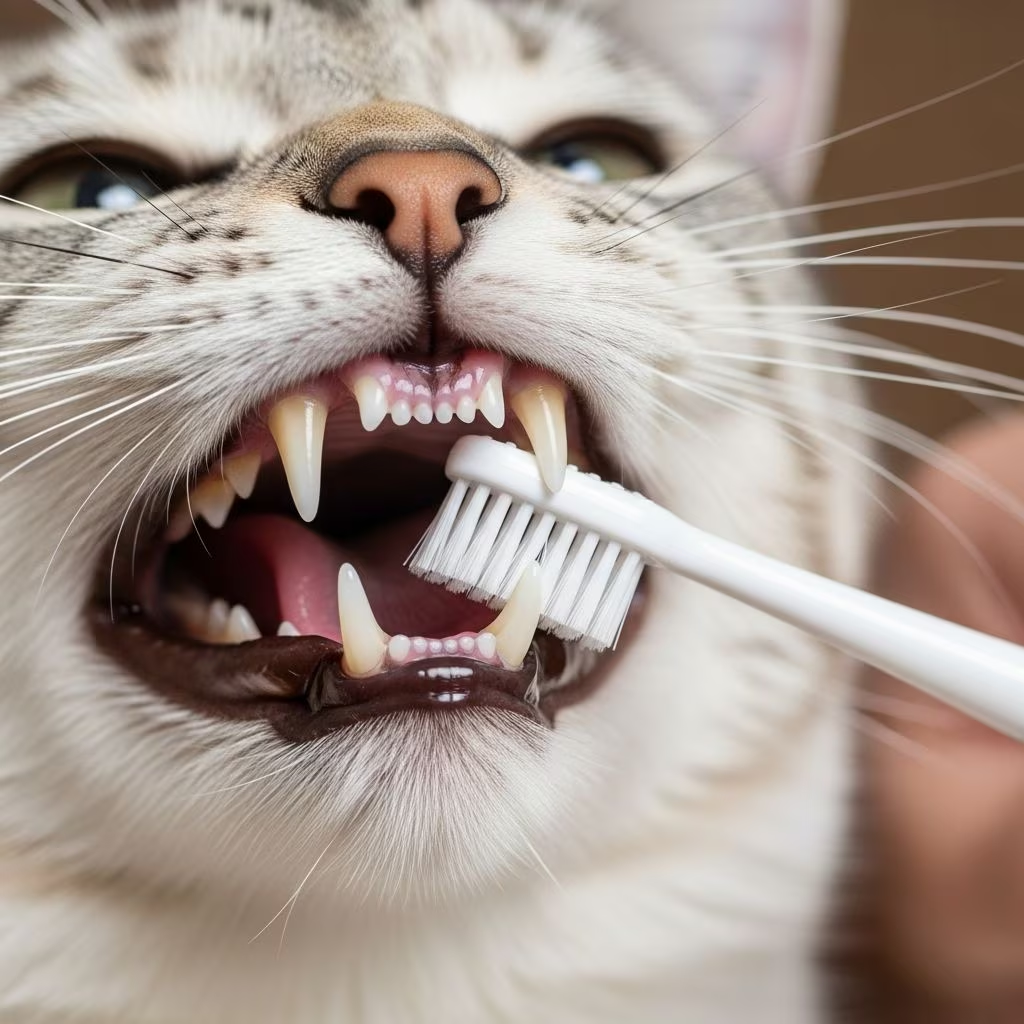
Understanding Plaque and Tartar in Cats
Plaque and tartar buildup is one of the most common dental problems affecting cats today. Plaque is a sticky film of bacteria that forms on your cat’s teeth throughout the day, while tartar (also called calculus) is hardened plaque that has accumulated and mineralized over time. When left untreated, these deposits can lead to serious dental disease, including gingivitis, periodontitis, and tooth loss. The good news is that plaque and tartar formation is largely preventable with a comprehensive approach to feline dental care.
Many cat owners are unaware that their pets require active dental maintenance, much like humans do. Without proper care, cats can develop painful oral conditions that affect their eating habits, overall health, and quality of life. Understanding the causes and prevention methods for plaque and tartar is essential for every responsible cat owner.
Why Plaque and Tartar Prevention Matters
Dental disease in cats is more than just a cosmetic concern. When plaque accumulates on teeth and below the gum line, it creates an environment where harmful bacteria thrive. This bacterial activity leads to inflammation of the gums (gingivitis) and can progress to more severe periodontal disease that damages the tissues supporting the teeth. Cats with advanced dental disease often experience pain when eating, may have difficulty chewing, and can develop infections that spread to other parts of the body.
Professional studies have shown that preventive measures, particularly regular tooth brushing, can significantly reduce the risk of dental disease in cats. By implementing a proactive dental care routine, cat owners can help their pets avoid expensive veterinary dental procedures, maintain their natural teeth longer, and ensure better overall health and comfort.
Daily Tooth Brushing: The Foundation of Dental Care
Tooth brushing is the most effective method for removing plaque and preventing tartar accumulation in cats. Daily brushing is the ideal recommendation, as it removes soft plaque before it has a chance to harden into tartar. However, recognizing that daily brushing may not be realistic for all cat owners, veterinarians suggest that brushing at least three to four times per week can still provide significant benefits for your cat’s oral health.
Getting Your Cat Accustomed to Brushing
Introducing tooth brushing to your cat requires patience and a gradual approach. The earlier you start this routine, the easier it will be for your cat to accept it as part of their normal care regimen. If you have a kitten, begin by gently rubbing your fingers around their mouth and teeth to desensitize them to having their mouth handled. This initial familiarization phase is crucial for long-term success.
Start by letting your cat smell and taste cat-specific toothpaste, which typically comes in flavors like chicken or fish that most cats find appealing. Apply just a small dab on your finger and allow your cat to lick it off. Once your cat is comfortable with the toothpaste, progress to introducing the toothbrush, finger brush, or gauze pad with toothpaste on it. Gently rub it against the outside of their teeth in small, slow circular motions, and be sure to massage the gums as well.
If your cat resists traditional tooth brushing, don’t be discouraged. Many cats find the sensation uncomfortable, and it’s important to preserve the trusting relationship with your pet. In these cases, alternative dental products and professional care become even more important.
Proper Brushing Technique
When brushing your cat’s teeth, focus on the outer surfaces of the teeth where plaque tends to accumulate most readily. Use gentle, circular motions rather than aggressive back-and-forth strokes. Always use toothpaste specifically formulated for cats—never use human toothpaste, as it may contain ingredients that are harmful if swallowed. The brushing process doesn’t need to be lengthy; even 30 seconds to one minute per session can be beneficial.
Professional Dental Cleanings
Regular professional dental cleanings performed by a veterinarian are an essential component of comprehensive plaque and tartar prevention. During a professional cleaning, your cat will be placed under general anesthesia for their safety and comfort. Your veterinarian will then remove plaque and tartar from both the visible surfaces of the teeth and, critically, from below the gum line where much of the harmful bacteria resides.
After removing plaque and tartar, your veterinarian will polish the teeth to smooth the surface and make it more difficult for plaque to reattach. This is also an opportunity for your vet to inspect your cat’s mouth thoroughly for signs of dental disease, tooth fractures, or other oral problems that might not be visible during a home examination. The frequency of professional cleanings depends on your cat’s individual dental health, but most cats benefit from annual or bi-annual cleanings.
Nutrition and Diet for Dental Health
The food your cat eats plays a significant role in their dental health. A well-balanced, high-quality diet provides the nutrients necessary for your cat’s immune system to fight off harmful bacteria and support the healing of gum tissues. Some cat foods are specifically formulated to support dental health through their texture and composition.
Dry Food and Dental Benefits
Dry kibble can provide some mechanical cleaning action as your cat chews, similar to how wild cats’ teeth are naturally cleaned through tearing apart prey and bones. The friction created by chewing hard food can help scrape away plaque and biofilm from the tooth surface. However, it’s important to note that not all cats are enthusiastic chewers, so the actual benefit depends on your individual cat’s eating habits. Some cats simply swallow kibble whole without much chewing, which reduces the dental benefits.
Prescription Dental Diets
For cats diagnosed with dental disease, your veterinarian may recommend a special prescription diet specifically designed to reduce bacterial growth and plaque accumulation in the mouth. These diets typically feature larger kibble pieces that encourage chewing or biting, creating increased abrasive action that helps clean the teeth naturally. These prescription diets often contain specific ingredients that inhibit bacterial growth and tartar formation.
Dental Products and Alternatives to Brushing
For cat owners who find traditional tooth brushing impractical, numerous dental products can help manage plaque and tartar between professional cleanings. The Veterinary Oral Health Council (VOHC) rigorously tests and endorses dental products for cats, making them a reliable source for identifying effective options.
Dental Treats and Chews
Quality dental treats are designed to help control plaque and tartar formation through both mechanical action and chemical ingredients. Look for dental treats containing ingredients that help de-mineralize plaque and tartar, as well as enzymes that fight bacteria. Sea kelp is one beneficial additive that helps fight tooth decay and bacteria while being palatable to most cats. Dental treats like Greenies and CET dental chews are commonly recommended by veterinarians and can be incorporated into your cat’s daily routine.
These treats work best when your cat actively chews them rather than swallowing them whole. Some cats are naturally more enthusiastic chewers than others, so the effectiveness varies among individual pets.
Dental Wipes and Gauze
Dental wipes offer an alternative to traditional toothbrushes and can be particularly beneficial for cats that resist brush bristles. These wipes remove soft plaque without the potential irritation of brush bristles and should be introduced gradually with positive reinforcement. You can also apply dental gels or oral rinses on a gauze pad and rub it inside your cat’s cheek or along the gums, which many cats tolerate better than brush-based cleaning.
Water Additives and Oral Rinses
Dental water additives and oral rinses that are spritzed inside your cat’s cheek provide another convenient option for cats that won’t tolerate brushing. These products typically contain ingredients that reduce bacterial growth and help prevent plaque formation. While less effective than brushing, they can still contribute meaningfully to your overall dental care strategy.
Barrier Sealants
Products like OraVet Barrier Sealant represent an innovative approach to plaque prevention. OraVet is a waxy polymer applied by your veterinarian after a professional dental cleaning that creates a protective barrier on the tooth surface. This barrier minimizes plaque and calculus accumulation for up to two weeks. An at-home application kit can be used weekly to maintain the sealant’s effectiveness, with studies showing up to a 22% reduction in calculus after 30 days of use.
Identifying Signs of Dental Disease
Regular home monitoring of your cat’s teeth and mouth is an important part of preventive care. Check your cat’s mouth regularly for signs of developing problems. Common indicators of dental disease include:
- Bad breath (halitosis)
- Visible plaque or tartar on teeth
- Red or swollen gums
- Bleeding from the mouth
- Difficulty eating or reduced appetite
- Excessive drooling
- Behavioral changes such as pawing at the mouth
If you notice any of these signs, schedule an appointment with your veterinarian promptly for a professional evaluation.
Creating a Comprehensive Dental Care Plan
The most effective approach to preventing plaque and tartar in cats involves combining multiple strategies tailored to your cat’s individual needs and tolerance. Your veterinarian can help you develop a comprehensive plan that may include:
- A daily or multi-weekly tooth brushing routine
- Regular professional dental cleanings (typically annual or bi-annual)
- A high-quality, balanced diet
- Dental treats or other approved dental products
- Regular home monitoring of oral health
- Consistent communication with your veterinary team
Starting preventive care early in your cat’s life makes a tremendous difference. Cats whose owners practice regular dental care from a young age have significantly lower rates of dental problems throughout their lives compared to cats whose owners begin preventive measures only after problems develop.
Professional Recommendations and Best Practices
Veterinary professionals emphasize that prevention is far more effective than treating advanced dental disease. Studies have shown that while cat owners generally have knowledge about the importance of dental care, the application of preventive measures remains lower than ideal. This gap between knowledge and practice often reflects the challenges of implementing routine dental care with cats that may resist handling.
Working closely with your veterinary team is essential. Your vet can demonstrate proper brushing techniques, recommend appropriate products for your cat’s specific situation, and monitor your cat’s dental health through regular examinations. Many veterinary clinics now offer educational resources and training programs to help cat owners develop effective dental care routines.
Frequently Asked Questions
Q: How often should I brush my cat’s teeth?
A: Ideally, daily brushing is recommended for optimal plaque prevention. However, brushing at least three to four times per week can still significantly improve your cat’s oral health and help prevent gum disease. Even twice-weekly brushing is better than sporadic efforts.
Q: What type of toothpaste should I use for my cat?
A: Always use toothpaste specifically formulated for cats. These come in flavors like chicken or fish that most cats find appealing. Never use human toothpaste, as it may contain fluoride and other ingredients that could be harmful if swallowed by your cat.
Q: Can I start dental care with an adult cat?
A: Yes, dental care can begin at any age. While starting with kittens makes the process easier, adult and senior cats can still adapt to dental care routines. Training programs and patient, gradual introduction can help even resistant cats become accustomed to brushing and other preventive measures.
Q: What should I do if my cat won’t tolerate tooth brushing?
A: If traditional brushing isn’t working, explore alternative options including dental treats, dental wipes, water additives, oral rinses, and barrier sealants. Combine these alternatives with regular professional cleanings to maintain your cat’s dental health.
Q: How much does professional dental cleaning for cats cost?
A: Professional dental cleaning costs vary by location and veterinary clinic, but investing in regular cleanings is far more economical than treating advanced dental disease. Ask your veterinarian about pricing and discuss the frequency recommended for your cat’s specific situation.
Q: Are dental treats alone sufficient for preventing plaque and tartar?
A: While dental treats can be helpful, they are most effective when combined with other preventive measures. Tooth brushing remains the gold standard for plaque removal. A comprehensive approach using multiple strategies provides the best protection against dental disease.
Conclusion
Preventing plaque and tartar buildup in cats requires a multifaceted approach combining daily dental hygiene, professional care, appropriate nutrition, and vigilant monitoring. By understanding the importance of dental health and implementing preventive measures early in your cat’s life, you can help ensure that your feline companion maintains healthy teeth and gums throughout their years. While some cats may resist certain dental care activities, the long-term benefits—including avoiding painful dental disease, expensive procedures, and potential systemic health complications—make these efforts well worthwhile. Work with your veterinary team to develop a customized dental care plan that works for your cat’s unique personality and lifestyle.
References
- 3 Vet-Recommended Steps to Prevent Dental Disease in Cats — Pumpkin Care. 2024. https://www.pumpkin.care/post/dental-care-for-cats
- Oral Health and Preventative Care — Civic Feline Clinic. 2024. https://www.civicfelineclinic.com/oral-health-and-preventative-care
- Dental Problems and Prophylactic Care in Cats—Knowledge, Attitudes, and Practices Among Cat Owners and Veterinary Care Staff — National Center for Biotechnology Information (NIH). 2022. https://pmc.ncbi.nlm.nih.gov/articles/PMC8469879/
- 5 Effective Ways To Care For Your Cat’s Oral and Dental Health — Animal Biome. 2024. https://www.animalbiome.com/blogs/cat/5-effective-ways-to-care-for-your-cat-s-oral-and-dental-health
- Brushing Alternatives for Cats – Animal Dental Care & Oral Surgery — WellPets. 2024. https://www.wellpets.com/blog/173-alternatives-to-brushing-cats-teeth/
- Preventing Dental Disease in Dogs and Cats — Colorado State University College of Veterinary Medicine and Biomedical Sciences. 2024. https://vetmedbiosci.colostate.edu/vth/animal-health/keeping-your-pets-teeth-clean-is-important-to-their-overall-health/



