

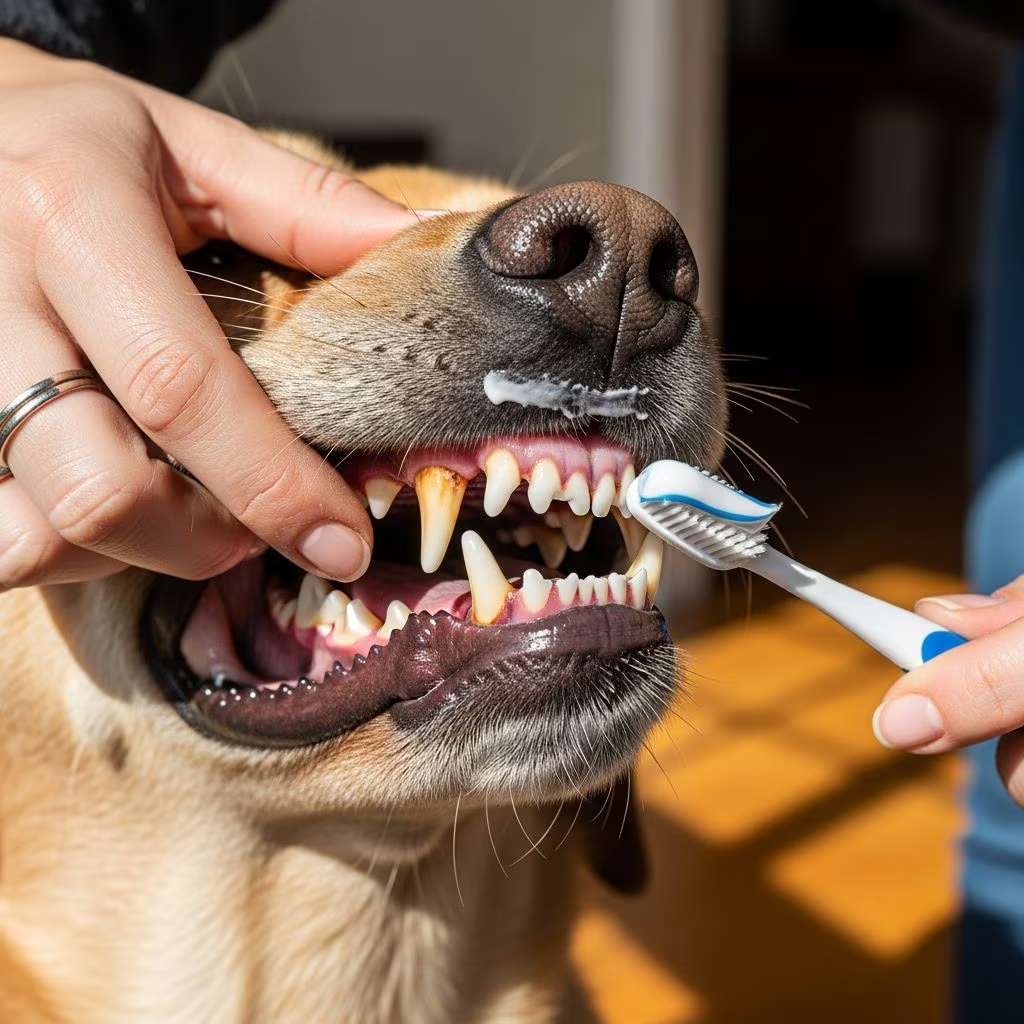
Plaque is a sticky bacterial film that forms on dogs’ teeth, leading to tartar buildup, gum disease, and potential systemic health issues if not addressed. Regular dental care is essential to maintain your dog’s oral health and overall well-being.
What is Plaque on Dogs’ Teeth?
Plaque is an invisible, sticky film composed of bacteria, food particles, and saliva that adheres to the tooth surface. It forms continuously in a dog’s mouth as bacteria feed on sugars and starches from food, multiplying and producing acids that harm enamel. Unlike tartar, which is hardened plaque, plaque can be removed with brushing before it mineralizes.
If plaque accumulates along the gumline, it causes inflammation known as gingivitis. Over time, it progresses to periodontal disease, damaging supporting structures like gums and bone. Small breeds and older dogs are particularly susceptible due to tooth crowding and prolonged exposure.
Why is Plaque Dangerous for Dogs?
Plaque poses significant risks beyond bad breath. It leads to gingivitis, characterized by red, swollen gums, and advances to periodontitis, where pockets form between teeth and gums, harboring more bacteria. In stage 4 periodontal disease, bone loss occurs, causing loose or missing teeth, severe pain, and irreversible damage.
Bacteria from plaque can enter the bloodstream, potentially affecting the heart, liver, kidneys, and other organs. Dental caries, though less common in dogs, can also develop as bacteria erode enamel, leading to cavities and tooth decay. Poor oral health contributes to difficulty eating, weight loss, and behavioral changes like irritability.
Signs Your Dog Has Plaque Buildup
- Bad breath (halitosis): Persistent foul odor from bacterial overgrowth.
- Discolored teeth: Yellow or brown buildup, especially near gums.
- Red, swollen, or bleeding gums: Early gingivitis signs.
- Drooling or pawing at mouth: Indicating pain or discomfort.
- Loose teeth or difficulty eating: Advanced periodontal disease.
- Visible tartar: Hard, crusty deposits above and below gumline.
Early detection through regular checks can prevent progression. Examine your dog’s mouth weekly for these symptoms.
How to Remove Plaque from Dog’s Teeth
Removing plaque requires a combination of professional and at-home methods. Professional cleanings are most effective for tartar, while daily home care targets plaque.
Professional Dental Cleaning
Veterinarians perform thorough cleanings under anesthesia, scaling plaque and tartar above and below the gumline, followed by polishing. X-rays detect hidden issues, and extractions may be needed for damaged teeth. Schedule annually or as recommended.
At-Home Removal Methods
- Brushing: Use dog-specific toothpaste and brush 2-3 times weekly, focusing on gumline. Finger brushes or dual-headed dog toothbrushes work well.
- Dental chews and toys: Abrasive textures mechanically scrape plaque. Choose VOHC-approved products.
- Rinses and gels: Add to water or apply directly to reduce bacteria.
| Method | Frequency | Benefits |
|---|---|---|
| Brushing | Daily/2-3x week | Removes plaque before hardening |
| Chews | Daily | Mechanical cleaning, satisfies chewing instinct |
| Professional | Annually | Removes tartar, full exam |
Preventing Plaque Buildup on Dog Teeth
Prevention focuses on disrupting plaque formation daily. Consistency is key to avoiding costly treatments.
- Dental diets: Prescription kibble with textured pieces scrubs teeth during chewing.
- Supplements and treats: Enzymes or fibers reduce bacteria adhesion.
- Regular vet check-ups: Early intervention prevents escalation.
- Water additives: Antimicrobial solutions inhibit plaque.
Start dental routines early, especially for puppies, to build habits. Genetics and diet influence risk, so tailor to your dog’s needs.
FAQs
Can plaque on dogs’ teeth cause serious health problems?
Yes, untreated plaque leads to periodontal disease, tooth loss, and bacteria spreading to organs like the heart and kidneys.
How often should I brush my dog’s teeth?
Ideally daily, but 2-3 times weekly is effective for plaque control using dog-safe products.
What is the difference between plaque and tartar?
Plaque is soft and removable by brushing; tartar is hardened mineralized plaque requiring professional removal.
Are dental chews enough to prevent plaque?
They help but should be combined with brushing and vet care for comprehensive prevention.
Do small dogs get more plaque?
Yes, small and brachycephalic breeds are prone due to tooth alignment and size.
Frequently Asked Questions
How can I tell if my dog has periodontal disease?
Look for bad breath, bleeding gums, loose teeth, and pain while eating. Stage 4 includes severe recession and bone loss.
Is anesthesia safe for dog dental cleanings?
Yes, when performed by qualified vets with pre-op assessments, it’s standard and safe.
Can diet alone prevent plaque?
Special dental diets aid prevention but work best with brushing and chews.
This guide empowers pet owners to safeguard their dog’s dental health. Implement these strategies for a happier, healthier companion.
References
- Understanding and Managing Plaque in Dogs: A Guide for Pet Parents — Sweden Care. 2023. https://us.swedencare.com/pet-life/understanding-and-managing-plaque-in-dogs-a-guide-for-pet-parents-/
- Stage 4 Periodontal Disease in Dogs: Symptoms & Treatment — Animal Dental AZ. 2024. https://animaldentalaz.com/stage-4-periodontal-disease-dogs/
- Dental Caries in Dogs: Symptoms, Causes, and Treatments — South Park Animal Hospital. 2023. https://www.southparkanimalhospitalsf.com/blog/dental-caries-in-dogs-symptoms-causes-and-treatments-south-park-animal-hospital
- Plaque, Tartar, & Calculus in Dogs & Cats: Prevention & Treatment — Vet Dentist WI. 2024. https://vetdentistwi.com/plaque-tartar-and-calculus-in-dogs-and-cats/
- Plaque and Tartar Prevention in Dogs — VCA Animal Hospitals. 2025. https://vcahospitals.com/know-your-pet/tartar-prevention-in-dogs
- Periodontal Disease — Cornell University College of Veterinary Medicine. 2024. https://www.vet.cornell.edu/departments-centers-and-institutes/riney-canine-health-center/health-topics/canine-health-information/periodontal-disease



