

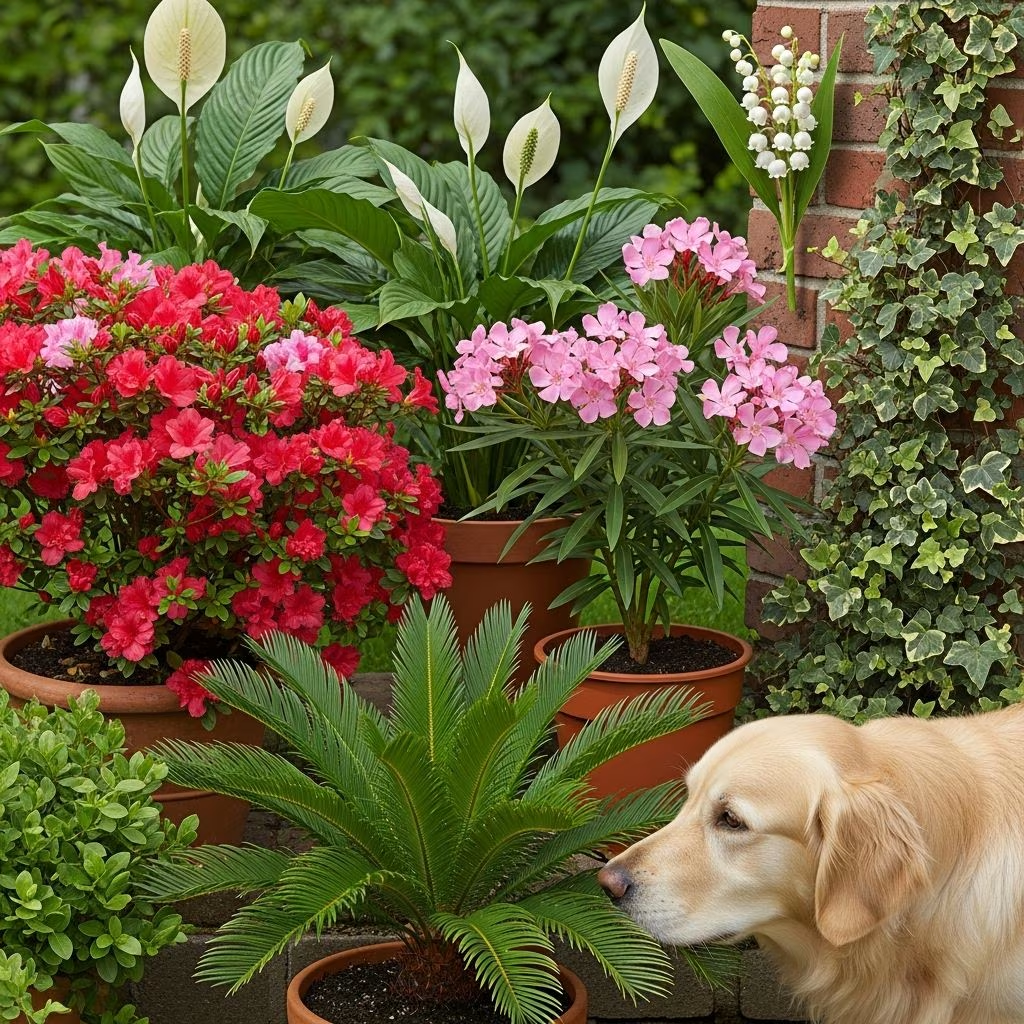
Dogs are naturally curious and may chew on plants in homes, gardens, or yards, but many popular varieties contain toxins that can cause vomiting, diarrhea, seizures, organ failure, or even death. Understanding which plants are dangerous helps protect your pet. This guide covers common toxic plants, symptoms, treatments, and prevention, drawing from veterinary expertise.
Why Are Plants Toxic to Dogs?
Plants produce toxins as defense mechanisms against herbivores, but dogs can ingest them while exploring. Toxins like alkaloids, glycosides, and calcium oxalate crystals irritate the gastrointestinal tract, affect the heart, nervous system, or liver. Even small amounts can be harmful, especially for puppies or small breeds. According to the ASPCA, hundreds of plants pose risks to dogs. Symptoms often appear within hours, ranging from mild upset to life-threatening emergencies.
Common Household Plants Toxic to Dogs
Indoor plants add beauty but many are hazardous if chewed. Here’s a breakdown of prevalent ones:
- Aloe (Aloe nobilis): Contains anthraquinone glycosides causing vomiting, diarrhea, tremors, urine discoloration, depression, and anorexia. Not usually fatal but requires monitoring.
- Dieffenbachia (Dumb Cane): Intense oral irritation, drooling, vomiting, and swallowing difficulties from calcium oxalate crystals.
- English Ivy: Leads to vomiting, diarrhea, and hypersalivation.
- Mother-in-Law’s Tongue (Snake Plant): Causes vomiting and diarrhea.
- Kalanchoe: Triggers vomiting, diarrhea, and abnormal heart rhythms.
- Calla Lily (Zantedeschia aethiopica): All parts release calcium oxalate crystals, causing oral pain, swelling, vomiting, and difficulty swallowing.
Garden and Yard Plants Toxic to Dogs
Outdoor greenery can lure dogs during walks or play. Avoid these in your yard:
- Daffodil (Narcissus): Bulbs contain lycorine alkaloids causing severe vomiting, diarrhea, convulsions, and cardiac issues. Fatal in large amounts.
- Oleander: Highly toxic; even small nibbles cause seizures, tremors, heart failure, and death.
- Azaleas: Chewing leaves leads to gastrointestinal distress, coma, and potential fatality.
- Common Boxwood (Buxus sempervirens): Steroidal alkaloids induce gastroenteritis, bloody diarrhea, and respiratory failure. Lethal dose for horses is 0.15% body weight.
- Common Privet (Ligustrum vulgare): Terpenoid glycosides cause abdominal pain, vomiting, purging, and rapid death.
- Heavenly Bamboo (Nandina domestica): Cyanogenic compounds lead to sudden weakness, hemorrhage, labored breathing, seizures, and death.
Trees and Shrubs Dangerous for Dogs
Trees and bushes often found in landscapes pose unique risks:
| Plant | Toxins | Symptoms |
|---|---|---|
| Sago Palm | Cycasin | Vomiting, bloody diarrhea, liver failure, coma |
| Buckeye (Horse Chestnut) | Aesculin | Vomiting, incoordination, seizures, coma |
| Chinaberry Tree | Melia toxins | Vomiting, diarrhea, seizures |
| Hop Bush (Dodonaea viscosa) | Glycosides | Laxative effects, purgation |
| Kentucky Coffee Tree (Gymnocladus dioicus) | Alkaloids | Nervous system irritation, digestive upset |
Other Notable Toxic Plants
- Wolfsbane (Aconite, Monkshood): Extremely poisonous; causes heart arrhythmias and death.
- Colchicum (Autumn Crocus): Every part toxic, leading to bloody vomiting, organ damage, bone marrow suppression.
- Nicotiana (Tobacco Plant): Nicotine poisoning from seeds or leaves.
- Snowberry (Symphoricarpos albus): Alkaloids cause nausea, vomiting, dizziness; roots most toxic.
- St. John’s Wort (Hypericum calycinum): Photosensitivity, gastrointestinal issues.
- Lily Turf (Liriope muscari): Berries contain methyl eugenol and oils causing upset.
Symptoms of Plant Poisoning in Dogs
Recognize signs early for prompt action:
- Gastrointestinal: Vomiting (possibly bloody), diarrhea, drooling, abdominal pain.
- Neurological: Tremors, seizures, incoordination, depression, coma.
- Cardiovascular: Irregular heart rate, collapse.
- Other: Lethargy, anorexia, urine changes, oral irritation.
Symptoms vary by plant, amount ingested, and dog size. Cornell University notes severe cases like daffodils can cause cardiac arrhythmias.
What to Do If Your Dog Eats a Toxic Plant
Act fast: Remove plant remnants from mouth. Note the plant for identification. Do not induce vomiting unless vet instructs, as some toxins worsen with it. Contact ASPCA Poison Control (888-426-4435) or your vet immediately. Treatment may include activated charcoal, IV fluids, anti-nausea meds, or organ support. UC Davis emphasizes quick intervention prevents escalation.
Prevention Tips for Dog-Safe Gardens
Create a pet-friendly environment:
- Research plants before planting; choose non-toxic alternatives like ferns or sunflowers.
- Fence off gardens or use dog-proof barriers.
- Supervise outdoor time, especially puppies.
- Train ‘leave it’ command.
- Remove fallen leaves, bulbs, berries promptly.
- Opt for raised beds or hanging planters indoors.
PetMD recommends scanning yards for sago palms and azaleas.
Frequently Asked Questions (FAQs)
Are all lilies toxic to dogs?
No, but calla lilies and others with oxalates are; true lilies are worse for cats. Always check specifics.
Can a dog recover from eating oleander?
With immediate vet care, survival is possible, but it’s often fatal without treatment.
Is snake plant really dangerous?
Yes, causes vomiting and diarrhea; keep out of reach.
What if my dog just licked a toxic plant?
Monitor for symptoms and call vet; even contact can irritate.
Are there safe plants that look like toxic ones?
Yes, like spider plants or Boston ferns; consult ASPCA lists.
References
- Toxic Plant Garden — UC Davis School of Veterinary Medicine. 2023. https://www.vetmed.ucdavis.edu/toxic-plant-garden
- Plants Poisonous to Dogs — PetMD. 2024-01-14. https://www.petmd.com/dog/poisons/plants-poisonous-to-dogs
- Avoid These Common Garden Plants That Can Kill Dogs — YouTube (Amy Kelly). 2024-06-30. https://www.youtube.com/watch?v=M4WciyTjM58
- Toxic and Non-Toxic Plant List — Dogs — ASPCA. 2024. https://www.aspca.org/pet-care/animal-poison-control/dogs-plant-list
- Plants Toxic to Dogs — Cornell University College of Veterinary Medicine. 2024. https://www.vet.cornell.edu/departments-centers-and-institutes/riney-canine-health-center/canine-health-topics/plants-toxic-dogs



