

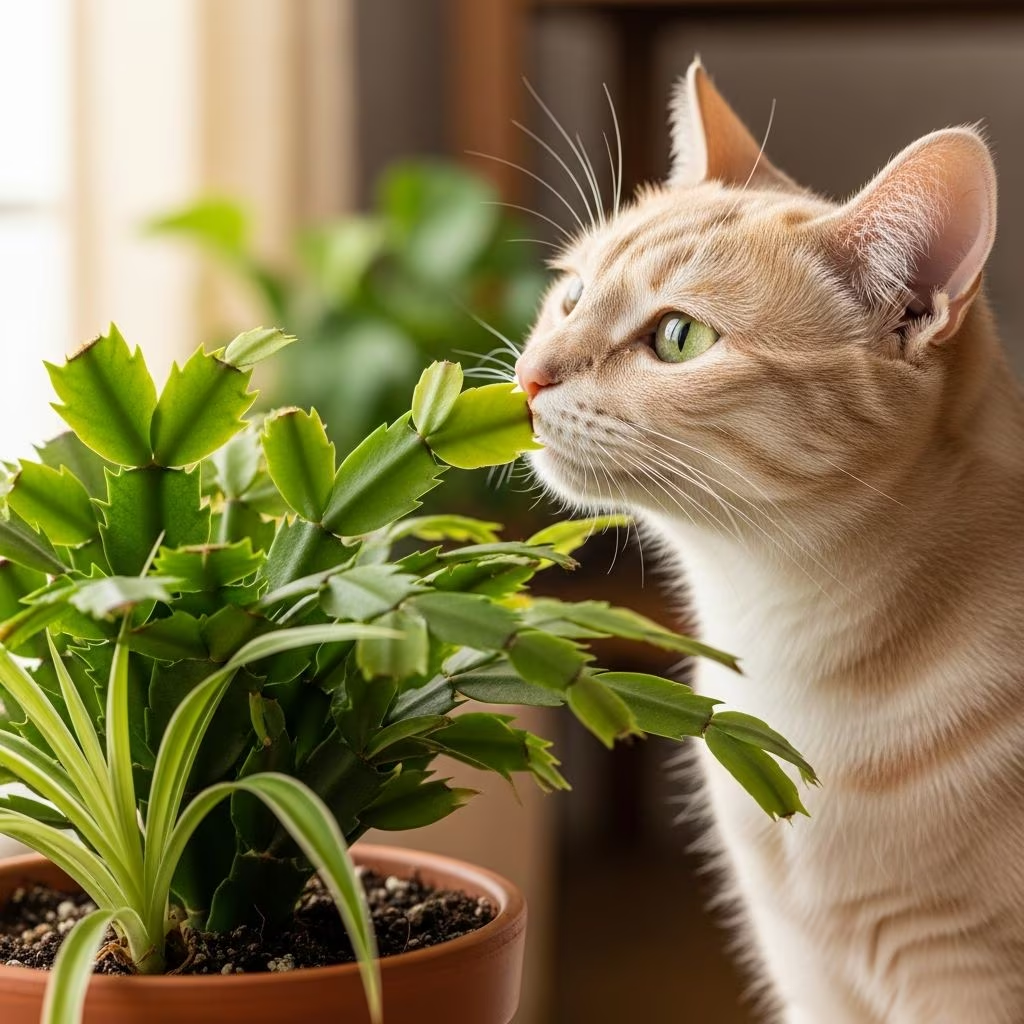
Cats love to explore their environment, often nibbling on houseplants or batting at leaves. Choosing **plants safe for cats** ensures your home remains a hazard-free zone while adding natural beauty. This guide covers non-toxic options verified by reliable sources like the ASPCA, complete with care instructions to help your plants thrive alongside your feline companions.
Why Choose Plants Safe for Cats?
Maintaining a greenery-filled home offers numerous benefits for both you and your cat. Plants improve indoor air quality by filtering toxins, reduce stress through their calming presence, and provide enrichment as cats interact with them safely. However, many common houseplants are toxic, causing symptoms from mild vomiting to severe organ damage. Opting for non-toxic varieties prevents emergency vet visits and lets your cat indulge curiosity without risk.
According to the ASPCA’s comprehensive plant list, hundreds of species are safe for cats, ranging from ferns and palms to herbs and succulents. These plants are not only harmless if ingested in small amounts but also low-maintenance, ideal for busy pet owners. Creating a cat-friendly indoor jungle promotes mental stimulation for your pet, mimicking outdoor foraging behaviors.
Top Non-Toxic Plants for Cat Owners
Below is a curated selection of **cat-safe plants**, drawn from expert recommendations. Each includes key care details: light needs, watering, mature size, and unique benefits. These are resilient options that tolerate curious paws and occasional nibbles.
Parlor Palm (Chamaedorea elegans)
The **Parlor Palm** is a classic choice for low-light rooms. Its feathery fronds sway gently, enticing cats to play without harm. Non-toxic to cats and dogs, it thrives with minimal care: low watering (drought-resistant), partial shade to full sun, reaching 6 feet indoors. Perfect for forgetful owners, it purifies air and adds tropical flair.
Spider Plant (Chlorophytum comosum)
One of the most popular **cat-friendly plants**, the Spider Plant features arching leaves and plantlets that dangle like toys. Completely safe, it’s known for air purification and easy propagation—root offshoots in water for free plants. Care: low water needs, partial shade, grows to 2 feet. Hang in baskets to protect from overzealous cats.
Rattlesnake Plant (Calathea lancifolia)
With wavy, patterned leaves resembling snake skin, this beauty captivates visually. Safe for pets, it prefers indirect light and consistent moisture. Its air-purifying qualities make it ideal for bedrooms. Size: 2 feet tall; low-maintenance for humid indoor spots.
Cast Iron Plant (Aspidistra elatior)
Nicknamed for its toughness, the **Cast Iron Plant** endures neglect, shade, and low light. Broad, arching leaves provide shady hideouts for cats. Non-toxic, drought-tolerant, grows 2 feet tall. Excellent for beginners and dark corners.
Bird’s Nest Fern (Asplenium nidus)
This fern’s rosette shape mimics a nest, offering a soft landing for playful pounces. Safe for cats, it needs low water, partial shade, and reaches 2 feet indoors. Adds lush texture to shelves or hanging pots.
Catnip (Nepeta cataria)
**Catnip** delights most cats, inducing rolling and rubbing due to nepetalactone oil—yet it’s non-toxic in moderation. Grow indoors or out: low water, full sun/partial shade, 3 feet tall. Use fresh leaves for toys or treats to boost appetite and reduce anxiety. Note: effects last 5-15 minutes per session.
Cat Grass (Dactylis glomerata)
Specifically for cats, **Cat Grass** provides digestible fiber, aiding hairball prevention and digestion. Safe, chemical-free, grows 8 inches tall with low water needs. Sow seeds in pots for constant supply—cats love the fresh ‘snack’.
Boston Fern (Nephrolepis exaltata ‘Bostoniensis’)
Lush and feathery, this fern thrives in shade and humidity, perfect for bathrooms. Non-toxic, 1-3 feet tall. Mist regularly to mimic natural habitat; great for hanging to deter full munching.
Haworthia Species (e.g., Haworthia fasciata)
A safe succulent alternative to toxic aloe, **Haworthia** boasts zebra stripes. Low water (succulent-style), partial shade, compact size. Ideal for windowsills—cats ignore the spiky look.
Swedish Ivy (Pilea nummulariifolia)
Not true ivy, this trailing green is safe and lush for baskets. Prefers bright indirect light, moderate water. Adds cascading appeal without toxicity risks.
Rosemary (Rosmarinus officinalis)
An herb garden staple, **Rosemary** is cat-safe, aromatic, and useful in cooking. Full sun, low water, grows 3-5 feet. Cats may sniff but rarely eat; enhances outdoor patios or sunny indoors.
Care Tips for Cat-Safe Plants
To keep your **non-toxic houseplants** thriving amid feline antics:
- Placement: Elevate or hang plants to limit access; use sturdy pots to withstand knocks.
- Watering: Most listed are drought-tolerant—check soil dryness before watering to avoid root rot.
- Light: Match plant needs; rotate for even growth.
- Pruning: Trim damaged leaves promptly; propagate spiders and ivy easily.
- Soil: Use well-draining mix; add pebbles for stability.
Monitor for over-nibbling—provide cat grass as alternative. Fertilize sparingly in spring/summer.
Benefits of Cat-Friendly Greenery
| Plant Benefit | Examples | Cat Perk |
|---|---|---|
| Air Purification | Spider Plant, Parlor Palm | Cleaner breathing air |
| Enrichment | Catnip, Cat Grass | Play, digestion aid |
| Low Maintenance | Cast Iron, Haworthia | Fits busy lifestyles |
| Aesthetic | Boston Fern, Rattlesnake | Beautiful home decor |
These plants not only beautify but support cat wellness by encouraging natural behaviors.
Common Myths About Cat-Safe Plants
Myth: All succulents are toxic. Fact: Haworthia and some Echeveria are safe; avoid jade or aloe. Myth: Catnip is always harmless. Fact: ASPCA lists it as mildly upsetting in excess, but most sources deem it safe for play.
Frequently Asked Questions (FAQs)
What plants are safe for cats to chew on?
Cat grass, spider plants, and catnip are ideal for nibbling—they aid digestion and provide safe fiber.
Are succulents okay around cats?
Some like Haworthia and burro’s tail are non-toxic; steer clear of aloe vera and jade plants.
Can cats play with parlor palms?
Yes, they’re durable and non-toxic, but hang high to preserve fronds.
Is Boston fern cat-safe?
Absolutely—thrives in shade and is listed as non-toxic by ASPCA.
How do I stop my cat from destroying plants?
Offer alternatives like cat grass, use deterrents, or elevate plants.
Creating a Cat-Safe Home Environment
Beyond plants, secure toxic cleaners, small objects, and ensure ample food/water. Combine safe plants with scratching posts for ultimate harmony. Consult vets for personalized advice.
References
- Cat-Friendly Plants: Top 34 Nontoxic & Easy-Care Varieties — Planet Desert. 2023. https://planetdesert.com/blogs/news/cat-friendly-plants-top-34-easy-to-care-for-nontoxic-varieties
- 10 Non-Toxic Plants for Cats and a Catio — Cat Topia. 2023. https://www.thecattopia.com/blog/non-toxic-plants-for-cats/
- Are Succulents Toxic to Cats? Vet-Approved Facts & Safety Guide — Catster. 2024. https://www.catster.com/cat-health-care/are-succulents-toxic-to-cats/
- Toxic and Non-Toxic Plant List — Cats — ASPCA (official). 2025-01-10. https://www.aspca.org/pet-care/animal-poison-control/cats-plant-list



