

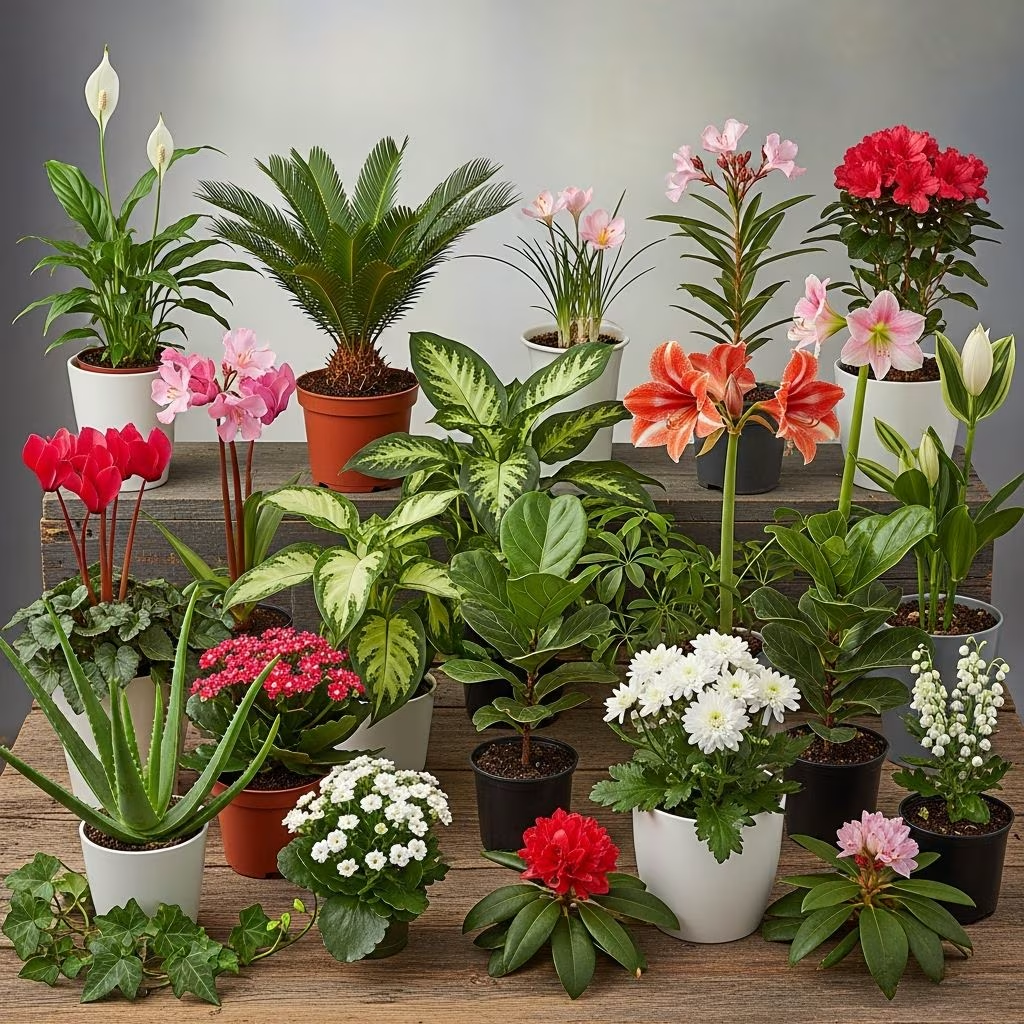
18 Common Plants Poisonous to Cats: A Complete Guide
Many cat owners love decorating their homes with beautiful houseplants and fresh flowers, but not all plants are safe for our feline companions. Cats are naturally curious creatures that often investigate their environment by sniffing, licking, and sometimes chewing on plants. This curious nature can expose them to serious health risks. Understanding which plants are toxic to cats is essential for any pet owner who wants to maintain a safe living environment for their furry friend.
Over 700 species of plants have been identified as potentially toxic to cats, ranging from mildly irritating to life-threatening. Some common toxic plants found in many homes include lilies, aloe vera, pothos, and philodendron. The symptoms of plant poisoning in cats can vary widely depending on the plant ingested, the amount consumed, and the individual cat’s health status. Common signs include vomiting, drooling, lethargy, diarrhea, and loss of appetite. In severe cases, plant poisoning can lead to organ damage, seizures, or even death.
This comprehensive guide covers 18 of the most common houseplants that are toxic to cats, explaining what makes them dangerous and what symptoms to watch for if your cat has ingested them. By educating yourself about these plants, you can make informed decisions about which plants to keep in your home and how to protect your beloved pet.
Key Takeaways
Before diving into the details, here are the most important things to remember about plants and cat safety:
- Common toxic plants for cats include lilies, aloe vera, pothos, and philodendron
- Symptoms of plant poisoning may include vomiting, drooling, lethargy, diarrhea, and loss of appetite
- Cats should be kept away from any plant that isn’t verified as pet-safe
- Contact your veterinarian immediately if you suspect your cat has ingested a toxic plant
- Prevention is the best approach—remove toxic plants from your home or keep them in areas your cat cannot access
Understanding Plant Toxicity in Cats
Different plants contain various toxic compounds that affect cats in different ways. Some plants contain alkaloids that disrupt the digestive system, while others contain cardiac glycosides that affect heart function. Calcium oxalates, found in many popular houseplants, cause painful mouth irritation and swelling of the throat. Understanding the specific toxins in plants helps explain why symptoms vary so dramatically among poisoning cases.
Cats are particularly susceptible to plant toxins because of their size, their metabolism, and their lack of certain liver enzymes that would help them process toxins. What might be mildly irritating to a human or a dog could be life-threatening to a cat. Additionally, some plants that are safe for dogs are extremely dangerous for cats, making it important to verify pet safety for each specific species.
18 Toxic Houseplants for Cats
1. Autumn Crocus (Colchicum autumnale)
The autumn crocus, also known as meadow saffron or naked lady, is a beautiful ornamental flowering plant that blooms in the fall. However, this plant is especially toxic to cats because of its alkaloid colchicine content, a natural compound that disrupts cell division. All parts of the plant are highly toxic, including the bulbs and flowers. Ingesting even small amounts can cause severe symptoms.
2. Azaleas (Rhododendron spp.)
Azaleas are flowering shrubs with over 1,000 species in this family, and the degree of toxicity varies from moderate to severe. The toxic component is a neurotoxin called grayanotoxin, which disrupts sodium balance and negatively affects your cat’s muscles, including the heart. All parts of the plant are toxic, and ingesting even a tiny amount can result in poisoning. Symptoms typically appear within a few hours of ingestion.
3. Chrysanthemum (Chrysanthemum spp.)
Commonly called “mums,” chrysanthemums belong to the Compositae family and include about 40 different species. The leaves and flowers contain multiple compounds toxic to cats, including pyrethrin and other compounds. These plants are frequently found in floral arrangements and garden settings, making them a common source of accidental poisoning.
4. Cyclamen (Cyclamen spp.)
Cyclamen is a popular decorative houseplant known for its delicate, colorful flowers. The plant contains cardiac glycosides that can affect heart function. While all parts are toxic, the roots contain the highest concentration of toxins. Even though cyclamen is often kept as an indoor plant away from pets, cats’ curious nature can lead them to investigate and chew on this dangerous plant.
5. Daffodils (Narcissus spp.)
Daffodils, also called jonquils, paperwhites, or narcissus, are flowering spring perennials found in many homes and gardens. All parts of the plant contain the poisonous agent lycorine, but the bulbs are the most toxic. These plants are especially dangerous because cat owners often bring fresh bouquets into their homes during spring, not realizing the toxicity risk. Ingestion can cause severe gastrointestinal distress.
6. Dieffenbachia (Dieffenbachia spp.)
Dieffenbachia, also known as dumb cane, is a popular tropical houseplant with large, attractive leaves. The plant contains calcium oxalates and other irritating compounds that cause pain, oral ulcers, and swelling of the mouth and throat. Cats that chew on this plant experience immediate discomfort, drooling, and difficulty swallowing. The common name “dumb cane” refers to the plant’s ability to cause temporary loss of speech in humans who ingest it.
7. English Ivy (Hedera helix)
English ivy is a popular climbing plant used for decorative purposes both indoors and outdoors. It contains saponins and other compounds that irritate the digestive tract. While typically less toxic than some other plants on this list, English ivy can still cause gastrointestinal upset if ingested in significant quantities. Many cat owners use this plant for decoration without realizing its toxicity.
8. Hyacinth (Hyacinthus orientalis)
Hyacinths are fragrant spring flowers commonly brought into homes as potted plants or cut flowers. The bulbs contain toxic compounds including histamine and other irritating substances. The bulbs are more toxic than the flowers and leaves, making freshly planted hyacinths particularly dangerous if your cat has access to the soil.
9. Jade Plant (Crassula ovata)
The jade plant is a popular succulent houseplant known for its thick, fleshy leaves and easy care requirements. While the specific toxic compound in jade plants hasn’t been definitively identified, ingestion causes gastrointestinal upset, lethargy, and loss of coordination in cats. The jade plant’s popularity as a low-maintenance houseplant makes it a common household hazard.
10. Kalanchoe (Kalanchoe spp.)
Kalanchoe, also known as the mother-in-law plant, devil’s backbone, or chandelier plant, is a flowering houseplant containing toxins called bufadienolides, which are steroid hormones. These toxins generally cause gastrointestinal signs including drooling, vomiting, and diarrhea. In rare cases, when cats ingest large quantities, more severe symptoms can occur, including heart arrhythmia, collapse, and seizures.
11. Lilies (Lilium spp.)
Lilies are extremely toxic to cats and represent one of the most serious plant poisoning threats. Every part of the lily plant is toxic to cats, including the leaves, petals, pollen, and even the water from a vase containing lilies. Lilies contain compounds that cause acute kidney failure in cats, often within just 24-72 hours of ingestion. This plant deserves special attention due to its prevalence in floral arrangements and its life-threatening nature.
12. Monstera (Monstera deliciosa)
Monstera, also known as Swiss cheese plant, is a large tropical houseplant popular for its unique split leaves. Like dieffenbachia, it contains calcium oxalate crystals that cause oral irritation, drooling, and difficulty swallowing. Cats may show reluctance to eat and pawing at the mouth. While usually not life-threatening, ingestion causes significant discomfort.
13. Oleander (Nerium oleander)
Oleander is a beautiful flowering shrub commonly found in outdoor gardens and landscapes. All parts of this plant are highly toxic to cats, containing cardiac glycosides that affect heart function. Even small amounts can cause serious cardiac symptoms, making this one of the most dangerous plants for outdoor cats to encounter.
14. Pothos (Epipremnum aureum)
Pothos, also known as devil’s ivy, is one of the most popular houseplants due to its easy care and attractive trailing vines. However, it contains calcium oxalates that cause pain, oral ulcers, and swelling when ingested. Many cat owners unknowingly keep this toxic plant in their homes, often hanging it from ceilings where dangling leaves can tempt curious cats.
15. Rhododendron (Rhododendron spp.)
Rhododendrons are woody, rounded shrubs that typically grow pink or mauve flowers, with over 1,000 species available. These plants are considered severely toxic to cats due to compounds called grayanotoxins, the same toxins found in azaleas. All parts of the plant are toxic, and the effects on cats can be severe and quick-acting.
16. Sago Palm (Cycas revoluta)
Sago palm, also known as coontie palm, cardboard palm, cycad, or zamia, is commonly found outdoors in tropical and subtropical areas and sometimes kept as a houseplant. All parts of the sago palm are toxic, but the seeds are the deadliest. The main toxic compound is cycasin, which causes severe liver damage. This plant represents one of the most dangerous options for both cats and dogs, with extremely high mortality rates if ingestion occurs.
17. Snake Plant (Sansevieria trifasciata)
Snake plants are popular low-maintenance houseplants known for their upright, striped leaves. These plants contain saponins that irritate the gastrointestinal tract. While typically causing only mild to moderate symptoms, ingestion can result in nausea, vomiting, and diarrhea in cats.
18. Tulip (Tulipa spp.)
Popular in bouquets and gardens, tulips are part of the Liliaceae family, which also includes the deadly lily species. Tulips contain the allergens tulipalin A and tulipalin B. Although all parts of the plant contain these dangerous compounds, they are most concentrated in the bulbs. Signs of tulip poisoning in cats include drooling, nausea, vomiting, diarrhea, difficulty breathing, and increased heart rate.
Recognizing Symptoms of Plant Poisoning
Recognizing the signs of plant poisoning is crucial for getting your cat prompt veterinary care. Symptoms can appear within minutes to several hours of ingestion, depending on the plant and the amount consumed. Common symptoms include:
- Gastrointestinal symptoms: Vomiting, diarrhea, drooling, nausea, loss of appetite, abdominal pain
- Oral symptoms: Pawing at the mouth, difficulty swallowing, excessive drooling, mouth ulcers
- Neurological symptoms: Lethargy, tremors, seizures, loss of coordination, difficulty breathing
- Cardiac symptoms: Irregular heartbeat, heart arrhythmia, collapse
- Systemic symptoms: Increased thirst, increased urination, jaundice, organ failure
If you notice any of these symptoms and suspect your cat has ingested a toxic plant, contact your veterinarian immediately or call the ASPCA Animal Poison Control Center. Time is critical, especially with highly toxic plants like lilies and sago palms.
What to Do If Your Cat Ingests a Toxic Plant
If you suspect or know that your cat has ingested a toxic plant, take the following steps immediately:
- Stay calm: Your cat needs you to act quickly and decisively
- Remove the plant material: If possible, gently remove any remaining plant material from your cat’s mouth and collect a sample of the plant for identification
- Contact your veterinarian: Call your vet immediately with information about what your cat ingested
- Call poison control: Contact the ASPCA Animal Poison Control Center at (888) 426-4435 for expert guidance
- Transport to the vet: Get your cat to an emergency veterinary clinic if symptoms develop or if you ingested a highly toxic plant
- Provide information: Tell the vet when ingestion occurred, how much plant material was consumed, and what part of the plant was eaten
Do not induce vomiting unless specifically directed by a veterinarian, as some plants can cause additional damage if vomited.
Prevention: Creating a Safe Home for Your Cat
The best approach to protecting your cat from plant poisoning is prevention. Consider these strategies:
- Remove toxic plants: The safest option is to eliminate all toxic plants from your home
- Elevate plants: Place plants on high shelves or hanging baskets that cats cannot reach
- Use barriers: Keep toxic plants in rooms that your cat cannot access or use baby gates to create restricted areas
- Provide alternatives: Offer cat-safe plants like cat grass, spider plants, or Boston ferns to satisfy your cat’s interest in plants
- Supervise access: Monitor your cat’s interactions with plants and provide immediate correction if they show interest in chewing
- Educate guests: Let visitors know about your cat’s safety needs and discourage them from bringing toxic plants as gifts
Cat-Safe Plants as Alternatives
If you want to bring greenery into your home safely, consider these cat-friendly alternatives that pose no toxicity risk:
- Spider plant (Chlorophytum comosum)
- Boston fern (Nephrolepis exaltata)
- African violet (Saintpaulia ionantha)
- Parlor palm (Chamaedorea elegans)
- Calathea species
- Prayer plant (Maranta leuconeura)
- Bamboo palm (Chamaedorea seifrizii)
- Maidenhair fern (Adiantum species)
Frequently Asked Questions About Toxic Plants and Cats
Q: Are all lilies toxic to cats?
A: Yes, all lilies are extremely toxic to cats, including Easter lilies, Stargazer lilies, and all other species. Even small amounts can cause severe kidney damage.
Q: What should I do if my cat chewed on a pothos plant?
A: Contact your vet or poison control immediately. Monitor your cat for symptoms like drooling, vomiting, and mouth ulcers. Depending on the amount ingested, your vet may recommend monitoring or treatment.
Q: How quickly do symptoms appear after plant ingestion?
A: Symptoms can appear within minutes to several hours. Some plants, like lilies, can cause serious damage within 24-72 hours even if initial symptoms are mild.
Q: Can I treat plant poisoning at home?
A: No, plant poisoning should always be evaluated by a veterinarian. Some toxins require specific treatments or monitoring for organ damage, which only a vet can provide.
Q: Are toxic plants dangerous just from touching them?
A: Most plant toxins require ingestion to cause serious problems. However, some plants can cause skin irritation from contact. The main danger comes from chewing or eating plant material.
Q: What’s the most dangerous plant for cats?
A: Lilies are considered the most dangerous due to their ability to cause acute kidney failure with very small amounts. Sago palm is also extremely dangerous with high mortality rates.
Q: Should I panic if my cat ate a toxic plant?
A: Stay calm and act quickly. Contact your vet or poison control immediately. The outcome often depends on quick action and appropriate treatment, so prompt response is more helpful than panic.
Q: How can I prevent my cat from eating plants?
A: Remove toxic plants, place them out of reach, provide cat-safe plants, offer cat grass, and provide mental stimulation to reduce boredom-related plant chewing.
References
- Poisonous Plants for Cats — PetMD. 2025. https://www.petmd.com/cat/emergency/poisoning-toxicity/e_ct_poisonous_plants
- Toxic and Non-Toxic Plant List — Cats — ASPCA Animal Poison Control Center. 2025. https://www.aspca.org/pet-care/animal-poison-control/cats-plant-list
- Cats Love Eating Plants… Do You Know Which Are Toxic? — Parker Veterinary Hospital. 2025. https://parker-vet.com/cats-love-eating-plants-do-you-know-which-are-toxic/
- A Pet Parent’s Guide to Plants Toxic to Cats — Earthborn Holistic Pet Food. 2025. https://www.earthbornholisticpetfood.com/blog/dog-cat-tips/a-pet-parents-guide-to-plants-toxic-to-cats/
- Plants Poisonous to Cats – Our Guide — Cats Protection. 2025. https://www.cats.org.uk/help-and-advice/home-and-environment/dangerous-plants
- Cats and Plants: A Guide to Safe vs. Toxic Flora — Cats Care Society. 2025. https://www.catcaresociety.org/cats-and-plants/



