

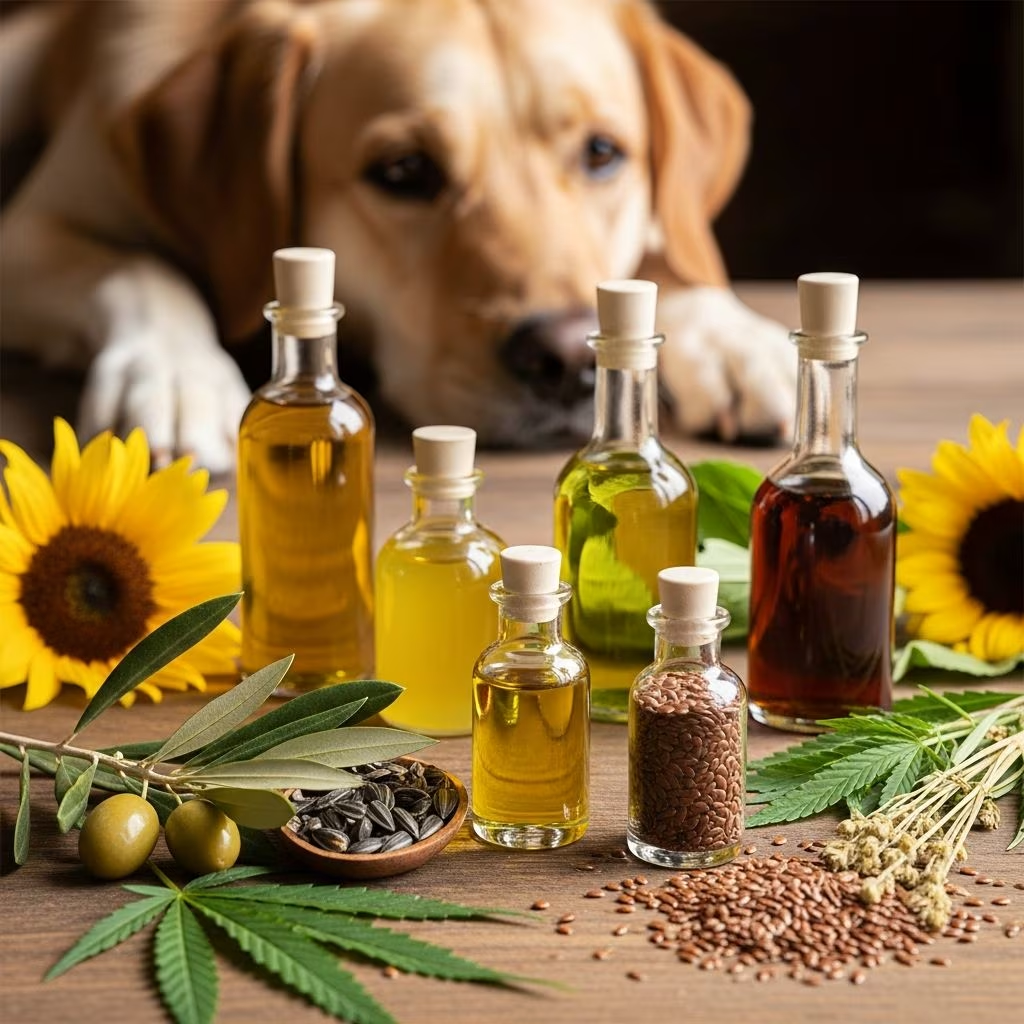
Plant-derived oils offer dogs a natural way to obtain essential fatty acids that support everything from lustrous coats to robust joint function. These oils, rich in omega-3 and omega-6 compounds, can fill nutritional gaps in commercial diets, promoting better digestion, reduced inflammation, and enhanced immunity when used correctly.
Why Dogs Need Fatty Acids from Plants
Dogs require a balance of polyunsaturated fatty acids (PUFAs), including omega-3 and omega-6, which many standard kibbles lack in optimal ratios. Plant oils deliver these in bioavailable forms, aiding cellular health and energy production. Unlike fish oils, plant sources provide alternatives for pets with seafood sensitivities, ensuring broad applicability.
Omega-6 fats from plants like sunflower support skin barrier function, while omega-3s combat oxidative stress. Deficiencies manifest as dry skin, dull fur, or lethargy, making supplementation a proactive health strategy.
Top Plant Oils and Their Unique Advantages
Several plant oils stand out for their nutrient profiles and proven benefits in canine nutrition. Each offers distinct compounds tailored to specific needs.
- Flaxseed Oil: Packed with alpha-linolenic acid (ALA), an omega-3 that converts to anti-inflammatory agents, it excels for allergy-prone dogs by easing itchiness and supporting kidney function.
- Coconut Oil: High in medium-chain triglycerides (MCTs), it digests easily, providing quick energy and antimicrobial properties for gut health and fresh breath.
- Olive Oil: Dominated by monounsaturated oleic acid (omega-9), it promotes cardiovascular wellness and antioxidant protection, ideal for senior dogs.
- Pumpkin Seed Oil: Contains oleic acid alongside zinc, fostering urinary tract health and prostate support in males.
- Avocado Oil: Free of persin toxin found in the fruit, it supplies vitamin E for skin repair and immune boosting.
| Oil Type | Key Nutrients | Primary Benefits | Daily Dosage Guideline |
|---|---|---|---|
| Flaxseed | ALA (Omega-3) | Skin allergies, joint mobility | 1 tsp per 30 lbs body weight |
| Coconut | MCTs, Lauric Acid | Digestion, coat shine | ¼ tsp per 10 lbs |
| Olive | Oleic Acid (Omega-9) | Heart health, antioxidants | 1 tsp per 20 lbs |
| Pumpkin Seed | Oleic Acid, Zinc | Urinary health | ½ tsp per 20 lbs |
| Avocado | Vitamin E, Monounsaturates | Skin repair, immunity | ½ tsp per 25 lbs |
These dosages are starting points; adjust based on your dog’s size, age, and health status, always consulting a vet first.
Health Transformations from Regular Use
Incorporating plant oils yields noticeable improvements across multiple systems. For skin and coat, flaxseed and coconut oils restore moisture, reducing flakiness and enhancing sheen through fatty acid replenishment. Dogs with atopic dermatitis often show fewer hot spots after consistent dosing.
Joints benefit immensely from omega-3s in flaxseed, which lower inflammatory cytokines, easing arthritis pain and improving gait in older pups. Coconut’s MCTs provide calorie-efficient fuel without taxing the pancreas, perfect for exocrine pancreatic insufficiency cases.
Digestive perks include better fat absorption and microbiome balance, with olive oil’s phenols acting as prebiotics. Immunity gets a lift too, as antioxidants neutralize free radicals, potentially curbing cognitive decline. A study on plant ingredients underscores their role in balanced diets for sustained vitality.
Selecting and Storing Oils Properly
Quality dictates efficacy; opt for cold-pressed, unrefined virgin oils to retain phenols and tocopherols. Refined versions lose these during processing, diminishing benefits. Store in dark glass bottles in cool, dark places to prevent rancidity—PUFAs oxidize quickly when exposed to light or heat.
Check labels for purity: no additives, hexane-free extraction. Organic certifications minimize pesticide residues. Freshness is key; sniff for nutty aromas, discarding off-smelling batches.
Safe Incorporation into Diets
Introduce oils gradually over a week to avoid loose stools from sudden fat influx. Dribble over kibble, blend into homemade meals, or use as toppers. For picky eaters, mix with broth.
Monitor weight—oils are caloric (about 120 kcal/tbsp). Balance with fish oil if needing EPA/DHA, as plant ALA conversion is inefficient (5-10%). Pups under one year need less; lactating females may require double.
Addressing Common Concerns and Risks
Overuse risks diarrhea or pancreatitis in sensitive dogs; stick to guidelines. High-oleic variants of safflower/sunflower offer stability but less PUFA diversity. Vegans appreciate plant dominance, though fish complements for full-spectrum omegas.
No major toxicities reported at proper doses, but those with fat malabsorption (e.g., IBD) benefit most from MCT-rich coconut.
Real-World Success Stories
Owners report transformations: a 12-year-old Lab’s limp vanished after flaxseed addition, while a Bulldog’s chronic ear infections cleared with coconut oil topicals. These anecdotes align with veterinary endorsements for targeted supplementation.
Frequently Asked Questions
Can all dogs tolerate plant oils?
Most do, but those with gallbladder issues or epilepsy should get vet clearance, as fats influence bile flow.
How much is too much?
Never exceed 1 tsp per 10 lbs daily total fats from oils to prevent obesity or GI upset.
Is coconut oil better than others?
It’s uniquely digestible due to MCTs, suiting seniors or picky eaters, but combine with flax for omega balance.
Vegetarian omega-3 sufficient?
ALA from plants helps, but EPA/DHA from algae or fish optimizes brain/joint effects.
Heat-stable for cooking?
No—use raw; high heat destroys PUFAs. Drizzle post-cooking.
Expert Tips for Maximum Impact
Rotate oils quarterly for nutrient variety. Pair with vitamin E-rich foods to counter oxidation. Track progress via photos or vet checkups. For therapeutic doses, bloodwork guides personalization.
References
- Can Dogs Eat Food with Oil? Understanding the Benefits and Risks — Houndsy. 2023. https://www.houndsy.com/blogs/modern-tails/can-dogs-eat-food-with-oil-understanding-the-benefits-and-risks
- 5 Healthy Oils for Dogs to Give Your Dog’s Coat (and Brain) a Boost — Rover. 2022-10-15. https://www.rover.com/blog/5-healthy-oils-give-dogs-coat-brain-boost/
- 4 Healthy Oils To Add To Your Dog’s Diet — PetMD. 2024. https://www.petmd.com/dog/nutrition/4-healthy-oils-add-your-dogs-diet
- Plant Oils for Dogs — Whole Dog Journal. 2023. https://www.whole-dog-journal.com/care/plant-oils/
- Canine Wellness Boost: The Significance of Omega-3 Oils — PetCareRx. 2024. https://www.petcarerx.com/article/canine-wellness-boost-the-significance-of-omega-3-oils-in-your-dogs-diet/7051
- Roles of plant‐based ingredients and phytonutrients in canine nutrition — PMC (NCBI). 2022-07-11. https://pmc.ncbi.nlm.nih.gov/articles/PMC9291198/



