Plant an Edible Victory Garden for Your Pets
Create a thriving pet-safe edible garden where your furry friends can enjoy fresh, nutritious homegrown treats.
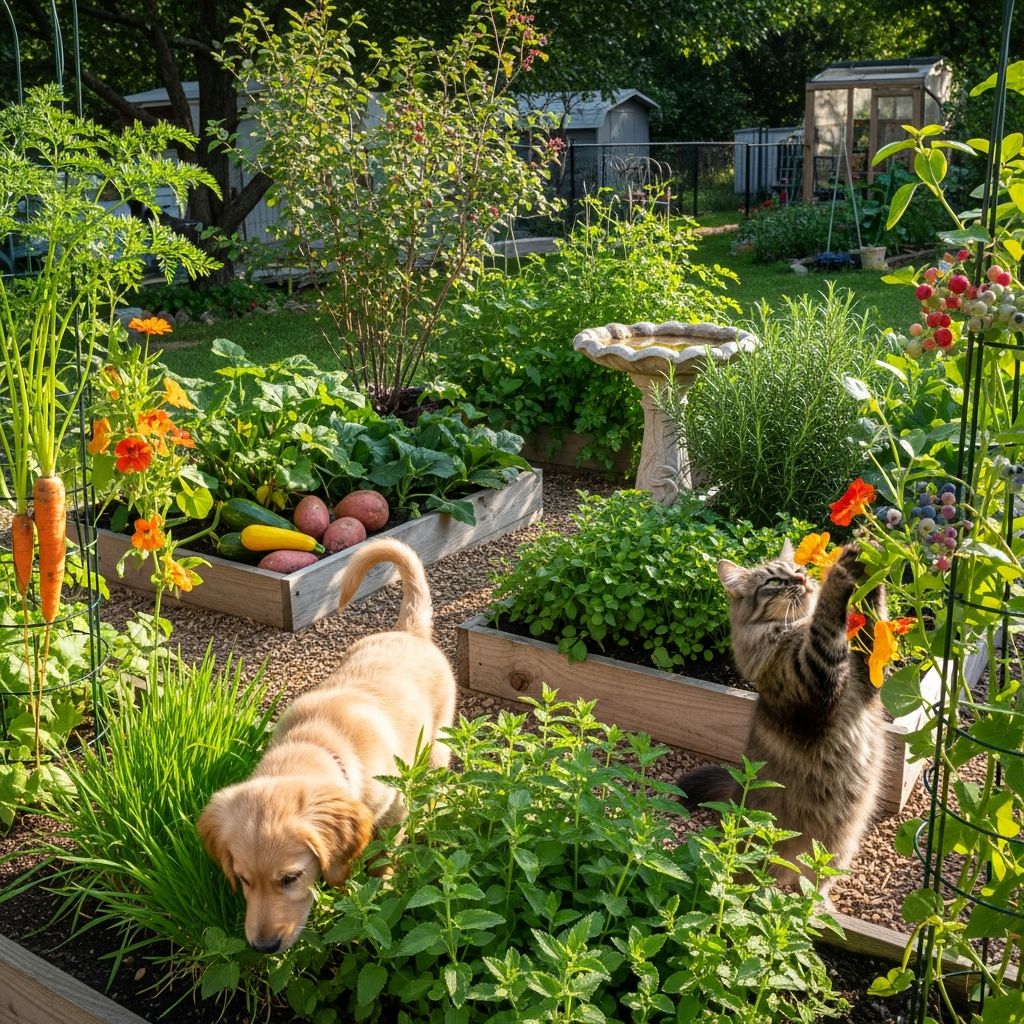
Creating a garden specifically designed for your pets is one of the most rewarding ways to enhance their quality of life while enjoying the therapeutic benefits of gardening yourself. An edible victory garden for pets combines the traditional concept of self-sufficiency gardening with pet-safe plants and vegetables that provide both nutrition and enrichment for your furry companions. This comprehensive guide will help you establish a thriving pet-friendly edible garden that keeps your beloved animals safe, healthy, and entertained.
Understanding Pet-Friendly Edible Gardening
Pet-friendly gardening goes beyond simply avoiding toxic plants—it’s about creating a comprehensive strategy that prioritizes your companion animals’ safety and well-being while producing fresh, nutritious food they can safely enjoy. When your pets can join you in the garden, the experience becomes more meaningful for everyone involved. A well-designed edible garden for pets provides them with a secure space to explore, forage, and develop confidence while enjoying the physical and mental stimulation that nature offers.
The foundation of pet-friendly edible gardening is understanding which plants are safe for your specific pets and which offer nutritional benefits. Unlike ornamental gardens where aesthetics are the primary concern, pet edible gardens must balance visual appeal with complete safety and nutritional value.
Benefits of Growing an Edible Pet Garden
An edible victory garden for your pets offers numerous advantages that extend beyond fresh food production.
Health and Nutrition Benefits
Homegrown produce provides superior nutrition compared to store-bought alternatives. Your garden’s vegetables and herbs are fresher, pesticide-free, and retain more nutrients than commercially-grown options that lose quality during transportation and storage. When you grow food specifically for your pets, you have complete control over growing methods, ensuring no harmful chemicals or treatments compromise their safety.
Mental and Physical Well-being
Gardening is a proven therapeutic activity that reduces stress and improves mental health for humans, while providing pets with valuable enrichment opportunities. Pets benefit from the physical activity of exploring the garden, the mental stimulation of foraging, and the varied sensory experiences the garden environment provides.
Cost Savings
Growing your own pet food significantly reduces grocery expenses, especially when focusing on high-yield crops that produce abundantly throughout the growing season. This financial benefit becomes increasingly valuable for pet owners managing multiple animals or larger breeds requiring substantial food quantities.
Food Security and Independence
A productive edible garden provides a reliable source of fresh food for your pets during uncertain times, increasing your household’s food security and self-sufficiency. This independence from commercial pet food supply chains offers peace of mind and flexibility in managing your pets’ nutrition.
Planning Your Pet Victory Garden
Choosing the Right Location
The first step in creating your pet edible victory garden is selecting an appropriate location. The ideal spot receives at least six hours of direct sunlight daily and has well-draining soil. Consider the following factors when evaluating potential garden locations:
– Access to water sources for convenient irrigation- Proximity to your home for easy monitoring and harvesting- Protection from heavy foot traffic or vehicle damage- Fencing or barriers to keep pets safely contained within the garden area- Visibility from windows or patios for enhanced enjoyment
If outdoor space is limited, container gardening and vertical gardening solutions can be implemented on balconies, patios, or even rooftops. These approaches work exceptionally well for growing herbs and leafy greens that pets enjoy.
Garden Size and Design
Start small with a manageable garden and expand as you gain experience and confidence in your gardening skills. A modest 4×8 foot raised bed can produce substantial quantities of pet-safe vegetables and herbs. The advantage of starting small is that you can maintain quality soil, manage pest issues more effectively, and dedicate proper attention to each plant.
Design your garden with accessibility in mind, both for you and your pets. Create pathways that allow safe movement through the garden without damaging plants, and position vegetables and herbs strategically so your pets can reach them appropriately without becoming injured or overeating one particular plant variety.
Best Pet-Safe Vegetables for Your Garden
Leafy Greens
Lettuce and leafy greens are excellent choices for pet edible gardens because they grow quickly and can be harvested multiple times throughout the season. These crops are ideal for beginners and produce abundant, pet-friendly nutrition. Varieties like kale, spinach, and Swiss chard provide dense nutrition and can be harvested leaf-by-leaf, encouraging continued plant productivity.
Root Vegetables
Root vegetables including beets, carrots, and potatoes are popular garden options that most pets can safely enjoy. These storage crops produce abundantly and retain freshness longer than leafy varieties, providing an extended harvest season and allowing you to preserve excess production for winter months.
Other Nutritious Vegetables
Additional pet-safe vegetables suitable for edible victory gardens include:
– Broccoli and cabbage for cruciferous nutrition- Sweet corn as a favorite treat for many pets- Bush beans as a protein-rich option- Peas, including cover crops that improve soil health- Pumpkin for digestive support- Watermelon and cantaloupe for hydration and natural sweetness
Each of these vegetables offers specific nutritional benefits and appeals to different pet preferences, allowing you to create variety in your pet’s fresh food options.
Growing Pet-Safe Herbs and Edible Flowers
Beneficial Herbs for Pets
Herbs add flavor to human meals while providing safe, nutrient-dense options for your pets. Consider incorporating these pet-friendly herbs into your edible garden:
– Thyme: A versatile herb safe for dogs, excellent in cooking, and requiring minimal care- Mint: Cats love mint, and it’s safe for them to enjoy while also repelling mosquitoes naturally- Rosemary: A fragrant herb safe for pets with calming properties- Basil: A flavorful herb safe for pets and commonly used in various cuisines- Oregano: Safe for pets and known for immune-boosting properties- Parsley: A versatile and safe herb for cooking and adding garden greenery
Herbs require minimal space and can be grown in containers, making them ideal for small gardens or apartment patios. Many herbs also attract beneficial insects that support garden pollination and pest management.
Pet-Safe Edible Flowers
Edible flowers add visual appeal to your garden while providing safe treats for curious pets. Several flowering plants safely coexist with dogs and offer edible benefits:
– Marigolds: Non-toxic, naturally pest-repelling, and visually striking with vibrant colors- Sunflowers: Produce seeds that pets enjoy and attract pollinators- Nasturtiums: Edible flowers with a peppery taste safe for pets- Alyssum: Sweet-smelling, safe for pets, and excellent for ground cover
These edible flowers serve dual purposes—they beautify your garden landscape while providing safe foraging opportunities for your pets.
Sustainable Gardening Practices for Pet Safety
Organic Growing Methods
Maintaining an organic approach is essential when growing food specifically for pets. Avoid chemical pesticides, fertilizers, and weed-control products that could harm your animals. Only use untreated landscape timber, stone, or metal for garden borders, and never plant in areas treated with chemicals such as old railroad ties.
Composting and Soil Management
Sustainable gardening practices maximize your victory garden’s benefits. Implement composting by recycling kitchen scraps and yard waste into nutrient-rich compost that enriches your soil. This approach creates a closed-loop system that reduces waste while building superior growing medium for pet-safe vegetables and herbs.
Water Conservation and Pest Management
Installing rain barrels or using drip irrigation systems reduces water usage while ensuring consistent moisture for optimal plant growth. Attract natural pest management allies by planting foods that birds and beneficial insects enjoy—they’ll provide free pest control by consuming harmful insects that threaten your garden.
Crop Rotation and Seasonal Planning
Rotating crops each season prevents soil depletion and reduces pest problems naturally. Consider planting winter crops like peas that improve soil while providing food, allowing you to maintain garden productivity year-round rather than leaving space dormant during winter months.
Designing Your Garden Layout
Organization Principles
When designing your pet edible garden, incorporate permaculture principles by organizing plants so frequently used varieties are closest to your home for convenient access. Create groupings of complementary plants together to enhance growth and deter pests naturally, a practice known as creating plant guilds.
Creative Garden Arrangements
There are no rules to edible gardening when it comes to creativity—as long as you maintain organic practices and build beds with quality compost, you’re off to a strong start. Consider transforming more than half your landscape into edible production, incorporating fruiting plants, ground covers of mint and bee balm, and edible flowers working in harmony with your conventional garden structure.
Protecting Your Garden
If wildlife poses challenges to your garden, plan spaces that aren’t irresistible salad bars to deer and squirrels. Implement DIY solutions such as PVC pipe and chicken wire fencing that work effectively while maintaining the garden’s accessibility for your pets.
Harvest and Preservation
Timing Your Harvests
Different crops have optimal harvest windows that maximize nutrition and flavor. Lettuce and leafy greens can be harvested multiple times by picking outer leaves and allowing the plant to continue producing. Root vegetables and storage crops should be harvested when they reach mature size, then stored in cool conditions to extend availability throughout winter months.
Preserving Your Harvest
Beans can be preserved by drying for long-term storage, while squash, zucchini, and root vegetables store well in cool environments. Learning preservation techniques allows you to extend your pet edible garden’s benefits throughout the entire year, ensuring continuous access to fresh, homegrown nutrition regardless of season.
Community and Connection Through Pet Gardening
One of the most powerful aspects of the victory garden movement was its ability to bring people together. Modern pet-focused edible gardening can revive this community spirit by connecting with other pet owners through gardening clubs, community gardens, or local gardening groups where you can share tips, trade seeds, and learn from others’ experiences. These connections strengthen neighborhood bonds while creating shared harvests that benefit multiple families and their pets.
Frequently Asked Questions (FAQs)
Q: What is the best time of year to start an edible pet garden?
A: Spring is typically ideal for starting most edible gardens, but you can begin planning in winter and adapt planting schedules based on your climate zone. Consider both spring and summer crops initially, then expand to cool-season crops in fall for year-round production.
Q: Can cats enjoy an edible pet garden?
A: Yes, cats can safely enjoy many vegetables, herbs, and edible flowers. Cats particularly enjoy mint, and they benefit from grass and other vegetation in the garden. Always verify specific plants are safe for cats before offering them to your feline companions.
Q: How do I protect my pet edible garden from damage?
A: Design the garden with clear pathways that allow pet movement without stepping on plants. Create fencing or barriers that define the garden space while allowing supervised access. Position delicate plants strategically to minimize accidental damage during normal play and exploration.
Q: What’s the difference between an edible pet garden and a regular vegetable garden?
A: Pet edible gardens prioritize safety and pet accessibility, excluding all toxic plants and using only organic growing methods. They’re designed specifically for pet consumption with plant varieties and layout that accommodate pet behavior and nutritional needs.
Q: Can I use commercial fertilizers in a pet edible garden?
A: No, only organic fertilizers and natural compost should be used in pet edible gardens. Commercial chemical fertilizers, pesticides, and herbicides pose health risks to your pets and should never be applied to areas where they forage or graze.
Q: How much space do I need for a productive pet edible garden?
A: Even small spaces can be productive. A 4×8 foot raised bed can produce substantial quantities of vegetables and herbs. Container gardening and vertical gardening solutions work exceptionally well for limited spaces like balconies and patios.
References
- Pet-Friendly Gardening: A Guide to Plants Safe for Your Furry Friends — Victory Seeds. Accessed 2025-11-29. https://victoryseeds.com/blogs/articles/title-pet-friendly-gardening-a-guide-to-plants-safe-for-your-furry-friends
- Planting A Victory Garden — Jung Seed’s Gardening Blog. Accessed 2025-11-29. https://blog.jungseed.com/planting-a-victory-garden/
- Safe and Nutritious Edible Plants for Dogs — PetsCare.com. Accessed 2025-11-29. https://www.petscare.com/news/post/edible-plants-for-dogs
- The Victory Garden Movement: How to Achieve Food Security by Growing Your Own Food in 2024 — Food Forest Abundance Minnesota. Accessed 2025-11-29. https://foodforestabundancemn.com/the-victory-garden-movement-how-to-achieve-food-security-by-growing-your-own-food-in-2024/
- Incredible Edible Milbridge — Women for Healthy Rural Living. Accessed 2025-11-29. https://whrl.org/programs/incredible-edible/
- Victory Gardens for the 21st Century — Lisa’s Landscape & Design. Accessed 2025-11-29. https://lisalapaso.com/2020/05/13/victory-gardens-for-the-21st-century/
- Whether for comfort or sustenance, ‘victory gardens’ are flourishing — Larchmont Chronicle. Accessed 2025-11-29. https://larchmontchronicle.com/whether-for-comfort-or-sustenance-victory-gardens-are-flourishing/
Similar Articles








Read full bio of Sneha Tete