
Plant-Based Diets for Pets: Safety, Nutrition & Alternatives
Understanding the nutritional challenges and viable options for vegetarian and vegan pet feeding.
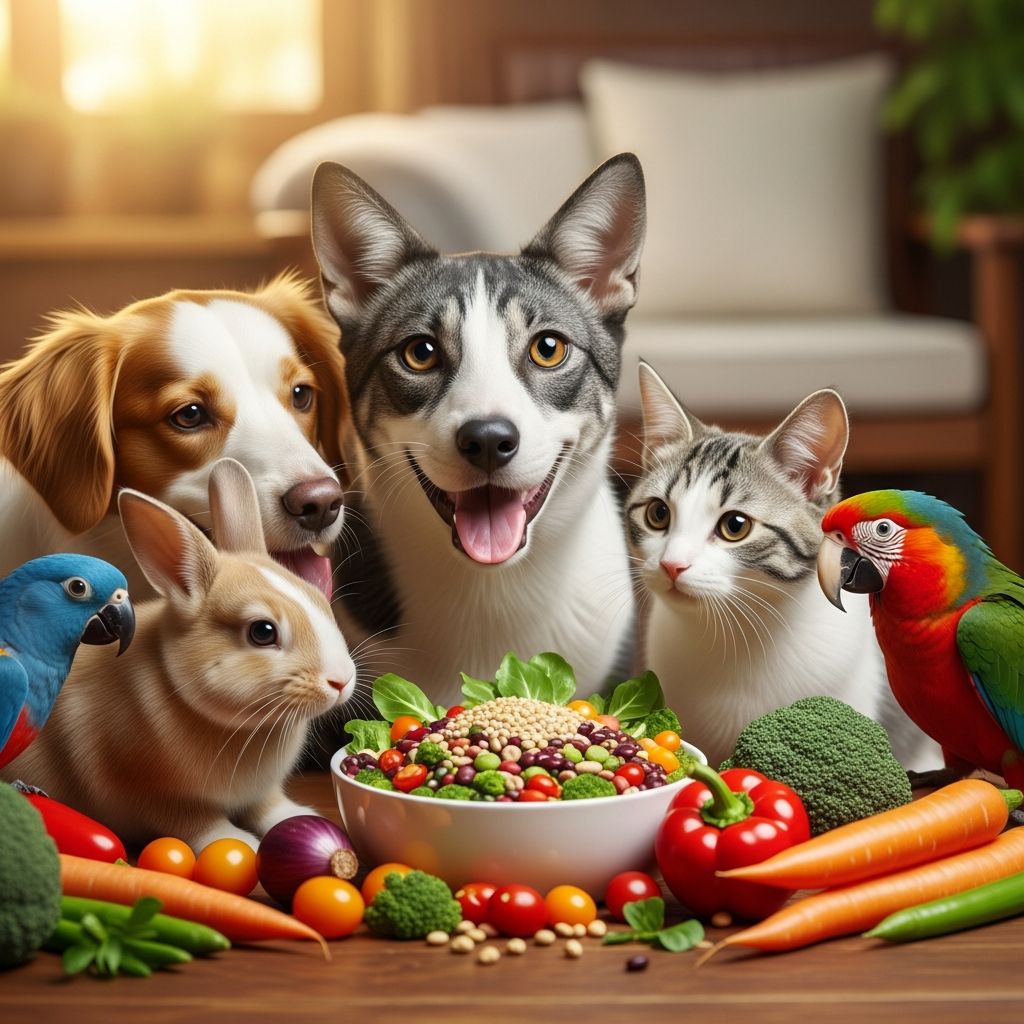
Pet owners increasingly explore dietary alternatives that align with their personal values, including plant-based nutrition for their animal companions. While vegetarian and vegan diets have gained popularity among pet owners seeking sustainable and ethical feeding practices, the question of whether these diets are nutritionally adequate for cats and dogs remains a subject of significant scientific debate. Understanding the fundamental differences between how humans and animals process plant-based nutrients is essential for any pet owner considering this dietary shift.
The Fundamental Metabolic Differences Between Pets and Humans
A critical distinction exists between human and animal nutritional requirements that is often overlooked in discussions about plant-based pet feeding. Unlike humans, cats and dogs cannot synthesize certain essential nutrients from plant sources alone, and this physiological reality forms the foundation of veterinary concerns about meat-free diets for pets.
Humans possess the metabolic capability to produce vitamin D when exposed to sunlight and can convert various plant compounds into forms their bodies require. Both cats and dogs lack these adaptive mechanisms. They must obtain specific nutrients, particularly those abundant in animal products, from their diet. This fundamental difference means that a diet that fully supports human health may not provide adequate nutrition for a feline or canine companion.
Critical Nutrient Deficiencies in Plant-Based Pet Diets
Taurine: The Amino Acid Crisis
Taurine deficiency represents the most dangerous risk associated with plant-based diets for both cats and dogs. This essential amino acid exists in minimal or even absent quantities in plant ingredients, making it virtually impossible to meet feline taurine requirements through plant sources alone.
The consequences of taurine deficiency are severe and potentially life-threatening. Prolonged deficiency can lead to dilated cardiomyopathy (DCM), a condition where the heart muscle becomes enlarged and weak, severely impairing its ability to pump blood effectively and supply oxygen throughout the body. Beyond cardiac complications, taurine deficiency can cause:
- Vision and eyesight problems, potentially leading to blindness
- Growth abnormalities in young animals
- Reproductive failures and infertility issues
- Deterioration in overall quality of life
For cats specifically, the risks are even more pronounced. Cats have a higher taurine requirement than dogs and cannot synthesize taurine from other amino acids, making dietary inclusion non-negotiable.
Vitamin D Insufficiency
Vitamin D plays a crucial regulatory role in calcium absorption and bone health. While humans can produce vitamin D from sun exposure, both cats and dogs must obtain this vitamin entirely from their diet, with vitamin D3 from animal sources being the optimal form.
Vitamin D deficiency manifests through weakened bone structure, poor muscular function, cardiac complications, and numerous other systemic health issues. The reliance on dietary sources means that plant-based diets, which typically contain lower bioavailable vitamin D3, place pets at heightened risk for deficiency-related complications.
Additional Essential Nutrient Concerns
Beyond taurine and vitamin D, plant-based diets present challenges in delivering other critical nutrients:
- Amino acid imbalances: Plant proteins often lack optimal ratios of essential amino acids, and specific amino acids like L-carnitine may be insufficient
- Arachidonic acid deficiency: This essential fatty acid is predominantly found in animal products and essential for cats
- Preformed vitamin A: Cats require preformed vitamin A; plant sources provide beta-carotene that cats cannot efficiently convert
- Vitamin B12: While plant sources may contain B12 analogues, the bioavailable form is more readily available in animal products
- Overall protein adequacy: Cats require at least 25 grams of protein per 1,000 calories consumed, and plant-based sources often fall short of meeting this threshold
Comparative Species Considerations: Cats Versus Dogs
While both cats and dogs present nutritional challenges on plant-based diets, the severity and nature of these challenges differ significantly between species.
| Nutritional Factor | Cats | Dogs |
|---|---|---|
| Metabolic Classification | Obligate carnivores | Facultative omnivores |
| Taurine Synthesis | Cannot synthesize; requires dietary source | Can synthesize some taurine from amino acids |
| Plant-Based Diet Feasibility | Not recommended; significant health risks | Theoretically possible with careful planning |
| Protein Requirements | Higher (minimum 45% dry matter basis) | Moderate (can adapt to lower levels) |
| Vitamin A Requirements | Preformed vitamin A essential | Can convert beta-carotene to vitamin A |
Why Cats Are Incompatible with Plant-Based Diets
Veterinary consensus strongly discourages feeding cats vegetarian or vegan diets. Cats are obligate carnivores whose evolutionary history and metabolic machinery are fundamentally adapted to meat-based nutrition. The risks far outweigh any potential benefits, and the possibility of nutritional imbalance is substantial.
The recommended diet for cats should contain animal products, maintain protein content exceeding 45%, and limit carbohydrates to less than 10%. Any deviation from this standard, particularly complete elimination of animal products, contradicts feline nutritional science.
Dogs: A More Nuanced Discussion
Dogs are natural omnivores and theoretically can consume plant-based diets more readily than cats. This fundamental metabolic difference creates a more complex landscape for discussing plant-based dog nutrition. Dogs require less protein than cats and possess greater metabolic flexibility, and vegetarian diets that include eggs can provide substantial amino acid profiles.
However, theoretical adequacy differs markedly from practical application. Dogs on plant-based diets require careful formulation, appropriate supplementation, and regular veterinary monitoring to prevent nutritional complications.
When Plant-Based Diets May Be Medically Indicated
Although plant-based diets carry inherent risks, certain medical conditions in dogs may benefit from elimination of animal proteins. Dogs with specific health conditions including kidney disease, urate bladder stones, and inflammatory bowel disease may benefit from plant-based or limited-ingredient diets.
Additionally, dogs with documented allergies or intolerances to animal proteins may find relief through a well-formulated vegan diet. However, these represent therapeutic interventions for specific conditions, not general nutritional recommendations. Such dietary modifications must occur under veterinary supervision and often require supplementation with vitamin B12, taurine, and L-carnitine.
The Evidence Base: What Research Actually Shows
The scientific literature presents a complex and sometimes contradictory picture. Some research indicates that properly formulated vegan diets can be nutritionally adequate for dogs, though long-term safety data remains limited. One large study of over 2,500 dogs found that vegan diets were potentially healthier than conventional meat-based diets when nutritionally complete, based on seven health indicators including veterinary visits and prevalence of common illnesses.
Conversely, the British Veterinary Association has issued cautions that while theoretically possible, sufficient scientific evidence does not yet exist to safely promote vegan diets for dogs and cats. The concern centers not merely on nutrient presence but on nutrient bioavailability—the degree to which synthetic supplements and plant-sourced nutrients become available for biological utilization.
A systematic review of studies from 2023 found no documented evidence of detrimental effects in vegetarian dog diets, though researchers acknowledged that most existing studies focus on analytical composition rather than real-world clinical outcomes.
Special Population Considerations: Puppies and Prescription Diets
Certain animal populations face particular vulnerability when fed plant-based diets. Puppies should never be fed vegetarian or vegan diets. Young animals require specific nutrient ratios optimized for rapid growth and development, and plant-based sources cannot reliably provide the concentrated nutrient profile necessary for healthy maturation.
Additionally, animals with underlying health conditions require individualized assessment. Prescription therapeutic diets should never be fed to animals without specific medical indication, even if composed entirely of plant-based ingredients.
Supplementation and Bioavailability: Critical Considerations
Pet owners considering plant-based diets often believe that synthetic supplementation resolves nutritional gaps. However, this assumption merits scrutiny. Bioavailability of synthetic nutrients may differ substantially from naturally occurring forms, and research on long-term safety of these alternatives remains incomplete.
If proceeding with plant-based feeding despite veterinary reservations, supplementation with the following is essential:
- Taurine (especially critical for dogs and non-negotiable for cats)
- Vitamin B12
- L-carnitine
- Vitamin D3
- Potentially arachidonic acid (for cats)
However, supplementation does not guarantee optimal health outcomes, and some nutrients in synthetic form may not be absorbed or utilized as effectively as their naturally occurring counterparts.
Monitoring and Veterinary Oversight
Any decision to feed a pet a plant-based diet requires consultation with a veterinarian and ongoing medical supervision. Dogs on vegetarian or vegan diets should undergo wellness examinations and blood work at least twice yearly to assess nutritional status and detect early signs of deficiency.
Blood work should specifically evaluate levels of taurine, B12, iron, and other nutrients of concern. Clinical signs of deficiency—such as changes in coat quality, lethargy, or cardiac irregularities—warrant immediate dietary reassessment and potential modification.
Practical Guidance for Pet Owners
For cats: Plant-based diets are not recommended. Continue providing meat-based nutrition that meets species-specific requirements. If home-cooking is desired, work closely with a veterinary nutritionist to formulate nutritionally complete meals, though commercial AAFCO-certified cat foods remain the safest option.
For dogs: Plant-based feeding is theoretically possible but requires careful planning, quality formulation, appropriate supplementation, and regular veterinary monitoring. If your dog has a documented medical condition that may benefit from plant-based feeding, discuss specific options with your veterinarian rather than purchasing generic vegan dog foods.
Frequently Asked Questions
Can cats be fed a vegan diet?
No. Cats are obligate carnivores with metabolic requirements that cannot be adequately met through plant-based sources. The risks of serious, potentially life-threatening conditions far outweigh any perceived benefits.
Is a vegan diet healthier for dogs than meat-based diets?
No, not necessarily. While some research suggests vegan diets can be adequate when properly formulated, there is insufficient evidence to claim they are inherently healthier than well-formulated meat-based diets.
What supplements are most important for dogs on plant-based diets?
Taurine, vitamin B12, and L-carnitine are critical. Vitamin D3 and arachidonic acid supplementation should also be considered.
How often should I have my dog’s health monitored on a plant-based diet?
Veterinary wellness exams and blood work should occur at least twice yearly to assess nutritional status.
Are there commercial plant-based pet foods that are nutritionally complete?
Some commercial options carry AAFCO statements indicating nutritional completeness, but veterinary guidance on selection is recommended, and regular health monitoring remains necessary.
References
- Are Vegetarian and Vegan Diets Safe for Cats & Dogs? — Small Door Veterinary. Accessed February 2026. https://www.smalldoorvet.com/learning-center/nutrition/vegetarian-vegan-diets-cats-dogs
- Pros and cons of a vegan diet for pets — The Week. Accessed February 2026. https://theweek.com/animals/956717/pros-and-cons-of-vegan-pets
- Are Vegetarian and Vegan Diets Safe for Pets? — VRC Malvern. Accessed February 2026. https://www.vrcmalvern.com/blog/are-vegetarian-and-vegan-diets-safe-for-pets
- The Impact of Vegan Diets on Indicators of Health in Dogs and Cats — PubMed Central / National Center for Biotechnology Information. 2023. https://pmc.ncbi.nlm.nih.gov/articles/PMC9860667/
- Dogs Can Adapt to a Vegan Diet? — American Kennel Club. Accessed February 2026. https://www.akc.org/expert-advice/nutrition/dogs-can-adapt-to-a-vegan-diet/
- Is it safe to feed my dog a plant-based diet? — British Veterinary Association. Accessed February 2026. https://www.bva.co.uk/news-and-blog/blog-article/is-it-safe-to-feed-my-dog-a-plant-based-diet-hold-the-greens-only-meals-why-the-jury-is-still-out-on-vegan-dog-diets/
- Can a Dog Be Vegan? — PetMD. Accessed February 2026. https://www.petmd.com/dog/nutrition/can-a-dog-be-vegan
Similar Articles








Read full bio of Sneha Tete


