

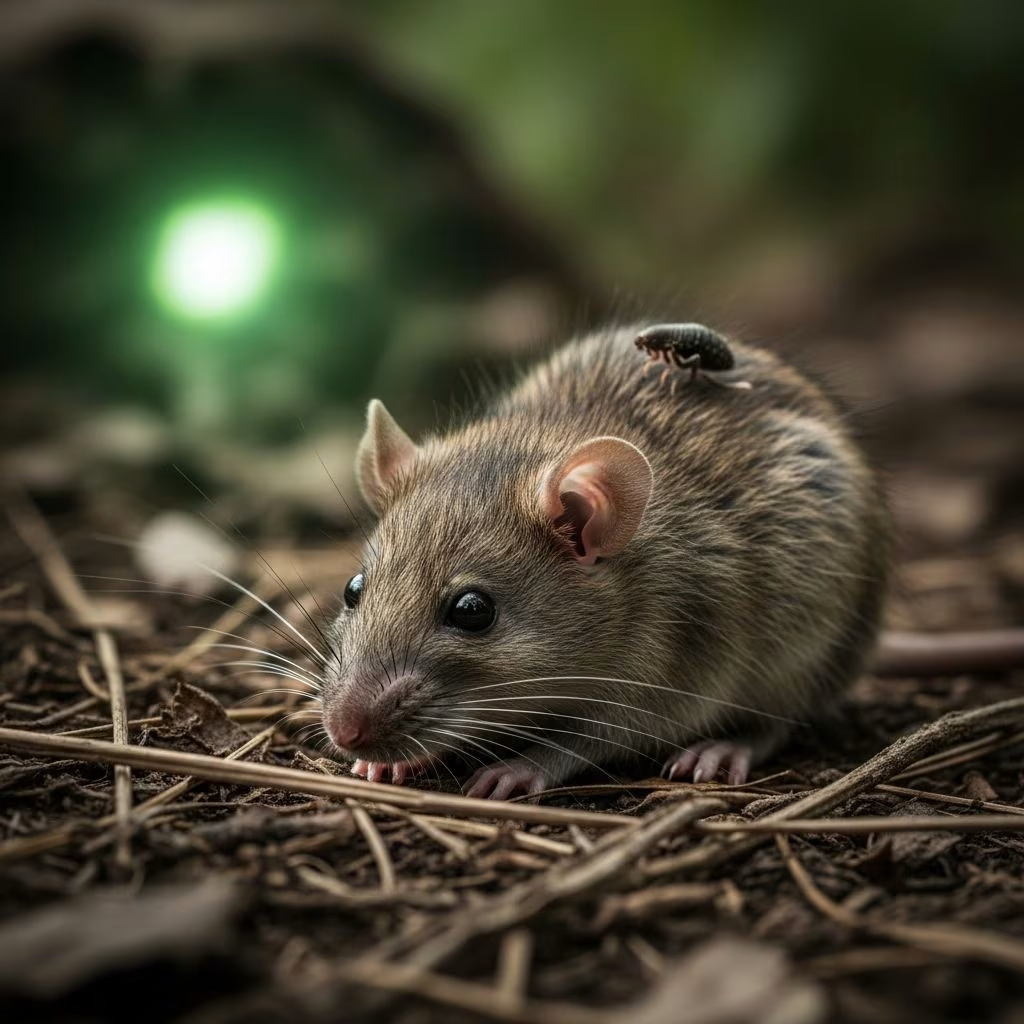
Plague represents a severe bacterial infection that affects numerous animal species, posing significant risks to wildlife, livestock, and companion animals. Caused by the pathogen Yersinia pestis, this disease maintains persistent reservoirs in rodent populations across regions like the western United States, where it cycles between wild hosts and flea vectors.
The Nature of the Plague Bacterium
Yersinia pestis thrives as a gram-negative bacterium uniquely adapted for survival in arthropod vectors and mammalian hosts. It spreads primarily through infected fleas, which regurgitate bacteria into the bloodstream during bites, or via direct contact with contaminated tissues. In animals, infection often stems from predation on infected rodents or flea infestations.
Enzootic cycles sustain the bacterium in sylvatic rodents such as prairie dogs and ground squirrels, occasionally spilling over into epizootic outbreaks that decimate populations and heighten risks for domestic animals and humans.
Animals Susceptible to Plague Infection
Various mammals fall prey to plague, with rodents serving as primary reservoirs. Cats exhibit particular vulnerability, frequently contracting the disease through hunting infected rodents, leading to severe manifestations.
- Cats: Commonly develop bubonic or pneumonic forms after ingesting plague-carrying prey; high zoonotic potential via respiratory secretions.
- Dogs: Less severely affected but can transport infected fleas, risking household exposure.
- Wildlife: Rodents like squirrels and chipmunks maintain enzootic foci; outbreaks in prairie dogs signal heightened transmission risks.
- Livestock: Rare cases in camels and other large animals, typically via flea bites or contaminated feed.
Geographic hotspots include the southwestern U.S., where annual cases in animals underscore ongoing surveillance needs.[10]
Recognizing Clinical Manifestations
Plague presents in three primary forms across species, each demanding urgent attention due to rapid progression and high mortality without intervention.
| Form | Symptoms in Animals | Mortality (Untreated) |
|---|---|---|
| Bubonic | Fever, lethargy, swollen lymph nodes (buboes), abscesses at flea bite sites | 30-60% |
| Pneumonic | Coughing, dyspnea, nasal discharge, respiratory distress | Nearly 100% |
| Septicemic | Bloodstream invasion, shock, disseminated intravascular coagulation, organ failure | Nearly 100% |
In felines, pneumonic plague often emerges secondary to bubonic infection, characterized by sneezing infectious droplets that endanger handlers. Canines may show milder gastrointestinal signs like vomiting alongside fever.
Diagnostic Approaches for Accurate Identification
Confirming plague requires specialized testing amid overlapping symptoms with other infections. Veterinarians must prioritize biosafety during sample collection.
- Polymerase Chain Reaction (PCR): Rapid detection of Y. pestis DNA in tissues or fluids; highly sensitive.
- Culture: Definitive but time-consuming gold standard, grown on selective media.
- Direct Fluorescent Antibody (DFA): Quick visualization of bacteria in smears.
- Serology: Detects antibodies, though early sampling risks false negatives as titers rise over 17 days.
Ideal specimens include lymph node aspirates, blood, lung tissue, or spleen, chilled and labeled as biohazards. Thoracic imaging reveals pneumonia or abscesses, guiding prognosis. Complete blood counts often show neutrophilia.
Therapeutic Interventions and Management
Swift antibiotic administration is critical, as delays prove fatal. Isolate patients and equip staff with PPE.
Recommended regimens span 10-21 days, tailored by species and severity:
- Fluoroquinolones (e.g., enrofloxacin for pets)
- Doxycycline
- Trimethoprim-sulfamethoxazole
- Gentamicin or chloramphenicol for severe cases
Supportive care encompasses IV fluids, antiemetics, oxygen for respiratory distress, and flea eradication. Most respond within days, shedding infectivity after 48-72 hours of therapy, though monitoring extends longer.
Zoonotic Risks and Transmission to Humans
Plague’s jump to humans occurs via flea bites, handling infected animals, or inhaling droplets from pneumonic cases, especially cats.
Veterinary personnel and owners face occupational hazards; incubation spans 1-7 days, with pneumonic form deadliest if untreated within 24 hours. Post-exposure prophylaxis with antibiotics mitigates risks for close contacts.
Preventive Measures for Animals and Communities
Proactive strategies curb outbreaks:
- Routine flea control on pets using vet-approved products.
- Restrict roaming in endemic areas; supervise hunting cats.
- Vaccination research advances with F1-V subunit candidates showing promise in models.
- Wildlife surveillance by agencies like USDA to detect epizootics early.
Report suspected cases immediately to health authorities for contact tracing.
Public Health Protocols in Veterinary Settings
Upon suspicion, isolate animals, notify officials, and implement disinfection. Educate owners on monitoring symptoms for 2 weeks post-exposure. Clinic workflows must integrate PPE and aerosol precautions for pneumonic suspects.
Global Distribution and Epidemiological Insights
While historically pandemic, plague persists endemically in Africa, Asia, and Americas. U.S. cases cluster in New Mexico, Arizona, and Colorado, linked to rodent die-offs.[10] Climate and rodent ecology influence flare-ups.
Future Directions in Plague Control
Ongoing research targets vector-targeted insecticides, oral vaccines for rodents, and improved diagnostics. Funding from organizations like Morris Animal Foundation supports wildlife studies. Enhanced inter-agency collaboration bolsters One Health approaches.
Frequently Asked Questions (FAQs)
What should I do if my cat shows fever and coughing in a plague-endemic area?
Seek emergency veterinary care; isolate the pet and avoid close contact to prevent droplet transmission.
Is plague vaccine available for pets?
No licensed vaccines exist for companion animals currently; flea prevention remains key.
How long is an infected animal contagious?
Typically 48-72 hours post-antibiotics, but pneumonic cases warrant extended precautions.
Can dogs get plague from cats?
Possible via shared fleas or close contact, though dogs are more flea transporters than severe cases.
What are signs of plague in wildlife?
Mass rodent mortality signals epizootics; report to wildlife services.
References
- Plague in Animals – Infectious Diseases – Merck Veterinary Manual — Merck & Co. 2023. https://www.merckvetmanual.com/infectious-diseases/plague/plague-in-animals
- Plague in Dogs, Cats, Wildlife and People – What You Need to Know — Morris Animal Foundation. 2023. https://www.morrisanimalfoundation.org/article/plague-dogs-cats-wildlife-and-people-what-you-need-know
- Plague in Cats | PetMD — PetMD. 2023. https://www.petmd.com/cat/conditions/infectious-parasitic/plague-cats
- Veterinary Guidance for Plague – CDC — Centers for Disease Control and Prevention. 2024-02-15. https://www.cdc.gov/plague/hcp/veterinarians/index.html
- Plague: Infections of Companion Animals and Opportunities for Zoonotic Research — PMC (NCBI). 2015-07-16. https://pmc.ncbi.nlm.nih.gov/articles/PMC4513460/
- Plague | American Veterinary Medical Association — AVMA. 2023. https://www.avma.org/resources-tools/pet-owners/petcare/plague



