
Pituitary Issues In Cats: 3 Disorders, Signs, And Treatment
Explore the rare but impactful pituitary gland problems in cats, from symptoms and causes to advanced treatments for better feline health.
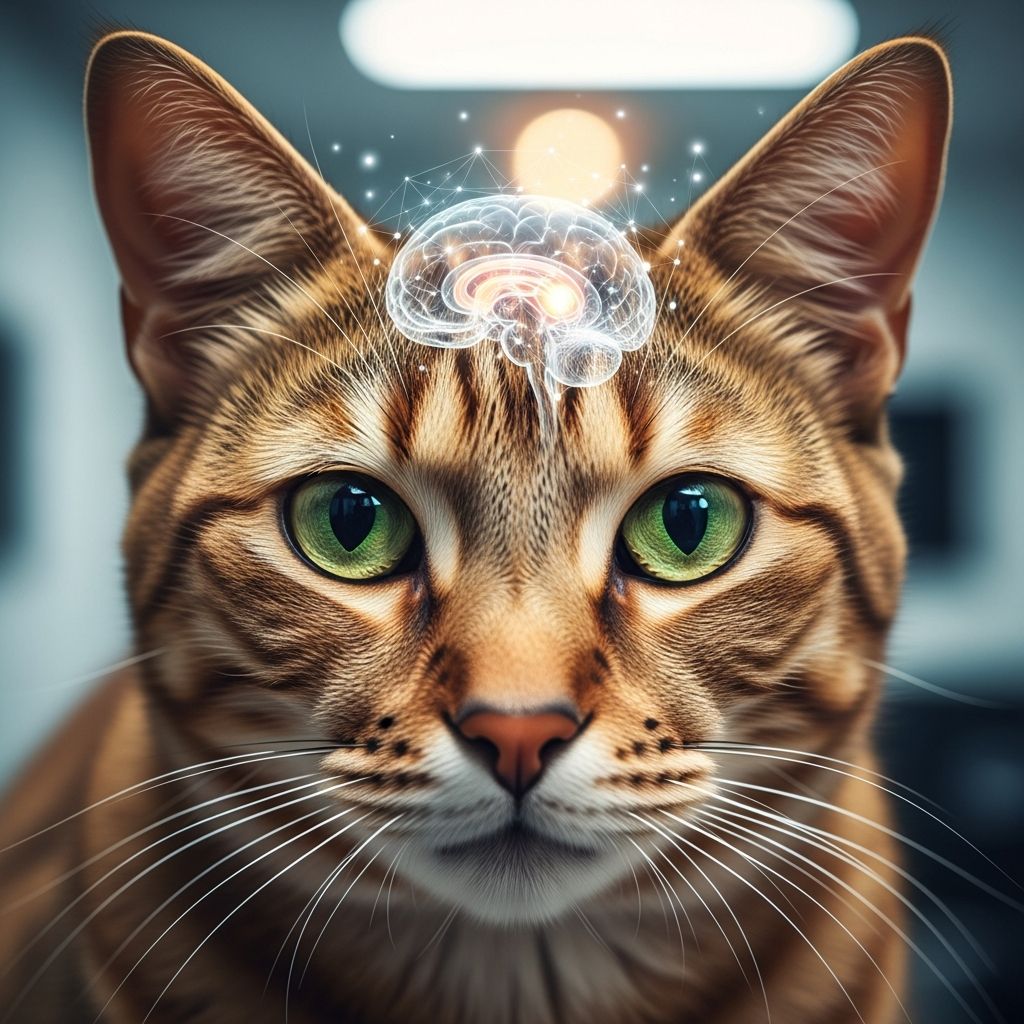
The pituitary gland, often called the master gland, sits at the base of a cat’s brain and regulates vital hormones controlling growth, metabolism, reproduction, and stress responses. When this tiny structure malfunctions, it disrupts multiple body systems, leading to complex health challenges in felines. Though uncommon, pituitary disorders demand prompt veterinary attention due to their progressive nature and potential links to diabetes or neurological issues.
Understanding the Pituitary Gland’s Role
This pea-sized organ produces hormones like adrenocorticotropic hormone (ACTH), growth hormone (GH), and thyroid-stimulating hormone (TSH). These signals direct other glands, such as the adrenals and thyroid, to maintain balance. In cats, disruptions often stem from tumors or shrinkage, causing either overproduction (hyperfunction) or underproduction (hypofunction) of hormones.
Hyperfunction typically arises from benign adenomas expanding the gland, while hypofunction results from destruction via tumors, infections, or immune attacks. Early detection hinges on recognizing subtle shifts in behavior and physiology.
Key Types of Pituitary Disorders
Cat pituitary problems fall into two categories: those with excess hormone output and those with deficiencies. Each presents distinct clinical pictures requiring tailored diagnostics and interventions.
Hyperadrenocorticism (Cushing’s Disease)
Cushing’s occurs when excessive ACTH stimulates the adrenal glands to overproduce cortisol, a stress hormone. In felines, it’s rarer than in dogs and often tied to pituitary tumors. Affected cats show pot-bellied appearances, fragile skin, poor coat quality, and increased susceptibility to infections.
- Common signs: Excessive thirst (polydipsia), frequent urination (polyuria), ravenous hunger (polyphagia), and muscle wasting leading to weakness.
- Less frequent: Vomiting, diarrhea, and behavioral changes like restlessness.
Unlike dogs, cat Cushing’s rarely causes classic skin tears but frequently overlaps with diabetes mellitus due to cortisol’s insulin-blocking effects.
Acromegaly from Growth Hormone Excess
Acromegaly develops when pituitary tumors secrete too much GH, mimicking human gigantism but causing organ enlargement in adult cats. It’s increasingly diagnosed with better diabetes screening, as 20-30% of insulin-resistant diabetic cats have it.
- Physical changes: Broadened head, enlarged paws, protruding abdomen, and heart enlargement (cardiomyopathy).
- Metabolic effects: Severe insulin resistance complicating diabetes control, weight gain despite poor appetite, and lethargy.
Cats may also exhibit neurological symptoms like circling or blindness if the tumor presses on brain tissue.
Hypopituitarism and Hormone Deficiencies
Hypopituitarism involves gland destruction, leading to shortages of multiple hormones. It’s exceedingly rare in cats, often linked to tumors or trauma.
| Symptom | Associated Hormone Lack | Impact |
|---|---|---|
| Hair loss and thin skin | Growth hormone (GH) | Alopecia on trunk, hypotonic skin |
| Delayed growth or dwarfism | GH or others | Stunted development in kittens |
| Small genitals, infertility | Luteinizing hormone | Reproductive abnormalities |
| Head pressing, vision loss | Tumor pressure | Pain and neurological deficits |
| Mental dullness | Multiple | House-training issues |
Skin darkening (hyperpigmentation) and delayed tooth eruption add to the diagnostic puzzle.
Spotting Early Warning Signs
Owners often notice changes gradually. For hyperfunction disorders, monitor for:
- Unexplained weight fluctuations amid stable diet.
- Altered litter box habits from polyuria/polydipsia.
- Coat deterioration or skin infections.
- Diabetes resistance to standard insulin doses.
Hypofunction signs mimic aging or malnutrition: lethargy, poor grooming, and weakness. Any head-related oddities like pressing against walls warrant immediate checks.
Diagnostic Approaches
Vets start with bloodwork revealing elevated glucose, liver enzymes, or cortisol levels. For Cushing’s, low-dose dexamethasone suppression tests assess cortisol response, though cats may not suppress normally.
Acromegaly diagnosis involves measuring serum GH or IGF-1 (insulin-like growth factor 1), but availability limits this. Imaging shines here: CT or MRI visualizes pituitary masses, guiding therapy.
Urine cortisol:creatinine ratios and abdominal ultrasounds rule out adrenal origins. Hypopituitarism requires hormone panels showing deficiencies.
Treatment Strategies
Management prioritizes symptom control, tumor reduction, and hormone balance. Options vary by disorder severity.
Medical Therapies
For Cushing’s, trilostane inhibits adrenal cortisol synthesis, dosed once or twice daily with monitoring for side effects like appetite loss. Mitotane, effective in dogs, underperforms in cats.
Acromegaly lacks direct GH blockers; vets escalate insulin for diabetes palliation. Hypopituitarism uses GH injections thrice weekly for 4-6 weeks, plus thyroid supplements.
Radiation Therapy Breakthroughs
Stereotactic radiation (SRT) targets pituitary tumors precisely in one session under anesthesia. For acromegaly, 66% of cats improve, with 50-92% gaining diabetes control; median survival hits 25 months.
Cushing’s benefits similarly, shrinking tumors and easing neurological signs with minimal side effects like rare blindness or hypothyroidism. Fractionated radiation (15-20 sessions) suits some cases.
Surgical Interventions
Hypophysectomy (pituitary removal) or adrenalectomy tackles tumors but carries high risks in cats due to surgical challenges. Reserved for select cases.
Supportive Care
Iatrogenic Cushing’s from steroid overuse resolves by tapering drugs gradually, possibly adding adrenal support. All treatments demand lifelong monitoring.
Prognosis and Long-Term Outlook
Cushing’s therapy is guarded; meds control signs but tumors persist. Acromegaly radiation extends life, though insulin needs often linger. Hypopituitarism prognosis is poor due to multi-hormone loss.
With vigilant care, many cats enjoy 1-2+ quality years post-treatment. Owners track weight, thirst, and appetite weekly.
Lifestyle Adjustments for Affected Cats
Provide low-stress environments, easy litter access, and senior diets for metabolic support. Regular vet visits ensure dose tweaks. Hydration stations combat polyuria.
FAQs
Is pituitary disease common in cats?
No, it’s rare, but rising acromegaly diagnoses link to better diabetes awareness.
Can diet help manage these conditions?
Prescription diets aid diabetes but don’t cure pituitary issues; focus on vet-guided plans.
What if radiation isn’t available?
Palliative insulin, meds, or steroids maintain comfort.
Do symptoms always mean a tumor?
Most hypercases yes, but rule out via imaging.
How often are follow-ups needed?
Initially biweekly for meds, then monthly; bloodwork guides adjustments.
References
- Pituitary Gland Disorders in Cats — Vetster. 2023. https://vetster.com/en/wellness/everything-you-need-to-know-about-pituitary-gland-disorders-in-cats
- Disorders of the Pituitary Gland in Cats — Merck Veterinary Manual. 2023. https://www.merckvetmanual.com/cat-owners/hormonal-disorders-of-cats/disorders-of-the-pituitary-gland-in-cats
- Cushing’s Disease in Cats: Signs and Treatment — MedVet. 2023. https://www.medvet.com/cushings-disease-in-cats/
- Destruction of the Pituitary Gland in Cats — PetMD. 2023. https://www.petmd.com/cat/conditions/endocrine/c_ct_hypopituitarism
- Cushing’s Disease in Cats: Causes, Symptoms, and Treatment — Pet Doctor X. 2023-02-15. https://www.petdoctorx.com/site/blog/2023/02/15/cushings-disease-in-cats
- Radiation Oncology: Feline Acromegaly, Pituitary Tumors in Cats — NC State Veterinary Hospital. 2023. https://hospital.cvm.ncsu.edu/services/small-animals/cancer-oncology/radiation-oncology/feline-acromegaly-pituitary-tumors-in-cats/
Similar Articles








Read full bio of Sneha Tete




