

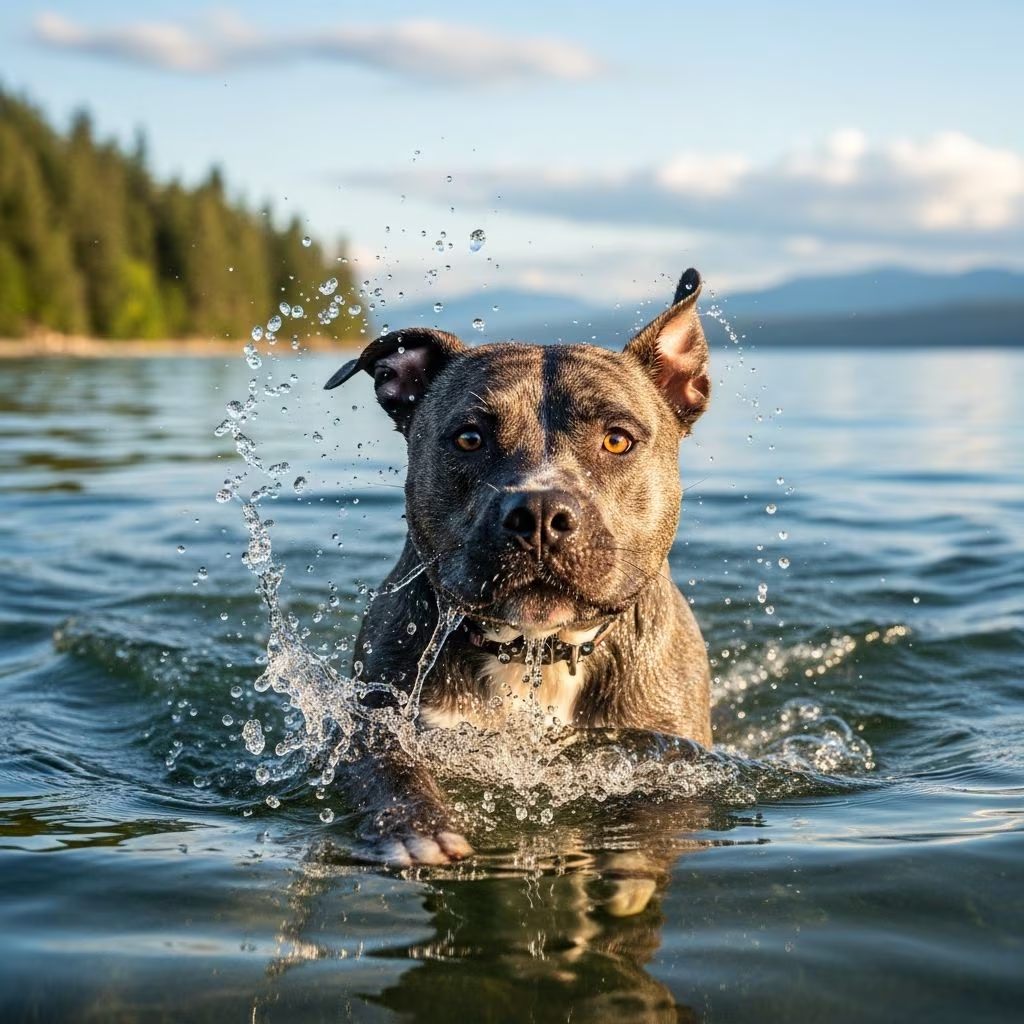
Pitbulls possess the ability to swim, though their robust physique often requires targeted training and support for optimal performance in water. Many owners observe varied affinities for water among these dogs, influenced by individual temperament and early exposures.
The Anatomy of Pitbulls in Aquatic Environments
Pitbulls feature a dense muscular structure, broad chest, and relatively large head, which collectively reduce natural buoyancy compared to breeds engineered for water retrieval. This build prioritizes land-based agility and strength, making initial water immersion more demanding as their heavy frame sinks faster without assistance. Shorter legs relative to body size further complicate paddling efficiency, demanding more energy to maintain forward momentum.
Despite these traits, pitbulls demonstrate remarkable adaptability. Their powerful leg muscles enable strong propulsion once proper form develops, turning potential liability into asset during supervised sessions. Owners frequently report that with encouragement, pitbulls navigate pools or calm lakes competently, though fatigue sets in quicker than in leaner breeds.
- Muscular density: Lowers flotation, necessitating flotation aids.
- Head and chest proportions: Increase drag, promoting a doggy paddle style over streamlined strokes.
- Leg length: Limits stride in water, but builds endurance over time.
Individual Preferences: Do Pitbulls Enjoy Water Activities?
Not all pitbulls share an innate love for water; preferences span from enthusiastic splashers to cautious observers. Some revel in sprinkler play, puddle stomping, or shallow wading, signaling openness to deeper immersion. Historical roles as farm and working dogs exposed ancestors to varied terrains, fostering versatile temperaments where water tolerance varies by socialization.
Observe behavioral cues: tail wagging near hoses or pools indicates curiosity, while tucked tails or avoidance suggest gradual introduction needed. Positive associations through play transform reluctance into enjoyment, with many pitbulls eventually chasing floating toys with zeal.
| Water Affinity Signs | Positive Indicators | Caution Signals |
|---|---|---|
| Approach Behavior | Leans in, plays with splashes | Retreats, shakes off drops |
| Play Response | Engages toys in shallows | Ignores or fears entry |
| Post-Exposure | Relaxed, seeks more | Anxious panting, hiding |
Step-by-Step Guide to Building Swimming Confidence
Initiate training in controlled settings to foster trust. Select shallow, warm waters (70-85°F) with easy access points, avoiding currents or crowds.Sessions should span 5-10 minutes initially, expanding as comfort grows.
- Desensitization Phase: Acclimate via gentle splashes or wet paws on dry land, rewarding calm with treats.
- Shallow Entry: Wade together, supporting under belly to demonstrate safety.
- Propulsion Practice: Lure with toys, praising paddle motions without submersion.
- Depth Progression: Advance incrementally, always within reach.
- Repetition: Consistency yields proficiency in weeks.
Incorporate owner participation—joining swims reassures hesitant dogs, modeling enjoyment. Positive reinforcement via toys or praise cements water as fun, not fear-inducing.
Essential Safety Equipment for Pitbull Swimmers
Life jackets rank indispensable for pitbulls, countering low buoyancy with targeted support around chest and rear. Select vests fitting snugly, featuring handles for rescue and bright colors for visibility. These devices alleviate exhaustion risks, allowing extended play without strain.
- Buoyancy boost for muscle-heavy frames.
- Handles enable quick owner intervention.
- Neck support prevents head submersion.
Beyond jackets, monitor environmental hazards: chlorine pools demand post-swim rinses to avert skin issues; natural waters require tick checks.
Health Considerations Before and After Water Time
Prioritize fitness assessments—overweight or elderly pitbulls tire rapidly, amplifying drowning risks. Post-swim, dry ears meticulously to forestall infections, rinse coats to remove irritants, and observe for lethargy or limping.
Limit sessions to 15-20 minutes for novices, watching for labored breathing or slowed strokes signaling fatigue. Hydration remains key; provide fresh water trailside.
| Pre-Swim Prep | Post-Swim Care |
|---|---|
| Warm-up walks | Full body rinse |
| Life jacket fit check | Ear drying |
| Weather suitability | Rest monitoring |
Breed Comparisons: Pitbulls Versus Water Specialists
Unlike Labrador Retrievers, whose otter tails and webbed feet propel effortless swims, pitbulls rely on learned technique. Golden Retrievers share water passion with water-repellent coats aiding insulation. Conversely, brachycephalic breeds like Boston Terriers or Shih Tzus struggle similarly due to short snouts and compact builds, mirroring pitbull challenges in stamina.
- Labrador Retriever: Natural buoyancy, endless endurance.
- Golden Retriever: Thick fur, rescue prowess.
- Boston Terrier: Breathing limits, close supervision needed.
- Shih Tzu: Low stamina, prefers land play.
Advanced Water Games and Fitness Benefits
Once proficient, introduce fetch or agility drills in water, enhancing joint health via low-impact exercise. Swimming builds cardiovascular strength, aiding weight management in muscular frames prone to obesity. Mental stimulation from novel challenges combats boredom, curbing destructive behaviors.
Group swims with compatible dogs foster socialization, but supervise to prevent overexertion.
Frequently Asked Questions
Are pitbulls born knowing how to swim?
No, their anatomy hinders instinctive swimming; training builds necessary skills.
What’s the best age to start swim training for pitbulls?
Puppies from 12 weeks onward, in shallow, warm waters with constant oversight.
Can pitbulls swim in oceans or lakes safely?
Yes, with life jackets and calm conditions; avoid rough waves due to fatigue risks.
How do I know if my pitbull is tired while swimming?
Look for slowed paddling, heavy panting, or head lowering—exit immediately.
Is swimming better than running for pitbull joint health?
Often yes, as buoyancy reduces impact on hips and knees.
Overcoming Common Challenges in Pitbull Water Training
Resistance manifests as paw lifting or backing away—counter with patience, never force. Panic paddling, resembling drowning motions, resolves via supportive holds teaching straight-leg kicks. Seasonal factors like hot summers favor pools over hikes.
Professional trainers specializing in bully breeds offer tailored programs, accelerating progress.
References
- Can Pitbulls Swim? Water Safety & Training Guide — PetsCare.com. 2024. https://www.petscare.com/news/post/can-pitbulls-swim-guide
- Do Pitbulls Like Water (and Can They Swim)? Facts & FAQ — Dogster. 2023-10-15. https://www.dogster.com/dog-health-care/do-pitbulls-like-water-and-can-they-swim
- Can Pit Bulls Swim and Do They Like Water? — Spark Paws. 2024. https://www.sparkpaws.com/blogs/community/can-pit-bulls-swim-and-do-they-like-water
- Why Your Pittie Loves Swimming: A Deep Dive — Lemon8. 2024. https://www.lemon8-app.com/@withloveroseofficial/7450898722566799914?region=us



