

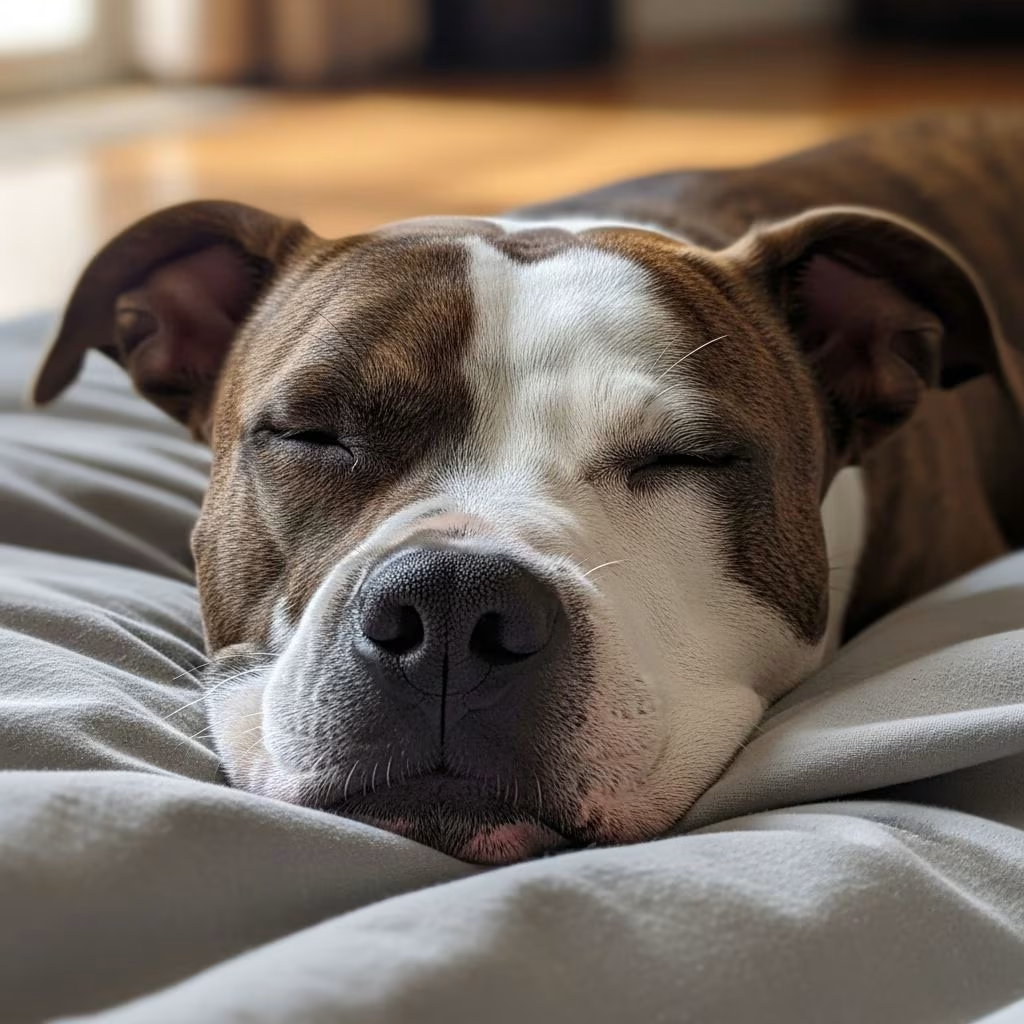
Pitbulls, known for their muscular build and loyal nature, sometimes surprise owners with loud snoring sounds during sleep. While occasional snoring might seem harmless or even endearing, persistent or sudden onset can signal underlying issues affecting your dog’s comfort and health. This guide delves into the primary factors behind Pitbull snoring, drawing from veterinary insights to help you identify when it’s normal and when professional care is needed.
The Anatomy Behind Pitbull Snoring
Pitbulls have a unique head structure that influences their breathing patterns. Although not classified as extreme brachycephalic breeds like Pugs or Bulldogs, their shorter muzzles compared to many other dogs can contribute to partial airway restrictions. During sleep, relaxed throat muscles allow soft tissues to vibrate, producing snoring sounds known as stertor—a low-pitched rumble distinct from higher-pitched stridor.
Key anatomical features include a relatively broad skull and powerful jaws, which can lead to a slightly elongated soft palate or narrower nasal passages in some individuals. Excess tissue in the throat or larynx may flop during inhalation, especially if the dog sleeps in certain positions. Understanding this baseline helps distinguish normal breed quirks from problematic conditions.
Common Triggers for Snoring in Pitbulls
Several everyday factors can prompt or worsen snoring in these athletic dogs. Here’s a breakdown of frequent culprits:
- Sleeping Posture: Pitbulls often flop onto their backs, causing the tongue to slide backward and obstruct airflow momentarily.
- Environmental Irritants: Dust, smoke, or strong odors in the home can inflame nasal passages, leading to congestion.
- Age-Related Changes: Older Pitbulls may experience tissue laxity, increasing vibration during breaths.
These benign causes typically resolve with simple adjustments, but monitoring patterns is crucial.
Health Conditions Linked to Pitbull Snoring
Beyond anatomy, medical issues play a significant role. Pitbulls, being prone to certain ailments due to genetics and lifestyle, may snore from:
Allergies and Environmental Sensitivities
Allergens like pollen, mold, or household dust trigger inflammation in the nasal passages and throat, swelling tissues and narrowing airways. Pitbulls with sensitive skin or seasonal itching often show concurrent signs such as paw licking or ear infections. Veterinary tests can pinpoint allergens, leading to targeted relief.
Obesity and Weight Management Challenges
Extra pounds deposit fat around the neck and throat, compressing the windpipe. Pitbulls, with high energy needs, can gain weight quickly on overfeeding or low activity. Studies link obesity to exacerbated snoring and daytime breathing labored efforts. A balanced diet and exercise routine often reduces symptoms dramatically.
| Factor | Impact on Airway | Pitbull-Specific Notes |
|---|---|---|
| Obesity | Fat pads narrow trachea | Common in less active adults |
| Allergies | Mucosal swelling | Often with skin flare-ups |
| Infections | Congestion blocks flow | Upper respiratory common |
Respiratory Infections and Congestion
Viral or bacterial infections mimic human colds, filling sinuses with mucus and forcing mouth breathing. Pitbulls exposed to kennels or multi-dog homes face higher risks. Watch for sneezing, discharge, or lethargy alongside snoring.
Endocrine Disorders Like Hypothyroidism
An underactive thyroid slows metabolism, causing weight gain, lethargy, and coat changes—all amplifying snoring. Blood tests confirm this treatable condition, common in middle-aged Pitbulls.
Dental and Oral Problems
Abscessed teeth or gum disease cause swelling that extends to airways. Pitbulls’ strong jaws hide pain, so regular dental checks prevent escalation.
When Snoring Signals Brachycephalic Concerns in Pitbulls
While Pitbulls aren’t classic flat-faced breeds, selective breeding for broad heads can mimic mild Brachycephalic Obstructive Airway Syndrome (BOAS). Features like stenotic nares (pinched nostrils) or everted laryngeal saccules obstruct flow, worsening with heat or exercise. Snoring that persists awake or pairs with gagging warrants imaging like laryngoscopy.
Diagnostic Steps for Concerned Pitbull Owners
Start a symptom journal noting snoring frequency, triggers, and accompaniments like coughing or fatigue. A vet exam may include:
- Physical airway assessment
- Weight and thyroid screening
- Allergy panels or endoscopy
- Radiographs for masses or foreign objects
Early detection prevents progression to emergencies like heat stroke.
Practical Remedies to Quiet Pitbull Snores
Lifestyle Modifications
Elevate the head during sleep with a supportive bed. Maintain ideal weight via portion control and daily walks—aim for 60-90 minutes of activity. Use air purifiers to cut allergens.
Home Interventions
Humidifiers add moisture to dry air, easing congestion. Nasal rinses with saline (vet-approved) clear passages. Avoid collars; opt for harnesses to prevent neck pressure.
Medical and Surgical Options
Antihistamines or steroids manage allergies. Hypothyroidism responds to daily pills. For BOAS, surgeries like palate resection improve airflow long-term.
Preventive Strategies for Lifelong Clear Breathing
Spay/neuter reduces obesity risks. Annual vet wellness includes airway checks. Breed-responsible breeding minimizes hereditary issues. Monitor puppies for early signs.
FAQs: Pitbull Snoring Essentials
Is snoring normal for Pitbulls?
Occasional yes, due to build; constant or worsening needs vet review.
Can diet stop my Pitbull’s snoring?
Weight loss diets often help if obesity contributes.
Does snoring mean my Pitbull has sleep apnea?
Possible; signs include daytime sleepiness—consult a specialist.
How to tell if snoring is serious?
Blue gums, collapse, or labored awake breathing signal urgency.
Are there toys that reduce snoring?
Interactive ones promote activity, aiding weight control indirectly.
Long-Term Outlook for Snoring Pitbulls
Most cases improve with intervention, letting your Pitbull enjoy active years. Proactive care turns potential worry into managed wellness. Consult your vet promptly for tailored plans.
References
- 8 Common Reasons Why Your Dog is Snoring — Roxyann Veterinary Clinic. 2023. https://www.roxyannvet.com/articles/627492-8-common-reasons-why-your-dog-is-snoring
- What Causes Snoring in Dogs and How to Help Your Pup — PetMD. 2024. https://www.petmd.com/dog/general-health/snoring-in-dogs
- Why does my dog snore so much? A look at brachycephalic airway complications — Cobb Veterinary Clinic. 2023. https://cobb.vet/why-does-my-dog-snore-so-much-a-look-at-brachycephalic-airway-complications/
- Snoring and Noisy Breathing (Stertor) in Dogs — Vetster. 2024. https://vetster.com/en/symptoms/dog/snoring-and-noisy-breathing
- College of Veterinary Medicine, University of Illinois at Urbana-Champaign (via referenced articles) — University of Illinois. N/A. Referenced in



