

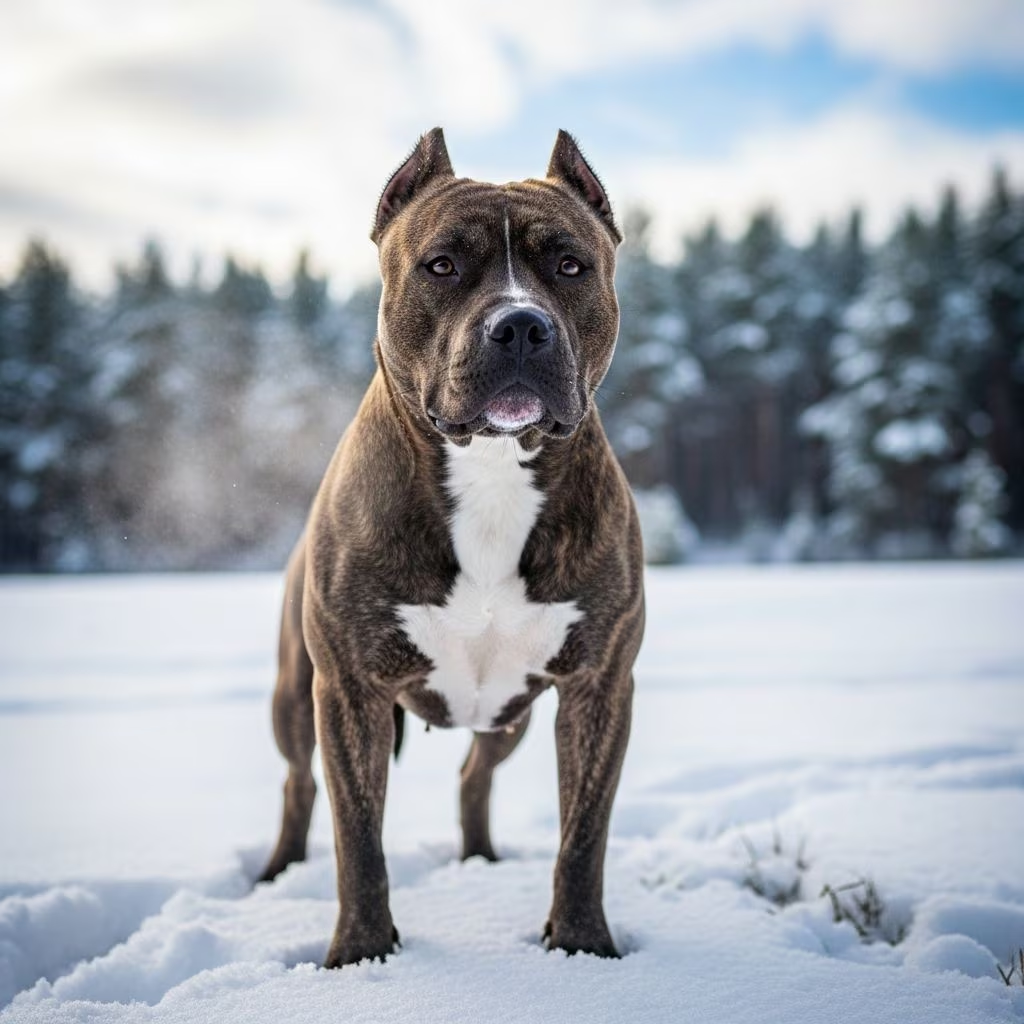
Pitbulls, with their short, single-layered coats, have limited natural protection against low temperatures, making them prone to chilling faster than double-coated breeds. Temperatures below 45°F generally pose risks for extended outdoor exposure, particularly if combined with wind, wetness, or inactivity.
Understanding Pitbull Physiology in Winter
Pitbulls possess sleek, smooth fur that offers minimal insulation, allowing body heat to dissipate rapidly when they’re stationary. Unlike Arctic breeds with dense undercoats, Pitbulls rely heavily on activity-generated warmth during cold snaps. Factors like low body fat, muscular builds, and regional acclimation influence tolerance, but no Pitbull is inherently cold-hardy.
Coat color plays no significant role in heat retention; both light and dark Pitbulls cool equally in chilly conditions. Wet fur exacerbates heat loss, dropping safe exposure limits further. Puppies under six months and seniors over seven years face heightened vulnerability due to immature thermoregulation or slowed metabolism.
Safe Temperature Thresholds for Outdoor Time
General guidelines indicate that Pitbulls should avoid prolonged outdoor stays below 45°F without supervision or shelter. At 32°F or lower, no dog should remain outside unattended, as hypothermia risks escalate sharply.
| Temperature Range | Activity Recommendation | Risk Level for Pitbulls |
|---|---|---|
| Above 50°F | Normal walks, play; no gear needed | Low |
| 40-50°F | Short outings (10-20 min); monitor closely | Moderate |
| 32-40°F | Very brief potty breaks; use coat/boots | High |
| Below 32°F | Indoor only; no unsupervised outdoor time | Extreme |
This table summarizes exposure based on activity and weather; adjust for wind chill, which can make 40°F feel like 25°F.
Recognizing Cold Stress and Hypothermia
Early hypothermia signs include shivering, hunched posture, tucked tail, and seeking warmth by curling up. Paws, ears, and gums feel icy to the touch. Advanced stages show lethargy, rapid breathing, gum paleness, and cessation of shivering as body temperature plummets below 99°F.
- Shivering: Initial muscle response to generate heat.
- Hunched back/tucked tail: Instinct to conserve core warmth.
- Cold extremities: Poor circulation to paws and ears.
- Whining or pacing: Discomfort signals.
- Lethargy/collapse: Emergency—warm gradually indoors, seek vet care.
Act immediately on these cues; untreated hypothermia can lead to organ failure or frostbite on vulnerable areas like paw pads and tail tips.
Winter Gear Essentials for Pitbull Protection
Dressing your Pitbull appropriately bridges their insulation gap. Coats with fleece lining cover the torso and neck, trapping heat effectively during walks. Waterproof materials repel snow and rain, preventing wet-cold amplification.
Paw boots shield against frostbite and salted sidewalks, which irritate skin. Look for adjustable, flexible designs for mobility. Indoor pajamas or blankets provide overnight coziness, especially for chill-sensitive sleepers.
- Coats: Fleece-lined, waterproof, chest coverage.
- Boots: Insulated, grippy soles for traction.
- Scarves/Bandanas: Neck warmth boosters.
- Bedding: Orthopedic, elevated from floors.
Tailored Advice for Puppies and Senior Pitbulls
Pitbull Puppies
Pups chill at warmer temps (above 50°F risky), as their small size and high surface-to-volume ratio accelerates cooling. Limit outdoor time to supervised potty breaks; bundle in coats for any venture. Wet or windy days demand indoor-only protocols.
Senior Pitbulls
Aging slows heat production; arthritis limits movement, worsening chill. Keep seniors indoors below 50°F, providing heated mats or vests. Monitor for flu-like symptoms, as immunity wanes in cold.
Daily Winter Routines and Home Adjustments
Shift exercise indoors during deep freezes: puzzle toys, treadmill walks, or indoor fetch maintain fitness without exposure. Potty pads or enclosed runs minimize yard time. Home tweaks like draft-blocking, heated beds, and humidity control prevent dry-air exacerbated cold sensitivity.
For unavoidable outdoors, preheat paths and wipe paws post-exposure to remove irritants. Hydration matters—warm water encourages drinking amid dry winter air.
Health Monitoring and Vet Guidance
Regular vet checks assess coat quality, weight, and thyroid function, as underweight or hypothyroid Pitbulls tolerate cold poorly. Annual bloodwork flags issues early. Emergency signs warrant immediate care: rectal temp below 99°F signals crisis.
Comparing Pitbulls to Cold-Tolerant Breeds
Pitbulls lag behind breeds like Siberian Huskies or Great Pyrenees, whose double coats and fat layers enable outdoor living in sub-zero temps. If guardianship in harsh climates is key, reconsider breed choice; Pitbulls thrive as indoor companions.
Frequently Asked Questions
Can Pitbulls play in snow briefly?
Yes, active play under 30 minutes in light snow is fine if dressed warmly, generating body heat. Avoid stationary lounging.
Do dark-coated Pitbulls handle cold better?
No, coat color doesn’t affect insulation; all short-haired Pitbulls need equal protection.
How long for a walk at 30°F?
10-15 minutes max, with coat and boots; shorten for pups/seniors.
Signs my Pitbull has frostbite?
Discolored, swollen, or painful paws/ears post-cold exposure—vet ASAP.
Best indoor winter activities?
Training sessions, scent games, or flirt poles keep energy high safely.
Long-Term Winter Wellness Plan
Acclimate gradually pre-winter with short exposures and gear training. Nutrition boosts matter: high-fat foods enhance insulation without weight gain. Track temps via apps, correlating with behavior logs for personalized limits.
Community resources like breed clubs offer gear reviews and local climate tips. Prioritize welfare—Pitbulls’ loyalty deserves proactive safeguarding against winter woes.
References
- Do Pitbulls get cold in the winter? – SpiritDog Training — SpiritDog Training. Accessed 2026. https://spiritdogtraining.com/do-pitbulls-get-cold-in-the-winter/
- Can Pit Bulls Handle Cold Weather? – Spark Paws — Spark Paws. Accessed 2026. https://www.sparkpaws.com/blogs/community/can-pit-bulls-handle-cold-weather
- How Cold is Too Cold for Dogs? – Taconic Veterinary Center — Taconic Veterinary Center. Accessed 2026. https://taconicvet.com/blog/dog-wear-a-coat/
- How Cold Is Too Cold for Your Dog? – PetMD — PetMD. Accessed 2026. https://www.petmd.com/dog/care/how-cold-too-cold-dog
- How Cold is Too Cold for Dogs – Thrive Pet Healthcare — Thrive Pet Healthcare. Accessed 2026. https://www.thrivepetcare.com/thrive-guide/how-cold-is-too-cold-for-dogs



