

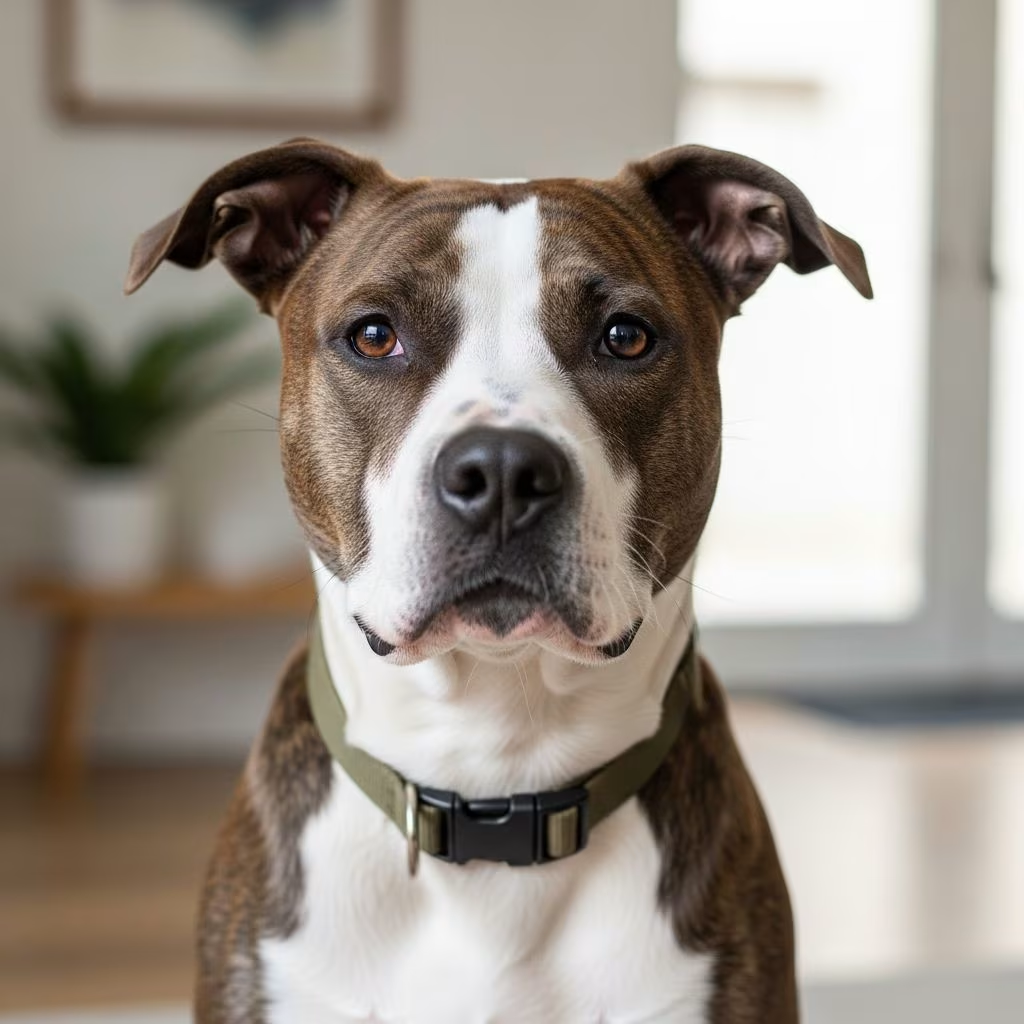
The American Pit Bull Terrier captivates many with its muscular build and enthusiastic personality, but is it suitable for someone adopting their first dog? This breed offers loyalty and playfulness, yet demands commitment from novices in training and socialization.
Understanding the Pit Bull’s Core Traits
Pit Bulls embody strength, confidence, and a zest for life that makes them stand out among companion dogs. Recognized by the United Kennel Club, these medium-sized, short-haired dogs trace their roots to working lineages but shine today as family pets when properly managed. Their eagerness to please fosters strong bonds, particularly with children, where they display patience and gentleness.
Key characteristics include natural agility, enabling impressive climbing ability, which necessitates secure fencing to prevent escapes. While intelligent and trainable for performance events, their physique and occasional dog selectivity require vigilant owners. Human aggression is rare and disqualifying in breed standards, underscoring their friendly disposition toward people.
Temperament Insights from Reliable Tests
Modern temperament evaluations paint Pit Bulls in a positive light. The American Temperament Test Society (ATTS) data shows pitbull-type breeds averaging 91.3% pass rates, surpassing the 83.0% all-breed average and ranking in the top 20% of 198 evaluated breeds.
- American Pit Bull Terrier: 87.6%
- American Staffordshire Terrier: 85.7%
- Staffordshire Bull Terrier: 91.9%
- American Bully: 100%
These scores measure stability, shyness resistance, friendliness, and protective instincts, affirming Pit Bulls’ reliability. Scientific studies reinforce this, finding breed accounts for less than 10% of aggression variance, with environment and experiences dominating.
Debunking Common Myths About Aggression
Media often portrays Pit Bulls as inherently dangerous, yet evidence disagrees. Comparisons with Golden Retrievers show no significant aggression differences between pitbull-types and popular breeds. The ASPCA emphasizes behavior arises from genetics-environment interplay, not breed alone; even dogs bred for specific traits vary widely based on upbringing.
Factors like early nutrition, maternal stress, housing, and socialization shape outcomes more than lineage. Well-managed Pit Bulls thrive as therapy dogs, service animals, and police K9s, countering stereotypes.
Training Essentials for Success
For first-time owners, obedience training is non-negotiable. Pit Bulls’ tenacity and intelligence respond best to positive reinforcement, building trust and curbing stubborn streaks. Daily sessions strengthen the human-dog bond while addressing their high energy.
Socialization from puppyhood introduces diverse environments, people, and animals, mitigating dog selectivity common in the breed. Categories of dog tolerance vary: from fully social to selective or aggressive, influenced by genetics and management. Proactive leadership shifts most toward tolerance.
| Tolerance Level | Description | Management Tips |
|---|---|---|
| Dog Social | Enjoys all dogs, forgiving of rudeness | Minimal supervision needed |
| Dog Tolerant | Indifferent or friendly, relaxed body language | Leash control in new settings |
| Dog Selective | Picks friends, dictates play rules | Supervised interactions |
| Dog Aggressive | Limited friends, needs strong handling | Heavy supervision, training focus |
Supervise introductions, halting at signs like stiffening or growling.
Exercise and Daily Care Requirements
Pit Bulls crave vigorous activity to channel their athleticism. A daily routine of walks, fetch, or agility prevents boredom-driven mischief. Though tough, they dislike cold, requiring shelter in harsh weather.
Grooming is simple: short coats shed minimally, needing weekly brushes and baths. Monitor nails, ears, and teeth for health. Nutrition supports their muscular frame; consult vets for breed-appropriate diets.
Pros and Cons for Novice Handlers
Weighing benefits against challenges helps beginners decide.
- Pros: Affectionate family dogs, kid-friendly, intelligent, versatile in sports
- Cons: High exercise needs, potential dog reactivity, strength requires control, breed stigma complicates housing
Experienced owners manage these effortlessly, but novices must prepare.
Are You Ready? Self-Assessment Guide
Evaluate lifestyle fit with these questions:
- Can you commit 1-2 hours daily to exercise and training?
- Do you have space for secure fencing and play?
- Are you willing to pursue professional training classes?
- Can you handle a strong, energetic dog on leash?
- Is your home pet-friendly despite breed restrictions?
Affirmative answers signal readiness; otherwise, consider calmer breeds.
Health Considerations and Lifespan
Pit Bulls live 12-14 years, prone to hip dysplasia, allergies, and heart issues. Regular vet checkups, weight management, and responsible breeding mitigate risks. Spay/neuter reduces certain cancers.
Legal and Housing Realities
Breed-specific legislation (BSL) affects ownership in some areas. Research local laws and HOAs; some rentals ban Pit Bulls unfairly. Advocacy groups push for evidence-based policies recognizing individual assessments over breed labels.
Success Stories from Real Owners
Many first-timers succeed with Pit Bulls through dedication. One owner shares: early socialization turned a puppy into a gentle family guardian. Therapy Pit Bulls visit hospitals, proving their stable temperaments.
Alternatives if Pit Bulls Aren’t Ideal
For less experienced owners, try Labrador Retrievers or Boxers—similar energy but milder dog sociability.
Frequently Asked Questions (FAQs)
Are Pit Bulls good with kids?
Yes, they are noted for loving children when supervised, matching top breeds in stability.
How much exercise do they need?
At least 60 minutes of vigorous activity daily, plus mental stimulation.
Can first-timers train them alone?
Positive methods work, but classes aid novices handling strength.
Do they protect homes well?
Friendly to strangers, better as alert barkers than guards.
What’s the best socialization age?
Start at 8 weeks, continue through adolescence.
References
- American Pit Bull Terrier – United Kennel Club (UKC) — United Kennel Club. Accessed 2026. https://www.ukcdogs.com/american-pit-bull-terrier
- American Pit Bull Terrier — Wikipedia. Accessed 2026. https://en.wikipedia.org/wiki/American_Pit_Bull_Terrier
- Temperament of Pit Bulls – PitbullHero — PitbullHero. 2023-01. https://www.pitbullhero.org/pit-bulls-temperament
- The American Pit Bull Terrier Dog Breed – Hill’s Pet Nutrition — Hill’s Pet Nutrition. Accessed 2026. https://www.hillspet.com/dog-care/dog-breeds/american-pit-bull-terrier
- Tips for Pit Bull Owners – Lane County — Lane County Government. Accessed 2026. https://www.lanecountyor.gov/government/county_departments/public_works/general_services/animal_services/tips_for_pit_bull_owners
- Position Statement on Pit Bulls | ASPCA — ASPCA. Accessed 2026. https://www.aspca.org/about-us/aspca-policy-and-position-statements/position-statement-pit-bulls



