

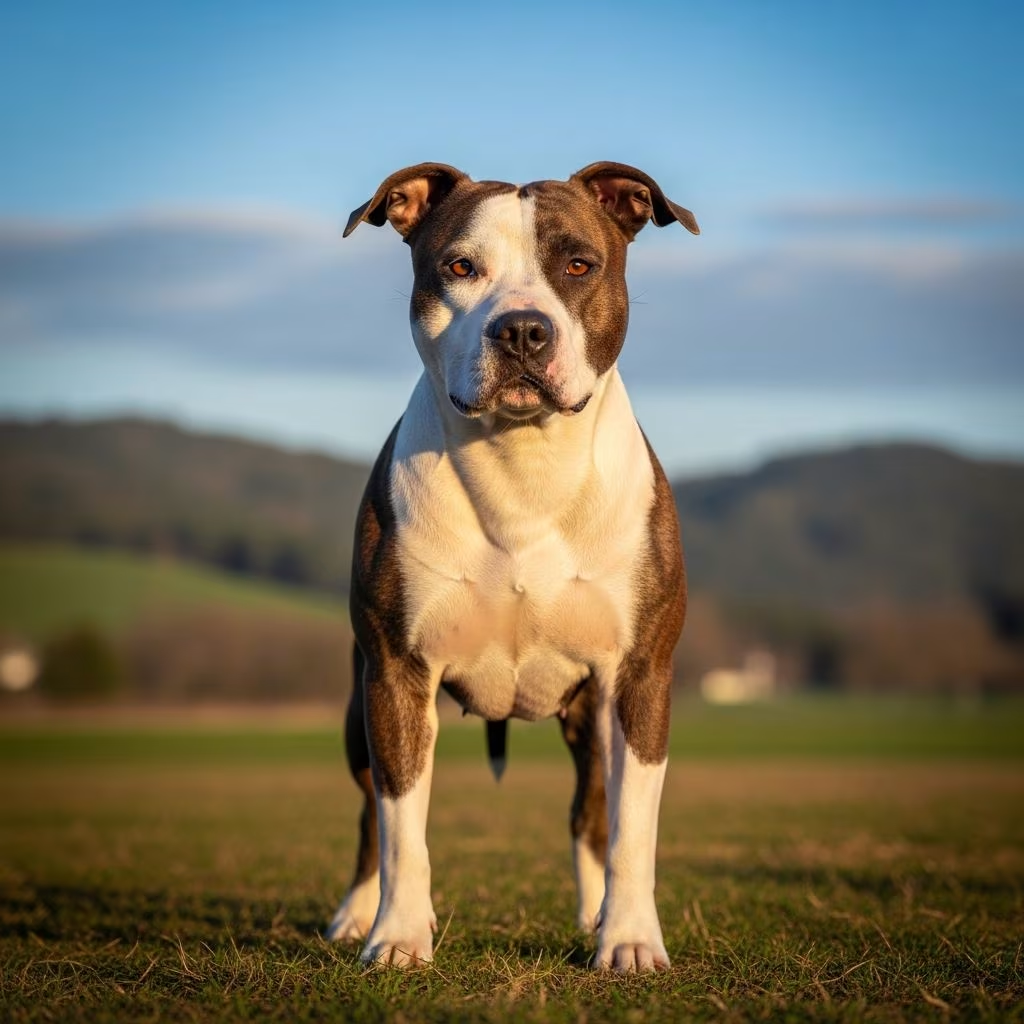
Pit Bull Terriers: America’s Most Popular Dog Breed
Pit bull terriers hold a special place in American culture and households across the nation. Despite decades of misconceptions and negative stereotypes, these remarkable dogs continue to win hearts with their loyalty, affection, and gentle nature. Understanding the true history and characteristics of pit bull terriers reveals why so many families consider them treasured members of their households.
Understanding the Pit Bull Terrier
The term “pit bull terrier” encompasses several breeds and breed mixes that share common ancestry and physical characteristics. These dogs are known for their muscular build, athletic prowess, and distinctive appearance. However, appearance alone does not define these dogs—their temperament, intelligence, and capacity for love distinguish them as exceptional companions.
The Rich History of Pit Bull Terriers
The origins of pit bull terriers trace back to early 19th-century Britain, where they descended from Old English Bulldogs and various terrier breeds. These initial crosses were created by combining the strength and courage of bulldogs with the agility and tenacity of terriers, resulting in dogs with remarkable athleticism and endurance. Originally, these bull-and-terrier crosses served practical purposes on farms and in industry, helping farmers herd livestock, pull loads, and protect property.
The name “pit bull” itself derives from the historical practice of ratting, where dogs were placed in pits to control rodent populations. Later, this term became associated with organized dog fighting, a dark chapter in the breed’s history. However, it is crucial to understand that the selective breeding practices used during this era also cultivated a crucial trait: bite inhibition toward humans. Handlers needed to safely enter pits and manage their dogs without fear of being bitten. Dogs that displayed aggression toward humans were typically culled from breeding programs, ensuring that surviving generations possessed gentle temperaments around people.
From Fighting Dogs to Family Companions
When dog fighting was banned in England around 1835 and subsequently outlawed in most American states by the 1860s, pit bull terriers underwent a remarkable transformation. Rather than disappearing, these dogs found new purposes as valued family pets and working dogs. Farmers and ranchers recognized the breed’s talents and employed them as catch dogs for semi-wild cattle and hogs, as hunting companions, and as beloved family members. The breed quickly became popular across the United States as people discovered their loyalty, affection, and unwavering devotion to their families.
Breed Recognition and Standards
The journey toward formal breed recognition reflected the breed’s evolution. The United Kennel Club (UKC) first registered the American Pit Bull Terrier in 1898, followed by the American Dog Breeders Association (ADBA) in 1909. Later, the American Kennel Club (AKC) recognized a similar breed under the name American Staffordshire Terrier in 1935. This separation represented an important distinction: while one line continued to be bred for show and companionship, the AKC specifically prohibited the recognized dogs from being used in organized fighting.
Characteristics and Temperament
Physical Attributes
Pit bull terriers possess distinctive physical characteristics that make them immediately recognizable. Their muscular, athletic build reflects their heritage as working dogs, combining strength with agility. These dogs typically weigh between 30 and 70 pounds and stand 18 to 21 inches tall at the shoulder, though individual variations exist among different lines and mixed breeds. Their coat colors range from solid colors to brindle and spotted patterns, with tan, white, and red being particularly common.
Temperament and Personality
Despite their intimidating appearance, pit bull terriers are known for their affectionate, loyal, and friendly nature. The breed embodies the warrior virtues of strength, courage, and gentleness with loved ones. These dogs form intense bonds with their families and are often described as “love bugs” by owners who appreciate their enthusiasm for human companionship. Their intelligence and eagerness to please make them responsive to training when handled with consistency and positive reinforcement.
Contrary to popular misconception, pit bull terriers are not inherently aggressive toward humans. Their selective breeding history actually cultivated the opposite trait—a genuine desire to interact peacefully with people. Their playful nature, combined with their strength, means they require responsible owners who understand proper handling and socialization from an early age.
Training and Socialization Needs
Like all dogs, pit bull terriers benefit tremendously from early socialization and consistent training. Exposing puppies to various people, environments, and experiences helps them develop into well-adjusted adults. These intelligent dogs respond well to positive reinforcement training methods that reward desired behaviors with treats, praise, and play.
Professional training can be particularly beneficial for pit bull terriers, not because the breed is inherently difficult, but because responsible owners recognize the importance of demonstrating their dog’s good temperament and obedience to others. Many pit bull owners engage in activities specifically designed to highlight their dogs’ positive qualities and athletic abilities, including dock diving, weight pulling, and agility competitions.
Health and Care Requirements
Pit bull terriers are generally healthy, robust dogs when responsibly bred and cared for. They typically live 12 to 15 years with proper nutrition, exercise, and veterinary care. These active dogs require regular physical exercise—at least one to two hours daily—to maintain optimal health and mental stimulation. Without adequate exercise and mental enrichment, any dog can develop destructive behaviors.
Routine veterinary check-ups, vaccinations, and preventative care are essential. A high-quality diet appropriate for their size and activity level supports their muscular build and overall wellbeing. Regular grooming, including nail trimming and ear cleaning, contributes to their comfort and health. Many pit bull owners also invest in training and behavior management to ensure their dogs are well-mannered community members.
The Misunderstanding and Stigma
Despite their gentle nature and loyal temperament, pit bull terriers have become subject to negative stereotypes and breed-specific legislation in many communities. Much of this stigma derives from their historical association with dog fighting, combined with sensationalized media coverage of isolated incidents. However, statistics and research from veterinary and animal behavior organizations reveal that breed is not a reliable predictor of aggression or dangerousness.
Individual dogs, regardless of breed, develop behavior patterns based on their genetics, training, socialization, and treatment by their owners. Responsible ownership, proper training, and humane treatment create well-behaved, trustworthy companions. Conversely, abuse, neglect, and inadequate socialization can create behavioral problems in any breed.
Pit Bulls as Family Companions
Many American families have discovered firsthand that pit bull terriers make exceptional family pets. Their playful nature, patience with children, and unwavering loyalty create strong family bonds. These dogs often exhibit remarkable patience and gentleness with children, though, like all dogs, they should be supervised with young children and taught mutual respect.
Pit bull owners frequently describe their dogs as “couch potatoes” at home who enthusiastically greet every family member, friends, and even strangers with joy. Their exuberance and affection sometimes get them into trouble—they may knock people over with their enthusiasm rather than any aggressive intent. This friendly, outgoing nature actually makes them poor guard dogs, as they are more likely to greet an intruder than threaten them.
Community and Advocacy Efforts
Responsible breeders and animal lovers have made significant progress in recent decades in improving the image of pit bull terriers and challenging negative stereotypes. Organizations dedicated to pit bull welfare and education work tirelessly to promote accurate information about the breed and advocate for fair treatment. These efforts include educational programs, responsible breeding initiatives, and community outreach designed to shift public perception.
Many communities have moved away from breed-specific legislation toward more effective, science-based approaches focused on individual dog behavior and owner responsibility. This shift recognizes that any dog, regardless of breed, can be a wonderful companion when raised and trained responsibly, while any dog can develop problems when neglected or abused.
Athletic and Competitive Activities
Pit bull terriers excel in various athletic and competitive activities that showcase their intelligence, athleticism, and trainability. These sports provide appropriate outlets for their natural drives and energy while demonstrating their positive qualities:
– Weight pulling competitions test their strength and obedience- Dock diving showcases their athletic abilities and love of water- Agility courses highlight their speed, coordination, and responsiveness to commands- Obedience competitions demonstrate their intelligence and eagerness to please- Therapy dog work allows them to use their gentle nature to comfort others
The Future of the Breed
The future of pit bull terriers rests in the hands of responsible owners and breeders who understand and appreciate the breed’s true nature. Those who own and admire these dogs for who they really are—and do so responsibly—hold the breed’s future and public perception in their hands. Continuing to demonstrate pit bull terriers’ loyalty, affection, and gentle nature to the broader public gradually shifts perceptions and challenges long-standing stereotypes.
Frequently Asked Questions About Pit Bull Terriers
Q: Are pit bull terriers aggressive by nature?
A: No. Pit bull terriers were selectively bred to be gentle with humans while possessing strength and courage. Individual behavior depends on genetics, training, socialization, and treatment by owners, not breed alone. Responsible ownership and proper socialization create well-behaved, friendly companions.
Q: Are pit bull terriers good family dogs?
A: Yes. Pit bull terriers are known for their loyalty, affection, and devotion to family members. They are often playful and patient, making them suitable family pets for households with children when properly supervised and trained.
Q: How much exercise do pit bull terriers need?
A: Pit bull terriers are active dogs requiring at least one to two hours of daily exercise. They benefit from walks, runs, play sessions, and mental stimulation activities. Regular exercise helps maintain their physical health and prevents destructive behaviors.
Q: Can pit bull terriers be trained?
A: Absolutely. Pit bull terriers are intelligent, eager-to-please dogs that respond well to positive reinforcement training methods. Many excel in obedience competitions, agility courses, and specialized activities that showcase their abilities.
Q: Why do pit bull terriers have such a negative reputation?
A: The negative reputation stems from historical association with dog fighting, combined with sensationalized media coverage of isolated incidents. This stigma persists despite evidence that breed is not a reliable predictor of aggression and that individual behavior depends on multiple factors including training and treatment.
Q: What is the lifespan of a pit bull terrier?
A: Pit bull terriers typically live 12 to 15 years with proper nutrition, exercise, veterinary care, and responsible ownership. Individual lifespans vary based on genetics, health management, and living conditions.
Q: Are pit bull terriers legal in all areas?
A: No. Some communities have breed-specific legislation restricting or banning pit bull terriers. However, many areas have moved toward breed-neutral legislation focusing on individual dog behavior and owner responsibility rather than breed designation.
References
- The History and Development of the American Pit Bull Terrier — Vito Malia. 2024. https://vitomalia.com/en/blogs/hunderassen/die-geschichte-und-entwicklung-des-american-pit-bull-terrier
- History — United American Pit Bull Terrier Organization. 2024. https://uapbto.org/our-breed/history/
- American Pit Bull Terrier Dog Breed — Nylabone. 2024. https://www.nylabone.com/dog101/american-pitbull-terrier
- Pit Bull — Wikipedia Contributors. 2025. https://en.wikipedia.org/wiki/Pit_bull
- The History of Pit Bulls — Love-A-Bull. 2024. https://love-a-bull.org/resources/the-history-of-pit-bulls/
- Position Statement on Pit Bulls — ASPCA. 2024. https://www.aspca.org/about-us/aspca-policy-and-position-statements/position-statement-pit-bulls



