

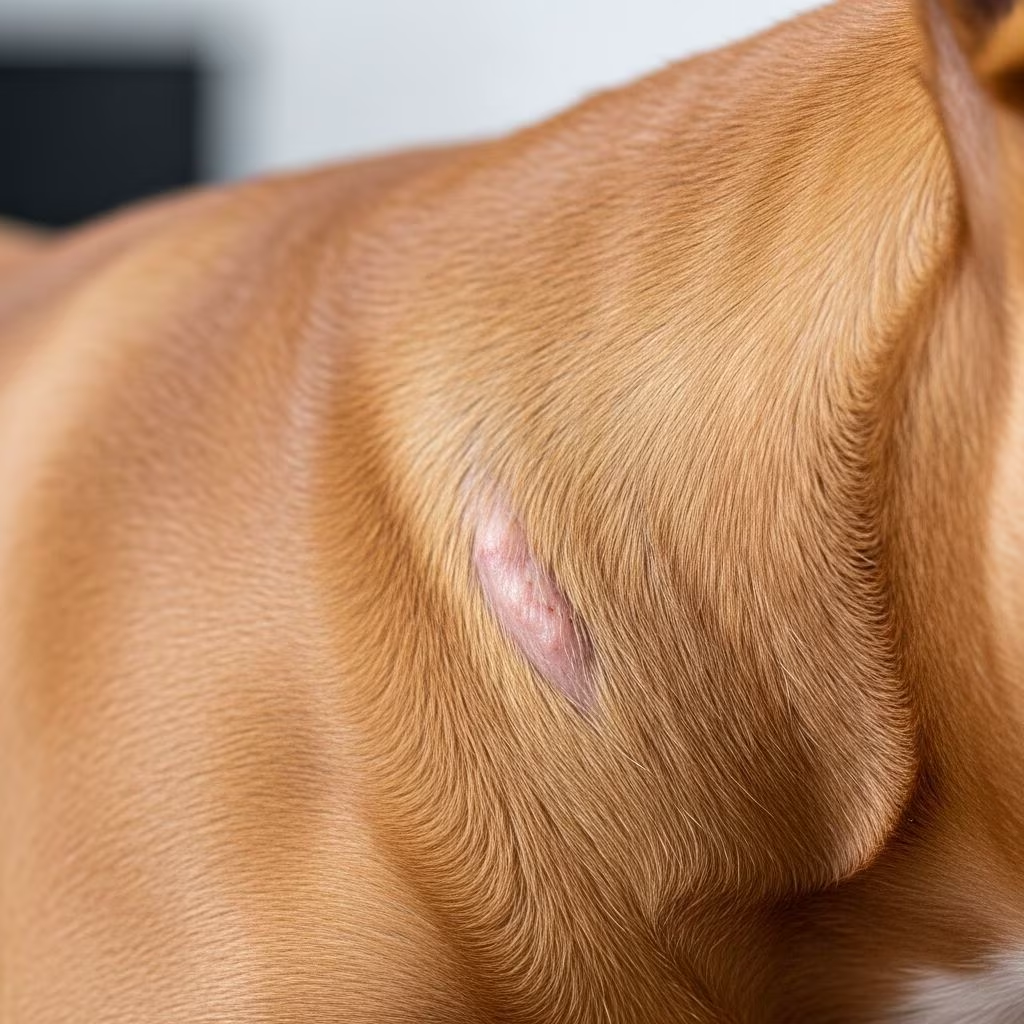
Pit bulls are beloved companions known for their loyalty and energy, but many owners face a common challenge: managing their dogs’ skin health. These muscular canines are particularly susceptible to dermatological problems due to their genetic predisposition and unique coat characteristics. Understanding why pit bulls develop skin issues, recognizing early warning signs, and knowing how to address these conditions can significantly improve your dog’s quality of life and comfort.
Why Pit Bulls Are Prone to Skin Problems
Pit bulls face greater challenges with skin health compared to many other dog breeds for several interconnected reasons. The breed’s short coat structure, lacking a protective undercoat, leaves their skin more vulnerable to external irritants and environmental stressors. Unlike dogs with dense double coats that provide insulation and barrier protection, pit bulls have minimal natural defense against allergens, parasites, and harsh weather conditions.
Genetics play an equally significant role in this predisposition. Many pit bulls inherit a dysfunctional skin barrier that compromises their skin’s ability to retain moisture and repel allergens. This inherited weakness means their skin doesn’t function optimally as a protective organ, making them more susceptible to developing allergic skin disease and secondary infections. The combination of these genetic and structural factors creates a perfect storm for dermatological challenges.
Recognizing Warning Signs and Symptoms
Early detection of skin problems can prevent minor issues from escalating into serious conditions. Dogs experiencing skin discomfort often engage in self-destructive behaviors as they attempt to relieve their itching and pain, which can worsen the underlying problem. Be vigilant for these telltale indicators:
- Red or inflamed patches of skin
- Excessive paw chewing, licking, or biting
- Persistent scratching, especially in localized areas
- Dry, flaky, or scaly skin texture
- Visible scabs, sores, or crusty formations
- Unusual odors emanating from the skin or ears
- Patchy or generalized hair loss
- Greasy or oozing skin appearance
Additionally, watch for behavioral changes such as excessive head shaking, which often indicates ear infections commonly associated with skin allergies. If your pit bull suddenly becomes fixated on licking or chewing specific body parts, this frequently signals allergic reactions or localized infections requiring veterinary attention.
Environmental Allergens and Seasonal Reactions
Just as humans experience seasonal allergies, pit bulls can develop heightened sensitivities during specific times of year. Environmental allergens including pollen, dust mites, mold spores, and pesticides trigger immune responses that manifest first in the skin. Spring and fall seasons often bring increased pollen counts, while indoor allergens like dust mites persist year-round.
Environmental allergen exposure frequently results in itching, redness, and secondary complications. The immune system overreacts to these harmless particles, causing inflammation and discomfort. Managing environmental allergies involves both environmental modifications and medical intervention. Consider using air purifiers in your home to reduce airborne irritants, regularly washing your dog’s bedding, and wiping your pit bull’s paws after outdoor activities to remove allergen particles.
Food Allergies and Dietary Triggers
Nutritional choices significantly impact pit bull skin health. Certain protein sources and grain products commonly trigger allergic reactions. Beef and chicken, despite being popular protein bases in many dog foods, frequently cause allergies in sensitive pit bulls. Wheat, often used as an inexpensive filler or binding agent in commercial formulations, poses problems not just from the grain itself but specifically from the gluten protein it contains.
Food allergies typically manifest as rashes, excessive paw chewing, or chronic ear infections. Unlike environmental allergies that often show seasonal patterns, food allergies persist year-round since your dog consumes the problematic ingredient regularly. Identifying food triggers may require an elimination diet under veterinary supervision, where you systematically remove potential allergens and reintroduce them one at a time to pinpoint the culprit. Working with your veterinarian to transition to hypoallergenic, limited-ingredient diets can dramatically improve your pit bull’s skin condition.
Flea Allergy Dermatitis: A Unique Challenge
Flea allergy dermatitis (FAD) represents one of the most frustrating skin conditions pit bulls face because it doesn’t require a visible flea infestation to cause severe problems. The condition develops when a dog’s immune system overreacts to proteins in flea saliva that enter the skin during a bite. Even a single flea bite can trigger intense itching and allergic reactions in susceptible dogs.
One of the paradoxes of FAD involves dogs with minimal or no apparent fleas experiencing severe symptoms. The extreme itching and grooming behaviors actually kill or remove the fleas, leaving no visible evidence of infestation while the allergic reaction continues. This can lead owners to underestimate the seriousness of the condition. Persistent scratching, licking, and biting of affected areas result in hair loss, redness, inflammation, and vulnerability to secondary bacterial infections from open sores.
Prevention through consistent flea control is crucial. Regular application of veterinary-prescribed flea preventatives—whether topical, oral, or collar-based—protects your pit bull from both the direct irritation of flea bites and the allergic cascade that follows.
Hot Spots: Acute Skin Inflammation
Hot spots, medically termed acute moist dermatitis, develop as localized areas of skin inflammation combined with bacterial infection. These painful, wet, inflamed patches appear suddenly and spread rapidly if left untreated. The condition typically begins when a dog licks, scratches, or bites an itchy area, creating a cycle where the trauma to the skin worsens the original problem.
The vicious cycle of hot spot development illustrates how skin conditions compound. Initial irritation from allergies, parasites, or other triggers causes itching. Your dog’s natural response to relieve discomfort involves intense licking, scratching, or biting. This repeated trauma damages the skin barrier further, making it susceptible to bacterial colonization. The resulting infection creates additional inflammation and itching, driving more self-trauma and perpetuating the cycle.
Hot spots require prompt veterinary intervention to break this destructive pattern. Treatment typically involves clipping the fur around the affected area, cleaning the wound, and applying topical or systemic antibiotics. Your vet may also recommend pain relief medication and an Elizabethan collar to prevent further self-trauma.
Parasitic Infestations and Mange
Demodectic mange, caused by an overgrowth of microscopic mites, represents the most common type of mange affecting dogs. While demodectic mange is not contagious between dogs, leaving it untreated can progress to severe and painful stages. These mites live naturally on all dogs’ skin in small numbers but proliferate when the immune system becomes compromised or weakened.
Characteristic symptoms of mange include:
- Severe itching and discomfort
- Red, inflamed skin
- Scaly or crusty skin texture
- Patchy hair loss that may spread across the body
- Thickened, darkened skin in advanced cases
Management strategies for mange typically involve multiple therapeutic approaches. Medicated shampoos and dips applied regularly help control mite populations and soothe inflamed skin. Oral medications such as ivermectin or milbemycin, prescribed by your veterinarian, target mites systemically and often prove more effective than topical treatments alone. For sarcoptic mange, which is contagious between animals, treating all household pets simultaneously is essential to prevent reinfection.
Fungal Infections and Ringworm
Ringworm, despite its name, is not caused by parasitic worms but rather by fungal organisms that thrive in warm, humid environments. These fungi flourish in conditions like skin folds, areas with compromised barriers from allergies, or damp spaces in your home. Transmission occurs through direct contact with infected animals or humans, contaminated objects, or spores in the environment.
Fungal skin infections present distinctive characteristics:
- Circular, raised lesions with characteristic central hair loss
- Scaly or crusty appearance
- Redness and inflammation around the lesion edges
- Potential for rapid spread without treatment
Diagnosis typically requires fungal culture or specialized lighting examination by your veterinarian. Treatment involves antifungal shampoos or topical ointments applied directly to affected areas, along with systemic oral antifungal medications for widespread infections. Environmental management, including disinfecting bedding and contaminated surfaces, prevents reinfection and transmission to household members or other pets.
Bacterial Infections and Pyoderma
Pyoderma, a bacterial skin infection, frequently emerges as a secondary condition rather than a primary disease. Pit bulls with allergic reactions, skin wounds, or compromised barriers become vulnerable to bacterial overgrowth and infection. Additionally, hormonal imbalances within the body can predispose dogs to developing bacterial skin infections, making comprehensive diagnostic evaluation important.
Skin infections in pit bulls can be purely bacterial, purely yeast-based, or involve both organisms simultaneously. Visual signs include pink or red skin, pimple-like pustules, yeasty odors, or large patches of red, oozing, or crusty skin. These infections are typically profoundly itchy, driving further self-trauma and complications.
Treatment approaches include topical antibiotic or antifungal shampoos designed to eliminate infection while soothing inflamed skin, along with oral antibiotics prescribed based on bacterial culture and sensitivity results. Addressing the underlying cause—whether allergies, moisture, or other predisposing factors—is essential to prevent recurrent infections.
Genetic Skin Conditions Unique to Pit Bulls
Beyond acquired conditions, pit bulls can inherit specific genetic skin disorders that require lifelong management. Ichthyosis, a severe genetic condition, causes abnormal dryness and excessive flaking of the skin. Typically developing when pit bulls are young, this condition is confirmed through skin biopsy and has no cure. Management involves special medicated shampoos, fish oil supplements, and consistent moisturizing protocols throughout your dog’s life.
Zinc-responsive dermatosis affects pit bulls who cannot adequately absorb zinc from their diet despite adequate nutritional intake. Symptoms include hair loss and skin scaliness, particularly around sensitive areas like the eyes, mouth, and genital regions. Supplementing with zinc typically resolves symptoms, though supplementation must continue indefinitely.
Hyperkeratosis and other hereditary dermatitis types also affect pit bulls at higher frequencies than other breeds, underscoring the importance of genetic awareness when selecting breeding stock and understanding your individual dog’s predispositions.
When to Seek Veterinary Care
Your veterinarian is your best resource for accurate diagnosis and treatment planning. Contact your vet promptly if your pit bull exhibits:
- Excessive itchiness that interferes with sleep or daily activities
- Red or inflamed areas not improving within a few days
- Pimple-like spots, pustules, or crusty formations
- Progressive hair loss or bald patches
- Excessive scaling, dandruff, or dry skin flaking
- Yeasty or unusual odors from skin or ears
- Oozing, weeping, or greasy skin appearance
- Visible parasites like fleas or ticks
- Lumps, masses, or growths on or beneath the skin
Prevention and Long-Term Management Strategies
While some skin conditions result from genetic predisposition, many problems can be minimized through proactive management. Regular grooming sessions allow early detection of skin issues before they escalate. Consistent flea prevention protects against parasitic problems and flea allergy dermatitis. Environmental modifications—including air purification, allergen reduction, and humidity control—minimize triggers.
Nutritional management plays a crucial role in maintaining skin barrier function and preventing allergic reactions. Working with your veterinarian to identify appropriate protein sources and grain-free or limited-ingredient diets can transform your pit bull’s skin health. Omega-3 and omega-6 fatty acid supplementation supports skin barrier integrity and reduces inflammation.
Prompt veterinary attention when problems arise prevents minor issues from becoming serious infections or chronic conditions. Building a strong relationship with your veterinarian enables collaborative management of your individual pit bull’s unique skin challenges.
Frequently Asked Questions About Pit Bull Skin Health
Why do pit bulls get so many skin problems?
Pit bulls are genetically predisposed to skin issues due to inherited dysfunctional skin barriers and their short coat lacking a protective undercoat. This combination leaves them vulnerable to allergens and infections that other breeds can better resist.
Can pit bull skin allergies be cured?
Most allergies cannot be permanently cured but can be effectively managed through environmental modifications, dietary changes, medications, and preventative care. Genetic conditions like ichthyosis require lifelong management rather than cure.
What is the best food for pit bulls with skin allergies?
Hypoallergenic, limited-ingredient diets that avoid common allergens like beef, chicken, and wheat work best for many pit bulls. An elimination diet conducted under veterinary supervision can identify your specific dog’s triggers.
Is demodectic mange contagious?
Demodectic mange is not contagious between dogs, but sarcoptic mange is highly contagious and requires treating all household pets simultaneously.
How long does it take to treat pit bull skin infections?
Treatment duration varies depending on infection type and severity. Bacterial infections typically improve within 2-3 weeks with appropriate antibiotics, though treatment may need to continue longer. Addressing underlying causes prevents recurrence.
References
- Common Pit Bull Skin Issues — Natural Dog Company. Accessed January 2026. https://naturaldog.com/blogs/whole-dog-health/common-pit-bull-skin-issues
- Common Pitbull Skin Issues & How To Treat Them — Spark Paws. Accessed January 2026. https://www.sparkpaws.com/blogs/community/common-pitbull-skin-issues
- 7 Potential Pit Bull Skin Issues and Treatments — PetLab Co. Accessed January 2026. https://thepetlabco.com/learn/dog/health-wellness/pit-bull-skin-issues
- Pit Bull Skin Issues (And Fixes): A Complete Guide — Wild Earth. Accessed January 2026. https://wildearth.com/blogs/dog-knowledge/a-complete-guide-to-pit-bull-skin-issues-and-fixes
- Atopic dermatitis (atopy) — Cornell University College of Veterinary Medicine. Accessed January 2026. https://www.vet.cornell.edu/departments-centers-and-institutes/riney-canine-health-center/canine-health-topics/atopic-dermatitis-atopy



