

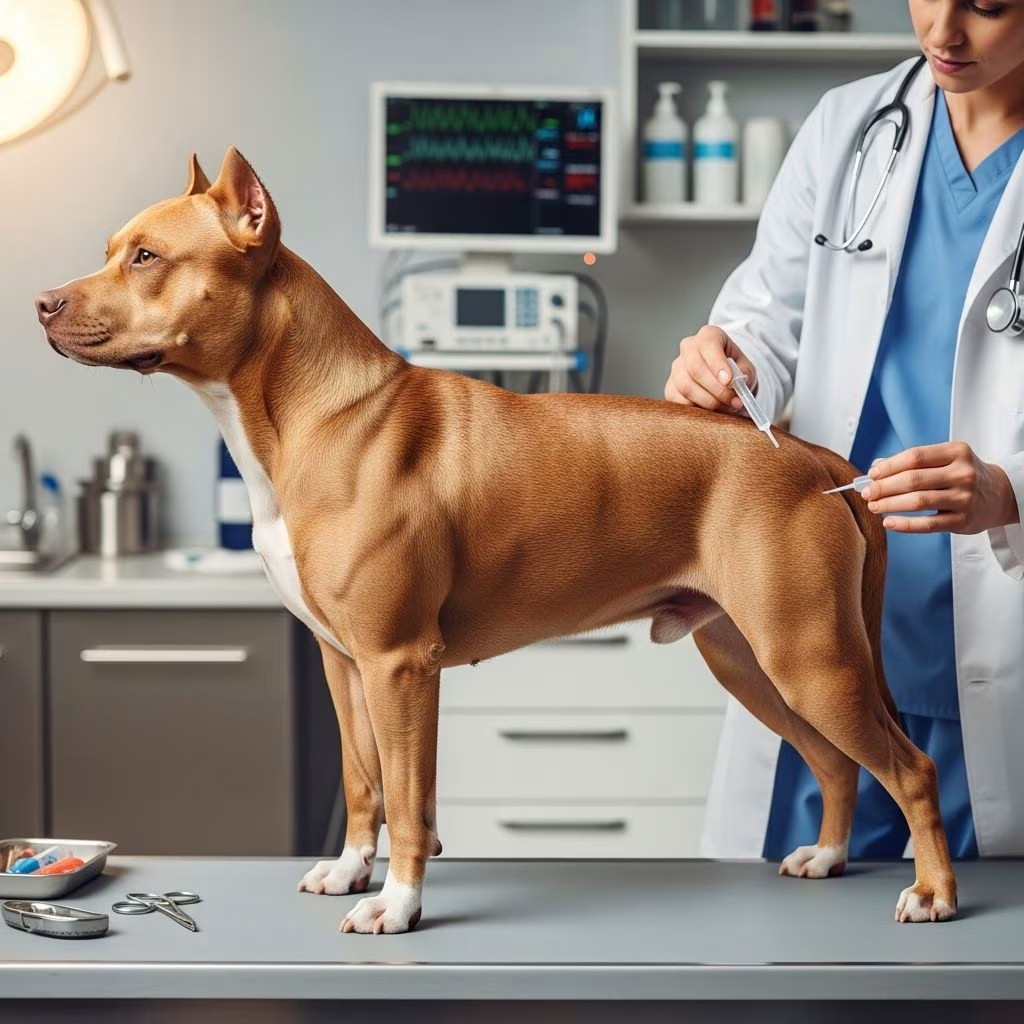
Female pit bulls, like all unspayed female canines, experience reproductive cycles that are essential to understand as a responsible pet owner. These cycles, medically referred to as estrous cycles, represent the period during which your pit bull becomes fertile and capable of conceiving. Understanding the timing, duration, and signs associated with these cycles is crucial for managing your dog’s health, preventing unwanted pregnancies, and ensuring she receives appropriate care during this sensitive time.
When Do Pit Bulls Reach Sexual Maturity?
The age at which a female pit bull experiences her first heat cycle is an important milestone in her reproductive development. Female pit bulls typically undergo their initial heat cycle between 6 and 12 months of age, with the most common occurrence happening around 8 months. However, individual variation is significant, and factors including genetics, overall health status, and body condition can influence the exact timing.
It’s important to recognize that even though your pit bull may be biologically capable of becoming pregnant during this first heat cycle, she is not yet fully mature physically or emotionally. Veterinarians generally recommend waiting until after the second or even third estrous cycle before considering breeding, as this allows the dog to reach full skeletal and reproductive maturity. Breeding a dog during her first heat cycle increases health risks for both the dam and any resulting puppies.
Frequency of Heat Cycles in Pit Bulls
Once a female pit bull reaches sexual maturity and begins cycling, the pattern typically becomes predictable, though some variation remains normal. Most pit bulls will experience heat cycles approximately twice per year, translating to roughly every six months. This means if your pit bull has her first heat in March, you can generally expect the next cycle around September, though the exact timing may shift slightly.
Several factors influence the frequency of heat cycles in individual pit bulls:
- Age: Young pit bulls may have irregular cycles for up to two years before settling into a regular pattern
- Health status: Systemic illnesses or hormonal imbalances can affect cycling frequency
- Breed characteristics: While pit bulls typically cycle twice yearly, breed-specific variations exist among different dog types
- Individual variation: Some pit bulls may cycle as frequently as three times per year or as infrequently as once yearly
Duration of the Heat Cycle
The complete heat cycle in pit bulls typically spans approximately 21 days, though the range can extend from 14 to 28 days depending on the individual dog. Understanding that the total cycle length differs from the actual fertile period is essential for proper management and breeding considerations.
To ensure your pit bull remains safely away from potential mates, veterinarians recommend isolating her from male dogs for approximately 35 days, which provides a safety buffer beyond the typical cycle duration. This extended precaution accounts for individual variation and ensures protection against unexpected pregnancies.
The Four Stages of Pit Bull Heat Cycles
The canine estrous cycle consists of four distinct physiological stages, each with characteristic signs and durations. Understanding these stages helps you anticipate your pit bull’s needs and identify exactly where she is in her cycle.
Proestrus Stage
The proestrus stage marks the beginning of the heat cycle and typically lasts 7 to 10 days, though it can extend up to four weeks in some cases. During this period, the vulva becomes noticeably swollen, and a bloody or blood-tinged vaginal discharge appears. This discharge serves as a chemical signal to male dogs, making them intensely interested in your pit bull.
Despite attracting male attention, female pit bulls in the proestrus stage are not yet receptive to mating and will actively refuse advances from males. This stage is sometimes described as the “warning phase,” as it signals the approach of fertility without conferring it.
Estrus Stage
The estrus stage, commonly referred to as being “in heat” or “in season,” is the period when your pit bull is fertile and receptive to mating. This stage typically lasts 5 to 10 days, though it can range from 3 to 21 days. During estrus, the ovaries release eggs available for fertilization, and the vaginal discharge typically becomes lighter or may cease entirely.
Your pit bull’s behavior undergoes dramatic changes during this stage. She becomes actively receptive to male dogs and will display distinctive signals indicating her readiness to breed. A common behavior is “flagging,” where the female deflects her tail to the side and raises her rear end when approached by males. She may also initiate contact with male dogs and demonstrate increased restlessness and urination frequency.
Diestrus Stage
The diestrus stage represents the transition out of the fertile period and lasts considerably longer than the previous stages—typically 10 to 140 days. During this phase, the pit bull is no longer fertile. The vulva returns to its normal size, and vaginal discharge ceases. Your dog either enters a resting state or, if breeding occurred successfully, becomes pregnant.
Behaviorally, pit bulls in diestrus return to normal activity levels and cease displaying the distinctive heat-related behaviors. For unspayed pit bulls that were not successfully bred, this stage provides a period of reproductive dormancy before the cycle begins again.
Anestrus Stage
Anestrus represents the longest stage of the reproductive cycle, lasting approximately 4 to 5 months in most pit bulls. This is the true “off-season” when no reproductive activity occurs. The pit bull exhibits no signs of cycling, and her behavior returns completely to normal. Following the anestrus stage, the cycle begins again with proestrus.
Physical and Behavioral Signs of Heat in Pit Bulls
Recognizing the signs that your pit bull is entering a heat cycle allows you to implement appropriate management strategies promptly. The indicators include both observable physical changes and alterations in behavior.
Physical Indicators
- Vulvar swelling: The external genital tissue becomes visibly enlarged and turgid
- Vaginal discharge: Blood-tinged or bloody discharge appears, most prominent during proestrus
- Nipple enlargement: The mammary tissue and associated nipples may become noticeably swollen
- Coat changes: Some pit bulls show increased luster or subtle changes in coat appearance
Behavioral Indicators
- Increased urination: Frequent urination, including marking behavior indoors, signals reproductive readiness
- Restlessness: Pit bulls in heat often appear anxious and unable to settle comfortably
- Affection changes: Some dogs become more clingy and demanding of attention, while others may show increased aggression or irritability
- Vocalization: Increased barking or whining, particularly when male dogs are nearby
- Escape attempts: Pit bulls in heat may become more motivated to escape and seek out male dogs
- Flagging behavior: The distinctive tail-repositioning and rear-elevation display occurs during estrus
Managing Your Pit Bull During Heat Cycles
Proper management during heat cycles is essential for preventing unwanted pregnancies and maintaining your pit bull’s comfort and safety. Several strategies can help you navigate this period successfully.
Isolation and Containment
Keeping your pit bull separated from intact male dogs is the most effective prevention method. This includes not only dogs in your household but also neighborhood dogs during walks. Indoor management such as keeping her confined to specific areas and maintaining secure fencing or barriers prevents unexpected contact with potential mates.
Exercise and Mental Stimulation
Restlessness often accompanies heat cycles. Providing appropriate exercise and mental enrichment can help channel your pit bull’s excess energy constructively. Indoor play sessions, puzzle toys, and training exercises may help redirect her focus during this period.
Health Monitoring
Maintaining cleanliness is important during cycles when vaginal discharge is present. Regular gentle cleaning with warm water helps prevent skin irritation. Monitor your pit bull for signs of infection, excessive licking, or signs of distress, which warrant veterinary evaluation.
Breeding Considerations for Pit Bull Owners
If you are considering breeding your female pit bull, understanding the reproductive cycle is fundamental to breeding success and your dog’s health.
- Optimal breeding timing: The estrus stage is the appropriate period for breeding, typically occurring 5 to 10 days into the complete heat cycle
- Age recommendations: It is advisable to wait until your pit bull has completed at least her second heat cycle before considering breeding, preferably her third. This ensures full physical maturity and reduces health complications
- Veterinary consultation: Before breeding, comprehensive consultation with your veterinarian is essential to evaluate your pit bull’s health status, genetic fitness, and suitability for reproduction
- Post-cycle considerations: Wait at least one month following the end of a heat cycle before scheduling spaying procedures, as the reproductive tract undergoes changes during this recovery period
Spaying as an Alternative to Managing Heat Cycles
Spaying, or ovariohysterectomy, remains the most effective, safe, and commonly recommended method for preventing heat cycles, eliminating the risk of unwanted pregnancies, and reducing overpopulation in animal shelters. Spaying involves surgical removal of the ovaries and uterus, permanently eliminating estrous cycles.
Beyond reproductive management, spaying provides additional health benefits, including prevention of ovarian and uterine cancers and reduction of mammary tumor risk, particularly when performed before the first heat cycle. Consult your veterinarian about the optimal timing and procedure for your individual pit bull.
Frequently Asked Questions About Pit Bull Heat Cycles
At what age can a pit bull become pregnant?
Female pit bulls can technically become pregnant during their first heat cycle, which commonly occurs around 8 months of age. However, pregnancy at this young age carries significant health risks for both the dam and offspring. Veterinarians recommend waiting until after the second or third heat cycle before breeding to allow for complete physical maturation.
How can I prevent my pit bull from becoming pregnant?
The most reliable prevention methods are spaying and strict isolation from intact males during heat cycles. Keeping your pit bull indoors and away from other dogs for the 35-day period beginning at the start of proestrus provides reliable protection.
Is my pit bull in pain during her heat cycle?
While some restlessness and discomfort may occur, the heat cycle is not typically painful. However, if your pit bull shows signs of severe distress, excessive licking of the genital area, or signs of infection, veterinary evaluation is warranted to rule out complications.
How long does the bloody discharge last?
The most visible discharge typically occurs during proestrus and early estrus, usually lasting 7 to 10 days during the proestrus stage and potentially continuing with lighter flow into the estrus stage.
Will my pit bull’s behavior return to normal after her heat cycle?
Yes, once the estrus stage concludes and diestrus begins, behavioral changes associated with heat subside. Your pit bull will return to her normal temperament and activity levels.
Conclusion
Understanding your pit bull’s reproductive cycle is a fundamental aspect of responsible dog ownership. From recognizing the age of her first heat cycle to managing the behavioral and physical changes accompanying each stage, knowledge enables you to provide appropriate care and protection. Whether you choose to breed your pit bull or pursue spaying, making informed decisions based on complete understanding of her reproductive health ensures her wellbeing and contributes to responsible pet population management.
References
- Dogs In Heat: Timeline, Duration, and Symptoms — PetMD. Accessed January 2026. https://www.petmd.com/dog/general-health/dog-in-heat
- Dog in Heat: A Guide for Paw Rents — Pet Doctor of Chandler. Accessed January 2026. https://www.petdoctoraz.com/blog/dog-in-heat-a-guide-for-paw-rents
- When Does a Pitbull Go into Heat? Vet-Verified Facts & FAQ — Dogster. Accessed January 2026. https://www.dogster.com/dog-health-care/when-does-a-pitbull-go-into-heat
- Dog in Heat (Canine Estrus): Symptoms and Spaying — WebMD. Accessed January 2026. https://www.webmd.com/pets/dogs/how-tell-if-dogs-heat
- Estrous Cycles in Dogs — VCA Animal Hospitals. Accessed January 2026. https://vcahospitals.com/know-your-pet/estrus-cycles-in-dogs



