

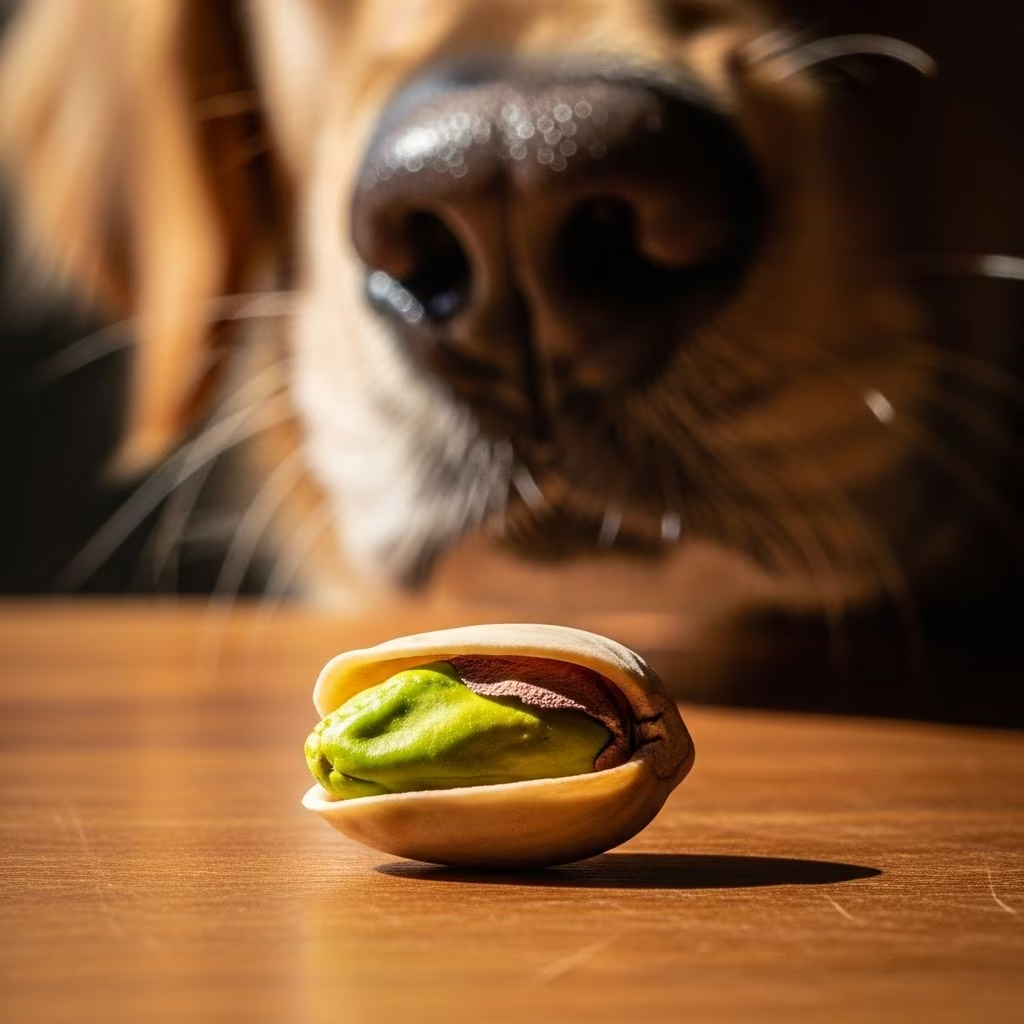
As a pet owner, you likely wonder about which human foods are safe to share with your furry companion. Pistachios, with their vibrant green color and enticing flavor, might seem like a harmless treat to offer your dog. However, the question of whether dogs can safely consume pistachios requires careful consideration of several factors, including nutritional content, portion sizes, and potential health complications.
Understanding the Nutritional Profile of Pistachios
Pistachios do contain certain nutrients that can benefit dogs when consumed appropriately. These nuts provide protein, which supports muscle development and maintenance in canines. Additionally, pistachios contain essential vitamins and minerals including vitamin B6, thiamine, copper, and manganese, all of which play important roles in your dog’s metabolic processes and overall health.
The nuts also contain antioxidants and unsaturated fats, along with dietary fiber and potassium. These components can contribute positively to a dog’s diet in controlled amounts. However, the beneficial aspects of pistachios are significantly outweighed by their potential risks, particularly when dogs consume them in larger quantities.
Primary Health Concerns Associated with Pistachio Consumption
The Fat Content Dilemma
One of the most significant concerns with feeding pistachios to dogs relates to their high fat content. A single cup of pistachios contains approximately 56 grams of fat, which is roughly four times the recommended daily fat intake for a 33-pound dog. Excessive fat consumption can lead to multiple serious health conditions in canines, including obesity, cardiovascular issues, and most critically, pancreatitis—an inflammation of the pancreas that requires immediate veterinary attention.
Pancreatitis in dogs can develop suddenly and progress rapidly. Signs indicating your dog may be experiencing this condition include severe lethargy, abdominal pain, persistent vomiting, severe dehydration, and in extreme cases, shock or collapse. Any dog exhibiting these symptoms after consuming fatty foods like pistachios should receive emergency veterinary care immediately.
Aflatoxin Poisoning Risks
Pistachios, like many tree nuts and crops, can become contaminated with aflatoxins—toxins produced by the Aspergillus mold fungus. These mycotoxins can accumulate on nuts during storage and may not be visibly apparent. Dogs are particularly susceptible to aflatoxin poisoning, which can cause serious liver damage and neurological issues.
The Federal Drug Administration has identified aflatoxins as a legitimate food safety concern on nuts and grains, including pistachios. If your dog consumes older or improperly stored pistachios, the risk of aflatoxin exposure increases significantly. Symptoms of aflatoxin poisoning in dogs can include jaundice, lethargy, vomiting, loss of appetite, and abdominal pain.
Physical Hazards and Choking Risks
Beyond internal health concerns, pistachios present physical dangers to dogs. The hard shells can pose choking hazards, particularly for smaller breed dogs or dogs that tend to swallow food without adequate chewing. When pistachio shells break, they can create sharp, jagged pieces that might puncture or damage the esophagus or other parts of the digestive tract, potentially requiring surgical intervention.
Even shelled pistachios can cause intestinal blockages, especially in toy breeds or smaller dogs. A single pistachio could potentially cause a complete bowel obstruction in a tiny dog, necessitating emergency surgery. Signs of choking or obstruction include panic, pawing at the mouth, coughing, unresponsiveness, difficulty swallowing, or complete inability to pass food through the digestive system.
Phosphorus and Bladder Stone Formation
Pistachios contain elevated levels of phosphorus, a mineral that can increase the likelihood of bladder stone formation in susceptible dogs. Dogs with a history of urinary tract issues or those prone to mineral imbalances should avoid pistachios entirely, as the phosphorus content could exacerbate existing conditions.
Sodium Content Concerns
Most commercially available pistachios are salted, and excessive salt consumption is unhealthy for dogs. Salt can contribute to hypertension, increase thirst, and potentially lead to sodium ion toxicity in extreme cases. Dogs lack the ability to regulate sodium intake as effectively as humans, making salted foods particularly problematic for their health.
Immediate Actions if Your Dog Consumes Pistachios
The appropriate response depends on several variables, including the size of your dog, the number of pistachios consumed, whether the nuts were shelled, and the age or storage condition of the pistachios.
Assessment Criteria for Determining Urgency
- Dog Size Relative to Amount Consumed: A toy breed consuming an entire pistachio faces greater risk than a large-breed dog eating the same amount. A small dog eating a single whole pistachio may require monitoring for intestinal blockage.
- Shell Status: Shelled pistachios present fewer immediate physical hazards than in-shell nuts, though the nutritional concerns remain identical.
- Nut Age and Condition: Recently purchased, properly stored pistachios pose lower aflatoxin risks compared to older nuts or those stored in humid conditions.
- Quantity Consumed: Consuming a handful of pistachios warrants different intervention than consuming an entire bag.
When to Seek Immediate Veterinary Care
Contact your veterinarian or emergency veterinary clinic immediately if your dog consumed a large quantity of pistachios, if your dog is a small breed that ate even a few nuts, or if you notice any concerning symptoms. Do not wait to see if symptoms develop; early intervention can prevent serious complications.
Monitoring for Delayed Symptoms
After pistachio consumption, observe your dog closely over the following 24-48 hours for signs of gastrointestinal distress. Symptoms may include diarrhea, vomiting, loss of appetite, or abdominal discomfort. Additionally, monitor for signs of potential blockage, such as constipation, lethargy, or inability to eat normally.
Safe Guidelines for Pistachio Feeding
If you choose to offer pistachios to your dog despite the risks, strict safety protocols must be followed:
- Purchase Plain, Unsalted Varieties: Select pistachios that contain no added salt or seasonings, as these additives increase health risks.
- Remove All Shells: Never offer in-shell pistachios to dogs; always remove the hard outer covering.
- Crush or Smash Before Serving: Break nuts into small pieces or crush them to reduce choking hazard risks.
- Limit Frequency and Portion Size: Offer pistachios only as an occasional treat, not as a regular dietary component.
- Mix Into Regular Food: Combine small pistachio pieces with your dog’s normal food to reduce choking risk and promote proper digestion.
Dogs That Should Never Consume Pistachios
Certain dogs face elevated risks and should avoid pistachios entirely. Dogs with a history of pancreatitis or those currently overweight should never consume high-fat foods like pistachios, as their digestive systems are particularly vulnerable to complications. Dogs with a history of intestinal blockages, food sensitivities, or existing gastrointestinal conditions should also avoid these nuts. Additionally, toy and small-breed dogs should not be offered pistachios due to the severe choking and blockage hazards.
Alternative Treat Options for Your Dog
Rather than risking your dog’s health with pistachios, consider safer treat alternatives that provide nutritional value without the associated dangers. Carrots, green beans, and sweet potato pieces offer fiber and vitamins with minimal fat content. Plain, cooked chicken breast provides lean protein. Apples (without seeds) and blueberries offer antioxidants. These alternatives can be offered more frequently and with significantly less risk to your dog’s health.
Pistachio Products to Avoid
Pistachio Ice Cream
Pistachio-flavored ice cream is particularly problematic for dogs. Beyond the pistachio component itself, ice cream contains high levels of sugar and fat, both detrimental to canine health. Many ice cream products also contain xylitol, an artificial sweetener that is toxic to dogs, or chocolate in certain varieties. Additionally, many dogs experience lactose intolerance, making dairy-based treats problematic even without added ingredients.
Processed Pistachio Products
Avoid any processed foods containing pistachios intended for human consumption, including trail mixes, candies, or baked goods. These products typically contain additional salt, sugar, and other ingredients unsuitable for dogs.
When Individual Sensitivity Matters
Some dogs demonstrate individual sensitivity to the fats present in nuts, meaning that even minimal pistachio consumption can trigger gastrointestinal upset or pancreatitis symptoms. If your dog has previously shown sensitivity to fatty foods, or if pancreatitis runs in your dog’s breed or family line, avoid pistachios completely regardless of portion size.
Consulting Your Veterinarian
Before introducing any new food to your dog’s diet, including pistachios, consult with your veterinarian. Your vet can evaluate your dog’s individual health status, weight, digestive sensitivity, and medical history to provide personalized dietary recommendations. This is especially important for dogs with pre-existing health conditions, senior dogs, or puppies whose systems are still developing.
Summary of Key Takeaways
While pistachios are not inherently toxic to dogs, the risks significantly outweigh any nutritional benefits. The high fat content poses serious pancreatitis risks, aflatoxin contamination can cause liver damage, and the physical structure of the nuts creates choking and blockage hazards. Small dogs, dogs with health conditions, and dogs with dietary sensitivities should never consume pistachios. If your dog has consumed pistachios, assess the situation carefully and contact your veterinarian if concerned. When safer, more appropriate treat options exist that provide similar nutritional benefits without the risks, the choice to avoid pistachios becomes clear.
References
- Can Dogs Eat Pistachios? — American Kennel Club. Accessed 2026. https://www.akc.org/expert-advice/nutrition/can-dogs-eat-pistachios/
- Can Dogs Eat Pistachios? Here Are The Risks! — Pawlicy Advisor. Accessed 2026. https://www.pawlicy.com/blog/can-dogs-eat-pistachios/
- Can My Dog Eat Pistachios? — Rover.com. Accessed 2026. https://www.rover.com/blog/can-my-dog-eat-pistachios/
- Can Dogs Eat Pistachios? — PetMD. Accessed 2026. https://www.petmd.com/dog/nutrition/can-dogs-eat-pistachios



