

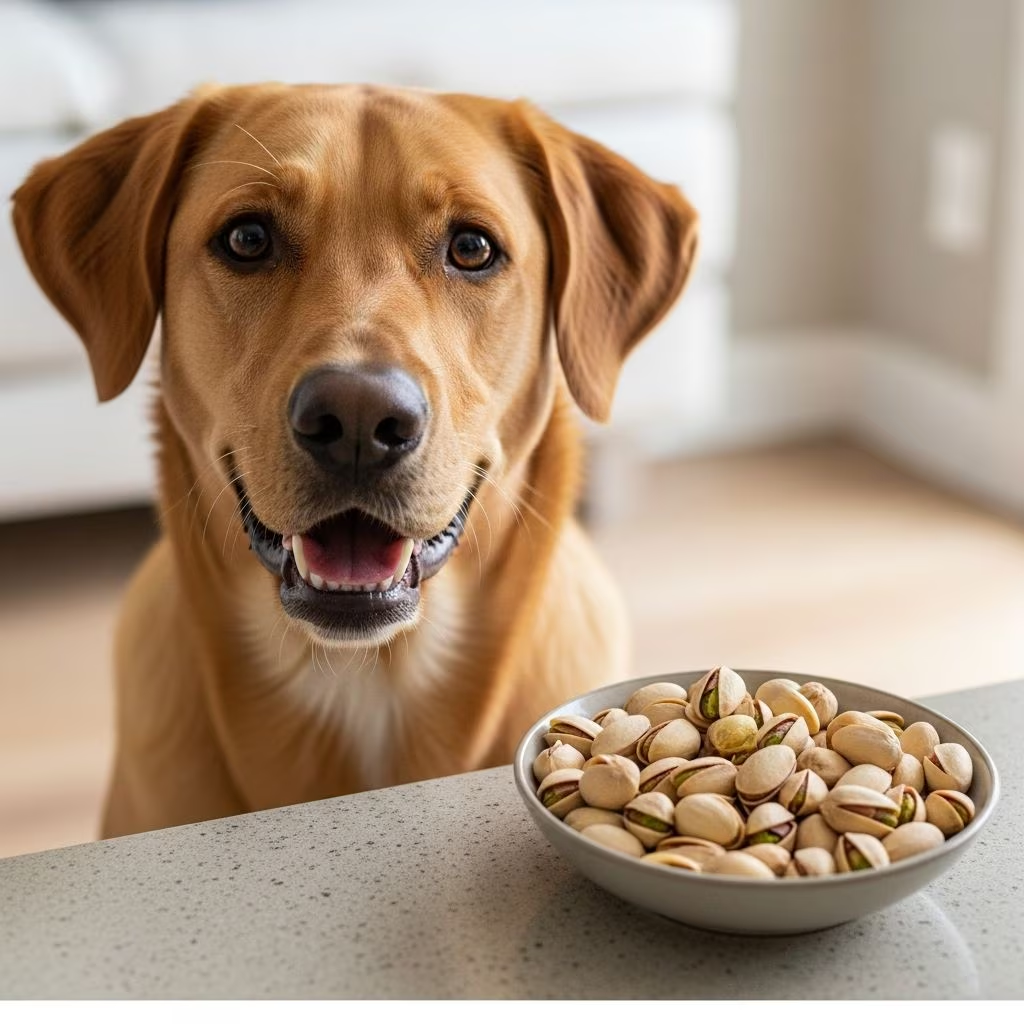
Pistachios are not toxic to dogs in small amounts, but their high fat content, potential for mold contamination, and choking risks make them an unwise choice for regular treats. Veterinary experts recommend avoiding them altogether to prevent serious health issues like pancreatitis and digestive blockages.
Nutritional Profile of Pistachios for Canines
Pistachios pack certain nutrients that could benefit dogs if offered sparingly. These include protein for muscle maintenance, antioxidants to combat oxidative stress, and unsaturated fats for energy. Minerals like potassium support heart function, while phosphorus aids bone health. Vitamins such as B6 assist in protein metabolism, thiamine bolsters nerve function, and manganese helps digest carbs.
However, these perks come with caveats. A single cup of pistachios delivers over 50 grams of fat, far exceeding daily recommendations for most dogs. For a 33-pound pup, the ideal fat intake hovers around 14 grams, making even modest portions problematic.
Primary Health Concerns with Pistachio Consumption
While not poisonous outright, pistachios trigger multiple risks due to their composition and common preparations.
High Fat Leading to Pancreatitis
The elevated fat levels in pistachios strain a dog’s pancreas, potentially causing acute pancreatitis. This inflammation leads to vomiting, diarrhea, abdominal pain, and lethargy. In severe cases, it progresses to dehydration, collapse, or shock. Dogs prone to obesity or with prior pancreatic issues face amplified dangers.
Salt and Seasoning Hazards
Commercial pistachios often arrive salted or flavored, introducing excess sodium. This burdens kidneys, elevates blood pressure, and may spark salt toxicity symptoms like tremors, seizures, or excessive thirst.
Mold Toxins: Aflatoxin Threats
Pistachios risk harboring aflatoxins from Aspergillus mold, especially if stored improperly. Dogs suffer liver damage from these potent carcinogens, showing signs like jaundice, bloody stools, vomiting, and seizures. The FDA notes aflatoxins persist invisibly on nuts.
Choking and Obstruction Dangers
Pistachios’ size and hardness pose choking threats, particularly for small breeds. Dogs often gulp food, risking airway blockages marked by pawing at the mouth, coughing, panic, or unresponsiveness.
Shells exacerbate issues, splintering into sharp fragments that pierce the esophagus, stomach, or intestines. Whole nuts or shells can obstruct bowels, causing bloating, pain, and emergency surgery needs.
Safe Quantity Guidelines by Dog Size
If offering pistachios despite risks, limit strictly by breed size to minimize harm. Always select unsalted, shelled nuts and crush them finely.
| Dog Size | Weight Range | Max Pistachios | Examples |
|---|---|---|---|
| Small | Under 20 lbs | 1-2 | Chihuahua, Yorkshire Terrier |
| Medium | 21-50 lbs | 2-3 | Beagle, Cocker Spaniel |
| Large | 51-90 lbs | 5-6 | Labrador, German Shepherd |
| Extra-Large | 91+ lbs | Small handful | Great Dane, Mastiff |
These limits assume perfect conditions; many vets advise zero.
Steps to Take if Your Dog Consumes Pistachios
Act swiftly based on quantity, shells, freshness, and dog size.
- Small ingestion (1-2 unsalted kernels): Monitor for 24-48 hours for vomiting, diarrhea, or lethargy.
- Large amounts or shelled: Contact vet immediately for possible induced vomiting or monitoring.
- Moldy/old nuts: Seek emergency care for aflatoxin risks.
- Choking signs: Perform pet first aid or rush to clinic.
Provide details to the vet: nut count, preparation, timing, and symptoms. Never induce vomiting without guidance.
Preparation Tips for Occasional Sharing
To mitigate risks if insisting on pistachios:
- Choose plain, unsalted varieties.
- Remove all shells completely.
- Grind into powder and mix sparingly into kibble.
- Avoid flavored or roasted options.
- Store airtight to prevent mold.
Even prepared safely, discontinue at any digestive upset.
Superior Treat Alternatives for Dogs
Opt for vet-endorsed snacks lower in fat and safer overall.
- Vegetables: Carrot sticks, green beans, or cucumber slices hydrate and crunch without calories.
- Fruits: Apple slices (no seeds), blueberries, or watermelon (seedless) deliver antioxidants.
- Commercial Treats: Low-fat, grain-free options formulated for dental health.
- Homemade: Plain cooked sweet potato or pumpkin puree aids digestion.
Keep treats under 10% of daily calories to prevent weight gain.
Common Myths About Nuts and Dogs
Myth 1: All nuts are equally safe. Reality: Macadamias and walnuts are outright toxic; pistachios merely risky.
Myth 2: Occasional nuts build tolerance. Reality: Cumulative fat harms over time, worsening pancreatitis odds.
Myth 3: Shells provide fiber. Reality: They cause impactions, not benefits.
Long-Term Dietary Considerations
Dogs thrive on balanced commercial or home-cooked diets tailored to life stage, activity, and health. High-fat snacks like pistachios disrupt this equilibrium, promoting obesity, diabetes, and cardiac strain. Breeds like Basset Hounds or Labs, prone to weight issues, suffer most.
Consult a veterinary nutritionist for personalized plans, especially for seniors, puppies, or those with conditions like hyperlipidemia.
Frequently Asked Questions
Are pistachios ever beneficial for dogs?
In trace amounts, nutrients like thiamine support growth, but risks outweigh gains.
Can my dog have pistachio butter?
No—added salts, sugars, and oils amplify dangers. Xylitol in some brands is fatal.
What about pistachio ice cream?
Highly toxic due to sugar, fat, dairy, and possible additives like chocolate. Even a lick risks upset.
How soon do symptoms appear after eating pistachios?
GI issues within hours; pancreatitis in 24-48 hours; aflatoxin over days.
Which dogs should never get pistachios?
Puppies, seniors, overweight dogs, or those with pancreatitis history, epilepsy, or small breeds.
Preventing Nut Temptations
Store nuts elevated or in locked cabinets. Train “leave it” commands. Distract with approved toys during snacking. Educate family on pet-safe foods to avoid accidents.
Pet insurance eases worry over accidental ingestions, covering diagnostics and treatments without financial strain.
References
- Can Dogs Eat Pistachios? — American Kennel Club. 2023-05-15. https://www.akc.org/expert-advice/nutrition/can-dogs-eat-pistachios/
- Can Dogs Eat Pistachios? Here Are The Risks! — Pawlicy Advisor. 2024-02-10. https://www.pawlicy.com/blog/can-dogs-eat-pistachios/
- Can Dogs Eat Pistachios? — PetMD. 2024-08-22. https://www.petmd.com/dog/nutrition/can-dogs-eat-pistachios
- Can My Dog Eat Pistachios? — Rover.com. 2023-11-07. https://www.rover.com/blog/can-my-dog-eat-pistachios/
- Can Dogs Eat Pistachios? Benefits and Risks of Pistachios — MasterClass. 2026-01-01. https://www.masterclass.com/articles/can-dogs-eat-pistachios



