

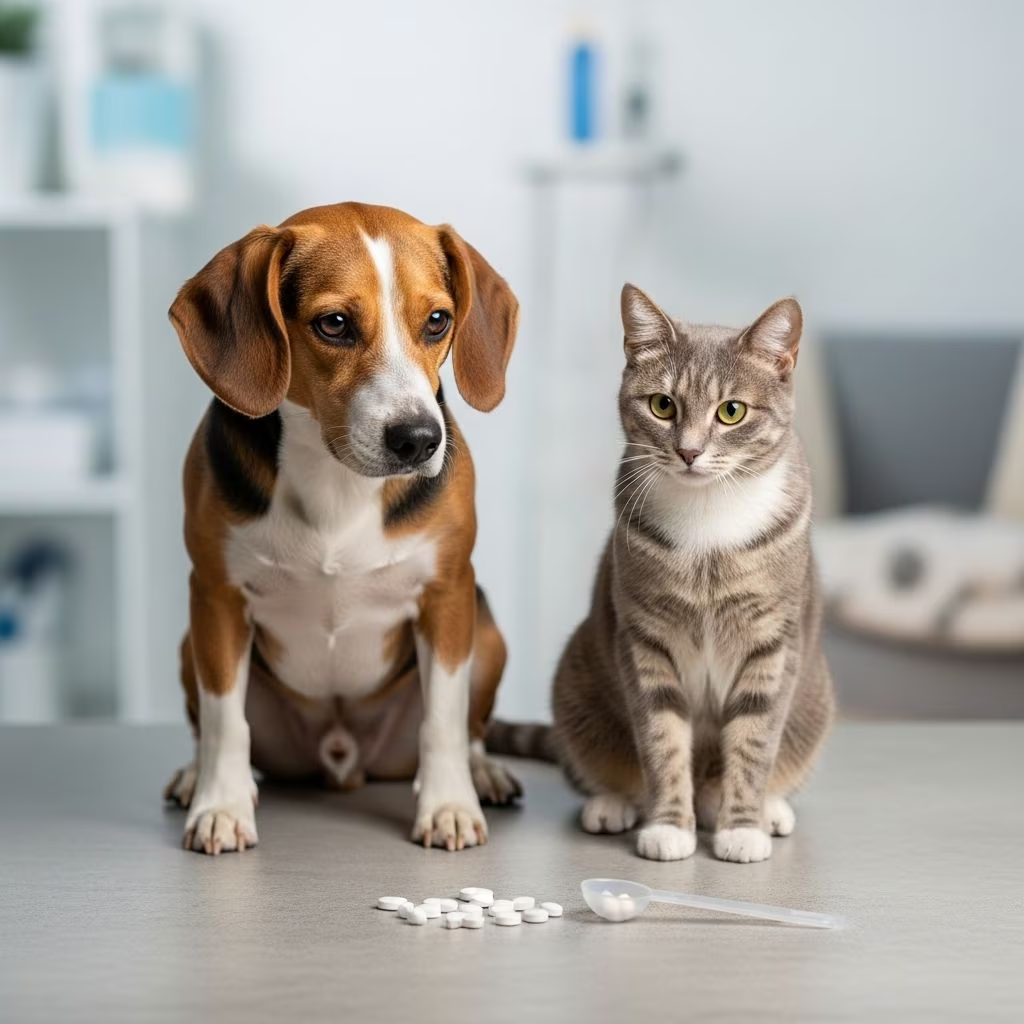
Understanding Piroxicam for Dogs and Cats
Piroxicam is a nonsteroidal anti-inflammatory drug (NSAID) that has been used in veterinary medicine since 1972 to manage pain, inflammation, and certain types of cancer in pets. This prescription medication is registered for human use under the brand name Feldene® but is prescribed off-label by veterinarians for dogs and cats to address various health conditions. Understanding how piroxicam works, its proper usage, and potential risks is essential for pet owners whose animals may benefit from this medication.
What is Piroxicam?
Piroxicam belongs to the class of medications known as nonsteroidal anti-inflammatory drugs. These drugs work by inhibiting the synthesis of prostaglandins, which are chemicals in the body responsible for inflammation, pain, and fever. By reducing prostaglandin production, piroxicam effectively alleviates discomfort and inflammatory responses in affected animals. The medication is available only by prescription from a veterinarian and is not approved by the Food and Drug Administration for veterinary use, though veterinarians may legally prescribe it as an extra-label medication.
Brand Names and Formulations
Piroxicam is sold under several brand names, with Feldene® being the most commonly recognized human formulation manufactured by Pfizer. Currently, there are no veterinary-specific formulations of piroxicam available; therefore, veterinarians prescribe the human formulation to treat pets. Compounding pharmacies may prepare custom formulations in various strengths and delivery methods to accommodate different animal sizes and administration preferences, including tiny tabs (2-8 mg) and quad tabs (6-10 mg) for flexible dosing.
Primary Uses of Piroxicam
Treatment of Transitional Cell Carcinoma
One of the most significant applications of piroxicam in veterinary medicine is treating transitional cell carcinoma (TCC), a type of bladder cancer that commonly affects dogs and cats. Research has demonstrated that piroxicam can slow cancer progression and improve quality of life in affected animals. In dogs with TCC, studies show that 35.4% experience measurable responses to combined chemotherapy and piroxicam, while 75% show subjective improvement in symptoms. The mean survival time for dogs receiving piroxicam combined with mitoxantrone is approximately one year. Dogs treated with piroxicam and mitoxantrone may also benefit from additional radiation therapy protocols.
Pain and Inflammation Management
Beyond cancer treatment, piroxicam serves as an effective anti-inflammatory and pain medication for managing chronic conditions in cats and dogs. Veterinarians often prescribe piroxicam for arthritis pain, though other medications may be preferred for routine arthritis management. The drug’s anti-inflammatory properties make it valuable for treating chronic rhinitis in both dogs and cats, a condition characterized by persistent nasal inflammation and congestion.
Palliative and Adjunctive Therapy
In cancer treatment protocols, piroxicam serves multiple roles. It can be combined with opioid analgesics to reduce discomfort in oncology patients while simultaneously decreasing the drowsiness commonly associated with opioids. Additionally, piroxicam can reduce the necessary dosage of methotrexate, a chemotherapy drug used to treat certain lymphomas, thereby minimizing side effects while maintaining therapeutic effectiveness. For rectal cancer in dogs, piroxicam suppositories are well-accepted for palliative treatment to improve quality of life.
Dosing Information
Standard Dosing Guidelines
Proper dosing is critical for maximizing therapeutic benefits while minimizing risks. The standard anti-inflammatory dose for piroxicam is 0.15 mg per pound (0.3 mg/kg) administered every 24 to 48 hours. For treating transitional cell carcinoma, piroxicam is typically dosed at 0.15 mg per pound (0.3 mg/kg) once daily. In cats with transitional cell carcinoma, piroxicam appears well-tolerated at 0.3 mg/kg administered by mouth two or three times weekly, based on anecdotal reports and pharmacokinetic studies in healthy cats.
Condition-Specific Dosing
Different conditions may require adjusted dosing schedules. For rhinosinusitis in cats, the typical dose is 0.15 mg per pound (0.3 mg/kg) once daily, while dogs with idiopathic lymphoplasmacytic rhinitis receive 0.15 mg per pound (0.3 mg/kg) every 24 hours. Maximum tolerated doses identified in clinical trials show that 1 mg/kg administered every 48 hours represents the highest safe dose in dogs, with higher doses resulting in dose-limiting gastrointestinal irritation and ulceration.
Administration Guidelines
Piroxicam is typically administered orally and should preferably be given with food to reduce the risk of gastrointestinal upset. Medication should never be administered without first consulting a veterinarian, as individual pet factors may require dose adjustments. The medication reaches peak levels in the blood approximately three hours after oral administration. Duration of treatment depends on the condition being treated, response to medication, and development of adverse effects. Pet owners should complete the entire prescription as directed by their veterinarian, even if their pet appears to feel better, to prevent relapse.
Pharmacokinetics in Pets
Understanding how piroxicam behaves in different animal bodies is important for appropriate dosing. In dogs, piroxicam has a half-life of 37 to 40 hours, meaning the body eliminates half the drug every 1.5 to 2 days. This relatively long half-life allows for less frequent dosing compared to many other NSAIDs. In cats, the half-life is considerably shorter at 12 to 13 hours, requiring different dosing strategies to maintain therapeutic levels in feline patients.
Precautions and Contraindications
Animals That Should Not Receive Piroxicam
Piroxicam should not be administered to animals with known hypersensitivity or allergies to the drug or other NSAIDs. The medication should be avoided in animals with a history of bleeding, inflammation, or perforation of the stomach or intestinal lining, as piroxicam can exacerbate these conditions. Animals with high blood pressure should not receive this medication without careful veterinary consideration. Dehydrated animals should not be given piroxicam, as fluid supplementation may be necessary.
Drug Interactions
Pet owners must inform their veterinarian about all medications, vitamins, supplements, and herbal therapies their pet is currently receiving. Piroxicam should never be given concurrently with other NSAIDs or corticosteroids, as this combination significantly increases the risk of gastrointestinal and renal complications. Great care and dose adjustments may be required if the pet is also taking diuretics.
Special Considerations
Animals with cardiac issues require careful monitoring, as piroxicam should be used with caution in such patients. Piroxicam has a narrow margin of safety due to potential gastrointestinal and renal side effects. Animals receiving piroxicam for extended periods should be monitored for gastrointestinal bleeding and should be evaluated for renal and liver function through appropriate blood tests.
Potential Side Effects
Gastrointestinal Effects
The most significant concern with piroxicam use is gastrointestinal ulceration and bleeding. Animals taking piroxicam should be monitored for symptoms such as vomiting, loose stools, or tarry stools indicating internal bleeding. If these symptoms develop, a veterinarian should be contacted immediately. Gastrointestinal upset is the primary reason for discontinuing piroxicam therapy in affected animals.
Renal and Hepatic Effects
Like all NSAIDs, piroxicam can cause kidney damage with prolonged use. Subclinical renal papillary necrosis has been observed in clinical trials, particularly at higher doses. Animals taking piroxicam should have their kidney and liver function monitored through periodic blood work, particularly during long-term therapy.
General Safety Profile
While generally safe and effective when prescribed by a veterinarian, piroxicam can cause side effects in some animals. Importantly, piroxicam does not make dogs sleepy, allowing pets to maintain normal activity levels while receiving pain relief. If an overdose is recognized promptly, treatment may include gastrointestinal emptying with emetics and activated charcoal, along with gastrointestinal protectants and fluid diuresis for renal protection.
Important Considerations for Pet Owners
What Piroxicam Does and Does Not Do
Pet owners should understand that piroxicam does not cure bladder cancer or other serious conditions; however, it can slow disease progression and increase comfort. For animals with transitional cell carcinoma, piroxicam is part of a comprehensive treatment approach rather than a standalone cure.
Missed Doses
If a dose of piroxicam is missed, pet owners should not give a double dose to compensate. Instead, they should resume the regular dosing schedule at the next scheduled time and should not exceed the total stated dose in any 24-hour period.
Overdose Response
In case of accidental overdose, contact a veterinarian immediately, as an overdose of piroxicam can be very serious. Prompt veterinary intervention may prevent severe complications.
Frequently Asked Questions About Piroxicam
Q: Is piroxicam approved by the FDA for use in pets?
A: No, piroxicam is not approved by the Food and Drug Administration for veterinary use. However, veterinarians may legally prescribe it as an extra-label medication when they determine it is appropriate for treating specific conditions in dogs and cats.
Q: How often can piroxicam be given to my pet?
A: The frequency depends on the condition being treated. For anti-inflammatory purposes, piroxicam may be administered every 24 to 48 hours, while cancer treatment typically requires daily dosing. Always follow your veterinarian’s specific instructions.
Q: Can piroxicam be given with other medications?
A: Piroxicam should never be combined with other NSAIDs or corticosteroids. Inform your veterinarian about all medications your pet takes, as some combinations may require careful monitoring or dose adjustments.
Q: What should I do if my pet vomits while taking piroxicam?
A: Vomiting can be a sign of gastrointestinal upset. Contact your veterinarian immediately, as this may indicate a need to discontinue the medication or adjust the dose.
Q: How long can my pet safely take piroxicam?
A: The duration depends on your pet’s condition, response to treatment, and development of side effects. Animals on long-term piroxicam therapy should have periodic monitoring of kidney and liver function.
Q: Is piroxicam expensive?
A: Cost varies depending on the formulation, strength, and quantity prescribed. Compounded formulations may be more expensive than standard tablets. Discuss cost concerns with your veterinarian to explore available options.
References
- Piroxicam (Feldene®) for Dogs and Cats — PetPlace. 2025. https://www.petplace.com/article/drug-library/drug-library/library/piroxicam-feldene-for-dogs-and-cats
- Today’s Daily Dose: Piroxicam — DVM360. 2025. https://www.dvm360.com/view/todays-daily-dose-piroxicam
- Piroxicam for Dogs and Cats — Wedgewood Pharmacy. 2025. https://www.wedgewood.com/medications/piroxicam/
- Phase I Trial of Piroxicam in 62 Dogs Bearing Naturally Occurring Tumors — Knapp DW, et al. Journal of the National Cancer Institute. 1992. https://pubmed.ncbi.nlm.nih.gov/1733554/
- Piroxicam For Dogs — Dog Cancer Blog. 2025. https://www.dogcancer.com/articles/drugs/piroxicam-for-dogs/
- Piroxicam Information Sheet — Woodward Veterinary Surgery. 2025. https://www.woodward-vets.co.uk/images/downloads/medication-leaflets/Piroxicam.pdf
- Piroxicam For Dogs and Cats — Avrio Rx. 2025. https://avriorx.com/piroxicam-for-dogs-and-cats/



