

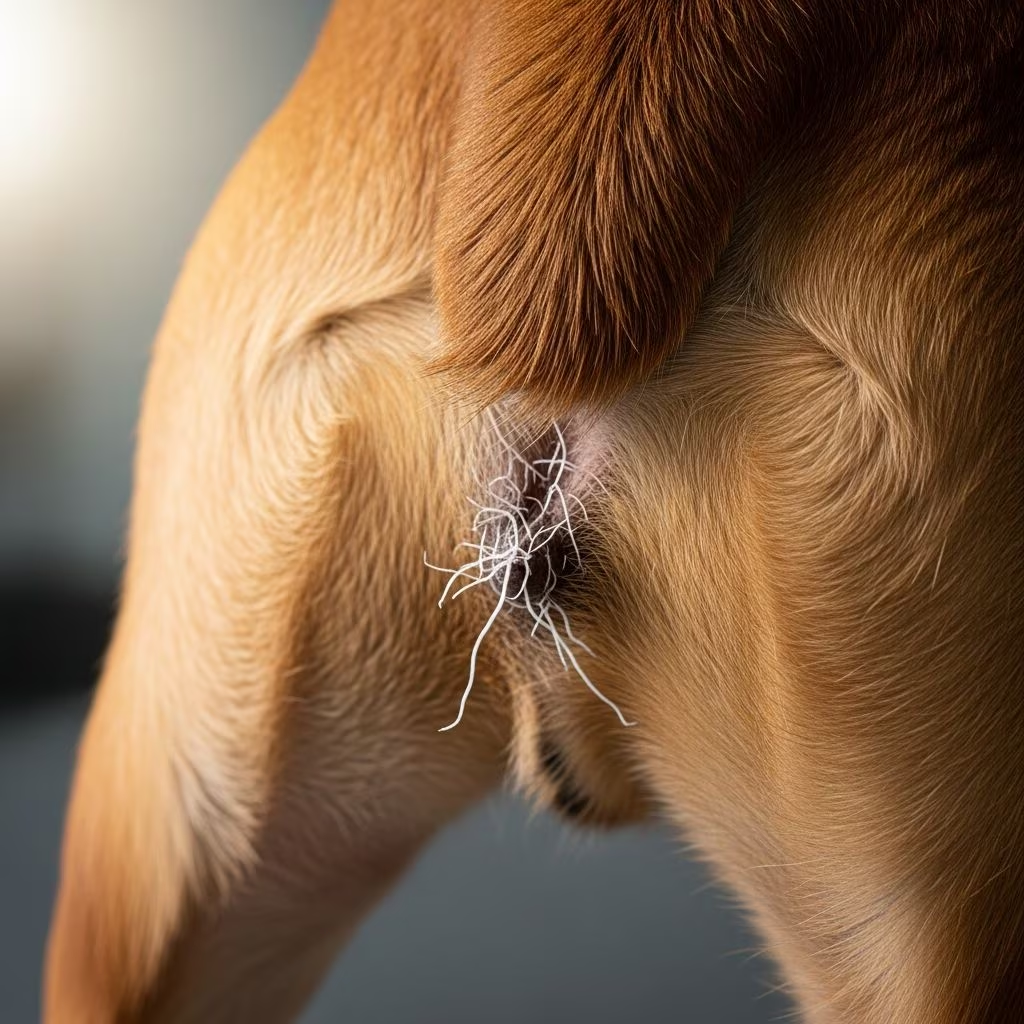
Pinworms represent a common intestinal parasite affecting dogs, leading to discomfort and potential health complications if ignored. These small, thread-like worms primarily reside in the large intestine and can cause intense itching around the anal area. Understanding their lifecycle, identification methods, and management strategies is essential for pet owners to safeguard canine well-being.
Understanding Pinworm Infections in Canines
Pinworms, scientifically known as Enterobius vermicularis in humans but analogous parasites like Trichuris vulpis (whipworms) in dogs, thrive in the gastrointestinal tract. In dogs, true pinworms are rare; infections often mimic symptoms of similar nematodes such as whipworms or roundworms. Eggs are ingested through contaminated soil, feces, or intermediate hosts, hatching into larvae that mature in the intestines. Adult females migrate to the anus to lay eggs, prompting the classic “scooting” behavior as dogs attempt to relieve irritation.
The lifecycle spans about 4-6 weeks, with eggs highly resilient in the environment, surviving weeks on surfaces. Puppies are particularly susceptible due to immature immune systems and potential transmission from nursing mothers. Geographic factors, like warm climates, exacerbate spread in areas with poor sanitation.
Recognizing the Signs of Pinworm Infestation
Early detection hinges on observing behavioral and physical changes. Dogs rarely show severe illness from light infections but heavier loads can lead to malnutrition and secondary issues.
- Anal irritation and scooting: Dogs drag hindquarters on floors or grass to soothe itching from egg-laying.
- Visible worms or segments: Thin, white threads (1-2 cm) near anus or in feces, resembling rice grains for roundworms.
- Digestive disturbances: Diarrhea, vomiting, or soft stools with mucus or blood.
- Weight loss and potbelly: Despite normal or increased appetite, due to nutrient theft.
- Lethargy and poor coat: Dull fur, skin inflammation from scratching.
- Coughing or respiratory signs: Larvae migration through lungs in some cases.
These symptoms overlap with other parasites like hookworms or tapeworms, necessitating veterinary confirmation.
How Pinworms Spread Among Dogs
Transmission occurs via fecal-oral route. Eggs contaminate environments through infected feces, sticking to fur, bedding, or paws. Dogs ingest them while grooming or exploring yards. Fleas and rodents serve as vectors for related tapeworms.
Household risks include shared spaces with children or multi-pet homes. Human-dog transmission of true pinworms is unlikely, but hygiene prevents cross-contamination. Puppies acquire via placenta or colostrum from dams. Public dog parks amplify exposure without prompt waste removal.
Veterinary Diagnosis Methods
Consult a vet promptly upon suspicion. Diagnosis involves:
- Fecal flotation test: Microscopic exam for eggs; multiple samples may be needed due to intermittent shedding.
- Tape test: Clear tape pressed to anus collects eggs for lab viewing, ideal for pinworm-like infections.
- Bloodwork: Checks anemia or eosinophilia (high white cells indicating parasites).
- Imaging: Ultrasound or X-rays for heavy burdens causing blockages.
Annual or biannual fecal exams are recommended, especially for at-risk dogs.
Effective Treatment Protocols
Treatment targets adult worms and prevents reinfection. Vets prescribe broad-spectrum anthelmintics safe for dogs.
| Parasite Type | Common Medications | Dosage Schedule |
|---|---|---|
| Whipworms/Pinworm-like | Fenbendazole, Milbemycin | 3 days on, repeat in 2-4 weeks |
| Roundworms | Py rantel, Ivermectin combos | Single dose, repeat 2 weeks |
| Hookworms | Febantel, Praziquantel | Initial + follow-up in 2-4 weeks |
Improvement occurs within days, but full clearance requires environmental decontamination: wash bedding in hot water, vacuum carpets, steam-clean floors. Bathe dog to remove eggs from coat. Treat all household pets simultaneously. Avoid over-the-counter remedies without vet guidance due to resistance risks.
Prevention Strategies for Lifelong Protection
Proactive measures outperform reactive treatment.
- Monthly preventives: Heartworm meds like ivermectin/pyrantel cover intestinal worms year-round.
- Puppy deworming: Start at 2-3 weeks, every 2 weeks until 12 weeks, then monthly.
- Flea control: Prevents tapeworm vectors; use Credelio Quattro or similar.
- Hygiene practices: Daily yard cleanup, immediate poop bagging in parks.
- Avoid wildlife: Discourage hunting rodents.
- Regular vet checks: Fecal tests 2-4 times yearly based on lifestyle.
Pregnant dogs on preventives protect litters.
Special Considerations for Puppies and Seniors
Puppies face highest risk; deworm at adoption regardless of history. Seniors or immunocompromised dogs need vigilant monitoring for subtle signs like unexplained weight loss. Breeds like herding dogs may have ivermectin sensitivity—vet specifies safe options.
Potential Complications and When to Seek Emergency Care
Untreated infestations cause anemia, intestinal blockage, or pneumonia from larval migration. Emergency signs: bloody diarrhea, collapse, breathing distress—rush to vet. Zoonotic risk is low, but handwashing protects families.
FAQs on Pinworms in Dogs
Q: Can my dog get pinworms from me?
A: True pinworms are human-specific; dogs get canine equivalents. Good hygiene prevents any cross-risk.
Q: How long until treatment works?
A: Symptoms ease in 2-5 days; repeat dosing ensures clearance.
Q: Are natural remedies effective?
A: Limited evidence; rely on vet-prescribed meds over unproven herbs.
Q: How often should I deworm my dog?
A: Monthly preventives for most; adjust per fecal tests.
Q: What if my dog scootches after treatment?
A: Could be eggs or reinfection—recheck with vet.
Long-Term Management and Monitoring
Integrate parasite control into routine care. Track weight, stool quality monthly. Lifestyle adjustments like rural living demand stricter protocols. Educate family on hygiene to break transmission cycles.
By staying informed and consistent, owners minimize pinworm threats, promoting vibrant health for their dogs.
References
- Preventing, Identifying and Treating Worms In Dogs — Oakdale Veterinary Group. 2023. https://www.oakdaleveterinarygroup.com/services/dogs/parasites/deworming-dogs
- How to Get Rid of Worms in Dogs — PetVet Care Centers. 2022-03-31. https://www.petvetcarecenters.com/site/blog/2022/03/31/get-rid-dog-worms
- Killing Worms in Dogs Instantly: Emergency Steps and Critical Care — GSVS. 2024. https://gsvs.org/blog/emergency-worm-treatment-guide/
- Intestinal Parasites in Dogs — HEARTGARD. 2025. https://heartgard.com/intestinal-parasites-in-dogs
- Can Dogs Get Pinworms? — WagWalking. 2024. https://wagwalking.com/wellness/can-dogs-get-pinworms
- Can Children Get Pinworms from a Pet Dog or Cat? — WSAVA. 2020-01. https://wsava.org/wp-content/uploads/2020/01/Clinician-s-Brief-February-2018-TP-Pinworm.pdf
- How to Get Rid of Worms in Dogs — PetMD. 2025. https://www.petmd.com/dog/general-health/evr_dg_intestinal_worms_in_dogs



