

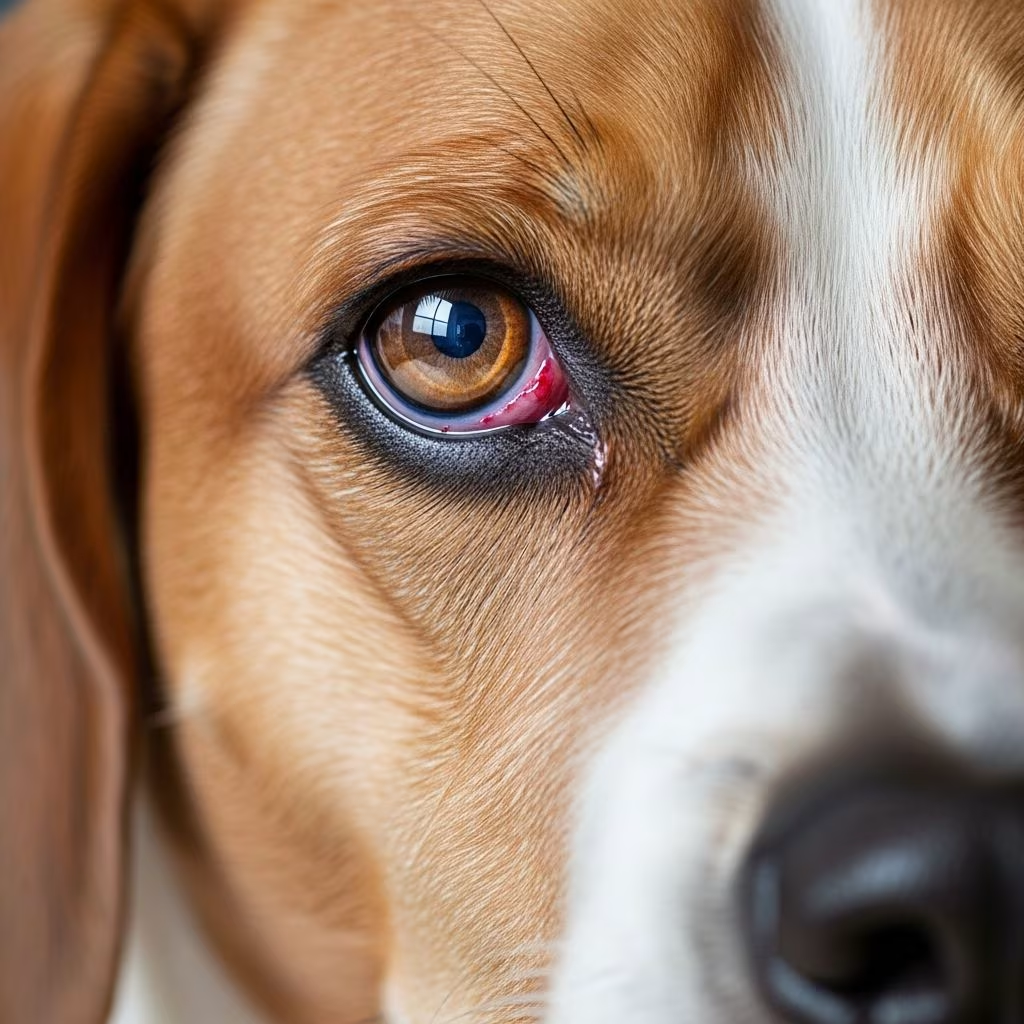
Conjunctivitis, commonly known as pink eye, affects the thin membrane covering a dog’s eyeball and inner eyelids, leading to redness, irritation, and discomfort. This condition requires prompt attention to prevent complications like vision issues.
Understanding the Eye Structure in Dogs
Dogs possess a delicate ocular system where the conjunctiva serves as a protective layer. When inflamed, it swells and reddens, often due to external irritants or internal issues. Recognizing normal versus affected eyes helps owners act swiftly.
- The conjunctiva shields against debris and infections.
- Associated structures like tear ducts and eyelids play key roles in eye health.
- Breeds with prominent eyes, such as Pugs or Bulldogs, face higher risks.
Common Signs Your Dog Has Pink Eye
Early detection hinges on observing behavioral and physical changes. Dogs may paw at their face excessively or keep eyes partially closed.
- Redness: Visible pink or red hues in the white eye areas.
- Discharge: Watery, mucus-like, or pus-filled secretions varying by cause.
- Swelling: Puffy eyelids or bulging conjunctiva.
- Squinting or Blinking: Frequent actions indicating pain or light sensitivity.
- Rubbing: Nose or paw against eyes, worsening irritation.
These symptoms can affect one or both eyes, signaling localized or systemic problems.
Primary Triggers Behind Canine Conjunctivitis
Multiple factors contribute, categorized by infectious, non-infectious, and structural origins. Identifying the root ensures targeted therapy.
Infectious Causes
Bacterial invasions top the list, with pathogens entering via scratches or ducts. Viral agents, less common in dogs than cats, can also inflame tissues.
- Bacteria like Staphylococcus trigger pus-heavy discharge.
- Viral conjunctivitis demands supportive care alongside antivirals.
Allergic Reactions
Environmental allergens such as pollen provoke immune responses, mimicking infections but without fever.
- Seasonal flares in spring or fall.
- Often bilateral, with clear discharge.
Trauma and Irritants
Foreign bodies like grass seeds or chemical exposure cause mechanical damage. Self-trauma from scratching exacerbates issues.
- Chemosis (fluid swelling) follows blunt impacts.
- Penetrating wounds risk deeper infections.
Underlying Health Conditions
Dry eye (KCS), glaucoma, or blocked ducts manifest as secondary conjunctivitis. Breeds prone to entropion (inward eyelids) suffer recurrent episodes.
| Cause Type | Examples | Key Indicators |
|---|---|---|
| Infectious | Bacterial, Viral | Pus, Fever |
| Allergic | Pollen, Dust | Clear Discharge, Itching |
| Traumatic | Debris, Injury | Sudden Onset, Localized |
| Systemic | Dry Eye, Glaucoma | Persistent, Bilateral |
When to Seek Veterinary Help Immediately
Not all redness resolves naturally; delays invite corneal ulcers or blindness. Rush to a vet if discharge thickens, eyes cloud, or behavior shifts dramatically.
- Both eyes involved suggests allergies or infection.
- Unilateral points to trauma or foreign objects.
- Puppy cases warrant urgency due to rapid progression.
Diagnostic Approaches by Veterinarians
Vets perform fluorescein staining to detect ulcers, measure tear production via Schirmer tests, and swab for cultures. Tonometry assesses intraocular pressure for glaucoma links.
- Cytology identifies bacterial types.
- Biopsy confirms immune-mediated issues.
Treatment Strategies Tailored to the Cause
Therapy hinges on etiology, blending topical, oral, and supportive measures. Compliance prevents resistance or relapse.
For Bacterial Infections
Antibiotic ointments like Neo-Poly-Dex or Terramycin target pathogens directly. Oral options like Clavamox suit uncooperative patients.
Addressing Viral Cases
Supportive lubrication with artificial tears prevents secondary bacteria. Antivirals like cidofovir aid resolution.
Managing Allergies
Antihistamines (hydroxyzine) or steroids reduce inflammation. Identify triggers via elimination trials.
Trauma and Foreign Body Care
Cold compresses ease swelling; irrigation flushes debris. Antibacterials guard against opportunists.
Chronic and Immune-Related Therapies
Cyclosporine or tacrolimus ointments stimulate tears and curb autoimmunity in KCS. Steroids require caution to avoid ulcers.
- Combine for flare-ups, taper gradually.
- Surgery corrects structural defects like blocked ducts.
Expect improvement in days with mild cases, weeks for complex ones. E-collars prevent self-injury during healing.
Home Care Tips During Recovery
Gently clean crusts with saline-dampened cloths. Administer meds as prescribed, storing per instructions. Monitor for worsening and restrict outdoor irritants.
- Avoid over-the-counter human drops, risking toxicity.
- Humidifiers combat dry environments.
Preventive Measures for Healthy Eyes
Proactive steps minimize risks: trim facial hair, rinse after dusty play, and schedule annual eye exams. Vaccinations curb certain viruses.
- Brachycephalic breeds need vigilant grooming.
- Dietary omega-3s support ocular moisture.
Frequently Asked Questions About Dog Pink Eye
Can pink eye resolve without vet treatment?
Mild cases might, but risks outweigh benefits; professional diagnosis ensures safety.
Is dog conjunctivitis contagious to humans?
Rarely; bacterial strains differ from human pathogens.
How long does treatment typically last?
3-14 days for most, longer for underlying conditions.
What if my dog resists eye medications?
Burrito-wrap, use treats, or opt for oral alternatives.
Are certain breeds more susceptible?
Yes, short-nosed dogs due to anatomy.
Long-Term Management for Recurrent Cases
Persistent conjunctivitis signals deeper issues like immune disorders. Lifelong cyclosporine maintains control, reducing steroid reliance. Regular vet check-ups track progress.
Owners report high success with consistent regimens, restoring comfort and clarity.
References
- Conjunctivitis in Dogs: Symptoms and Treatment — PetMD. 2023. https://www.petmd.com/dog/condition/eyes/conjunctivitis-in-dogs
- Conjunctivitis in dogs: causes, symptoms and treatment — Park Vet Group. 2023. https://www.parkvetgroup.com/pet-help-advice/dogs/412-conjunctivitis-in-dogs-causes-symptoms-and-treatment
- Diagnosing, Treating, and Managing Causes of Conjunctivitis in Dogs and Cats — Today’s Veterinary Practice. 2022. https://todaysveterinarypractice.com/ophthalmology/conjunctivitis-in-dogs-and-cats/
- Conjunctivitis (Pink Eye) in Dogs — Small Door Veterinary. 2023. https://www.smalldoorvet.com/learning-center/medical/pink-eye-in-dogs
- Symptoms of Conjunctivitis in Dogs — Animerge Vets. 2022-09-30. https://www.animergevets.com/site/blog/2022/09/30/symptoms-conjunctivitis-dog
- Conjunctivitis in Dogs — Blue Cross. 2023. https://www.bluecross.org.uk/advice/dog/health-and-injuries/conjunctivitis-in-dogs
- Conjunctivitis in Dogs — VCA Animal Hospitals. 2023. https://vcahospitals.com/know-your-pet/conjunctivitis-in-dogs



