
Pink Colored Pet Birds: Species Guide & Care
Discover beautiful pink pet bird species: Bourke's Parakeet, Galah Cockatoo, and more.
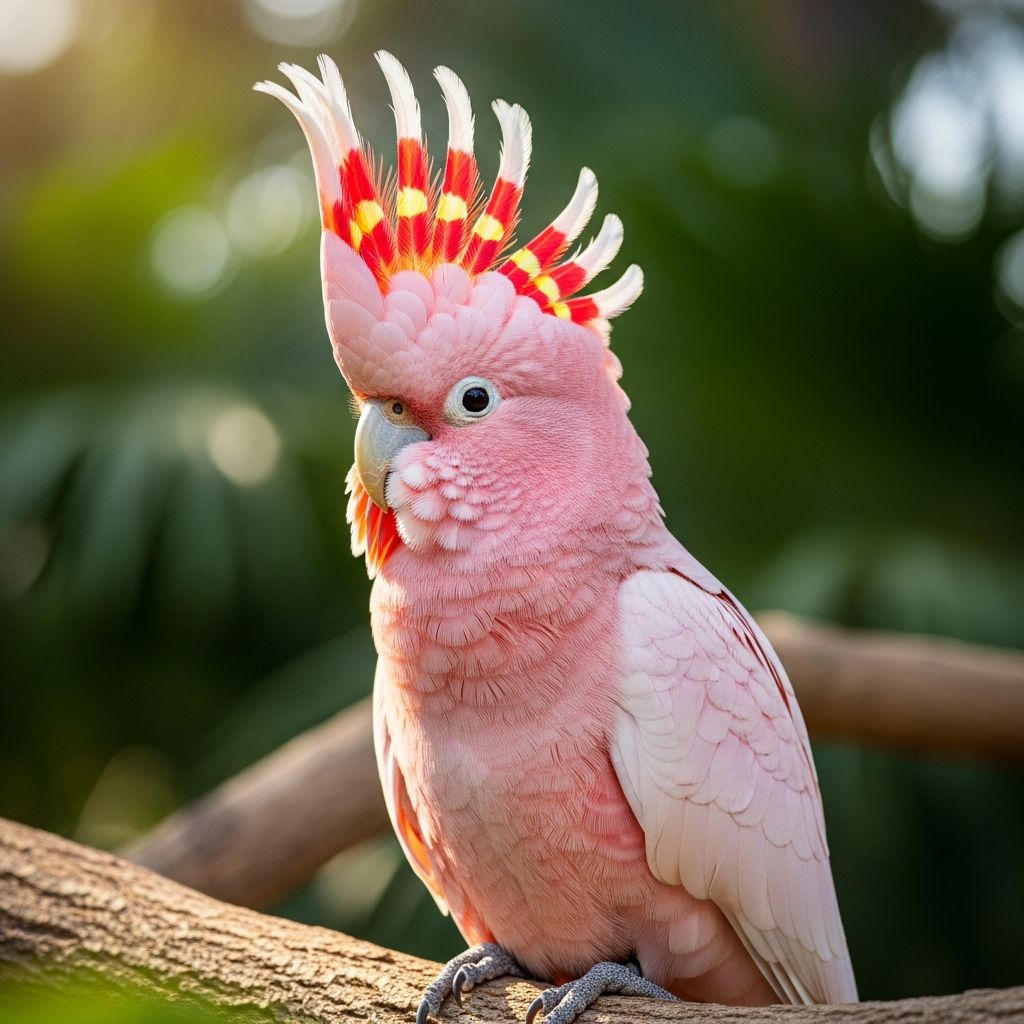
Pink Colored Pet Birds: A Complete Guide to Beautiful Feathered Companions
When it comes to selecting a pet bird, color plays an important role in capturing the imagination and heart of bird enthusiasts. Among the most visually stunning color variations found in avian species, pink stands out as a particularly captivating hue. While many people associate pink birds with flamingos found in the wild, several species are perfectly suited for home aviaries and can become wonderful companions. Pink-colored birds offer a unique combination of aesthetic appeal and engaging personalities, making them excellent choices for both novice and experienced bird owners.
The diversity of pink-plumaged birds available as pets is broader than many realize. From small, gentle parakeets to large, intelligent cockatoos, pink birds come in various sizes and temperaments. Understanding the specific characteristics, care needs, and behavioral traits of each species is essential for providing a suitable home and ensuring a positive long-term relationship with your feathered friend. This comprehensive guide explores the most popular pink-colored pet bird species and provides insights into their care, temperament, and suitability as companion animals.
Popular Pink Pet Bird Species
Bourke’s Parakeet: The Gentle Pink Parakeet
The Bourke’s Parakeet, scientifically known as Neopsephotus Bourkii, originates from Australia and inhabits dry, arid regions including mulga and acacia scrubs, native cypress, and eucalypt woodlands. These charming birds have earned the affectionate nickname “pink parakeet” due to their small size and distinctive pink color mutation. Among pink bird species, Bourke’s Parakeets are particularly popular for home environments because of their calm demeanor and manageable size.
Bourke’s Parakeets typically measure between 7 to 9 inches in length, making them an ideal size for apartment dwellers and those with limited space. Their physical appearance is quite distinctive: they feature a gray-brown coloration on their upper body with a prominent pinkish underpart. The head, chest, and upper portion of the wings display clear pink coloring, while the wings incorporate a mix of brown edges, yellow or lighter brown shades, white, and blue. This color diversity contributes significantly to their visual appeal and intrigue among bird enthusiasts.
One of the most notable characteristics of Bourke’s Parakeets is their reputation for being among the mellower parrots in terms of both vocalizations and overall attitude. These birds tend to be most quiet during daylight hours and become active during sunset and dawn, a behavior known as crepuscular activity. This trait makes them excellent pets for individuals who prefer quieter household environments or who live in noise-sensitive situations. Their gentle nature, combined with their striking appearance, makes Bourke’s Parakeets an outstanding choice for companion bird ownership.
Galah Cockatoo: The Rose-Breasted Beauty
The Galah Cockatoo, scientifically designated as Eolophus roseicapilla, is one of Australia’s most iconic pink birds. These stunning creatures are found throughout most of Australia and are equally comfortable in exotic natural habitats as well as urbanized environments. Conservation status designations classify the Galah as a species of “least concern,” indicating healthy population numbers in their native range. The bird’s name derives from an Aboriginal term meaning “clown” or “fool,” though these birds are anything but unintelligent.
Galahs are medium-sized cockatoos weighing approximately 12 ounces and standing about 12 inches or slightly more in height. Their most distinctive feature is their vibrant coloration: bright pink crests, chests, and faces that create a stunning contrast with their gray wings and backs. This striking color combination makes them instantly recognizable and incredibly appealing to first-time bird observers.
The Galah Cockatoo is widely regarded as highly intelligent and capable of mimicking a diverse range of sounds and vocabulary. In captivity, these birds require constant attention and thrive in flock-like social structures, making them ideal for dedicated owners who can provide regular interaction. Their hardy nature and lack of fear regarding human interaction contribute to their adaptability in various settings. The general lifespan of a Galah in the wild is approximately 40 years, but in captivity, with proper care, these birds can live up to 70 years, offering the potential for a lifelong companionship.
Moluccan Cockatoo: The Salmon-Pink Giant
The Moluccan Cockatoo represents another spectacular option for those seeking a larger pink-colored companion bird. These impressive cockatoos feature feathers in a light salmon-pink color, with their distinctive crests displaying a brighter shade of pink. The crest becomes particularly pronounced and visually striking as the bird experiences various emotions, including fear, irritation, and excitement. Moluccan Cockatoos are significantly larger than Bourke’s Parakeets and require more space and attention, making them suitable primarily for experienced bird owners with the resources to meet their extensive care requirements.
These birds are known for their extroverted personalities and strong characters. They generally enjoy spending considerable time around people and form strong bonds with their human companions. However, their size and energy levels demand substantial commitment, including spacious living quarters, regular social interaction, and consistent mental stimulation through toys and environmental enrichment.
Pink-Headed Fruit Dove: The Exotic and Delicate Species
The Pink-headed Fruit Dove, scientifically known as Ptilinopus Porphyreus, is a native of Indonesia and inhabits mountainous forest areas throughout Java, Sumatra, and Bali. These birds subsist primarily on a diet of fruits and berries, which influences their care requirements in captivity. The species measures approximately 11 to 11.5 inches in height and is distinguished by its pinkish-lavender-colored head, elegant white neck band, and vibrant green and blue wings.
Pink-headed Fruit Doves are considerably less fond of hands-on interaction compared to more sociable pet bird species like Bourke’s Parakeets or Galah Cockatoos. While not aggressive, they tend to be naturally shy and may require substantial time to acclimate to human companionship. These birds perform best in aviary settings rather than traditional cages, as they require ample space for flight. They are ideally suited for bird enthusiasts who appreciate more reserved birds and prefer observing natural behaviors over direct handling.
Red-Factor Canaries: The Subtle Pink Option
Red-factor canaries represent a more subtle approach to pink-colored pet birds. These birds come in a variety of color presentations, with red-factor genes expressing themselves in different shades ranging from deep orange-red to soft, light pink hues, sometimes flecked with even lighter tones. This color diversity makes red-factor canaries truly stunning visual specimens.
Song canaries, typically males, provide additional entertainment value through their beautiful singing voices, offering hours of acoustic pleasure for their owners. Red-factor canaries are less aggressive than many companion bird species and make excellent pets for those who prefer quieter interactions. However, winning their trust can present a challenge, as they are somewhat timid by nature. These birds enjoy daily free-flying time outside their cages, making them suitable for homes where owners can accommodate this need.
Comparative Overview of Pink Pet Bird Species
| Species | Size | Temperament | Lifespan | Social Needs |
|---|---|---|---|---|
| Bourke’s Parakeet | 7-9 inches | Gentle, quiet | 10-15 years | Moderate |
| Galah Cockatoo | 12 inches | Intelligent, social | 40-70 years | High |
| Moluccan Cockatoo | Large | Extroverted, affectionate | 40-60 years | Very high |
| Pink-headed Fruit Dove | 11-11.5 inches | Shy, reserved | Up to 20 years | Low |
| Red-Factor Canary | 4-5 inches | Timid, non-aggressive | 8-12 years | Low |
Choosing the Right Pink Bird for Your Home
Companion Birds for Active Owners
For individuals seeking more interactive and engaging companions, pink birds with extroverted personalities are ideal choices. The Moluccan Cockatoo, Bourke’s Parakeet, and Galah Cockatoo represent this category. These birds generally enjoy spending significant time around people and can develop strong emotional bonds with their owners. They are capable of learning tricks, developing extensive vocabularies, and becoming true lifelong friends. However, these species demand substantial time investment, regular social interaction, and comprehensive environmental enrichment.
Birds for Quiet Environments
Those preferring quieter household environments should strongly consider Bourke’s Parakeets or Red-Factor Canaries. Bourke’s Parakeets are notably quiet during daylight hours, making them excellent for noise-sensitive situations. Red-Factor Canaries, while they possess beautiful songs, can be managed in terms of noise levels. Pink-headed Fruit Doves are also relatively quiet but require aviary settings rather than traditional cages.
Birds for Limited Space
Small living spaces require appropriately-sized birds. Bourke’s Parakeets and Red-Factor Canaries are excellent choices for apartment dwellers and those with space limitations. These smaller species can thrive in properly-sized cages with appropriate enrichment, whereas larger cockatoos require considerably more space to spread their wings and exercise.
Essential Care Considerations for Pink Pet Birds
Housing Requirements
Proper bird care fundamentally involves providing adequately-sized cages that allow birds to move around freely and spread out their wings completely. Modern approved cages free from zinc and other heavy metals are essential, as older cages can cause heavy metal poisoning. Cages should be stocked with multiple perches of varying diameters and types to help prevent foot problems. Concrete-type perches and Manzanita wood perches are recommended for maintaining healthy nails and supporting natural beak grooming behaviors. The cage bottom should be lined with newspaper to facilitate quick and effective cleaning.
Nutritional Needs
Appropriate nutrition is vital for maintaining the health and vibrancy of pink-colored pet birds. Different species have varying dietary requirements, making consultation with avian veterinarians essential for determining the best pellet formulations for individual birds. Quality pellet-based diets should form the foundation of nutrition, supplemented with fresh fruits, vegetables, and safe treats. Vitamin supplementation appropriate to each species helps ensure comprehensive nutritional coverage. Many specialized avian nutritional products are available, ranging from Nutriberries to Birdy Bread and Power Treats, each designed to provide balanced nutrition while offering enrichment through varied textures and flavors.
Social and Environmental Enrichment
Pink birds, particularly intelligent species like Galahs and Moluccan Cockatoos, require substantial mental stimulation and environmental enrichment. Toys should be rotated regularly to maintain interest and prevent boredom. Social interaction, training opportunities, and opportunities for natural behaviors like flying significantly contribute to bird well-being and longevity.
Understanding Pink Bird Behaviors
Pink-colored birds express their emotions and needs through various behavioral cues. Galahs and Moluccan Cockatoos raise their crests when excited, frightened, or irritated, creating a more dramatic appearance. Understanding these behavioral signals helps owners respond appropriately to their birds’ needs and emotional states. Crepuscular species like Bourke’s Parakeets naturally become more active during dawn and dusk, a behavior that should be considered when planning daily routines and interaction schedules.
Frequently Asked Questions About Pink Pet Birds
Q: Are pink-colored pet birds more difficult to care for than other bird species?
A: Pink-colored birds are not inherently more difficult to care for than other species. However, their specific care requirements vary by species. Smaller species like Bourke’s Parakeets are relatively easy to manage, while large cockatoos require more extensive care and commitment.
Q: Which pink bird species is best for beginners?
A: Bourke’s Parakeets are excellent choices for beginners due to their gentle nature, quiet vocalizations, manageable size, and lower social demands compared to larger cockatoos.
Q: How long do pink pet birds typically live?
A: Lifespan varies significantly by species. Bourke’s Parakeets live 10-15 years, Galah Cockatoos 40-70 years, Moluccan Cockatoos 40-60 years, Pink-headed Fruit Doves up to 20 years, and Red-Factor Canaries 8-12 years.
Q: Can pink pet birds be trained to perform tricks and speak?
A: Yes, many pink bird species, particularly Galahs and Moluccan Cockatoos, are highly intelligent and capable of learning tricks and developing extensive vocabularies when properly trained and socialized.
Q: What should I feed my pink pet bird?
A: A balanced diet should include high-quality pellets appropriate for your bird’s species, fresh fruits and vegetables, and occasional healthy treats. Consult with avian veterinarians for species-specific nutritional recommendations.
Q: Are pink pet birds suitable for households with children?
A: Smaller, gentler species like Bourke’s Parakeets can be suitable for families with older children. However, larger cockatoos require careful supervision due to their size, strength, and complex social needs.
Conclusion: Selecting Your Perfect Pink Feathered Companion
Pink-colored pet birds offer remarkable diversity in size, temperament, and care requirements, providing options suitable for virtually any living situation and experience level. Whether you’re drawn to the gentle, quiet nature of Bourke’s Parakeets, the intelligent and social Galah Cockatoo, the affectionate Moluccan Cockatoo, the reserved Pink-headed Fruit Dove, or the melodious Red-Factor Canary, pink birds bring vibrant beauty and engaging companionship to their owners’ lives.
Successful pink bird ownership begins with thoroughly understanding the specific needs, behaviors, and long-term commitments required by your chosen species. By providing appropriate housing, nutrition, social interaction, and veterinary care, you can ensure that your pink-feathered companion thrives and becomes a cherished member of your household for decades to come. Whether you’re looking for an interactive friend, a quiet observer of nature, or simply a beautiful addition to your home, pink birds offer unparalleled aesthetic appeal combined with genuine personality and charm.
References
- Get To Know The Galah: The Pink ‘Too — Lafeber Co. 2025. https://lafeber.com/pet-birds/get-to-know-the-pink-too/
- Nutritional Requirements of Companion Birds — International Veterinary Information Service (IVIS). https://www.ivis.org/library/avian-health-and-disease/nutritional-requirements-of-companion-birds
- 5 Cute Pink Pet Bird Species (With Info & Pictures) — Hepper. 2025. https://articles.hepper.com/pink-pet-bird-species/
Similar Articles








Read full bio of Sneha Tete


