

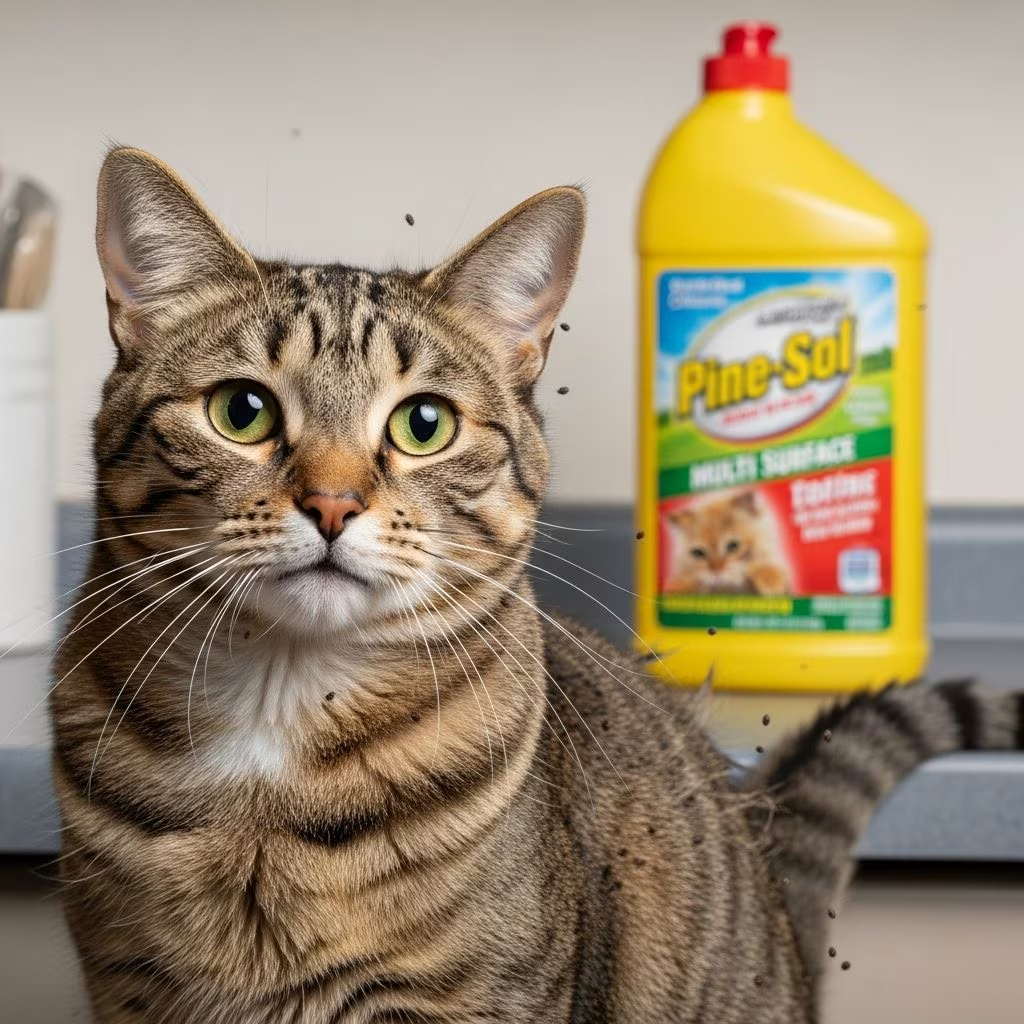
Flea infestations pose a significant challenge for cat owners, often leading to itchy skin, discomfort, and potential health issues for both pets and humans. While household cleaners like Pine-Sol have gained attention for their flea-killing properties on surfaces, their use around cats requires extreme caution. This article delves into how Pine-Sol interacts with fleas, the specific dangers it presents to felines, practical application methods for home cleaning, and safer, veterinarian-recommended strategies for comprehensive flea management.
Understanding Flea Life Cycles and Home Infestations
Fleas are resilient parasites that thrive in warm, humid environments, completing their life cycle in as little as two weeks under ideal conditions. Adult fleas make up only about 5% of an infestation, with the majority existing as eggs, larvae, and pupae hidden in carpets, furniture, and cracks. These stages are notoriously hard to eradicate without targeting multiple areas simultaneously.
- Eggs: Tiny, white, and sticky, they fall off pets into the environment.
- Larvae: Worm-like and light-averse, feeding on organic debris.
- Pupae: Cocoon-protected, resistant to many treatments.
- Adults: Blood-feeding jumpers responsible for visible itching.
Addressing only the pet leaves the environmental reservoir intact, allowing reinfestation. Cleaners like Pine-Sol target these stages on non-living surfaces, but pet treatment demands specialized products.
How Pine-Sol Targets Fleas in Your Home
Pine-Sol, a multi-surface cleaner, contains alcohol and essential oils such as pine or eucalyptus, which disrupt flea survival. The alcohol dehydrates and kills eggs, larvae, pupae, and adults on contact, while the oils emit scents that repel surviving insects. This makes it useful for floor mopping, carpet rinsing, and spot-cleaning infested areas.
| Surface Type | Recommended Dilution | Application Tips |
|---|---|---|
| Hard Floors (Tile, Wood) | 1/4 cup per gallon of water | Mop thoroughly, focus on cracks; allow to air dry |
| Carpets | 1/8 cup in rinse water | Shampoo first, then rinse with mixture; vacuum daily |
| Furniture/Baseboards | Light spray (diluted) | Wipe down; avoid fabric absorption |
Regular vacuuming enhances efficacy by physically removing debris and stimulating pupae to emerge. Combine with weekly cleanings for 4-6 weeks to break the cycle.
The Dangers of Pine-Sol for Cats
Despite its household utility, Pine-Sol is not formulated for pet use and can cause severe harm to cats. Its active ingredients, including surfactants and pine oil derivatives, are irritants that may lead to skin burns, respiratory distress, or gastrointestinal poisoning if ingested during grooming. Cats lack certain liver enzymes to metabolize phenols and terpenes effectively, amplifying toxicity risks.
- Skin Contact: Redness, itching, or chemical burns.
- Inhalation: Coughing, wheezing, or exacerbated asthma.
- Ingestion: Vomiting, drooling, tremors, or organ failure in severe cases.
Veterinarians unanimously advise against direct application on pets. Even diluted residues on surfaces warrant keeping cats away until fully dry. Symptoms of exposure require immediate vet attention, including induced vomiting or supportive care.
Safe Alternatives for Flea Control on Cats
Vet-approved options prioritize pet safety and long-term prevention. Topical spot-ons like fipronil or imidacloprid kill adults and disrupt development, applied monthly between shoulder blades. Oral preventatives, such as nitenpyram or lufenuron, offer convenience with rapid action.
| Treatment Type | Examples | Pros | Cons |
|---|---|---|---|
| Topical | Frontline, Revolution | Water-resistant, kills eggs | Greasy residue, bathing precautions |
| Oral | Comfortis, NexGard | Fast-acting, no mess | Potential vomiting in sensitive cats |
| Collar | Seresto | 8-month protection | Not for kittens under 10 weeks |
Natural aids like diatomaceous earth (food-grade) dehydrate fleas on bedding when applied dry and vacuumed after 24-48 hours. Essential oil diffusers should exclude pine-based ones around cats.
Comprehensive Flea Elimination Strategy
Success hinges on integrated pest management: treat pets, home, and yard concurrently. Start with pet baths using flea shampoo, followed by preventative application. Indoors, vacuum daily, launder bedding in hot water, and deploy Pine-Sol on floors (pets isolated). Outdoors, mow grass and apply pet-safe yard sprays.
- Day 1: Bathe pets, apply treatment, vacuum home.
- Days 2-7: Clean surfaces with diluted Pine-Sol, repeat vacuuming.
- Ongoing: Monthly preventatives, bi-weekly washes.
Monitor for flea dirt (black specks) or bites to gauge progress. Persistence beyond two weeks signals professional intervention.
Preventing Future Flea Problems
Proactive measures reduce recurrence. Year-round preventatives shield against seasonal spikes. Maintain short outdoor grass, inspect after park visits, and avoid wildlife exposure. Indoor-only cats benefit from monthly treatments during flea season (spring-fall).
Human hygiene matters: wash bites with soap, use DEET repellents on ankles until infestation clears.
Frequently Asked Questions
Can I use Pine-Sol in a flea fogger?
No, foggers require insecticide formulations with growth regulators; Pine-Sol lacks these and may clog devices.
How long after cleaning with Pine-Sol can cats return?
Wait 4-6 hours for full evaporation, or until no scent remains, to minimize residue risks.
Is diluted Pine-Sol safe for kitten areas?
Avoid entirely; kittens are more vulnerable. Opt for vacuuming and steam cleaning instead.
What if my cat licks a cleaned floor?
Rinse mouth with water, monitor for drooling or lethargy, and contact a vet if symptoms appear.
Does Pine-Sol work on other pet pests?
It repels some insects like ants but is ineffective against ticks or mites; use targeted products.
Key Takeaways for Cat Owners
Pine-Sol excels at surface flea control through alcohol and oils but endangers cats via toxicity. Prioritize vet consultations for pet treatments, integrating home cleaning cautiously. Consistent effort yields flea-free homes without compromising feline health.
References
- Does Pine-Sol Kill Fleas? Vet-Approved Facts & Safety — Hepper. 2024. https://articles.hepper.com/does-pine-sol-kill-fleas/
- What Bugs Does Pine Sol Repel — Oreate AI Blog. 2024. http://oreateai.com/blog/what-bugs-does-pine-sol-repel/0f97daf8fdd0d722b678fe97dcab1c10
- Does Pine-Sol Kill Fleas on Cats? Evaluating Household Cleaners — Cats Luv Us. 2024-07-15. https://shop.catsluvus.com/2024/07/15/does-pine-sol-kill-fleas-on-cats-evaluating-household-cleaners/
- Controlling Flea Infestations — Community Veterinary Clinic. 2024. https://mycommunityveterinaryclinic.com/controlling-flea-infestations/
- Disinfectant choices in veterinary practices, shelters and households — PMC (NCBI). 2024. https://pmc.ncbi.nlm.nih.gov/articles/PMC11148928/



