

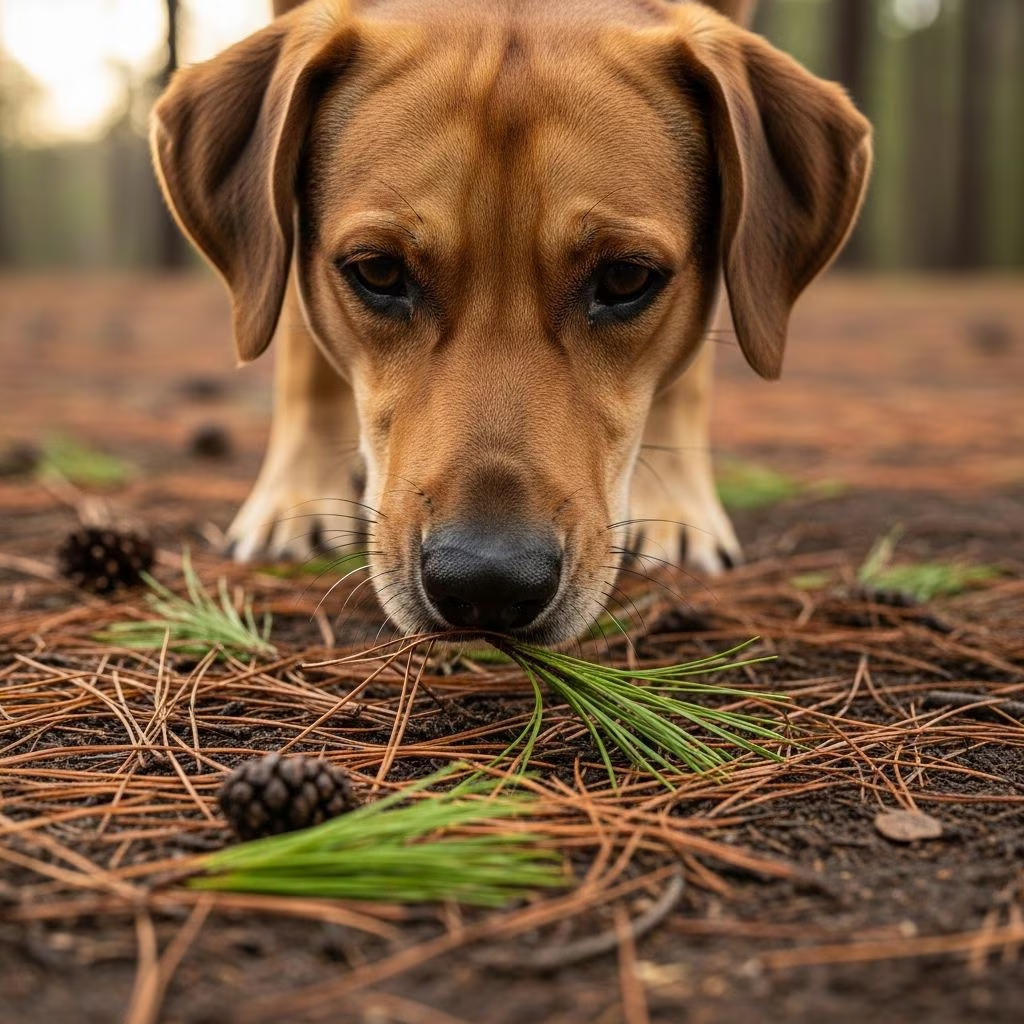
Many dog owners overlook the risks that evergreen trees and their needles present to their pets. While pine needles may seem innocuous, they can pose serious health threats to dogs when ingested or contacted. Understanding these dangers is essential for pet safety, particularly during holiday seasons when Christmas trees bring these hazards directly into homes. This comprehensive guide explores the various risks associated with pine needles and provides practical strategies for protecting your furry friend.
The Mechanical Dangers of Pine Needle Ingestion
Unlike many toxic substances that cause poisoning through chemical means, pine needles present a unique physical threat to canine digestive systems. The sharp, rigid structure of these needles can cause significant mechanical damage as they pass through your dog’s mouth, throat, and digestive tract.
When a dog ingests pine needles, several complications can arise. The needles may become lodged between the teeth or at the back of the mouth, causing immediate discomfort and difficulty. If swallowed, these sharp objects can puncture or tear the soft tissue lining the esophagus, stomach, and intestines. In severe cases, these punctures can lead to foreign body reactions, characterized by the development of abscesses and serious secondary infections that require veterinary intervention.
Additionally, when multiple pine needles accumulate in the digestive tract, they can form dense clumps that obstruct normal digestive function. Such blockages can occur anywhere along the gastrointestinal tract and may necessitate surgical removal if they become severe enough.
Identifying Gastrointestinal Distress Symptoms
Recognizing the warning signs of pine needle ingestion is crucial for timely intervention. Dog owners should remain vigilant for the following indicators:
- Excessive salivation — Drooling more than usual can suggest mouth or throat irritation
- Oral discomfort behaviors — Pawing at the mouth or repetitive lip licking indicates potential foreign material in the mouth
- Vomiting — Persistent vomiting occurs as the digestive tract attempts to eliminate the irritant
- Appetite changes — Loss of interest in food or refusal to eat may signal internal pain
- Abdominal pain — Hunched posture, whining, or reluctance to move can indicate digestive discomfort
- Lethargy and weakness — Unusual fatigue or lack of energy suggests systemic issues
- Diarrhea — Changes in bowel movements reflect digestive tract irritation
- Weight loss — Gradual weight decline may occur with sustained digestive problems
If your dog exhibits any combination of these symptoms, immediate veterinary consultation is warranted. Early detection and treatment significantly improve outcomes and reduce the risk of serious complications.
External Injuries From Pine Needle Contact
Beyond internal injuries, pine needles pose external threats to your dog’s skin and paws. The sharp, pointed nature of needles makes them capable of penetrating sensitive areas on your pet’s body.
Wounds around the mouth and throat are particularly concerning because these areas have increased blood flow and are more susceptible to infection. If your dog steps on pine needles or walks through areas with scattered needles, sharp fragments can become embedded between the paw pads or puncture the sensitive skin. Such injuries cause pain, limping, and difficulty walking. Infected paw wounds can develop into serious conditions if not properly cleaned and treated.
Your dog may exhibit signs of paw pain by repeatedly licking or chewing at the affected area, limping, or reluctance to walk normally. Regular inspection of your dog’s paws, especially after outdoor time in areas with pine trees, allows for early detection and treatment of minor injuries before they progress.
The Pine Oil Toxicity Component
An often-overlooked hazard associated with pine needles is the presence of pine oil, a volatile compound that possesses mild toxic properties for canines. When dogs come into contact with concentrated pine oil—either through direct needle ingestion or exposure to tree sap—they may experience allergic reactions or skin irritation.
Sensitivity to pine oil varies among individual dogs. Some animals react to minimal exposure, while others tolerate brief contact with minimal symptoms. However, dogs with pre-existing skin conditions or allergies face elevated risk of severe reactions.
Symptoms of pine oil exposure include inflammation and redness of the skin, localized or generalized swelling, and intense itchiness that drives excessive scratching and self-trauma. In more severe cases, dogs may experience respiratory distress, including labored breathing or wheezing. These severe respiratory symptoms constitute medical emergencies requiring immediate veterinary care.
Prevention Strategies and Environmental Management
The most effective approach to protecting your dog involves preventing access to pine needles and minimizing environmental hazards. Implementing multiple layers of protection ensures comprehensive safety:
| Prevention Strategy | Description |
|---|---|
| Regular sweeping and vacuuming | Remove fallen needles daily, particularly around Christmas trees and outdoor areas |
| Tree placement | Position trees in areas where dogs cannot easily access or knock them over |
| Tree stand protection | Cover tree stands with barriers to prevent needle collection and water contamination |
| Outdoor supervision | Monitor your dog during outdoor time in areas with pine trees and natural debris |
| Paw inspection routine | Check paws regularly for embedded needles or wounds, especially after outdoor activities |
| Restrict access | Use barriers or gates to separate dogs from Christmas trees or outdoor evergreen areas |
Hidden Hazards: Christmas Tree Water and Decorations
Beyond needles themselves, Christmas trees present additional dangers that owners frequently overlook. The water used in tree stands creates an ideal environment for bacterial and mold growth, particularly when treated with preservatives or fertilizers. Dogs who drink from tree stands may consume contaminated water, leading to gastrointestinal upset and potentially serious infections.
Tree stands should be consistently covered or protected from canine access. Similarly, ornaments, tinsel, and electrical lights pose choking hazards or electrocution risks. Creating a dog-safe holiday environment requires attention to multiple elements beyond just the needles themselves.
Risk Factors and Vulnerable Populations
Certain dogs face elevated risk from pine needle exposure. Puppies, particularly those in the teething phase, demonstrate increased chewing behavior and curiosity, making them more likely to ingest needles. Older dogs with dental disease may have gaps where small sharp objects can become trapped.
Small breed dogs face particular vulnerability to blockages and internal injuries because their digestive tracts have less capacity to accommodate foreign objects. Dogs with existing gastrointestinal conditions or those prone to intestinal blockages require especially vigilant protection.
When to Seek Veterinary Care
Dog owners should contact a veterinarian immediately if they observe their dog consuming pine needles or showing any related symptoms. While not all needle ingestions result in serious complications, professional evaluation allows for early detection of potential problems.
Veterinary examination may include physical palpation of the abdomen, blood work to assess for infection or organ dysfunction, and imaging such as radiographs or ultrasound to detect blockages or internal injuries. In cases involving confirmed blockages or suspected perforation, surgical intervention may be necessary to prevent life-threatening complications such as sepsis.
Post-Exposure Care and Recovery
If your dog ingests pine needles and receives veterinary care, follow all professional recommendations regarding monitoring and activity restriction. Most cases of minor needle ingestion resolve without complications when treated supportively. However, cases involving infection or significant tissue damage may require extended recovery periods.
Supportive care typically includes temporary dietary modifications using easily digestible food, prescribed medications to manage pain or prevent infection, and activity restriction to allow internal healing. Your veterinarian will provide specific guidance based on your dog’s individual situation and the extent of any injuries sustained.
Special Considerations for Allergic Dogs
Dogs with pre-existing allergies or sensitive skin require additional protection from pine needle exposure. These animals may experience more severe reactions to pine oil compounds, potentially progressing to serious allergic symptoms even with minimal exposure.
For dogs with known allergies, prevention becomes even more critical. Bathing your dog with gentle, hypoallergenic shampoos after outdoor time in pine-rich areas can help remove residual oils and reduce allergic reactions. If allergic reactions occur, your veterinarian may recommend antihistamines or other medications to manage symptoms effectively.
Frequently Asked Questions
Are pine needles toxic to dogs?
Pine needles are not inherently toxic in the traditional sense; however, they present significant physical dangers through their sharp structure and the pine oil they contain. The mechanical damage they cause and the mild toxicity of pine oil combine to create serious health risks.
What should I do if I see my dog chewing on a pine tree or needles?
Immediately remove your dog from access to the needles and redirect their attention to appropriate toys. Monitor them closely for the next 24-48 hours for any signs of distress, and contact your veterinarian if symptoms develop.
Can fake Christmas tree needles be dangerous?
Yes, artificial tree needles can be equally problematic as real needles. While they lack the chemical compounds found in natural needles, they are still sharp, indigestible, and capable of causing mechanical injury and blockages.
How can I make my Christmas tree safer for my dog?
Create physical barriers around your tree using gates or playpens, secure the tree stand so it cannot tip over, cover the water basin, remove low-hanging decorations, and sweep up fallen needles daily.
Should I avoid having a Christmas tree if I have a dog?
You can safely have a Christmas tree with proper precautions. Focus on environmental management, supervision, and creating barriers that prevent unsupervised access. Many dog owners successfully maintain Christmas trees through vigilant safety practices.
References
- Can Pine Tree Needles Harm My Pet? — North Churton Animal Hospital. Accessed January 2026. https://northchurtonanimalhospital.com/can-pine-tree-needles-harm-my-pet/
- Are Pine Needles Bad for Dogs? Vet-Approved Facts & FAQ — Dogster. Accessed January 2026. https://www.dogster.com/dog-health-care/are-pine-needles-bad-for-dog
- Are Pine Trees Poisonous? — Plant Addicts. Accessed January 2026. https://plantaddicts.com/are-pine-trees-poisonous/
- Are Pine Needles Bad for Dogs? — Healthy Paws Pet Insurance. Accessed January 2026. https://www.healthypawspetinsurance.com/blog/dog-care/can-pine-tree-needles-make-dogs-sick.html
- Can eating pine needles make dogs sick? — Dial A Vet. Accessed January 2026. https://www.dialavet.com/vet-answers/eating-pine-needles-dogs-sick-382814



