

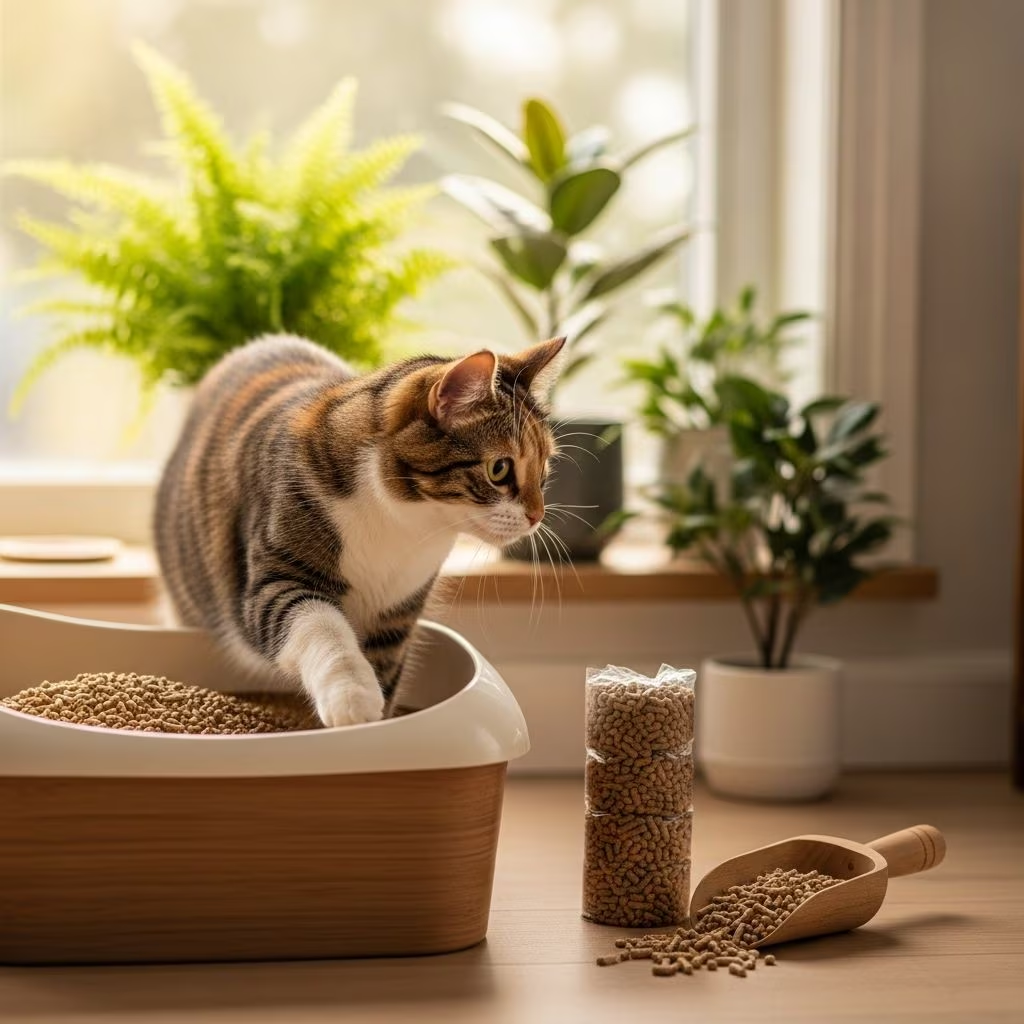
Selecting the right cat litter involves balancing your pet’s needs with environmental responsibility and household practicality. Pine cat litter has emerged as a compelling alternative to conventional clay-based products, offering distinct advantages for environmentally conscious pet owners. Understanding what pine litter is, how it functions, and whether it suits your household requires examining its composition, performance characteristics, and potential limitations.
Understanding Pine Cat Litter Composition
Pine cat litter originates from compressed sawdust and recycled wood shavings, byproducts of the lumber industry. Rather than creating waste, manufacturers transform these materials into functional pellets through a compression process. When exposed to moisture from urine or water, the pellets absorb liquid and gradually break down into fine sawdust-like particles. This transformation mechanism distinguishes pine litter from clumping clay varieties, which harden into solid masses.
The manufacturing process includes kiln-drying, which removes potentially harmful oils and pathogens from the wood. This sterilization step significantly reduces health risks for cats, particularly concerning respiratory irritation or bacterial exposure. The result is a product that maintains natural properties while meeting safety standards for pet use.
Environmental Advantages of Pine-Based Alternatives
Pine cat litter delivers substantial environmental benefits compared to traditional clay litters. These advantages extend throughout the product’s lifecycle, from sourcing through disposal.
Biodegradability and Waste Reduction
Unlike clay or silica-based litters, pine litter is 100% biodegradable. It naturally breaks down in compost or landfills, creating a zero-waste solution when disposed of correctly. Traditional clay litters often contain sodium bentonite, a non-renewable mineral resource that persists indefinitely in landfills. Pine litter, by contrast, decomposes naturally, reducing long-term environmental burden and supporting sustainable waste management practices.
One particularly valuable aspect involves composting used pine litter. When separated from feces and combined with other organic materials in an outdoor compost system, urine-soaked pellets enrich non-edible plants and gardens, effectively closing the waste loop. Pet owners should never use composted litter on food crops, but the material proves excellent for ornamental landscaping.
Renewable Resource Utilization
Pine litter maximizes the value of lumber industry byproducts that might otherwise become waste. This circular economy approach reduces pressure on virgin forests and minimizes the environmental footprint of wood processing. By purchasing pine litter, consumers support industries that efficiently utilize natural resources.
Health Considerations for Cats and Humans
The composition and low-dust nature of pine litter provide significant health advantages for both feline and human household members.
Respiratory Health Benefits
Traditional clay litters, particularly those made from bentonite clay, generate substantial dust that exacerbates respiratory issues in both cats and humans. Pine pellets produce virtually no dust, mitigating respiratory irritation and contributing to a cleaner living environment. This low-dust feature proves especially beneficial for households with individuals prone to asthma, allergies, or other respiratory conditions.
According to survey data, 63% of cat owners reported a noticeable decrease in household dust levels after switching to pine pellet litter. Cats, being highly sensitive to environmental changes, particularly benefit from reduced airborne particles that can compromise their respiratory systems.
Reduced Chemical Exposure
Many traditional litters contain artificial fragrances, dyes, synthetic deodorizers, and other chemical additives designed to mask odors or enhance appearance. Pine pellets remain free from such chemicals, making them particularly beneficial for kittens or cats with compromised immune systems who may be more sensitive to synthetic substances. The absence of harmful chemicals reduces the risk of adverse reactions and supports overall feline health.
Natural Antimicrobial Properties
Pine litter typically contains natural antimicrobial agents that help maintain litter box hygiene without requiring chemical additives. This natural approach proves gentler on sensitive skin and respiratory systems while still effectively controlling bacterial growth that could lead to infections.
Performance Characteristics and Odor Control
Practical performance matters significantly when evaluating any cat litter product. Pine litter delivers competitive results in absorbing moisture and controlling odors.
Superior Moisture Absorption
Pine pellets excel in absorbency, capable of holding up to 500% of their weight in moisture. When wet, the pellets break down into sawdust, which helps control odors and maintains a drier litter box environment. This effective moisture management reduces the likelihood of bacterial growth, preventing health issues such as urinary tract infections associated with damp or unsanitary litter environments.
Natural Odor Neutralization
Pine wood pellets control odors naturally through their inherent pine scent and absorption properties. Unlike clumping litters that rely on added chemicals or artificial fragrances, pine litter neutralizes odors effectively using only its natural composition. Survey data indicates 85% of users reported positive feedback regarding odor control capabilities.
The pleasant wood aroma appeals to many pet owners who prefer natural scents over artificial fragrances. This authentic scent does not irritate cats or humans the way synthetic deodorizers sometimes do.
Cost-Effectiveness and Long-Term Value
While pine pellets may have a higher initial cost compared to some traditional clay litters, they often prove more cost-effective over extended periods.
Pricing Comparison
A 40-pound bag of natural pine pelletized bedding typically costs between $6.99 and $7.49, while traditional clay litter ranges from $12.99 to $14.99 for a 20-pound box. The apparent price advantage of clay products diminishes when accounting for usage rates and replacement frequency.
Extended Product Lifespan
Pine pellets last considerably longer than traditional litters because they expand and break down into sawdust when exposed to moisture. This characteristic means fewer full litter changes and more frequent top-offs with fresh material. The longevity translates into fewer bags purchased annually, resulting in significant savings despite higher per-unit costs.
| Aspect | Pine Pellets | Traditional Clay |
|---|---|---|
| Initial Cost | Moderate ($6.99-$7.49 per 40 lbs) | Lower ($12.99-$14.99 per 20 lbs) |
| Monthly Usage | Lower (extends longer) | Higher (requires frequent changes) |
| Annual Cost | Lower (fewer replacements) | Higher (frequent purchases) |
| Environmental Impact | Biodegradable, compostable | Non-degradable, persistent |
Maintenance and Practical Considerations
Daily litter box management differs somewhat with pine pellets compared to traditional varieties, affecting household routines and cleaning schedules.
Simplified Cleaning Procedures
As pine pellets absorb moisture, they transform into sawdust that can be easily scooped out. This process reduces the frequency of complete litter changes and makes cleaning more convenient overall. Rather than replacing entire boxes of clumped clay, pet owners simply remove the converted sawdust material and add fresh pellets to maintain proper levels.
Natural Scent Management
The natural pine scent helps control odors without the need for added fragrances, which can sometimes be irritating to cats and humans. This inherent deodorizing capability means fewer additional products needed to maintain a fresh-smelling litter area.
Potential Drawbacks
Some pet owners report initial cat resistance when transitioning to pine litter, as felines may find the texture or scent unfamiliar. Additionally, the breakdown process can occasionally create minor tracking of sawdust particles in the surrounding area. These considerations typically resolve as cats adjust to the new product.
Comparing Pine Litter to Alternative Options
Understanding how pine litter stacks against other products helps inform purchasing decisions.
Pine Versus Silica Gel Litter
Silica gel litter offers superior odor control through ammonia trapping and maintains longer lifespan, potentially lasting up to one month per cat. However, silica products are not biodegradable and contribute to landfill accumulation. Some silica varieties feature color-changing technology that signals potential urinary tract infections, providing health monitoring benefits. Despite these advantages, the environmental cost of non-degradable waste may outweigh performance benefits for environmentally conscious owners.
Pine Versus Clumping Clay Litter
Traditional clumping litters rely on sodium bentonite clay, a non-renewable mineral that persists indefinitely in landfills. While convenient for clumping into disposable masses, these products generate significant dust and contain chemical additives for fragrance and clumping enhancement. Pine litter’s natural composition, low-dust profile, and biodegradability provide superior environmental performance, though some users prefer the instant clumping action of clay products.
Pine Versus Crystal Litter
Crystal litters absorb moisture through silica gel technology and include chemical deodorizers for odor control. Pine litter uses natural absorption and inherent pine scent to neutralize odors, offering a gentler approach to your cat and the environment. Crystal products are less biodegradable and may not align with sustainability goals.
Customer Satisfaction and User Feedback
Real-world experience data provides valuable insights into pine litter performance across diverse households.
| Satisfaction Aspect | Positive Feedback |
|---|---|
| Odor Control | 85% |
| Environmental Impact | 90% |
| Cat Acceptance | 65% |
| Ease of Cleaning | 70% |
| Price Satisfaction | 80% |
Notable feedback patterns show strongest approval for environmental benefits and odor control performance. Most complaints centered on initial cat resistance and the breakdown mess—consistent with known product characteristics. These issues typically resolve during an adjustment period as cats acclimate to the new litter type and owners learn optimal maintenance techniques.
Transitioning to Pine Cat Litter
Switching litter types requires a gradual approach to maximize acceptance and minimize stress for feline household members.
- Begin by mixing small amounts of pine pellets with existing litter, gradually increasing the proportion over 7-10 days
- Maintain consistent litter box location and cleaning schedule during the transition period
- Provide additional litter boxes to ensure adequate access if cats initially resist
- Monitor for any signs of litter box avoidance or behavioral changes
- Consult your veterinarian if cats with respiratory sensitivities react negatively to pine aroma
Best Practices for Pine Litter Usage
Optimizing the benefits of pine cat litter involves following proper usage and maintenance protocols.
Composting Guidelines
- Separate urine-soaked pellets from solid waste before composting
- Use an outdoor compost system specifically dedicated to non-food materials
- Never apply composted litter to food crops or edible gardens
- Turn the compost pile regularly for even breakdown and decomposition
- Allow 4-6 months for complete composting before using in landscaping
Litter Box Maintenance
- Scoop solid waste daily to maintain hygiene
- Remove clumped sawdust regularly to prevent moisture accumulation
- Add fresh pellets as needed to maintain adequate depth
- Perform complete box cleaning and replacement monthly or as needed
- Rinse and dry litter boxes between complete cleanings
Frequently Asked Questions
Is pine cat litter safe for all cats?
Pine litter is generally safe for most cats, as kiln-drying removes harmful oils and pathogens. However, some highly sensitive cats or those with specific respiratory issues might react to the pine aroma. Consult your veterinarian before switching if your cat has pre-existing respiratory conditions or sensitivities.
How long does a bag of pine litter typically last?
Duration depends on factors including cat count, usage intensity, and litter box size. Many pet owners report that pine pellets last longer than clay litter due to extended absorbency, potentially reducing replacement frequency by 25-40%.
Can I flush pine cat litter down the toilet?
No, pine litter should not be flushed down toilets, as the pellets and sawdust can cause plumbing blockages. Dispose of soiled pine litter in household trash or designated compost systems.
Does pine litter smell better than clay litter?
Many users report that pine litter smells better than clay litter, offering a natural wood scent rather than artificial fragrances or unpleasant odors associated with ammonia. The natural aroma appeals to households seeking authentic scent profiles.
What should I do if my cat refuses pine litter?
Gradual transition mixing, providing multiple litter box options, and allowing adjustment time typically resolves initial resistance. If problems persist, consult your veterinarian to rule out health concerns or sensitivities.
Making the Switch: Final Considerations
Deciding whether to transition to pine cat litter involves evaluating your household priorities, cat’s individual preferences, and environmental values. The product delivers compelling advantages in environmental sustainability, health benefits for cats and humans, and long-term cost-effectiveness. Performance in odor control and moisture absorption meets or exceeds traditional options for most users.
The primary consideration involves your specific cat’s acceptance of the new product. Some felines adapt seamlessly within days, while others require extended adjustment periods. Patience during the transition phase typically results in successful adoption of this eco-friendly alternative.
For pet owners seeking to minimize environmental impact without compromising litter box functionality or household hygiene, pine cat litter represents a practical and sustainable choice that benefits both feline companions and the broader ecosystem.
References
- The Environmental Impact of Using Pine Wood vs Other Litters — Purrin Litter. Accessed January 2026. https://purrinlitter.com/the-environmental-impact-of-using-pine-wood-vs-other-litters/
- Why Pine Pellets Are a Top Choice for Cat Litter: A Comprehensive Guide — Black Diamond Maine Coons. Accessed January 2026. https://blackdiamondmainecoons.com/why-pine-pellets-are-a-top-choice-for-cat-litter-a-comprehensive-guide/
- Pine Pellet Cat Litter Pros and Cons — Green Pet Care. Accessed January 2026. https://www.greenpetcare.com.cn/Pine-Pellet-Cat-Litter-Pros-and-Cons_1867.html
- Feline Pine vs Silica Cat Litter: Which Is Better for You and Your Cat? — My Pacha. Accessed January 2026. https://my-pacha.com/blogs/pacha/feline-pine-vs-silica-cat-litter-comparison
- Comparing Pine Wood Pellets to Other Cat Litter Options — Vietnam Best Wood. Accessed January 2026. https://vietnambestwood.com/general/comparing-pine-wood-pellets-2/
- Different Types of Cat Litter: Overview and Comparison — VCA Animal Hospitals. Accessed January 2026. https://vcahospitals.com/pediatric/kitten/prep-supplies/different-types-of-cat-litter
- Pine Cat Litter: What You Need to Know — Pretty Litter. Accessed January 2026. https://www.prettylitter.com/blog/giving-you-the-scoop-on-pine-cat-litter



