

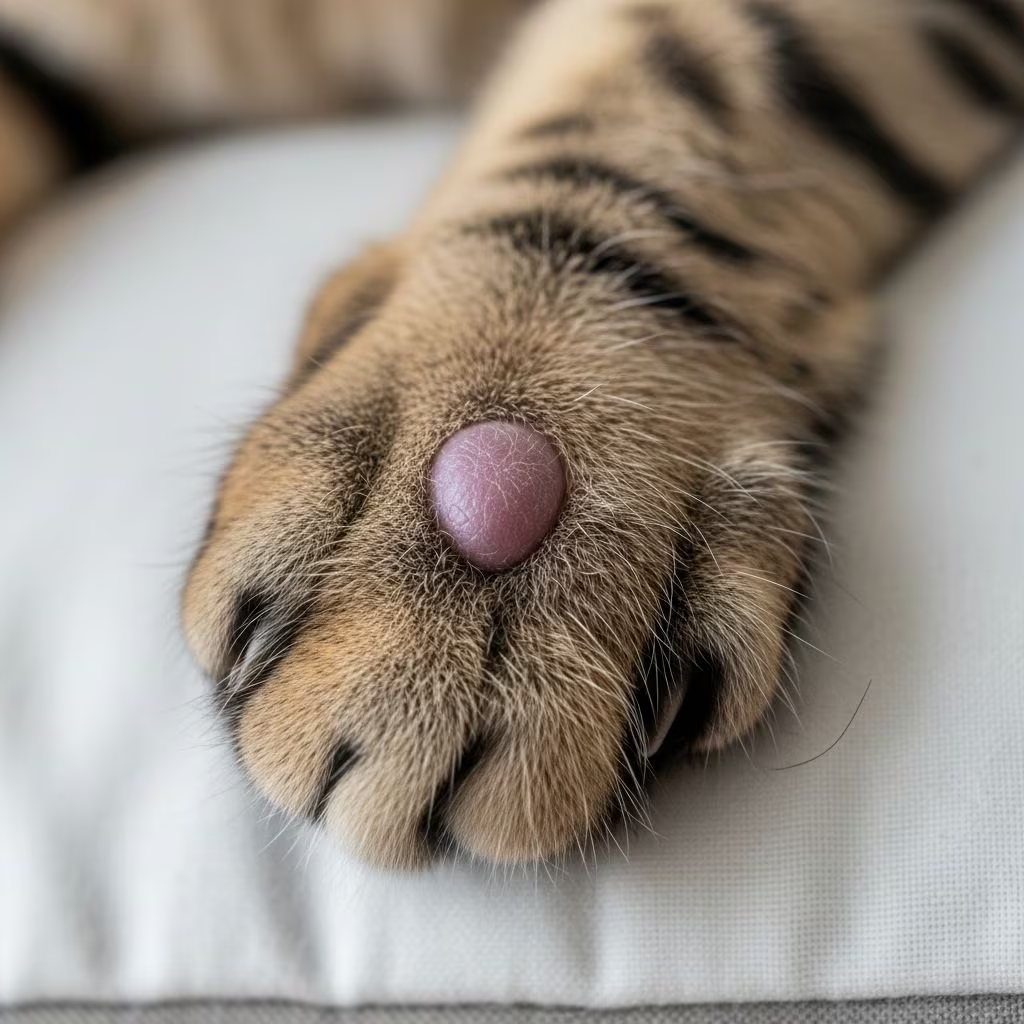
Feline plasma cell pododermatitis, commonly known as **pillow foot**, is a rare but painful skin condition affecting the paw pads of cats. This immune-mediated disease causes the pads to swell dramatically, resembling soft pillows, often leading to discomfort, limping, and secondary infections if untreated. While the exact cause remains unknown, it involves an overproduction of plasma cells in response to an unidentified trigger, potentially linked to infections or viruses like FIV. Early diagnosis and treatment are crucial for resolution, with many cats responding well to immunomodulatory therapies.
What Is Pillow Foot in Cats?
**Pillow foot**, scientifically termed feline plasma cell pododermatitis (PCP), is an uncommon inflammatory skin disease primarily targeting the paw pads. Plasma cells, a type of white blood cell derived from B-lymphocytes, infiltrate the soft tissues of the footpads, producing antibodies that lead to excessive swelling and inflammation. This results in paw pads that are puffy, soft, and often painful, hence the descriptive name “pillow foot.”
The condition was first reported in veterinary literature in the 1980s and is characterized by marked plasma cell accumulation without a clear etiology. It typically affects multiple paws, though it can be unilateral in rare cases. Cats of any age, breed, or sex can be affected, but it’s more common in adult cats. The swelling makes walking uncomfortable, and untreated cases can progress to ulceration, bleeding, and lameness.
Histologically, biopsies reveal dense plasma cell infiltrates, often with hypergammaglobulinemia (elevated blood antibodies) in affected cats. While rare in dogs, the presentation is similar. Prognosis is generally good with treatment, and some mild cases resolve spontaneously.
Symptoms of Pillow Foot in Cats
Recognizing **pillow foot symptoms** early can prevent complications. The hallmark sign is dramatic swelling of the paw pads, affecting two or more feet simultaneously. Pads appear:
- Swollen and puffy, with a smooth, pillow-like texture that may indent under pressure before rebounding.
- Deep pink, purple, or violet in color, often with white striations or deep fissure lines.
- Soft and spongy initially, progressing to ulceration, cracks, or open sores.
Cats often exhibit:
- Limping or lameness, favoring affected paws or holding them up.
- Excessive licking or chewing at the paws due to pain and itchiness.
- Bleeding or discharge from ulcerated pads.
- Pain on palpation, with cats reacting sensitively when pads are touched.
Rare systemic signs from plasma cell overproduction include lethargy, fever, weight loss, enlarged lymph nodes, nasal bridge swelling, stomatitis, upper respiratory issues, glomerulonephritis, or eosinophilic granuloma. Most cats remain otherwise healthy, eating and behaving normally aside from paw discomfort.
Causes of Pillow Foot in Cats
The precise **cause of pillow foot** is unknown, but it’s widely regarded as an immune-mediated disorder. Plasma cells activate abnormally, possibly triggered by:
- Infections or antigens: Contact with litter materials, bacteria, or viruses may initiate an exaggerated immune response.
- Feline Immunodeficiency Virus (FIV): Up to 50% of affected cats test FIV-positive, suggesting a link, though not all FIV cats develop PCP.
- Other viruses: Associations with FeLV, calicivirus, or FIP reported, but unproven.
- Immune dysfunction: Similar to autoimmune diseases, with no identifiable pathogen in many cases.
No genetic predisposition is confirmed, and it’s not contagious. The footpad location implies possible environmental triggers like allergens, but recurrence despite changes supports immunological basis.
How Is Pillow Foot Diagnosed?
Diagnosis begins with a thorough **physical exam** focusing on paw pads. Veterinarians assess swelling, color, texture, and pain response. Key steps include:
- FIV/FeLV testing: Recommended due to strong FIV association.
- Cytology or biopsy: Confirms plasma cell infiltration via fine-needle aspirate or full-thickness biopsy.
- Bloodwork: Checks for hypergammaglobulinemia or systemic involvement.
- Ruling out differentials: E.g., eosinophilic granuloma, fungal infections, neoplasia, or trauma.
Early, accurate diagnosis improves outcomes, as delays allow ulceration.
Treatments for Pillow Foot in Cats
**Treatment** targets immune dysregulation and inflammation, with protocols tailored to severity. Primary options:
| Treatment | Description | Success Rate/Notes |
|---|---|---|
| Doxycycline | Oral antibiotic with immunomodulatory effects; first-line therapy. | Improves 80% of cases; 1/3 cure rate. Dose: 5-10 mg/kg daily for 4-8 weeks. |
| Corticosteroids (e.g., Prednisolone) | Reduces inflammation; often combined with doxycycline. | Effective for swelling; taper to avoid side effects. |
| Cyclosporine (modified) | Immunosuppressant for steroid-resistant cases. | Good response in refractory cases. |
| Surgery | Pad tissue removal for non-responders. | Rare; last resort. |
Response varies; monitor with rechecks. Recurrence is common, requiring long-term management. Mild cases may self-resolve.
Home Care and Management
Support vet treatment with **home care**:
- Soft bedding/surfaces: Rugs, throws to ease walking on sore paws.
- Paw cleaning: Gentle antiseptic wipes for ulcers; prevent licking with e-collars if needed.
- Weight management: Reduces paw stress.
- Litter change: Switch to soft, dust-free litter to minimize irritation.
- Regular vet visits: For medication adjustments and monitoring.
Avoid over-the-counter topicals without vet approval to prevent worsening.
Prognosis for Cats with Pillow Foot
Prognosis is **favorable**; most cats respond to therapy, with remission in weeks to months. Doxycycline cures about 33%, others need ongoing meds. Recurrence occurs in some, but early intervention prevents chronic issues. FIV-positive cats may have guarded prognosis but still improve. Untreated, it leads to pain and infection.
Prevention of Pillow Foot
No guaranteed **prevention**, but strategies include:
- FIV vaccination/testing: Where available, and spay/neuter to reduce virus spread.
- Hygiene: Clean litter boxes, hypoallergenic litters.
- Early detection: Monitor paws during grooming.
Research into triggers continues.
Frequently Asked Questions (FAQs)
Is pododermatitis painful for cats?
Yes, most cats with pillow foot experience discomfort or pain from swollen, ulcerated pads, leading to limping and reluctance to walk.
Can pillow foot in cats be cured?
Many cases resolve with doxycycline (about 1/3 cured), but others require lifelong management; surgery for refractory cases.
Is pillow foot contagious?
No, it’s not contagious between cats or to humans; it’s an immune-mediated condition.
How long does treatment take?
Improvement in 2-4 weeks, full remission 1-3 months; monitor for recurrence.
Should I test for FIV?
Yes, due to 50% association; essential for comprehensive care.
References
- Pillow Foot in Cats: Signs, Causes and Treatments — Bark & Whiskers. 2024-06-29. https://www.barkandwhiskers.com/2024-06-29-pillow-foot-in-cats/
- Pododermatitis in Cats: Causes, Symptoms, & Treatment — Cats.com. Accessed 2026. https://cats.com/pododermatitis-in-cats
- Pododermatitis in Cats — WagWalking. Accessed 2026. https://wagwalking.com/cat/condition/pododermatitis
- Helping Cats Stand Up To Pillow Foot — Texas A&M University College of Veterinary Medicine & Biomedical Sciences. Accessed 2026. https://vetmed.tamu.edu/news/pet-talk/pillow-foot/
- Feline plasma cell pododermatitis — PMC – NIH (Peer-reviewed). 2022-04-01. https://pmc.ncbi.nlm.nih.gov/articles/PMC9009751/
- Plasma Cell Pododermatitis — Mar Vista Animal Medical Center. Accessed 2026. https://www.marvistavet.com/plasma-cell-pododermatitis.pml



