

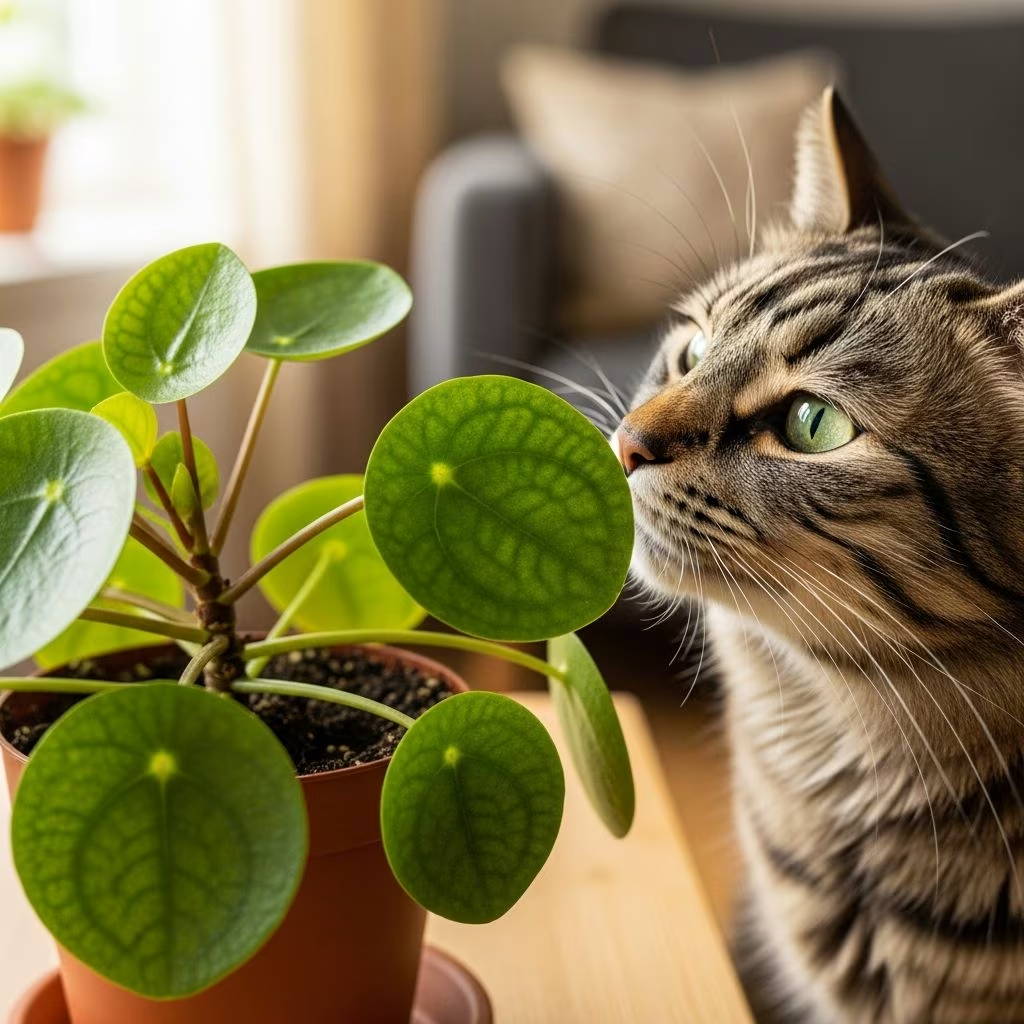
As a cat owner, determining which houseplants are safe to keep in your living space represents one of the most important decisions you can make for your pet’s wellbeing. Many cat owners worry about the potential dangers posed by common indoor plants, and rightfully so—some varieties can pose serious health risks. However, if you’re interested in cultivating a pilea in your home, you can rest assured that this attractive houseplant poses no threat to your feline friends.
What Exactly Are Pilea Plants?
Pilea plants belong to a diverse genus of tropical foliage plants characterized by their distinctive leaves and compact growth patterns. The most commonly cultivated variety is Pilea peperomioides, often referred to as the Chinese money plant due to its coin-shaped leaves. Beyond this popular variety, the genus includes Pilea microphylla, Pilea spruceana, Pilea cadierei, and Pilea nummularifolia, each offering unique visual appeal while sharing the same safety profile for households with cats.
These plants have gained substantial popularity among indoor gardeners and decorators because they require relatively modest care while providing attractive foliage. Their moderate growth rate and ability to thrive in various light conditions make them accessible options for both experienced plant enthusiasts and beginners. The whimsical appearance of pilea foliage often catches the attention of curious cats, prompting many pet owners to question whether these plants could pose any danger.
The Complete Safety Profile for Feline Companions
One of the most reassuring facts about pilea plants is that every part of the plant—including leaves, stems, and roots—contains no toxic compounds that could harm cats. Whether your cat simply brushes against the foliage, licks the leaves out of curiosity, or ingests portions of the plant, the botanical makeup of pilea plants ensures no poisoning will occur.
This non-toxic nature extends across all recognized pilea species commonly found in household settings. This means you can confidently display pilea plants throughout your home without concern for accidental ingestion by your feline companions. Unlike many other popular houseplants that contain harmful compounds like calcium oxalate crystals or other irritants, pilea plants present no chemical hazard to cats of any age.
What Happens if Your Cat Eats Pilea?
If you discover that your cat has nibbled on your pilea plant, the appropriate response is straightforward: monitor your cat and remain calm. No emergency veterinary visit is necessary simply because your cat consumed pilea foliage. The plant will not cause poisoning, allergic reactions, or systemic toxicity in your feline friend.
The only potential concern worth monitoring involves gastrointestinal upset from excessive consumption. Just as humans might experience mild digestive discomfort from eating unfamiliar plant material in large quantities, cats may develop temporary stomach upset if they consume substantial amounts of pilea foliage. This reaction stems not from toxic compounds but rather from the plant material itself taxing the digestive system.
In most instances where cats consume pilea, no adverse effects whatsoever develop. The vast majority of cats that nibble on pilea plants show no symptoms and require no intervention beyond observation.
Protecting Your Pilea from Feline Destruction
While pilea plants pose no danger to cats, cat owners often face the opposite concern: protecting their plants from damage caused by enthusiastic feline interaction. Cats attracted to plants may engage in destructive behavior that damages or kills your botanical specimens. Several practical strategies can help protect your pilea while maintaining a pet-safe environment.
Textural Deterrents
Many cats dislike particular textures and will avoid plants wrapped or surrounded by materials they find unpleasant. Aluminum foil provides an excellent example of such a material—most cats find the texture, appearance, and sound of foil objectionable. Wrapping the base of your pilea pot with foil or creating a foil barrier around the plant can discourage feline contact without harming your pet.
Similarly, rough-textured materials like netting or certain fabrics can deter cats from approaching plants. The goal is to make the plant itself less appealing to your cat while maintaining an aesthetically pleasing appearance in your home.
Natural Deterrent Sprays
Another approach involves applying cat-repellent sprays directly to the plant or its surroundings. These sprays typically contain compounds with scents that cats find unpleasant, such as citrus or capsaicin. You can purchase commercial cat deterrent products, or create a simple homemade solution using equal parts white vinegar and water. Spray this solution on and around your pilea regularly, reapplying after watering or if the scent fades.
Ensure any spray you use is non-toxic and safe for both cats and plants. Test on a small area first to verify the solution doesn’t damage the foliage before applying broadly.
Strategic Placement
The most effective method for protecting plants from destructive cats involves making the plant physically inaccessible. Hanging planters positioned high on wall shelves, tall plant stands, or ceiling hooks place pilea plants beyond your cat’s reach. Not only does this protect your plant from damage, but it also removes the temptation that might lead to excessive consumption.
When relocating plants to elevated positions, ensure the placement is secure and cannot be knocked over by jumping or climbing cats. Hanging planters should be securely anchored to support your cat’s weight should it attempt to reach the plant.
Providing Alternative Plants and Enrichment
Rather than relying solely on deterrent methods, you can satisfy your cat’s natural inclination to interact with plants by providing cat-safe alternatives specifically designed for feline consumption. Cat grass and catnip represent the most popular options that most cats find appealing.
Cat grass—typically grown from wheatgrass, oat grass, or barley seeds—offers a designated plant your cat can safely consume without restriction. The act of chewing grass aids in digestion and provides enrichment. By making cat grass readily available and easily accessible, you may reduce your cat’s interest in your houseplants.
Fresh catnip provides another excellent alternative that many cats find irresistible. Whether offered dried or as a fresh plant, catnip redirects your cat’s plant-related interest toward a stimulating but harmless option.
Other Cat-Safe Houseplants Worth Considering
Beyond pilea, numerous other houseplants are completely safe for cats and can be integrated into your home without concern. The following plants share pilea’s non-toxic profile and offer visual variety:
- Spider plant (Chlorophytum comosum)—Known for its cascading leaves and hardy nature
- Boston fern (Nephrolepis exaltata)—Provides soft, delicate fronds and thrives in humid environments
- Parlor palm (Chamaedorea elegans)—Adds tropical appeal with minimal toxicity concerns
- Prayer plant (Maranta leuconeura)—Features distinctive patterned leaves and low growth
- Bamboo palm (Chamaedorea seifrizii)—Offers larger sculptural presence in living spaces
- African violet (Saintpaulia)—Provides colorful blooms in a compact form
- Ponytail palm (Beaucarnea recurvata)—Displays unique architectural structure
When introducing any new plant to your cat’s environment, verify its safety through reliable sources such as the ASPCA animal poison control resources before placement.
Plants to Definitively Avoid Around Cats
Conversely, several popular houseplants pose genuine toxic risks to feline companions and should never be kept in homes with cats. Understanding which plants present danger helps you make informed decisions about your indoor garden.
| Toxic Plant | Harmful Component | Potential Effects |
|---|---|---|
| Lilies (various species) | Unknown compound | Severe kidney damage, potential fatality |
| Dieffenbachia | Calcium oxalate crystals | Oral irritation, difficulty swallowing |
| Philodendron | Calcium oxalate crystals | Mouth irritation, excessive drooling |
| Sago palm | Cycasin | Liver failure, potentially fatal |
| Azalea | Grayanotoxin | Gastrointestinal upset, heart issues |
| Poinsettia | Irritant compounds | Irritation, mild gastrointestinal upset |
| Golden pothos | Calcium oxalate crystals | Vomiting, drooling, difficulty swallowing |
Recognizing Poisoning Symptoms in Cats
Although pilea plants won’t cause poisoning, familiarizing yourself with general signs of plant toxicity in cats helps you respond quickly should your cat encounter a truly toxic plant. Common symptoms of plant poisoning include persistent vomiting, diarrhea, excessive drooling, lethargy, appetite loss, and behavioral changes. Some cats may exhibit difficulty breathing, tremors, or dilated pupils depending on the specific toxin involved.
If your cat displays any concerning symptoms, particularly after accessing an unknown plant, contact your veterinarian or animal poison control center immediately. Provide specific information about which plant your cat may have consumed, as different toxins require different treatment approaches.
Creating a Cat-Safe Plant Environment
Establishing a household that balances your desire for indoor plants with your cat’s safety requires intentional planning and consistent implementation of protective strategies. The combination of pilea plants with other non-toxic species, strategic placement, deterrent methods, and provision of cat-appropriate alternatives creates an environment where both you and your feline companion can flourish.
Begin by auditing your current plant collection against established non-toxic plant lists. Remove any genuinely toxic species, relocate potentially problematic plants to inaccessible areas, and rearrange your remaining plants using hanging systems or elevated platforms. Introduce cat grass or catnip in easily accessible locations to redirect your cat’s plant interest. Apply deterrent sprays or textural barriers around plants you want to protect.
This comprehensive approach addresses both aspects of the concern: maintaining your cat’s safety while preserving your botanical collection and aesthetic preferences.
When to Contact Your Veterinarian
While pilea consumption won’t necessitate veterinary intervention, knowing when to seek professional guidance remains important. Contact your veterinarian if your cat shows any unusual symptoms after consuming any plant, regardless of the plant’s toxicity status. Additionally, if your cat has preexisting medical conditions, sensitivities, or digestive issues, consult your vet before allowing plant consumption, as the plant material itself could exacerbate underlying conditions.
Your veterinarian can provide personalized guidance based on your specific cat’s health status and your household situation, offering recommendations tailored to your circumstances.
Frequently Asked Questions About Pilea and Cats
Is Pilea microphylla safe for cats?
Yes, Pilea microphylla is completely harmless to cats and safe to keep in homes with multiple cats that enjoy consuming plants. No toxicity concerns exist with this variety or any other recognized pilea species commonly cultivated as houseplants.
What should I do if my cat eats a large amount of pilea?
Monitor your cat for gastrointestinal upset such as mild vomiting or diarrhea, which may develop from consuming excess plant material. These symptoms typically resolve without intervention. If symptoms persist or worsen, contact your veterinarian, though this is rarely necessary with pilea consumption.
Are pilea plants toxic to other pets like dogs?
No, pilea plants are non-toxic to dogs and other common household pets. All members of the pilea genus are safe for multi-pet households.
How can I tell if my cat has eaten my pilea?
Visual inspection of your pilea may reveal missing or damaged leaves. You might observe plant material on your cat’s mouth or whiskers, or find remnants on the floor beneath the plant. Behavioral changes like temporary digestive upset may also indicate consumption.
Can I use pesticides or fertilizers on pilea around cats?
Exercise caution with any chemical applications. Use only pet-safe products, and ensure thorough rinsing before allowing cat contact with treated plants. Chemical residues can cause digestive issues even though the plant itself is non-toxic.
Final Considerations
Pilea plants represent an excellent choice for cat owners seeking to maintain attractive indoor greenery without compromising their feline companions’ safety. The complete lack of toxic compounds in all pilea varieties means you can confidently display these plants throughout your home. While cats may occasionally consume portions of the plant, causing no harm, implementing protection strategies keeps both your cat and your plant healthy and thriving.
By combining pilea plants with other non-toxic species, using smart placement techniques, applying appropriate deterrents, and providing alternative plants for consumption, you create a living space where cats and plants coexist harmoniously. Your commitment to understanding plant safety reflects responsible pet ownership and allows you to enjoy the aesthetic and air-purifying benefits of houseplants without worry.
References
- Is Pilea Poisonous? — Plant Addicts. Accessed January 2026. https://plantaddicts.com/is-pilea-poisonous/
- Is Pilea Toxic to Cats? Vet-Reviewed Houseplants Examined — Catster. Accessed January 2026. https://www.catster.com/cat-health-care/is-pilea-toxic-to-cats/
- Toxic and Non-Toxic Plant List — Cats — ASPCA Animal Poison Control Center. Accessed January 2026. https://www.aspca.org/pet-care/animal-poison-control/cats-plant-list



