

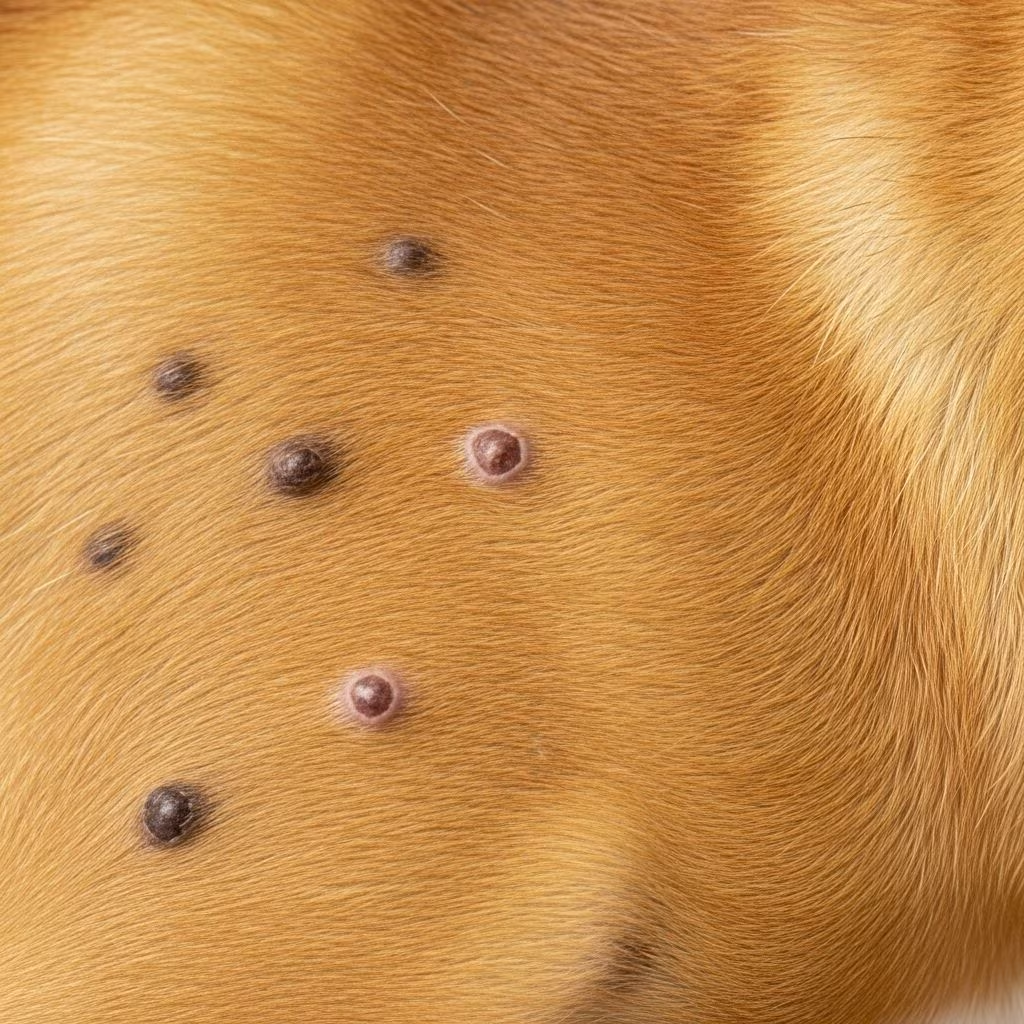
Dark spots, patches, and areas of increased pigmentation on your dog’s skin can be alarming for pet owners, but understanding what causes these changes is the first step toward proper care. While many pigmented lesions are entirely benign and represent normal variation in a dog’s coat, others may indicate underlying health conditions requiring veterinary attention. This guide explores the various causes of skin pigmentation changes in dogs and helps you determine when professional evaluation is necessary.
The Distinction Between Normal and Abnormal Pigmentation
Dogs naturally display a wide variety of skin colors and patterns, from solid coats to spotted or mottled appearances. However, certain pigmentation changes warrant closer examination. Hyperpigmentation, the darkening of skin due to increased melanin production, can range from a cosmetic concern to a symptom of systemic disease. The key distinction lies in whether the spots are stable, flat, and non-irritating—which typically suggests benign pigmentation—or whether they are accompanied by other symptoms such as redness, scaling, itching, or growth.
Many dog owners observe brown or black spots developing on their pet’s belly, paws, or other areas and assume these represent a health problem. In reality, if these spots are flat, unchanging, and cause no apparent discomfort, they often represent post-inflammatory hyperpigmentation or normal age-related pigmentation changes. However, new or rapidly evolving spots, particularly those accompanied by inflammation or systemic symptoms, require professional evaluation.
Skin Infections as Primary Causes of Pigmentation Changes
One of the most common reasons dogs develop dark spots or patches is underlying skin infection. Both bacterial and fungal infections can trigger inflammatory responses that lead to abnormal pigmentation as the skin heals.
Yeast and Fungal Infections
Yeast infections, particularly those caused by Malassezia species, are frequent culprits in canine skin pigmentation changes. These infections typically flourish in moist areas of the skin, including ear canals, paw pads, and skin folds common in breeds like Bulldogs and Basset Hounds. Beyond dark spots, yeast infections often produce a characteristic musty odor and cause itching and inflammation. Dogs with underlying immune conditions or hormonal imbalances are particularly susceptible to recurrent yeast infections.
Fungal infections extending beyond simple yeast can also affect the skin. Environmental exposure to fungi such as those causing coccidioidomycosis and histoplasmosis may lead to skin manifestations alongside liver involvement. These infections present particular challenges because they often require extended antifungal treatment lasting months, and the prognosis remains guarded due to treatment difficulty.
Bacterial Skin Infections
Bacterial infections arising from cuts, scrapes, or other skin trauma can develop into dark patches as the wound heals and inflammation resolves. Post-inflammatory hyperpigmentation occurs when the skin’s healing response involves increased melanin production in the affected area. These infections require prompt treatment with antibiotics to prevent complications and minimize scarring or pigmentation changes.
Allergic Reactions and Inflammatory Responses
Allergies represent another significant cause of skin pigmentation changes in dogs. When a dog’s immune system reacts to allergens—whether environmental, food-based, or contact-related—the resulting inflammation can trigger post-inflammatory hyperpigmentation. This process explains why dogs with chronic allergies often develop darkened skin in areas of frequent scratching or licking.
Environmental and Contact Allergies
Dogs exposed to environmental allergens such as pollen, dust mites, or mold can develop localized or generalized skin inflammation. Contact dermatitis occurs when a dog’s skin reacts to irritating substances, from certain shampoos to plants or fabrics. The subsequent healing process may leave dark spots or patches as remnants of the inflammatory response.
Food Allergies and Dietary Sensitivities
Food allergies frequently manifest as skin problems in dogs, with hyperpigmentation being one potential outcome. Dogs with undiagnosed food sensitivities may develop chronic skin inflammation that results in darkened patches, often accompanied by itching, ear problems, or gastrointestinal signs. Identifying and eliminating the problematic food ingredient can resolve both the underlying allergy and associated skin changes.
Hormonal Imbalances and Endocrine Disease
Hormonal dysregulation represents a more serious category of causes for skin pigmentation changes. Several endocrine conditions can produce dark spots alongside other clinical signs.
Hypothyroidism and Thyroid Dysfunction
Hypothyroidism, a common endocrine disorder in dogs, can cause various skin abnormalities including hyperpigmentation. Dogs with this condition typically exhibit lethargy, weight gain, hair thinning, and changes in appetite alongside skin changes. The metabolic slowdown characteristic of hypothyroidism affects skin health and pigmentation regulation.
Cushing’s Disease and Adrenal Dysfunction
Cushing’s disease, resulting from excessive cortisol production, also contributes to skin changes and dark spots. Affected dogs often display additional symptoms such as increased thirst and urination, pot-bellied appearance, and hair loss. The skin becomes thin and fragile, with pigmentation changes reflecting the underlying hormonal imbalance.
Liver Disease and Systemic Health Implications
While not always manifesting as simple dark spots, liver disease can produce significant skin changes and complications. The liver’s role in processing nutrients and eliminating toxins means that hepatic dysfunction affects skin health systemically.
Necrolytic Dermatitis from Liver Disease
Liver disease and diabetes can cause a specific condition called necrolytic dermatitis, involving superficial skin tissue death. The clinical signs include redness, crusting, oozing, and hair loss, particularly affecting the footpads, face, genitals, and lower legs. This serious skin condition indicates significant underlying organ dysfunction requiring immediate veterinary intervention.
Jaundice and Systemic Manifestations
Jaundice, a yellowish discoloration of the skin, eyes, and gums, represents one of the most common signs of liver disease. This condition occurs when the liver cannot properly process bilirubin, a byproduct of red blood cell breakdown, leading to its accumulation in the bloodstream. Beyond simple discoloration, jaundice indicates serious hepatic compromise.
Diagnostic Approaches for Pigmentation Changes
When confronted with unexplained dark spots or pigmentation changes on your dog’s skin, a systematic diagnostic approach yields the most reliable results. Your veterinarian may employ several diagnostic tools:
- Physical examination: Direct visual and palpable assessment of the affected skin areas
- Skin scrapings: Collection of surface skin cells to identify fungal or parasitic organisms
- Cytology: Microscopic examination of skin cells and exudate to identify bacteria or yeast
- Blood tests: Laboratory analysis to evaluate liver function, hormone levels, and systemic disease markers
- Fungal culture: Growth of fungal organisms to identify specific fungal species
- Allergy testing: Assessment for environmental or food allergies through elimination diets or intradermal testing
A thorough history regarding onset, progression, associated symptoms, and environmental factors helps guide diagnostic efforts.
Treatment Strategies for Pigmented Skin Lesions
Treatment approaches vary depending on the underlying cause identified through diagnostic evaluation. A tailored treatment plan addresses both the pigmentation changes and their root cause.
Infection Management
Bacterial and fungal infections require specific antimicrobial therapy. Antibiotics address bacterial infections, while antifungal medications—either oral or topical—treat fungal and yeast infections. Medicated shampoos applied 2-3 times weekly can complement systemic medication and provide symptomatic relief. Treatment duration depends on infection severity and type, with some fungal infections requiring months of therapy.
Allergy Treatment and Management
Allergic reactions benefit from multimodal management strategies. Antihistamines reduce immune reactivity, while dietary modification addresses food allergies through elimination diets or hypoallergenic foods. Environmental control, such as regular bathing and home cleaning, reduces exposure to allergens. Long-term allergy management often involves identifying and eliminating specific trigger allergens.
Hormonal Imbalance Correction
Endocrine conditions require specific hormone replacement or suppression therapy. Hypothyroid dogs benefit from thyroid hormone supplementation, while Cushing’s disease management involves medications that reduce cortisol production. As hormonal balance improves, secondary skin changes, including hyperpigmentation, often gradually resolve.
Topical and Supportive Care
Regardless of underlying cause, topical treatments provide symptom relief and support healing. Steroid ointments can manage hyperpigmentation when detected early. Soothing creams and specialized shampoos reduce inflammation and promote skin barrier function. Regular monitoring allows adjustment of treatment protocols based on response.
When to Seek Veterinary Care
While many pigmented spots represent benign findings, certain situations warrant prompt professional evaluation:
- Rapid appearance or growth of dark spots
- Associated redness, swelling, crusting, or oozing
- Signs of itching, licking, or discomfort in affected areas
- Spots accompanied by systemic signs such as lethargy, appetite loss, or vomiting
- Changes in previously stable pigmentation patterns
- Presence of odor or discharge from spotted areas
- Progressive hair loss in affected regions
Early veterinary intervention improves outcomes by identifying and treating underlying conditions before they advance.
Prognosis and Long-Term Management
The prognosis for dogs with pigmentation changes depends entirely on the underlying cause. Benign hyperpigmentation requires no treatment and poses no health risk. Infection-related pigmentation changes typically resolve once the infection is successfully treated and inflammation subsides. Allergy-related hyperpigmentation improves as allergic triggers are identified and eliminated.
Hormonal conditions require ongoing management but generally respond well to appropriate therapy, with skin changes gradually improving over weeks to months. More serious conditions such as liver disease require comprehensive management and close monitoring, with prognosis depending on disease severity and stage at diagnosis.
Preventing relapse of hyperpigmentation depends on successfully treating and managing the underlying cause. Dogs with chronic allergies require long-term allergy management strategies, while those with hormonal imbalances need consistent medication compliance and periodic monitoring.
Frequently Asked Questions
Are black spots on a dog’s belly always a sign of disease?
No. Many black spots represent normal pigmentation variation or benign hyperpigmentation. If the spots are flat, unchanging, and cause no discomfort, they are typically benign. However, new spots or those accompanied by other symptoms warrant veterinary evaluation.
Can allergies cause dark spots on dogs?
Yes. Allergic reactions cause inflammation that can trigger post-inflammatory hyperpigmentation as the skin heals. This is particularly common in dogs with chronic allergies that repeatedly scratch or lick affected areas.
Is jaundice in dogs always caused by liver disease?
Jaundice indicates that the liver is not properly processing bilirubin, which most commonly results from liver disease. However, other conditions affecting red blood cell breakdown or bile flow can also cause jaundice, making veterinary diagnosis essential.
How long does it take for hyperpigmentation to resolve after treating the underlying cause?
Resolution timelines vary depending on the cause and severity. Some pigmentation changes improve within weeks of treating underlying infections or allergies, while others may take months to fully resolve as the skin repairs itself.
Can certain medications trigger skin pigmentation changes?
Yes. Some medications, particularly antibiotics like sulfonamides, penicillins, and cephalosporins, and certain topical parasite control products, may trigger drug-induced skin reactions. Discontinuing the offending medication may resolve these reactions.
References
- Liver Disease in Dogs — PetMD. 2024. https://www.petmd.com/dog/conditions/digestive/liver-disease-dogs
- Why Is There Black Spots On Your Dog’s Skin — Chino Valley Animal Hospital. 2024. https://chinovalleyanimalhospital.com/blog/why-is-there-black-spots-on-your-dogs-skin/
- Liver Disease in Dogs: Symptoms and Causes — WebMD Pets. 2024. https://www.webmd.com/pets/dogs/liver-disease-liver-failure-dogs
- What causes brown spots on my dog’s belly? — Felipe Garofallo, DVM. 2024. https://www.vetgarofallo.com/en/post/what-causes-brown-spots-on-my-dog-s-belly
- Whole-body Disorders that Affect the Skin in Dogs — Merck Veterinary Manual. 2024. https://www.merckvetmanual.com/dog-owners/skin-disorders-of-dogs/whole-body-disorders-that-affect-the-skin-in-dogs
- What causes skin color changes in dogs? — Vetster. 2024. https://vetster.com/en/wellness/what-causes-skin-color-changes-in-dogs
- Hyperpigmentation & Black Spots On Dogs — Placentia Veterinary Hospital. 2023. https://www.yolindavet.com/site/blog/2023/06/15/hyperpigmentation-dogs



