

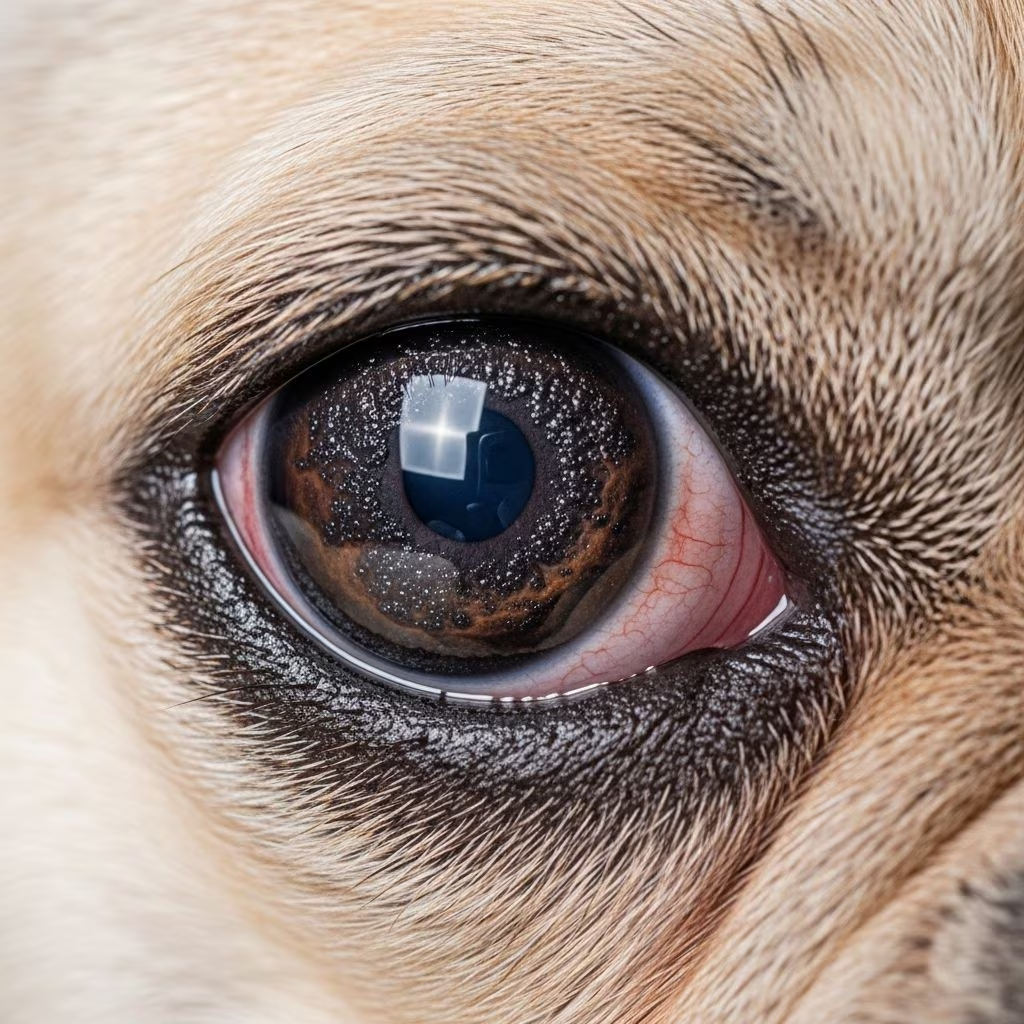
Pigmentary keratitis is a progressive eye disorder in dogs characterized by the accumulation of brown or black pigment on the cornea, the clear outer layer of the eye. This condition often stems from chronic irritation or inflammation, leading to melanin deposits that can impair vision if left unchecked. While the pigment itself is typically permanent, addressing the root causes can prevent further spread and maintain your dog’s ocular comfort.
Recognizing the Signs Early
Early detection is crucial for managing pigmentary keratitis effectively. The hallmark sign is visible pigmentation on the cornea, appearing as dark spots, specks, or a film that starts near the inner corner of the eye and may extend toward the center. In normal lighting, these deposits can range from subtle brown flecks to dense black patches obscuring the pupil.
Accompanying symptoms often indicate underlying irritation:
- Redness in the white part of the eye (conjunctiva)
- Excessive tearing or thick, ropey discharge
- Cloudiness or hazy appearance of the cornea
- Pain, shown by squinting, pawing at the eye, or sensitivity to light
- Enlarged or bulging eyes in severe cases
- Dry, dull corneal surface suggesting tear deficiency
Owners might overlook mild cases until vision loss becomes evident, such as bumping into objects or hesitation in low light. Prompt veterinary examination using tools like fluorescein staining or tear production tests (Schirmer tear test) confirms the diagnosis and identifies contributors like dry eye.
Primary Causes and Risk Factors
Pigmentary keratitis develops as the eye’s response to ongoing damage, where melanocytes (pigment-producing cells) migrate to protect the cornea. Common triggers include:
- Keratoconjunctivitis Sicca (KCS or Dry Eye): Reduced tear production fails to lubricate the eye, causing chronic irritation. This is a leading cause, treatable with tear stimulants.
- Eyelid Abnormalities: Conditions like entropion (inward-rolling lids), ectropion (sagging lids), or abnormal eyelashes (distichiasis) rub against the cornea, promoting inflammation.
- Brachycephalic Anatomy: Flat-faced breeds suffer from exophthalmos (protruding eyes), exposing more cornea to air and friction from nasal folds or loose skin.
- Immune-Mediated Issues: Chronic superficial keratitis (pannus) involves autoimmune attacks on the cornea, worsened by UV exposure at high altitudes.
- Infections or Trauma: Bacterial, fungal, or viral issues, though less common, can initiate pigmentation if unresolved.
Melanin deposition acts as a natural shield but eventually blocks light, risking partial or total blindness.
Breeds Most Susceptible
Certain breeds face higher risks due to genetics and facial structure. Brachycephalic dogs are particularly vulnerable:
| Breed | Key Risk Factors |
|---|---|
| Shih Tzu | Exophthalmos, medial entropion, nasal fold trichiasis |
| Pug | Protruding eyes, eyelid malpositions |
| Pekingese | Shallow orbits, lagophthalmos (incomplete blink) |
| Boston Terrier | Exposed cornea, dry eye predisposition |
| Lhasa Apso | Immune-mediated keratitis, long facial hair irritation |
Other predisposed breeds include German Shepherds (pannus) and those with chronic KCS. Age plays a role, with young dogs often needing surgical corrections and older ones medical management.
Diagnostic Approaches
Veterinarians employ a multi-step process to diagnose and pinpoint causes:
- Visual Inspection: Slit-lamp exam reveals pigment extent and vascularization.
- Tear Film Assessment: Schirmer test measures production; values below 15 mm/min indicate KCS.
- Fluorescein Staining: Detects ulcers or abrasions.
- Tonometry: Checks intraocular pressure to rule out glaucoma.
- Cytology/Culture: Swabs identify infections.
These tests guide targeted therapy, as pigmentary keratitis is secondary rather than primary.
Treatment Strategies: Halting Progression
No cure fully erases established pigment, but interventions address causes, reduce inflammation, and preserve vision. Success hinges on lifelong management.
Medical Management
Topical therapies form the cornerstone:
- Tear Stimulants and Lubricants: Cyclosporine (Optimmune) or tacrolimus ointments boost tear production in KCS cases, applied 1-2 times daily. Artificial tears provide interim relief.
- Anti-Inflammatories: Corticosteroid drops (e.g., prednisolone acetate) curb acute inflammation but require caution to avoid ulcers. Transition to immunosuppressants for maintenance.
- Antibiotics/Antifungals: Voriconazole or topical antibiotics for infections, typically 10-14 days.
Compliance is key; missing doses allows recurrence. Pigment may fade slightly but rarely vanishes completely.
Surgical Interventions
For structural issues:
- Eyelid Corrections: Entropion repair, distichiasis removal, or medial canthoplasty (reducing eye opening) in brachycephalics.
- Cryotherapy: Freezing pigment with dimethylether/isobutene/propane spray removes deposits in refractory cases. A PubMed study of 16 eyes showed clearance in 5-15 days, though repigmentation occurs without etiological control.
Surgery doesn’t target pigment directly but prevents trauma.
Advanced and Supportive Care
For pannus, UV-protective goggles reduce flare-ups, especially at altitude. Subconjunctival steroid injections offer 85% success in autoimmune cases.
Prognosis and Long-Term Outlook
With consistent treatment, most dogs stabilize, avoiding blindness. Untreated cases progress to opaque corneas. Recurrence is common if causes persist, necessitating tapering to minimal effective dosing. Regular vet check-ups (every 3-6 months) monitor progress.
Prevention Tips for At-Risk Dogs
- Maintain hygiene around eyes, trimming facial hair.
- Use prescribed lubricants in dry climates.
- Limit UV exposure with goggles or shade.
- Schedule annual ophthalmic exams for predisposed breeds.
- Watch for early signs post-trauma or infection.
Frequently Asked Questions (FAQs)
Is pigmentary keratitis painful for dogs?
Yes, underlying irritation causes discomfort, but treatment alleviates pain.
Can the pigment be removed completely?
Rarely; it lightens at best. Focus is on stopping spread.
How often should medications be applied?
Typically 2-4 times daily initially, then reduced. Follow vet instructions.
Does breed matter for treatment success?
Brachycephalics may need surgery alongside meds for best results.
What if my dog refuses eye drops?
Ointments or treat-based administration helps; consult your vet for alternatives.
References
- Pigmentary keratitis in dogs: Causes, symptoms and treatment — All About Vision. Accessed 2026. https://www.allaboutvision.com/eye-care/pets-animals/pigmentary-keratitis-in-dogs/
- Adjunctive cryotherapy for pigmentary keratitis in dogs: a study of 16 cases — PubMed (Veterinary Ophthalmology). 2013-09. https://pubmed.ncbi.nlm.nih.gov/23953431/
- Pigmentary Keratitis in Dogs — Whole Dog Journal. Accessed 2026. https://www.whole-dog-journal.com/health/pigmentary-keratitis-in-dogs/
- Pigmentary Keratitis in Dogs — WagWalking. Accessed 2026. https://wagwalking.com/condition/pigmentary-keratitis
- Pigmentary Keratopathy In Dogs — Ophthalmology For Animals. Accessed 2026. https://www.ofora.com/pigmentary-keratitis/
- Nonulcerative Keratitis in Veterinary Medicine — Today’s Veterinary Nurse. Accessed 2026. https://todaysveterinarynurse.com/ophthalmology/nonulcerative-keratitis-in-veterinary-medicine/
- Chronic Superficial Keratitis (CSK) – Canine — Indy Animal Eye Clinic. Accessed 2026. https://indyanimaleyeclinic.com/veterinary-ophthalmology-publications/chronic-superficial-keratitis-canine/
- Pigmentary Keratitis — VCA Animal Hospitals. Accessed 2026. https://vcahospitals.com/know-your-pet/pigmentary-keratitis



