

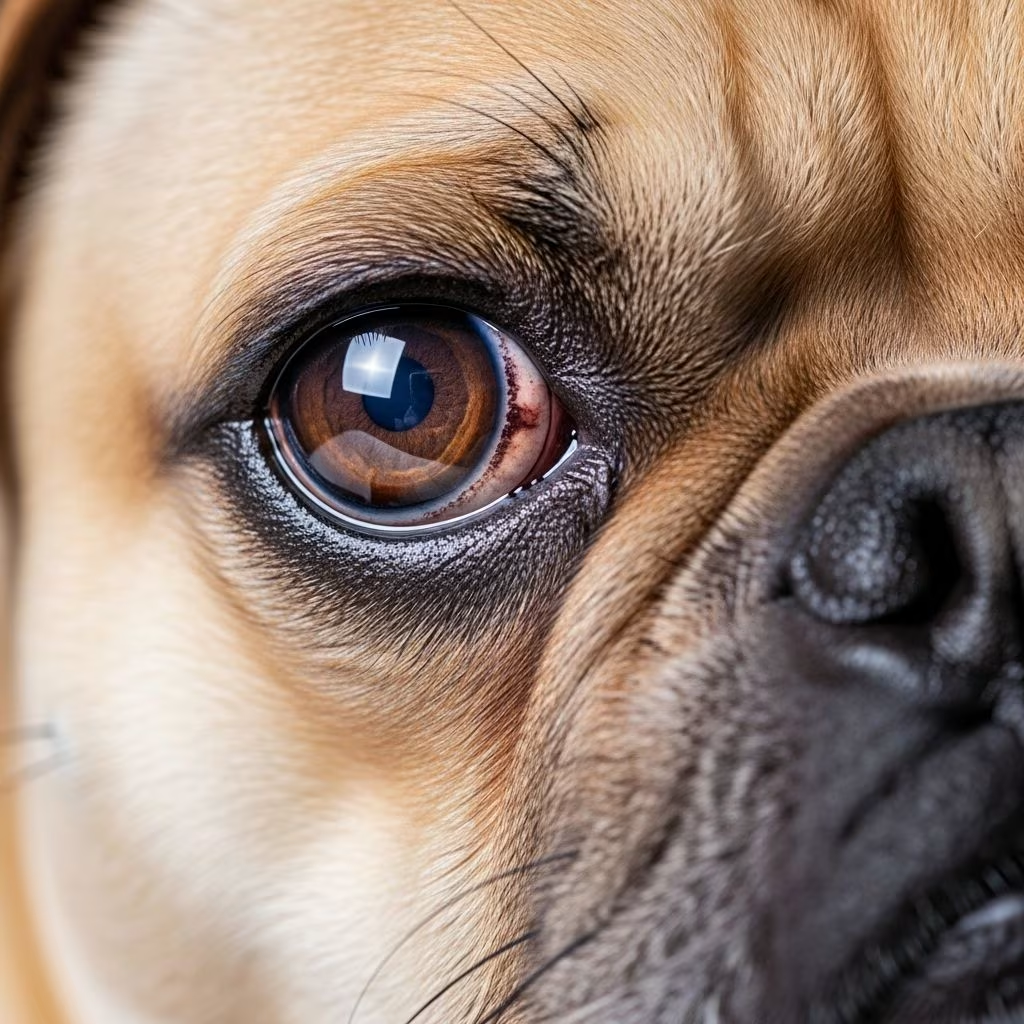
Understanding Pigmentary Keratitis in Dogs
Pigmentary keratitis is a progressive eye condition that affects dogs of all breeds but is particularly common in certain groups. This condition involves the accumulation of dark pigment on the cornea, the clear front part of the eye. Over time, this pigmentation can potentially obscure vision and lead to serious complications if left untreated. Understanding this condition is essential for dog owners who want to maintain their pet’s ocular health and quality of life.
The condition is also known as corneal melanosis and represents a significant challenge in veterinary ophthalmology. While some dogs may experience mild symptoms, others can develop severe vision impairment. Early recognition and intervention are crucial for managing this progressive disease effectively.
What is Pigmentary Keratitis?
Pigmentary keratitis is characterized by the deposition of melanin or brown and black pigment on the surface of the dog’s cornea. This pigmentation typically begins as light speckles or faint markings and can gradually expand to cover larger areas of the corneal surface. In some cases, the pigmentation becomes dense enough to significantly impair light penetration into the eye, potentially leading to functional blindness.
The condition develops as a response to chronic inflammation or irritation of the eye. When the cornea experiences prolonged irritation, it responds by depositing protective pigmentation on its surface. While this is a natural protective mechanism, excessive pigmentation can paradoxically interfere with vision by blocking light from entering the eye properly.
Unlike ulcerative keratitis, pigmentary keratitis does not involve a break or disruption in the corneal surface. Instead, it represents a color change within the corneal tissue itself, making it a non-ulcerative form of keratitis.
Causes of Pigmentary Keratitis in Dogs
Pigmentary keratitis develops as a consequence of chronic eye irritation and inflammation. Multiple underlying conditions can trigger this response, and understanding these causes is essential for proper treatment and management.
Eyelid Problems
Several eyelid abnormalities can contribute to pigmentary keratitis development:
Entropion: This condition occurs when the eyelid rolls inward, causing the eyelashes and eyelid hair to rub directly against the corneal surface. This constant irritation can lead to pigment deposition over time.
Ectropion: The opposite of entropion, ectropion involves the outward rolling of the lower eyelid, leaving the cornea exposed and vulnerable to irritation, dryness, and inflammation.
Trichiasis and Distichiasis: These conditions involve abnormal eyelash growth, where extra eyelashes or misdirected lashes grow inward and scratch the corneal surface, causing chronic irritation.
Lagophthalmos: This condition involves incomplete eyelid closure, preventing proper lubrication and protection of the corneal surface.
Tear Production Issues
Keratoconjunctivitis sicca (KCS), commonly known as dry eye, represents one of the most significant causes of pigmentary keratitis. When dogs don’t produce sufficient tears, the cornea becomes dry and irritated. Tears serve multiple functions beyond lubrication, including antimicrobial properties and corneal nourishment. Inadequate tear production disrupts these functions and leads to chronic inflammation.
Tear evaporation can also contribute to this condition. In some dogs, particularly those with facial conformation issues, tears don’t remain on the eye surface long enough to provide adequate protection.
Ocular Surface Conditions
Eyelid tumors, both benign and malignant, can cause chronic irritation and inflammation leading to pigment deposition. Additionally, facial nerve paralysis can impair normal blinking, reducing corneal protection.
Pannus, also known as chronic superficial keratitis, can accompany pigmentary changes. This condition involves progressive vascularization (blood vessel growth) and pigmentation of the cornea.
Breed Predisposition
Brachycephalic breeds—dogs with shortened muzzles and flat faces—show the highest incidence of pigmentary keratitis. Breeds such as Pugs, Shih Tzus, Pekingese, and Bulldogs are particularly prone to this condition. Their facial conformation predisposes them to multiple ocular challenges, including shallow eye sockets, incomplete eyelid closure, and tear film abnormalities.
In fawn-colored Pugs, the pigmentation is often more visible due to the contrast with their light-colored corneas. Genetic factors also play a role in the development of this condition in predisposed breeds.
Hereditary Factors
In some cases, pigmentary keratitis may be inherited, particularly in certain breeds. The genetic predisposition interacts with environmental and physiological factors to trigger the condition’s development. Some dogs may have an inherited tendency toward corneal pigmentation without an obvious underlying cause.
Symptoms and Clinical Signs
Recognizing the symptoms of pigmentary keratitis is crucial for early intervention. The presentation of this condition can vary significantly among individual dogs.
Visible Ocular Changes
Corneal Pigmentation: The most obvious sign is the appearance of brown or black pigment on the cornea. This typically begins at the inner corner of the eye (medial canthus) and gradually expands toward the center. Initially, the pigmentation may appear as light speckles or faint swirls, but in severe cases, it becomes dense enough to obscure the pupil completely.
Corneal Cloudiness: The affected cornea may develop a hazy or cloudy appearance, particularly in early stages of the condition.
Vascularization: Blood vessels may become visible on the corneal surface, appearing as fine red lines or more prominent vessels depending on severity.
Discharge: Dogs with pigmentary keratitis often have increased eye discharge, which may be clear, white, yellow, or green in color. This discharge is often thick and ropey in consistency.
Redness and Swelling: The conjunctiva (the white part of the eye) typically appears red and inflamed. The conjunctival blood vessels may become enlarged and swollen.
Eye Enlargement: In some cases, the affected eye may appear enlarged or bulging, a condition known as buphthalmos.
Behavioral Signs
Pain and Discomfort: While pigmentation itself is not painful, the underlying inflammation causing it often produces significant discomfort. Dogs may squint, blink excessively (blepharospasm), or keep the affected eye partially closed.
Excessive Tearing: Increased tear production is a natural response to corneal irritation and pain.
Vision Changes: As pigmentation progresses and covers more of the cornea, dogs may experience impaired vision. They may navigate hesitantly, bump into objects, or show reluctance to move in low-light conditions.
Systemic Signs: In some cases, dogs may show lethargy and decreased appetite as a result of ocular pain and discomfort.
Diagnosis of Pigmentary Keratitis
Diagnosing pigmentary keratitis typically begins with a comprehensive ophthalmologic examination. Veterinarians look for characteristic pigmentation patterns, vascularization, and evidence of underlying causes.
Clinical Examination
A thorough eye examination reveals the extent of corneal pigmentation. Veterinarians assess whether the pigmentation is localized or spread across the corneal surface. They also evaluate the underlying eye health and look for signs of inflammation, discharge, and eyelid abnormalities.
Specialized Tests
Schirmer Tear Test (STT): This test measures tear production and helps identify keratoconjunctivitis sicca as an underlying cause. A special strip is placed in the eye for one minute to measure how much the strip becomes wet.
Fluorescein Stain: Although pigmentary keratitis doesn’t involve ulceration (unlike ulcerative keratitis), fluorescein staining may still be performed to rule out concurrent ulcerative disease or other corneal problems.
Tonometry: This test measures intraocular pressure to rule out glaucoma, which can sometimes accompany eye inflammation.
Identifying Underlying Causes
Diagnosis includes identifying and documenting any underlying conditions contributing to the pigmentation. This might involve assessing eyelid position, evaluating tear film quality, and examining for eyelash abnormalities or tumors.
Treatment Options for Pigmentary Keratitis
Treatment of pigmentary keratitis focuses on addressing the underlying cause of chronic irritation while slowing or halting pigment progression. The specific treatment plan varies based on the underlying condition and disease severity.
Medical Management
Topical Medications: Prescription eye drops are frequently used to manage inflammation and discomfort. Anti-inflammatory medications such as topical corticosteroids help reduce corneal inflammation and may slow pigment progression. Immunosuppressive medications like cyclosporine can be particularly beneficial for dogs with keratoconjunctivitis sicca.
Artificial Tears: Regular use of artificial tear solutions helps lubricate the cornea and reduces irritation, particularly important for dogs with dry eye.
Systemic Medications: Depending on the underlying cause, systemic medications may be recommended to address chronic inflammation or other contributing conditions.
Surgical Interventions
Medial Canthoplasty: This surgical procedure modifies the eyelid position to improve corneal coverage and reduce irritation. It is particularly effective in young dogs with severe disease, though it often slows rather than completely halts pigment progression.
Eyelid Surgery: Surgical correction of entropion, ectropion, or other eyelid abnormalities can significantly reduce corneal irritation and slow pigment deposition.
Eyelash Removal: Removal or ablation of abnormally positioned eyelashes (trichiasis or distichiasis) eliminates a major source of corneal irritation.
Tumor Removal: Benign or malignant eyelid tumors causing chronic irritation may require surgical removal.
Management of Underlying Conditions
Treating dry eye (KCS) is crucial when this condition contributes to pigmentary keratitis. This may involve:- Topical cyclosporine or tacrolimus to stimulate tear production- Punctal plugs to reduce tear drainage- Systemic medications to improve tear production- Environmental modifications to reduce tear evaporation
Prognosis and Long-term Management
The prognosis for pigmentary keratitis depends on the underlying cause, the dog’s age, breed, and the stage at which treatment is initiated. Early intervention, particularly when addressing underlying conditions, generally provides the best outcomes.
While the pigmentation itself may not be completely reversible, appropriate treatment can slow or halt its progression and prevent vision loss. Some dogs require ongoing medical management throughout their lives, while others may achieve stable disease with surgical correction of the underlying cause.
Regular veterinary follow-up examinations are essential to monitor disease progression and adjust treatment as needed. Dogs with this condition should have periodic eye examinations to assess corneal changes and ensure treatment effectiveness.
Frequently Asked Questions About Pigmentary Keratitis
Q: Can pigmentary keratitis cause blindness?
A: Yes, if left untreated or if the pigmentation spreads extensively across the cornea, it can lead to functional blindness. When the pigmentation covers most of the corneal surface, insufficient light reaches the retina, severely impairing vision.
Q: Is pigmentary keratitis painful?
A: The pigmentation itself is not painful, but the underlying inflammation causing it often produces significant discomfort. Dogs may show signs of pain through squinting, excessive blinking, or keeping the affected eye closed.
Q: Which dog breeds are most susceptible?
A: Brachycephalic breeds with shortened muzzles are most commonly affected, including Pugs, Shih Tzus, Pekingese, Bulldogs, and Boston Terriers. However, any breed can develop this condition.
Q: Can pigmentary keratitis be prevented?
A: While some cases are genetically predisposed, prevention focuses on addressing underlying conditions early. Regular eye care, managing dry eye, and prompt treatment of eyelid problems can help prevent or slow pigmentation development.
Q: How often should affected dogs be examined?
A: Dogs with pigmentary keratitis should have regular veterinary eye examinations, typically every 3 to 6 months initially, and then as recommended by your veterinarian based on disease progression.
Q: Is there a cure for pigmentary keratitis?
A: There is no complete cure, but appropriate treatment can halt or significantly slow progression. Addressing underlying causes through medical and surgical intervention is the most effective approach to managing this condition.
Prevention and Owner Considerations
While not all cases of pigmentary keratitis can be prevented, dog owners can take steps to minimize risk and promote ocular health. Regular grooming and facial care in brachycephalic breeds help reduce eye irritation. Keeping the eye area clean and dry reduces the risk of secondary infections.
If your dog has a family history of eye problems or belongs to a predisposed breed, preventive veterinary ophthalmologic examinations are particularly valuable. Early detection of underlying conditions like dry eye or eyelid abnormalities allows for prompt intervention before pigmentation develops.
Providing a clean, well-ventilated environment and protecting your dog’s eyes from irritants and trauma also contributes to maintaining eye health. Any signs of eye discomfort or discharge warrant prompt veterinary evaluation.
References
- Pigmentary Keratitis in Dogs — All About Vision. 2024. https://www.allaboutvision.com/eye-care/pets-animals/pigmentary-keratitis-in-dogs/
- Nonulcerative Keratitis in Veterinary Medicine — Today’s Veterinary Nurse. 2024. https://todaysveterinarynurse.com/ophthalmology/nonulcerative-keratitis-in-veterinary-medicine/
- Pigmentary Keratitis in Dogs — Whole Dog Journal. 2024. https://www.whole-dog-journal.com/health/pigmentary-keratitis-in-dogs/
- Non-Ulcerative Keratitis (Corneal Inflammation) in Dogs — PetMD. 2024. https://www.petmd.com/dog/conditions/eyes/non-ulcerative-keratitis-corneal-inflammation-dogs
- Pigmentary Keratopathy In Dogs — Ophthalmology For Animals. 2024. https://www.ofora.com/pigmentary-keratitis/



