

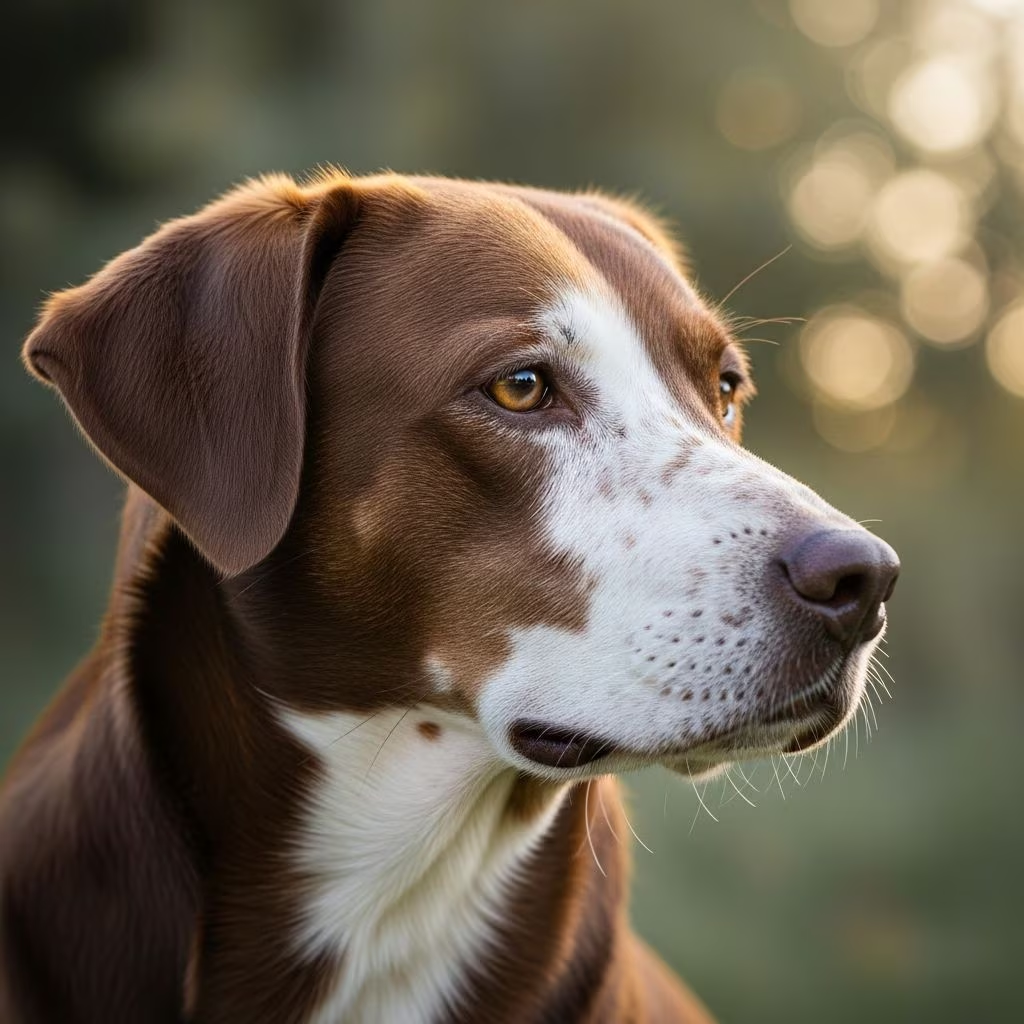
Skin pigmentation plays a crucial role in animal health, providing protection against UV radiation and contributing to camouflage. Disruptions in melanin production lead to pigment disorders, manifesting as lighter or darker areas on the skin, hair, or mucous membranes. These conditions can be congenital, inherited, or acquired due to environmental factors, infections, or diseases. Understanding these abnormalities helps veterinarians diagnose underlying issues and improve animal welfare.
Fundamentals of Animal Skin Pigmentation
Melanocytes, specialized cells in the epidermis, produce melanin, the pigment responsible for skin and hair color. Melanin exists in two forms: eumelanin (black-brown) and pheomelanin (red-yellow). The distribution and amount of these pigments determine an animal’s coloration. Factors like genetics, hormones, inflammation, and UV exposure regulate melanocyte activity. Abnormalities arise when melanocytes malfunction, leading to hypo- (reduced) or hyperpigmentation (increased).
In dogs, common sites include the nose, ears, eyelids, and groin. Cats often show changes around the mouth and eyes, while horses and cattle exhibit them on the face and legs. Early detection is vital, as pigmentation shifts may signal serious health problems.
Types of Hypopigmentation in Animals
Hypopigmentation, or loss of pigment, appears as white or pink patches on otherwise colored skin or fur. It can affect hair (leucotrichia), skin (leucoderma), or both.
- Leucotrichia: White hair growth due to absent melanin in follicles, seen in breeds like Dalmatians or Siamese cats.
- Leucoderma: Pale skin patches, often symmetrical and progressive.
Congenital Hypopigmentation Disorders
Some animals are born with pigment deficiencies. In Arabian horses, Arabian fading syndrome causes symmetrical depigmentation around the eyes, muzzle, and genitals, starting at 2-6 years old. This familial trait links to immune-mediated destruction of melanocytes. Similarly, Holstein-Friesian cattle show inherited leucoderma, while Siamese cats exhibit temperature-sensitive albinism, where cooler body areas remain pale.
Dogs like Belgian Tervurens and Rottweilers may develop familial vitiligo, with pink noses and white patches progressing over time. These genetic forms are not painful but can increase sunburn risk.
Acquired Hypopigmentation Causes
Non-genetic hypopigmentation stems from trauma, infections, or autoimmunity. Vitiligo, potentially immune-mediated, destroys melanocytes, creating snow-white patches. Uveodermatologic syndrome in dogs mimics Vogt-Koyanagi-Harada disease in humans, affecting eyes and skin with depigmentation and inflammation. Zinc-responsive dermatosis in Siberian Huskies and Alaskan Malamutes leads to crusty, pale skin around the mouth and eyes due to mineral deficiency.
| Trigger | Affected Species | Symptoms |
|---|---|---|
| Trauma/Burns | Dogs, Cats | Focal white scars |
| Infections (e.g., Leishmaniosis) | Dogs | Mucocutaneous depigmentation |
| Autoimmune (Vitiligo) | Horses, Dogs | Symmetrical patches |
| Zinc Deficiency | Dogs (Nordic breeds) | Perioral pallor |
Hyperpigmentation: Darkening of Skin and Coat
Hyperpigmentation involves excess melanin, resulting in black, gray, or brown patches. It often accompanies thickening (lichenification) and is secondary to chronic irritation.
- Melanoderma: Darkened skin.
- Melanotrichia: Blackened hair.
Genetic Forms of Hyperpigmentation
Breed-specific traits include lentigo in cats and dogs, presenting as benign black freckles on gums or lips. Yorkshire Terriers suffer melanoderma with alopecia, where skin darkens and hair thins due to follicular dystrophy. Acanthosis nigricans in Dachshunds causes velvety black plaques on armpits and groin from the start.
In Miniature Schnauzers, acquired aurotrichia leads to golden hair shafts amid normal fur, linked to cyclic hematopoiesis in related breeds like Gray Collies.
Secondary Hyperpigmentation Mechanisms
Most cases are reactive. Post-inflammatory changes follow allergies, infections, or parasites. Chronic licking or rubbing stimulates melanocytes as a protective response. Common culprits include:
- Allergies and atopic dermatitis in breeds like Labrador Retrievers and French Bulldogs.
- Yeast overgrowth (Malassezia) causing greasy, dark skin.
- Demodicosis from mites, prevalent in young Shar-Peis.
- Endocrine disorders: Hypothyroidism darkens axillary and inguinal skin; Cushing’s syndrome affects the abdomen.
- Autoimmune diseases like lupus erythematosus.
Breed predispositions heighten risks: German Shepherds for infections, Pugs for obesity-related issues.
Diagnosis of Pigmentary Abnormalities
Veterinarians start with history and physical exams, noting pattern, progression, and concurrent signs like itching or hair loss. Cytology smears detect infections; skin biopsies confirm genetics or neoplasia. Blood tests screen for hormones (TSH for hypothyroidism) or deficiencies (zinc levels). UV lamps aid in fungal checks, while food trials isolate allergies.
For hypopigmentation, rule out uveitis via ophthalmology. Hyperpigmentation demands excluding primaries by treating secondaries first—if pigment fades, it’s reactive.
Treatment and Management Approaches
Therapy targets root causes. For genetic lentigo or fading syndrome, no treatment is needed beyond sun protection (zinc creams, shade). Acquired cases improve with underlying fixes:
- Infections/Parasites: Antiparasitics (ivermectin for demodex), antifungals (ketoconazole for Malassezia).
- Allergies: Antihistamines, steroids, hypoallergenic diets.
- Endocrine: Thyroid supplements, trilostane for Cushing’s.
- Deficiencies: Zinc supplementation resolves dermatosis.
- Autoimmune: Immunosuppressants like cyclosporine.
Topicals like steroid ointments lighten mild hyperpigmentation; laser therapy shows promise for vitiligo repigmentation. Prognosis excels for secondaries but varies for genetics.
Breed-Specific Vulnerabilities
Certain breeds face higher risks:
| Breed | Disorder | Key Features |
|---|---|---|
| Arabian Horses | Fading Syndrome | Periorificial depigmentation |
| Yorkshire Terriers | Melanoderma | Alopecia with black skin |
| German Shepherds | Hyperpigmentation | Post-infection darkening |
| Siamese Cats | Albinism | Cool-area hypopigmentation |
| Siberian Huskies | Zinc Dermatosis | Crusty pale muzzle |
Prevention Strategies for Pet Owners
Minimize risks with balanced diets rich in minerals, flea control, and allergy management. Regular grooming spots early changes; sun avoidance prevents actinic damage in light-skinned animals. Annual vet checks catch endocrine shifts promptly.
FAQs on Animal Pigment Disorders
Is hyperpigmentation dangerous in dogs?
Usually not—it’s a sign of irritation. Treat the cause to reverse it.
Can vitiligo in horses be cured?
No, but sun protection manages it effectively.
Why do some dogs get black skin in armpits?
Often from allergies or hypothyroidism; biopsy confirms.
Does diet affect skin pigmentation?
Yes, zinc/vitamin deficiencies trigger hypopigmentation.
Is lentigo cancerous?
No, it’s benign; monitor for changes.
References
- Skin: pigmentary disorders in Dogs (Canis) — Vetlexicon. 2023. https://www.vetlexicon.com/canis/dermatology/articles/skin-pigmentary-disorders/
- Pigmentary Abnormalities in Animals — Merck Veterinary Manual. 2023. https://www.merckvetmanual.com/integumentary-system/congenital-and-inherited-anomalies-of-the-integumentary-system/pigmentary-abnormalities-in-animals
- Hyperpigmentation in Dogs — PetMD. 2024. https://www.petmd.com/dog/conditions/skin/hyperpigmentation-dogs
- Pigmentary Abnormalities — Veterian Key. 2022. https://veteriankey.com/pigmentary-abnormalities-2/
- Canine skin autoimmune diseases — Cornell University College of Veterinary Medicine. 2024. https://www.vet.cornell.edu/departments-centers-and-institutes/riney-canine-health-center/canine-health-information/canine-skin-autoimmune-diseases



