Pigeon Photos: The Charming ‘Ladies’ Man’ Bird
Meet an unforgettable rescued laboratory pigeon with charm and personality.
From Laboratory to Sanctuary: A Pigeon’s Second Chance
Pigeons have long been subjects of scientific research, laboratory work, and experimental studies across the globe. For decades, countless pigeons have lived confined lives within laboratory settings, their days measured in controlled environments and structured routines far removed from the natural behaviors these intelligent birds are meant to exhibit. However, the story of one remarkable pigeon demonstrates that life after the laboratory can be filled with unexpected joy, connection, and the kind of personality that touches everyone who encounters him.
This particular pigeon, rescued from laboratory conditions, has become a beacon of hope at Best Friends Animal Sanctuary. His journey from confinement to freedom represents not only his individual transformation but also highlights the broader mission of animal rescue organizations dedicated to giving second chances to animals used in research and experimentation.
Understanding Laboratory Pigeons and Their Plight
Laboratory pigeons serve various roles in scientific research, from behavioral studies to vision research and cognitive experiments. While this research contributes to scientific advancement, the pigeons themselves often experience limited social interaction, restricted movement, and environments designed for function rather than comfort. These intelligent creatures, capable of recognizing complex patterns and forming deep bonds, find themselves isolated from their natural social structures and innate behaviors.
The rescue of laboratory pigeons represents an important shift in how society views research animals. Organizations like Best Friends Animal Sanctuary have recognized that these birds deserve more than their service to science; they deserve the opportunity to live full, enriched lives surrounded by companionship and proper care.
Introducing the ‘Ladies’ Man’ Bird
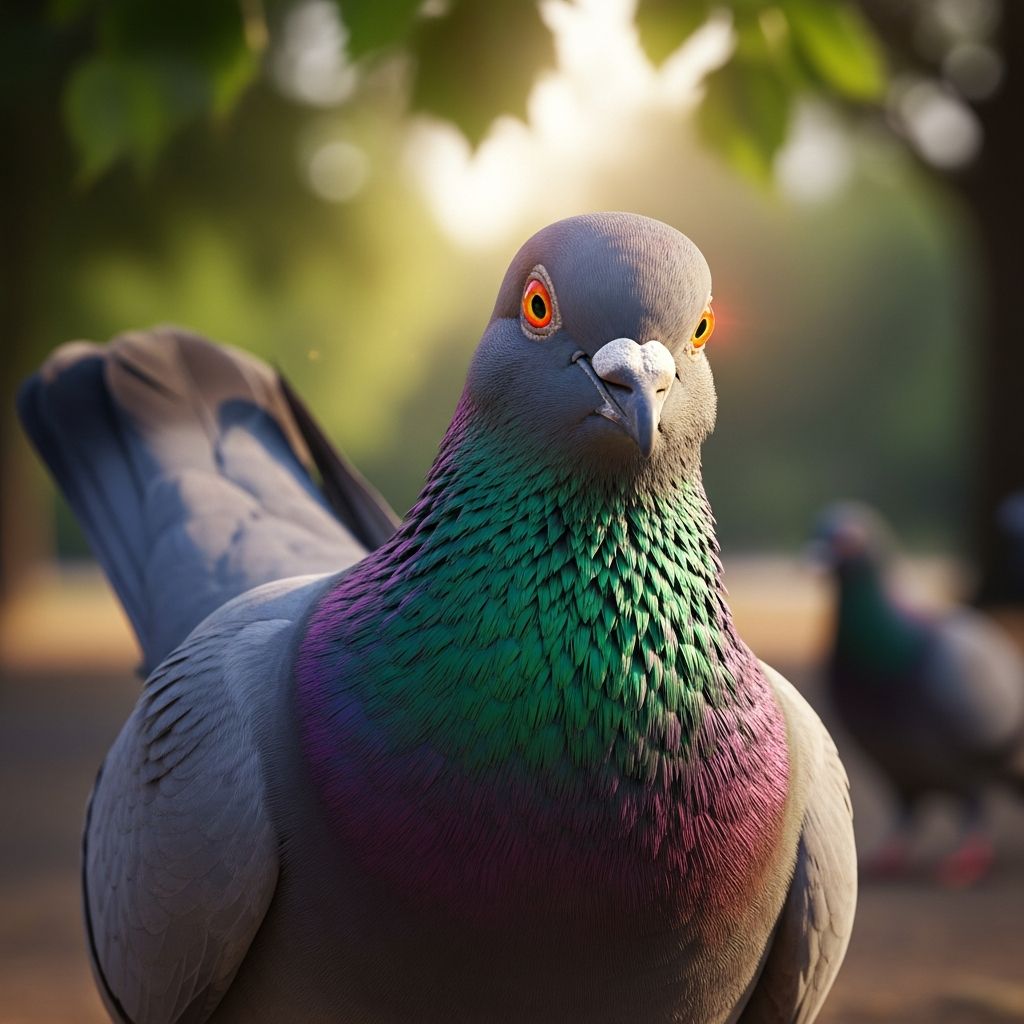
Upon arrival at Best Friends Animal Sanctuary, this former laboratory pigeon quickly demonstrated what many who work with pigeons already know: these birds possess remarkable individual personalities. Unlike the stereotype of pigeons as mere urban nuisances, this particular bird exhibits charm, charisma, and an undeniable appeal that has made him something of a character within the sanctuary community.
His nickname as the “ladies’ man” bird speaks to his sociable nature and his ability to attract attention and affection from both staff members and the female pigeons in his aviary. Rather than requiring an extended adjustment period, he took to sanctuary life with enthusiasm, quickly forming connections and demonstrating the kind of personality that had likely been suppressed during his years in the laboratory.
The Transformation: From Confined to Free
The transition from laboratory life to sanctuary living represents a dramatic change for any research animal. For pigeons specifically, this transformation involves exposure to natural sunlight, fresh air, spacious aviaries, and most importantly, the opportunity for natural social behaviors. This particular pigeon’s adjustment has been remarkable to witness.
Staff members at the sanctuary have observed his gradual opening up to his surroundings and his enthusiastic engagement with other pigeons. His charming demeanor suggests that despite years of laboratory confinement, his fundamental personality remained intact, waiting for the right environment to flourish. His interactions with other birds demonstrate the social skills and emotional capacity that pigeons possess when given the opportunity to express them.
Pigeon Intelligence and Personality
Research has consistently demonstrated that pigeons are far more intelligent and emotionally complex than popular culture suggests. They can recognize individual faces, both of humans and other pigeons. They exhibit problem-solving abilities, form strong pair bonds, and demonstrate what researchers describe as sophisticated social hierarchies within their flocks.
This rescued pigeon exemplifies these traits. His charm isn’t random or superficial; it reflects genuine cognitive and emotional capabilities. His ability to navigate social situations within the sanctuary aviary, to seek out companionship, and to respond positively to human interaction all showcase the intelligence that made him valuable in laboratory settings but that also makes him valuable simply as an individual being deserving of respect and proper care.
Life at Best Friends Animal Sanctuary
Best Friends Animal Sanctuary has created an environment where this pigeon and others like him can thrive. The sanctuary’s Wild Friends program specifically cares for approximately 100 adoptable pigeons living in separate aviaries designed to accommodate pigeons with varying needs and personalities. Some aviaries house pigeons with special needs, while others provide spacious environments for healthy, social birds.
For this charming “ladies’ man,” the sanctuary provides spacious aviaries with opportunities for flight, natural perching, access to sunlight, and most importantly, consistent human care and attention. The staff understands that pigeons are deeply social creatures that benefit from regular interaction with both humans and other birds. His time at the sanctuary allows him to engage in natural behaviors—preening, nesting, socializing, and simply existing without the constraints of laboratory protocols.
The Role of Photography in Animal Advocacy
Photography plays a crucial role in animal advocacy and rescue efforts. Images of animals in sanctuary settings help potential adopters and supporters see these creatures as individuals worthy of care and attention. Photos of this pigeon capture not just his physical appearance but hint at his personality and character. Through visual documentation, the sanctuary can share his story with a broader audience, helping people understand that pigeons rescued from laboratory settings or other difficult circumstances can live fulfilling lives.
These photographs serve multiple purposes: they help document each bird’s unique identity, aid staff in observing behavioral changes and health improvements, and provide powerful tools for education and outreach. When people see images of a charismatic, healthy pigeon thriving in sanctuary care, it challenges their preconceived notions about pigeons and encourages them to consider these birds as worthy companions and rescue candidates.
Adoption and Forever Homes
While some pigeons at the sanctuary remain permanently, many are available for adoption to qualified homes. This particular pigeon’s charming personality and unique history make him an excellent candidate for adoption. Potential adopters interested in pigeons from sanctuary settings often find that rescued birds, once acclimated to their new environments, form extraordinarily strong bonds with their human families.
Adopting a pigeon from a sanctuary like Best Friends comes with comprehensive support. Staff members provide guidance on proper housing, diet, healthcare, and socialization. They work to match pigeons with compatible homes, considering both the bird’s personality and the adopter’s lifestyle and commitment level. Pigeons mate for life and form deep attachments, so the sanctuary takes great care to ensure successful placements.
Health and Wellness in Sanctuary Care
Laboratory pigeons often arrive at sanctuaries with various health challenges stemming from their confined existence. Some have physical issues from inadequate space, while others struggle with behavioral or nutritional problems. This particular bird’s journey has included recovery and adjustment as sanctuary staff worked to optimize his health and well-being.
The sanctuary provides comprehensive veterinary care, nutritious diets, and individualized attention to each bird’s specific needs. As this pigeon has settled into his new life, improvements in his health and vitality have become apparent. His engaging personality has blossomed as his physical condition improved, demonstrating the interconnection between proper care and emotional well-being.
The Broader Impact of Rescue and Rehabilitation
Individual stories like this pigeon’s contribute to a larger cultural shift regarding how society treats animals used in research and experimentation. Each successful rescue and rehabilitation demonstrates the possibility of redemption and recovery. When laboratory animals arrive at sanctuaries and thrive, it raises important questions about the necessity and ethics of certain research practices.
Organizations like Best Friends Animal Sanctuary serve as models for how rescued research animals can be integrated into care programs that respect their intelligence, acknowledge their individual personalities, and provide genuine quality of life improvements. This pigeon’s success story encourages support for similar rescue efforts and highlights the importance of finding alternatives to animal research whenever possible.
Frequently Asked Questions About Rescued Pigeons
Q: Can laboratory pigeons adjust to sanctuary life?
A: Yes, laboratory pigeons can and do adjust remarkably well to sanctuary environments. While they may require an adjustment period, most birds quickly adapt to larger aviaries, natural light, and social opportunities, often displaying engaging personalities once they feel safe and secure.
Q: How long do rescued pigeons typically live?
A: Pigeons in proper sanctuary or home settings typically live 15 to 20 years or more when healthy and well cared for. Proper nutrition, veterinary care, and enriched environments contribute significantly to their longevity.
Q: What is special about this particular pigeon?
A: This pigeon has earned the affectionate nickname “ladies’ man” due to his charming personality, sociable nature, and ability to attract positive attention from both sanctuary staff and other pigeons. His engaging character demonstrates the individual personalities that pigeons possess.
Q: Can rescued laboratory pigeons be adopted?
A: Yes, many rescued laboratory pigeons available through sanctuaries are adoptable. The sanctuary carefully matches birds with suitable homes and provides ongoing support to ensure successful placements and lasting bonds.
Q: How does sanctuary photography help animals?
A: Photography documenting animals in sanctuary settings serves as powerful advocacy tool, helping potential adopters and supporters see rescued animals as individuals deserving care and attention. These images challenge stereotypes and encourage support for rescue missions.
Q: What care do pigeons require?
A: Rescued pigeons require spacious, safe housing, nutritious diet (seeds and pellets), regular veterinary care, social interaction, and environmental enrichment. They are social creatures that thrive with both human and avian companionship.
Supporting Pigeon Rescue and Sanctuary Work
For those moved by stories like this pigeon’s remarkable transformation, several ways exist to support rescue and sanctuary efforts. Donations directly fund care for rescued birds, adoption programs, and expanded facilities. Volunteering provides hands-on assistance with daily care, socialization, and enrichment activities. Adopting a pigeon from a sanctuary gives a direct home to a bird in need while making space for others requiring rescue.
Education and awareness also matter tremendously. Sharing stories and images of successful rescues helps shift public perception about pigeons and research animals generally. As more people understand the intelligence and personality of these birds, support for both rescue efforts and alternatives to animal research naturally increases.
Conclusion: A Character Worth Knowing
The story of this charming “ladies’ man” pigeon represents something far larger than one bird’s journey. It embodies the possibility of redemption, recovery, and new beginnings. It demonstrates that animals used in laboratory research possess individual personalities, emotional complexity, and capacity for joy. Through photography, documentation, and storytelling, sanctuaries like Best Friends ensure that individual animals aren’t forgotten or reduced to mere statistics.
This particular pigeon, with his engaging charm and unique character, serves as an ambassador for his species and for all research animals seeking second chances. His presence at the sanctuary, his successful adjustment to freedom, and his ongoing thriving in an enriched environment all offer hope and inspiration. Every photograph capturing his personality contributes to a growing recognition that pigeons and other animals deserve our respect, care, and commitment to their well-being. His story invites everyone to reconsider their relationship with animals and to support efforts that give creatures like him the lives they truly deserve.
References
- Two Outcast Pigeons Become Friends — Best Friends Animal Society. Accessed November 2025. https://bestfriends.org/stories/features/two-outcast-pigeons-become-friends
- Pigeon Pair Land a Pair of Pigeon People — Best Friends Animal Society. Accessed November 2025. https://bestfriends.org/stories/features/pigeon-pair-land-pair-pigeon-people
- A Love Story: Former Racing Pigeons Cross Finish Line to Retirement — Best Friends Animal Society. Accessed November 2025. https://bestfriends.org/stories/features/love-story-former-racing-pigeons-cross-finish-line-retirement
- Pigeons: Birds of Brilliance — How to Befriend Humanity’s Original Best Friend — Elmhurst Leader. March 2025. https://elmhurstleader.com/stories/2025/03/pigeons-birds-of-brilliance-how-to-befriend-humanitys-original-best-friend/
- Adopt Pigwidgeon 208 — Best Friends Animal Society. Accessed November 2025. https://bestfriends.org/sanctuary/adopt/41460143/pigwidgeon-208
Similar Articles



Read full bio of medha deb