
Complete Pigeon Diet Guide: Nutrition for Healthy Birds
Learn what pigeons eat: balanced nutrition, pellets, grains, vegetables, and supplements.
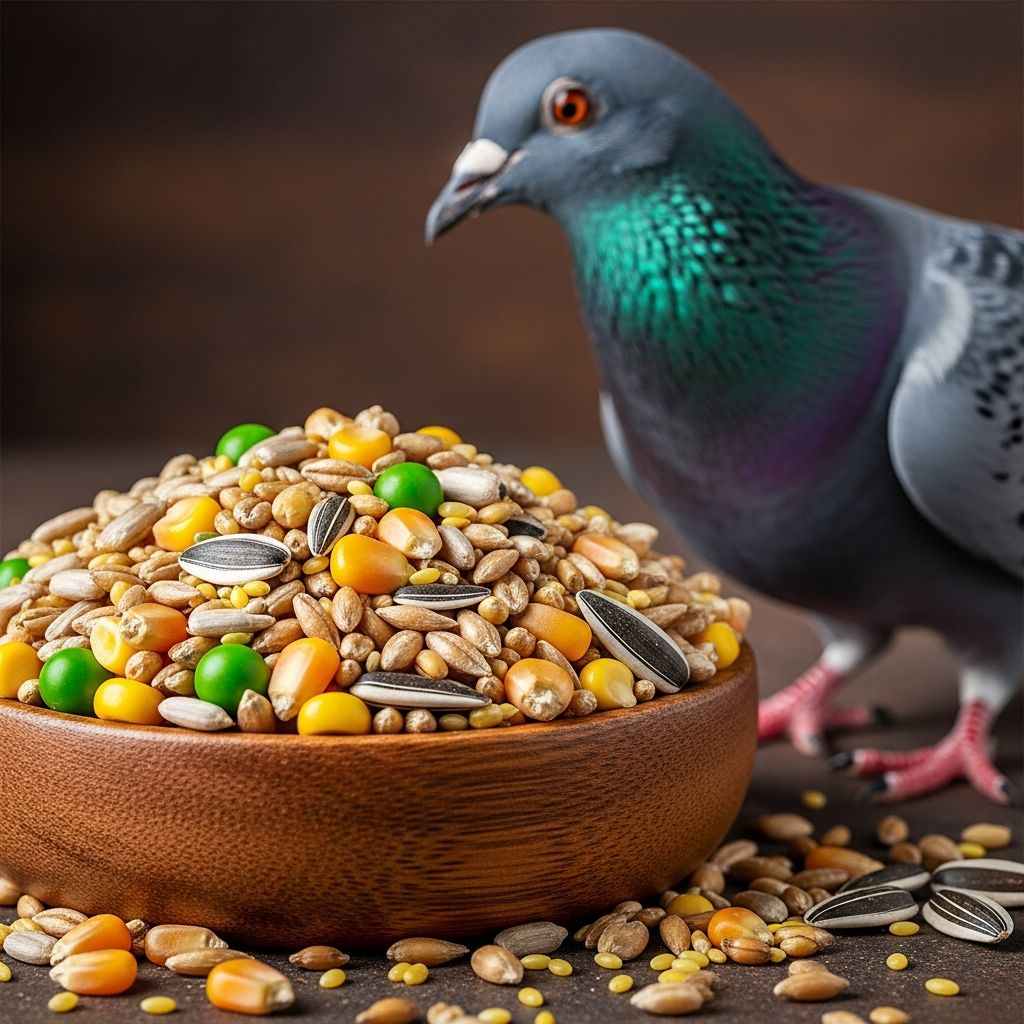
Understanding Pigeon Nutrition
Proper nutrition forms the foundation of a healthy, vibrant pigeon. Whether you’re caring for a pet pigeon, a racing bird, or a show pigeon, understanding their dietary needs is essential for promoting longevity, maintaining feather quality, and supporting optimal performance. Many pigeon owners make the mistake of feeding incomplete diets consisting solely of seeds, bread, or grain, which can lead to serious health complications including poor feathering, respiratory disease, fatty liver disease, and diabetes. A well-balanced pigeon diet should include multiple food sources that together provide all necessary nutrients.
Pigeons are primarily granivorous birds, meaning they naturally consume seeds and grains as their primary food source. However, this doesn’t mean a diet of seeds alone is sufficient. Modern commercial seed mixes often lack essential vitamins, minerals, and proper protein levels required for optimal health. The key to feeding pigeons successfully is creating dietary variety and balance that mimics the natural nutritional profile pigeons would consume in the wild.
The Foundation: Quality Grain Mix
Grains should constitute 60–70% of your pigeon’s daily diet, making them the nutritional foundation. A high-quality grain mix provides essential energy, protein, and the variety that pigeons need to thrive. When selecting a grain mix, look for blends that include diverse ingredients such as wheat, maize (both cracked and whole), sorghum, barley in small amounts, oats, peas, and lentils or other legumes.
Peas and legumes are particularly valuable additions to any grain mix because of their superior protein content compared to other grains. Peas provide approximately 20% protein, making them an excellent complement to lower-protein grains like oats. For racing pigeons or birds engaged in heavy work, a higher-energy mix with added maize or sunflower seeds may be necessary to meet their increased caloric demands.
When purchasing grain mixes, always prioritize cleanliness and freshness. Examine the mix for any signs of mold, dust, or contamination. Store grains in cool, dry conditions to maintain their nutritional integrity. Adjust the proportions of different grains based on your pigeon’s age, activity level, and the current season—birds often require higher-energy foods during colder months or breeding season.
Pellet Diets: Complete Nutrition Alternative
Formulated pellet diets are an excellent option for pigeon nutrition, offering a complete and balanced nutritional profile in every bite. These pellets are specifically designed to prevent the selective eating that commonly occurs when birds pick through grain-based mixes, consuming only their preferred seeds while leaving behind less palatable but nutritionally important ingredients.
Ideally, pellets should comprise 20–30% of a pigeon’s daily diet when used in combination with other foods, though if feeding high-quality pigeon pellets exclusively, birds can thrive on 100% pellet diet. When selecting pellets, look specifically for products formulated for pigeons, such as APC Pigeon Pellets or Passwell Crumbles. These are formulated to account for pigeons’ smaller beak size and unique nutritional requirements.
If pigeon-specific pellets are unavailable, non-medicated chicken crumbles or parrot pellets can serve as acceptable substitutes, provided they contain appropriate levels of protein, vitamins, and minerals suitable for pigeons. However, carefully review the nutritional labels to ensure the product meets pigeon requirements. Avoid medicated feeds unless specifically prescribed by an avian veterinarian.
Fresh Vegetables and Greens
Fresh vegetables and greens should comprise 5–10% of your pigeon’s daily intake, providing essential vitamins, minerals, and fiber that support overall health. Offer options such as silverbeet, spinach, dandelion greens, broccoli, grated carrot, and safe herbs including parsley or basil several times per week.
When offering vegetables, avoid pale vegetables with high water content such as iceberg lettuce or celery, as these provide minimal nutritional value. Instead, focus on darker, more nutrient-dense options that deliver meaningful micronutrients. Vegetables can be offered fresh daily as part of your pigeon’s routine feeding schedule. Always wash produce thoroughly before offering it to remove any pesticide residue.
Some pigeons may also enjoy fruits such as berries and other options in moderation. You can offer virtually any fruit or vegetable that humans consume safely, with the critical exception of avocado, onion, and rhubarb, which are toxic to birds. Chop vegetables into manageable pieces to prevent choking and encourage consumption.
The Essential Role of Grit
Pigeons require grit to properly grind and digest whole grains in their gizzard, as they lack teeth. Grit should be offered as free choice in a separate dish, never mixed with food or scattered on the floor where it could become contaminated.
A proper grit mix includes two distinct types. Insoluble grit such as granite helps grind whole grains in the gizzard, while soluble grit such as oyster shell or cuttlebone provides essential minerals like calcium that support bone health, egg production, and metabolic function. Grit should remain available at all times, allowing pigeons to consume only the amount they need for proper digestion.
Vitamin and Mineral Supplementation
Even with a balanced diet, pigeons may miss important nutrients, particularly if they are selective eaters or if their diet lacks variety. A water-soluble multivitamin given 1–3 times per week helps fill nutritional gaps and supports overall health and immunity. Additionally, electrolytes can be beneficial, particularly during hot weather or for birds engaged in racing or intensive activity.
Mineral blocks can also be provided to supplement a pigeon’s intake of trace minerals and micronutrients. These blocks are made up of crushed shells and stones containing trace minerals such as calcium that support bone density and overall metabolic function.
Seeds and Treats
While seeds form part of traditional pigeon diets, they should not comprise the entire diet, as commercial seed mixes tend to be high in fat while being deficient in protein and essential vitamins and minerals. Small seeds such as finch or canary seed can be offered in moderation as treats or enrichment, typically about one tablespoon added to regular meals.
Additional enrichment and training treats can include mealworms, crickets, earthworms, and other insects, which provide valuable protein and simulate natural foraging behavior. Small amounts of nuts, dried fruit, plain whole-grain crackers, parrot seed, or air-popped popcorn can also be offered during training sessions.
Macronutrient Requirements
The recommended macronutrient percentages for a balanced companion pigeon diet are approximately 13–15% protein. Most commercial feed mixes will have nutritional percentages specified on the packaging. As long as these requirements are met, the specific seeds included in the mix are typically less important, unless your pigeon refuses certain seeds, which could cause dietary imbalances.
| Diet Component | Percentage of Daily Diet | Key Benefits |
|---|---|---|
| Quality Grain Mix | 60–70% | Energy, protein, variety, essential carbohydrates |
| Formulated Pellets | 20–30% | Complete balanced nutrition, prevents selective eating |
| Fresh Vegetables & Greens | 5–10% | Vitamins, minerals, fiber, antioxidants |
| Grit (Free Choice) | As Needed | Digestion, calcium, trace minerals |
| Supplements (Multivitamins) | 1–3x Weekly | Nutritional gaps, immunity support |
Daily Feeding Practices and Management
Fresh water should always be available and changed daily to maintain hygiene and prevent bacterial growth. Monitor your pigeon’s food intake daily to spot any changes in appetite or behavior that might indicate health issues. Clean all feeding dishes daily to prevent mold growth and foodborne illness.
Pigeons often perch on their food bowls, so ensure bowls are positioned where they won’t become easily soiled by droppings. Provide plenty of alternative flat surfaces for perching to encourage your birds to use appropriate roosting spots rather than standing in their food.
When introducing new foods to a picky eater, don’t assume a single refusal is final. Persistence can help—birds may need multiple exposures to new foods before accepting them. Continue offering vegetables and varied grains even if initially rejected, as eventually most pigeons will develop curiosity and sample new offerings.
Nutritional Requirements by Life Stage
Young pigeons and growing squabs require slightly different nutritional support compared to adult birds. Hand-raised babies are often the easiest to transition to a pellet-based diet and may develop healthier lifelong eating habits as a result. Breeding birds may require supplemental nutrients to support egg production and chick-rearing. Racing pigeons need higher-energy foods to fuel their athletic performance and recovery.
Adjust feeding amounts based on your pigeon’s specific life stage, activity level, and individual metabolism. Monitor body weight and condition regularly to ensure your bird is maintaining optimal health. Birds that are too thin may require increased caloric intake, while overweight birds may benefit from portion control.
Common Feeding Mistakes to Avoid
One of the most common mistakes in pigeon care is feeding incomplete diets consisting solely of seeds, bread, or grain. These foods are nutritionally inadequate and can result in multiple health problems including poor feathering, respiratory disease, fatty liver disease, and diabetes.
Another mistake is failing to provide adequate grit, which is essential for proper digestion. Additionally, many owners neglect to offer fresh vegetables and greens, missing an opportunity to provide vital micronutrients. Finally, failing to include a quality multivitamin supplement can leave nutritional gaps even in otherwise balanced diets.
Frequently Asked Questions About Pigeon Diet
Q: Can pigeons eat bread?
A: Bread is not recommended as a regular part of a pigeon’s diet. Bread is high in carbohydrates and lacks the essential nutrients pigeons need. While pigeons will eat bread, doing so regularly can contribute to poor nutrition and health problems. Bread should be considered an occasional treat at best, never a dietary staple.
Q: How often should I feed my pigeon?
A: Most pigeons do well with once-daily feeding of appropriate portions. Some owners prefer twice-daily feeding schedules. The key is consistency and monitoring your individual bird’s weight and condition. Young pigeons may require more frequent feeding during development.
Q: What vegetables are toxic to pigeons?
A: Avoid offering avocado, onion, and rhubarb to pigeons, as these are toxic to birds. Additionally, avoid pale, watery vegetables like iceberg lettuce, which provide minimal nutritional value. Stick to nutrient-dense options like spinach, broccoli, and dark leafy greens.
Q: Can I feed my pigeon only pellets?
A: Yes, high-quality pigeon pellets can form 100% of a pigeon’s diet and provide complete nutrition. However, many owners prefer offering variety including grains and vegetables alongside pellets to promote foraging behavior and mental stimulation. Consult with an avian veterinarian about the best approach for your bird.
Q: How much should I feed my pigeon daily?
A: Most pigeons consume approximately 1 ounce of food daily, though this varies based on individual metabolism, activity level, and environmental temperature. Monitor your bird’s weight and body condition to determine appropriate portion sizes. Your avian veterinarian can help establish proper portions for your specific bird.
Q: Are vitamins and supplements necessary for pigeons?
A: While a balanced diet should provide most nutrients, water-soluble multivitamins given 1–3 times weekly can help fill nutritional gaps, particularly for selective eaters. Supplements are especially beneficial for breeding birds, racing pigeons, and birds recovering from illness.
Conclusion: Supporting Long-Term Pigeon Health
With the right dietary balance, your pigeon can not only live but truly thrive. A comprehensive approach to nutrition that includes quality grains, formulated pellets, fresh vegetables, proper grit, and targeted supplementation ensures your bird receives all necessary nutrients for optimal health, beautiful feathering, and robust immunity. Monitor your pigeon’s food intake daily, maintain consistent feeding practices, and work with an avian veterinarian to tailor nutrition to your bird’s specific needs. Proper nutrition is an investment in your pigeon’s quality of life and longevity.
References
- Pigeon Nutrition and Diet Guide — Avian Empire. 2025. https://www.avianempire.co.nz/pages/pigeon-diet
- Diet for Pet Pigeons — Melbourne Bird Veterinary Clinic. 2025. https://www.melbournebirdvet.com/post/diet-for-pet-pigeons
- Feeding Pigeons and Doves — BrampVet Care. 2025. https://bramptonveterinarian.com/feeding-pigeons-and-doves/
- Pigeon Diet Guide: Macronutrient Requirements — Notion. 2025. https://www.pigeon.guide/Pigeon-Diet-Guide-f696d4f98d994603b367803aba5f0ce8
- Feeding Pigeons and Doves — VCA Animal Hospitals. 2025. https://vcahospitals.com/know-your-pet/pigeons-and-doves-feeding
- Nutrition in Pigeons and Doves — Merck Veterinary Manual. 2025. https://www.merckvetmanual.com/management-and-nutrition/nutrition-exotic-and-zoo-animals/nutrition-in-pigeons-and-doves
- Pigeon and Dove Feeding Guide — Palomacy. 2025. https://www.pigeonrescue.org/birds/care/pigeon-feeding-dove-feeding/
Similar Articles








Read full bio of Sneha Tete


