

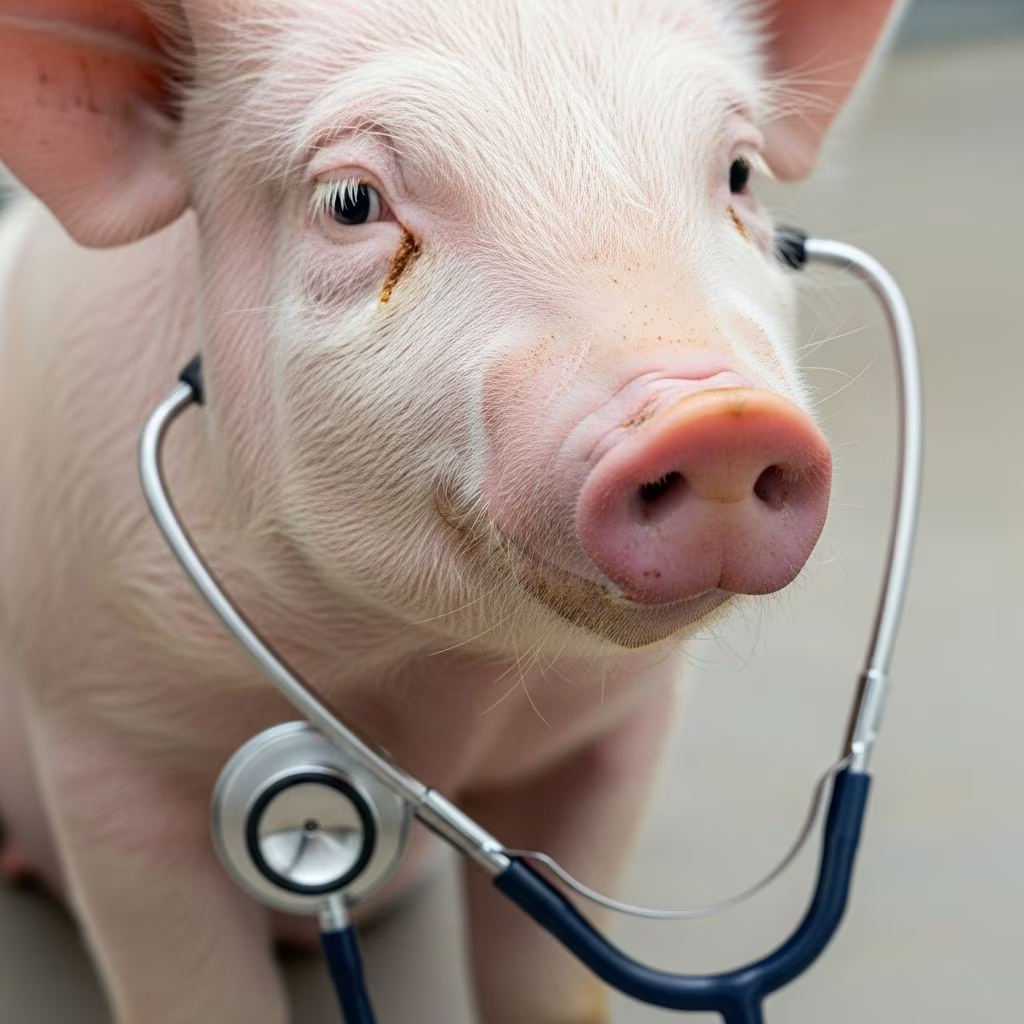
Respiratory challenges represent one of the primary health concerns in swine production, leading to substantial economic losses through reduced growth rates, increased mortality, and higher treatment costs. These disorders often arise from complex interactions between viruses, bacteria, and environmental stressors, affecting pigs at various growth stages from piglets to finishers.
Understanding the Scope of Swine Respiratory Challenges
In modern intensive farming, pigs face heightened risks for respiratory issues due to close confinement, rapid turnover, and high stocking densities. Conditions like the porcine respiratory disease complex (PRDC) exemplify how multiple pathogens synergize to amplify disease severity, resulting in chronic coughing, labored breathing, and poor feed conversion. Globally, these problems cost billions annually, with the United States alone estimating $560 million yearly from PRRS-related impacts.
Key contributors include primary viral agents that impair lung defenses, paving the way for opportunistic bacteria. Environmental factors such as poor ventilation, high ammonia levels, and dust further exacerbate vulnerabilities, creating a perfect storm for outbreaks.
Major Viral Pathogens in Pig Lungs
Viral infections often initiate respiratory cascades in swine herds. Among the most notorious is porcine reproductive and respiratory syndrome virus (PRRSV), known for causing interstitial pneumonia and weakening immune responses.
- PRRSV Characteristics: Targets alveolar macrophages, leading to fever, anorexia, and blue-tinged ears in severe cases. Piglets suffer high mortality, while sows experience reproductive failures.
- Swine Influenza Virus (SIV): Spreads rapidly via aerosols, damaging the mucociliary escalator and bronchioles, often resulting in sudden herd-wide outbreaks with nasal discharge and coughing.
- Porcine Circovirus Type 2 (PCV2): Suppresses immunity, associating with wasting and secondary pneumonias, especially in weaned pigs.
- Pseudorabies Virus (PRV): Induces rhinitis progressing to pneumonia in older pigs, with neurological signs in neonates.
These viruses persist in herds, fluctuating between subclinical shedding and explosive epidemics, complicating eradication efforts.
Bacterial Culprits and Secondary Infections
Bacteria thrive in virus-compromised lungs, escalating mild infections into life-threatening pneumonias. Mycoplasma hyopneumoniae stands out as a chronic enzootic pneumonia agent, causing lymphoid cuffing and growth retardation.
| Bacterium | Primary Lesions | Clinical Impact |
|---|---|---|
| Mycoplasma hyopneumoniae | Cranio-ventral consolidation | Chronic cough, reduced gain |
| Actinobacillus pleuropneumoniae | Fibrinous pleuritis, lung abscesses | Acute mortality up to 15% |
| Pasteurella multocida | Septicemic pneumonia | Secondary to viral damage |
| Streptococcus suis | Meningitis, arthritis with pneumonia | High in post-weaning |
| Haemophilus parasuis | Polyserositis, pleuritis | Linked to PRRS |
Actinobacillus pleuropneumoniae outbreaks manifest dramatically with bloody froth from nares and rapid deaths, demanding swift antimicrobial intervention.
The Porcine Respiratory Disease Complex Explained
PRDC embodies the multifactorial nature of swine respiratory woes, where two or more agents interact synergistically. PRRSV frequently acts as the initiator, destroying macrophages and impairing bacterial clearance, while SIV or mycoplasma amplify epithelial damage. Studies show coinfections elevate mortality sixfold compared to single agents.
Gross pathology reveals tan, enlarged lymph nodes, interstitial thickening, and alveolar flooding with exudate. Microscopically, mononuclear infiltrates and type II pneumocyte hyperplasia dominate. Risk multipliers include all-in-all-out failures, poor biosecurity, and stressors like weaning or transport.
Recognizing Symptoms Across Pig Ages
Symptom profiles vary by age and pathogen. Nursery pigs display thumping, depression, and dyspnea; growers exhibit non-productive hacks; finishers show weight stagnation.
- Weaners (3-10 weeks): PCV2-associated dyspnea, PRRSV pneumonia.
- Growers/Finishers: Coughing marathons, pleuritic adhesions from APP or Pasteurella.
- Sows/Boars: Influenza-like epidemics with anorexia.
Early detection hinges on vigilant monitoring: tail wagging while breathing signals distress; rectal temperatures above 40°C warrant investigation.
Diagnostic Approaches for Accurate Interventions
Confirming etiologies requires integrated diagnostics. Necropsy highlights lesions like dorsal pleurisy (APP) or ventral demarcated pneumonia (mycoplasma).
- Culture bacteria from lung swabs.
- PCR panels detect viral/bacterial mixes.
- Serology tracks herd exposure.
- Histopathology differentiates agents.
Deep lung sampling via transtracheal aspiration yields superior results over nasal swabs.
Prevention Strategies: Vaccination and Biosecurity
Proactive measures curb respiratory threats. Modified-live PRRSV vaccines reduce shedding; SIV autogenous vaccines match farm strains. Mycoplasma bacterins improve ADG by 10-15%.
- Biosecurity: All-in-all-out, footbaths, rodent control.
- Ventilation: Maintain 20 air changes/hour, minimize drafts.
- Nutrition: Boost vitamin E/selenium for immunity.
PCV2-M. hyo combination shots exemplify multi-valent protection, slashing PRDC incidence.
Treatment Protocols for Active Outbreaks
Targeted antimicrobials like florfenicol or tulathromycin control bacterial components, administered via water or injection. Supportive care includes electrolytes and NSAIDs for fever. Avoid over-reliance on antibiotics to preserve efficacy against resistant strains.
Economic Ramifications and Herd-Level Management
Respiratory diseases erode margins: PRRS alone docks $10-15 per pig in losses. Strategic depopulation, serological profiling, and feedback programs stabilize endemic herds. Consulting veterinarians for tailored APP eradication plans yields ROI through sustained productivity.
Emerging Trends and Future Outlook
Subtype H3N2 SIV emergence and PCV2 strain shifts underscore vigilance needs. Plant-based immunomodulators show promise as adjuncts, enhancing macrophage function without resistance risks. Genomic surveillance aids vaccine updates.
Frequently Asked Questions (FAQs)
What triggers most pig coughing outbreaks?
Typically mycoplasma hyopneumoniae or swine influenza, often with bacterial overlays.
How to differentiate PRRS from influenza?
PRRS features blue ears and abortions; influenza hits suddenly herd-wide with discharge.
Is vaccination enough for PRDC control?
No, combine with biosecurity and environment optimization for comprehensive defense.
Can respiratory diseases affect feed intake?
Yes, dyspnea and fever suppress appetite, dropping FCR by 20%+ in outbreaks.
What role does ventilation play?
Poor airflow traps ammonia/pathogens, multiplying infection risks exponentially.
References
- Porcine reproductive and respiratory syndrome – WOAH — World Organisation for Animal Health. 2023. https://www.woah.org/en/disease/porcine-reproductive-and-respiratory-syndrome/
- Porcine Respiratory Disease Complex – NCBI – NIH — National Center for Biotechnology Information. 2000 (authoritative review). https://www.ncbi.nlm.nih.gov/books/NBK2481/
- Overview of Respiratory Diseases of Pigs – Merck Veterinary Manual — Merck & Co. 2023. https://www.merckvetmanual.com/respiratory-system/respiratory-diseases-of-pigs/overview-of-respiratory-diseases-of-pigs
- Part 1 – Acute Respiratory Disease – NADIS — National Animal Disease Information Service. 2022. https://www.nadis.org.uk/disease-a-z/pigs/respiratory-disease-in-growing-pigs-module/part-1-acute-respiratory-disease/
- Respiratory challenges in pigs: Plants to the rescue! – EW Nutrition — EW Nutrition. 2023. https://ew-nutrition.com/us/challenge-respiratory-diseases-pigs/?print=pdf
- Pneumonia | The Pig Site — The Pig Site. 2024. https://www.thepigsite.com/disease-guide/pneumonia
- Swine Respiratory Health – Elanco — Elanco Animal Health. 2025. https://farmanimal.elanco.com/us/respiratory-health-collection



