
Pig Health And Management: Expert Strategies For Farmers
Effective strategies for preventing diseases and optimizing pig herd health through integrated management practices.
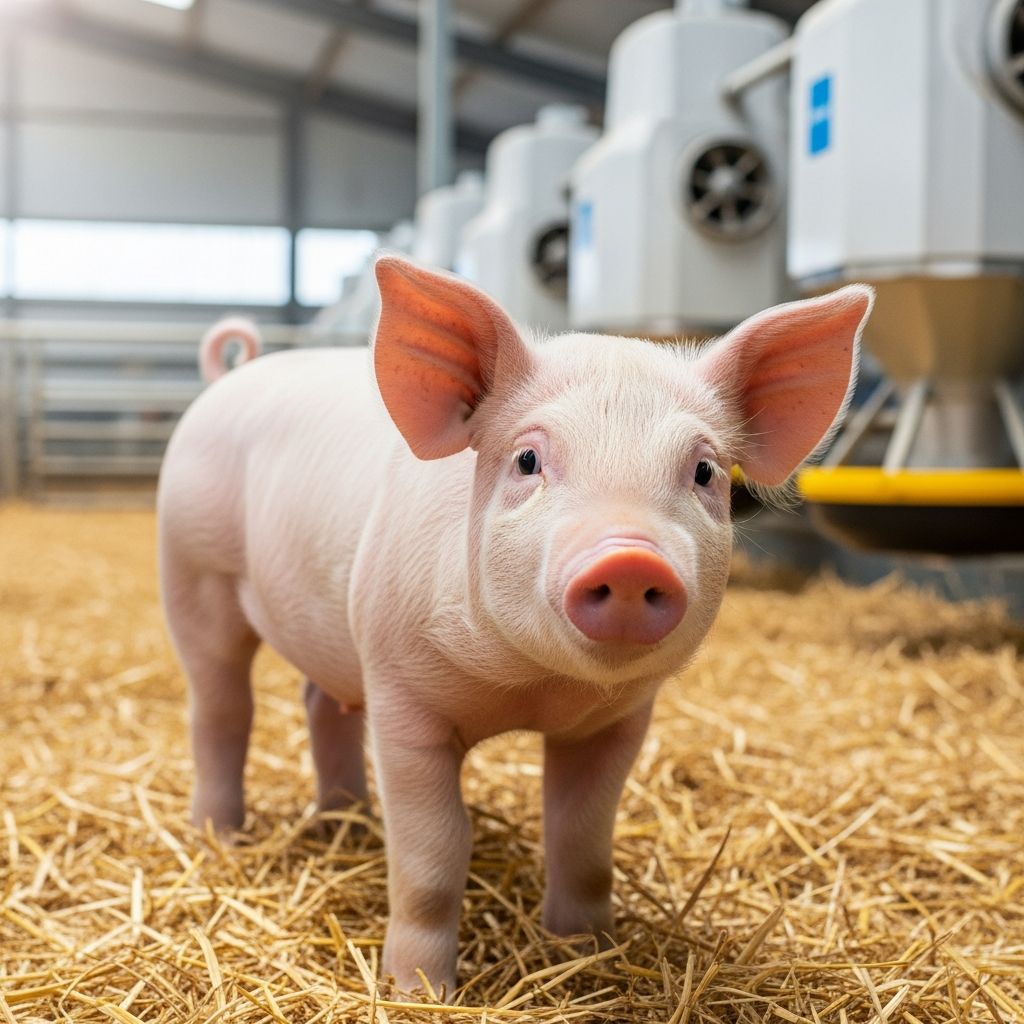
Successful swine production hinges on proactive health management that balances pathogen exposure with robust immunity. By implementing targeted biosecurity measures, strategic vaccinations, and optimal husbandry, farmers can significantly reduce disease incidence and improve overall herd performance.
Foundations of Biosecurity in Swine Operations
Biosecurity forms the cornerstone of pig health programs, acting as a barrier against pathogen introduction and spread. This multifaceted approach encompasses controlled animal movements, rigorous sanitation, and vigilant monitoring to safeguard herd integrity.
- Controlled Access Protocols: Limit farm entry to essential personnel, requiring full clothing changes, footwear disinfection, and health screenings to prevent external contaminants.
- Vehicle and Feed Management: Unload supplies at designated perimeter zones and disinfect transport vehicles thoroughly to avoid indirect pathogen transmission.
- Water Quality Assurance: Regularly test and treat water sources, ensuring clean delivery systems to minimize bacterial proliferation.
These practices not only curb endemic diseases but also mitigate risks from emerging threats, fostering a stable production environment.
Strategic Vaccination Programs for Pigs
Vaccination schedules tailored to production stages enhance both individual and herd-level immunity. Pre-breeding immunizations for gilts and sows target reproductive pathogens, while post-weaning shots protect growing pigs from respiratory and enteric challenges.
| Production Stage | Key Vaccines | Primary Protection |
|---|---|---|
| Sows/Gilts (Pre-breeding) | Leptospira, Erysipelothrix, Parvovirus | Reproductive failure prevention |
| Sows (Gestation) | Enterotoxigenic E. coli | Neonatal diarrhea via colostral antibodies |
| Weaned Pigs | Porcine circovirus, Mycoplasma hyopneumoniae, PRRS | Respiratory and growth impairments |
Combining maternal antibodies with direct piglet vaccination maximizes passive and active protection, particularly against neonatal threats like ETEC-induced scours.
Environmental Optimization for Disease Prevention
A clean, well-ventilated housing system drastically lowers pathogen loads. All-in/all-out systems in farrowing and nursery phases allow complete disinfection between batches, breaking disease cycles.
- Flooring and Sanitation: Use non-porous slatted floors for easy cleaning, followed by high-efficacy disinfectants to eliminate residual bacteria.
- Ventilation and Density Control: Maintain optimal airflow to reduce humidity and ammonia buildup; avoid overcrowding to limit stress and pathogen amplification.
- Age Segregation: House pigs by uniform age and weight to prevent cross-transmission and support uniform growth.
Such measures complement immunity-building efforts, ensuring pathogens remain below infectious thresholds.
New Animal Integration and Quarantine Essentials
Introducing replacement stock demands strict quarantine to avert herd disruptions. Isolate newcomers for at least 30 days in separate facilities, conducting full health assessments including parasite checks and targeted disease testing.
Post-quarantine, gradual herd integration minimizes stress. Source animals from certified health-status farms to baseline low disease risk. Routine deworming upon arrival and 30 days later, using broad-spectrum products effective against ascarids and whipworms, further bolsters newcomer resilience.
Nutrition’s Role in Bolstering Pig Immunity
Balanced rations fortified with immune-supporting nutrients underpin health resilience. High-quality starter feeds for piglets, transitioned slowly to avoid digestive upset, incorporate preventive medications like antibiotics against specific scour pathogens.
- Colostrum Intake Optimization: Promote early suckling and cross-fostering to ensure adequate immunoglobulin transfer.
- Feed Hygiene: Store and deliver contamination-free feed to prevent mycotoxin exposure and bacterial ingress.
Nutritional excellence reduces susceptibility to opportunistic infections, amplifying vaccination efficacy.
Monitoring and Early Intervention Tactics
Daily herd walks enable early detection of subtle signs like lethargy, coughing, or diarrhea. Prompt isolation of suspects prevents outbreaks, allowing targeted treatments.
Maintain detailed production records tracking growth rates, mortality, and disease patterns to refine management iteratively. Economic analysis of interventions justifies investments in premium biosecurity or vaccination.
Eradicating Persistent Pathogens
For eliminable diseases like sarcoptic mange, strategic parasiticide use (e.g., ivermectin) combined with facility depopulation can achieve herd clearance. Similarly, controlled exposure in closed herds builds uniform immunity against PRRS or TGE, often obviating ongoing interventions.
Weigh eradication benefits against costs, prioritizing based on prevalence and production impacts.
Handling Endemic Disease Challenges
Ubiquitous pathogens like certain enteric bacteria require ongoing challenge minimization alongside immunity maximization. Correcting management flaws, such as poor ventilation triggering respiratory flares, often restores equilibrium without medicinals.
Special Considerations for Show and Exhibition Pigs
Show pigs face elevated risks from commingling. Pre-event deworming, vaccination updates, and ration medications (e.g., lincomix for respiratory protection) are standard. Post-event quarantine mirrors newcomer protocols to protect resident herds.
Personnel Training and Farm-Wide Discipline
Trained staff adherence to protocols is pivotal. Prohibit off-farm pig contact, enforce shower-in/shower-out routines, and screen for illnesses to maintain internal biosecurity.
FAQs
What is the most effective way to prevent neonatal piglet diarrhea?
Combine all-in/all-out farrowing, thorough disinfection, and sow vaccination for colostral antibodies to provide passive protection.
How long should new pigs be quarantined?
Minimum 30 days, with diagnostic testing and parasite treatment to confirm health status.
Why group pigs by age in pens?
To reduce stress, limit pathogen spread, and promote even growth across the batch.
Can some pig diseases be completely eliminated from a herd?
Yes, through strategic treatments for parasites like mange or controlled exposure for viral diseases in closed herds.
What role does ventilation play in pig health?
It controls humidity and airborne pathogens, preventing respiratory disease flare-ups.
Advanced Herd Health Metrics
Track key performance indicators: pre-weaning mortality under 10%, post-weaning growth exceeding 700g/day, and feed conversion below 2.5:1. Deviations signal management gaps warranting audit.
References
- Health-Management Interaction: Pigs — Merck Veterinary Manual. 2023-01-15. https://www.merckvetmanual.com/management-and-nutrition/health-management-interaction-pigs/health-management-interaction-pigs
- Swine Disease Prevention Strategies for Pig Farms — Osborne Livestock Equipment. 2024-05-20. https://osbornelivestockequipment.com/swine-disease-prevention-strategies/
- Keeping Show Pigs Healthy — Texas A&M AgriLife Extension. 2025-03-01. https://agrilifeextension.tamu.edu/wp-content/uploads/2025/03/Keeping-Show-Pigs-Healthy.pdf
- Swine Health Management — Food and Agriculture Organization (FAO). 2019-06-12. https://www.fao.org/4/i3190e/i3190e00.pdf
- Principles of Health Management — The Pig Site. 2023-11-10. https://www.thepigsite.com/articles/principles-of-health-management
Similar Articles








Read full bio of medha deb


