

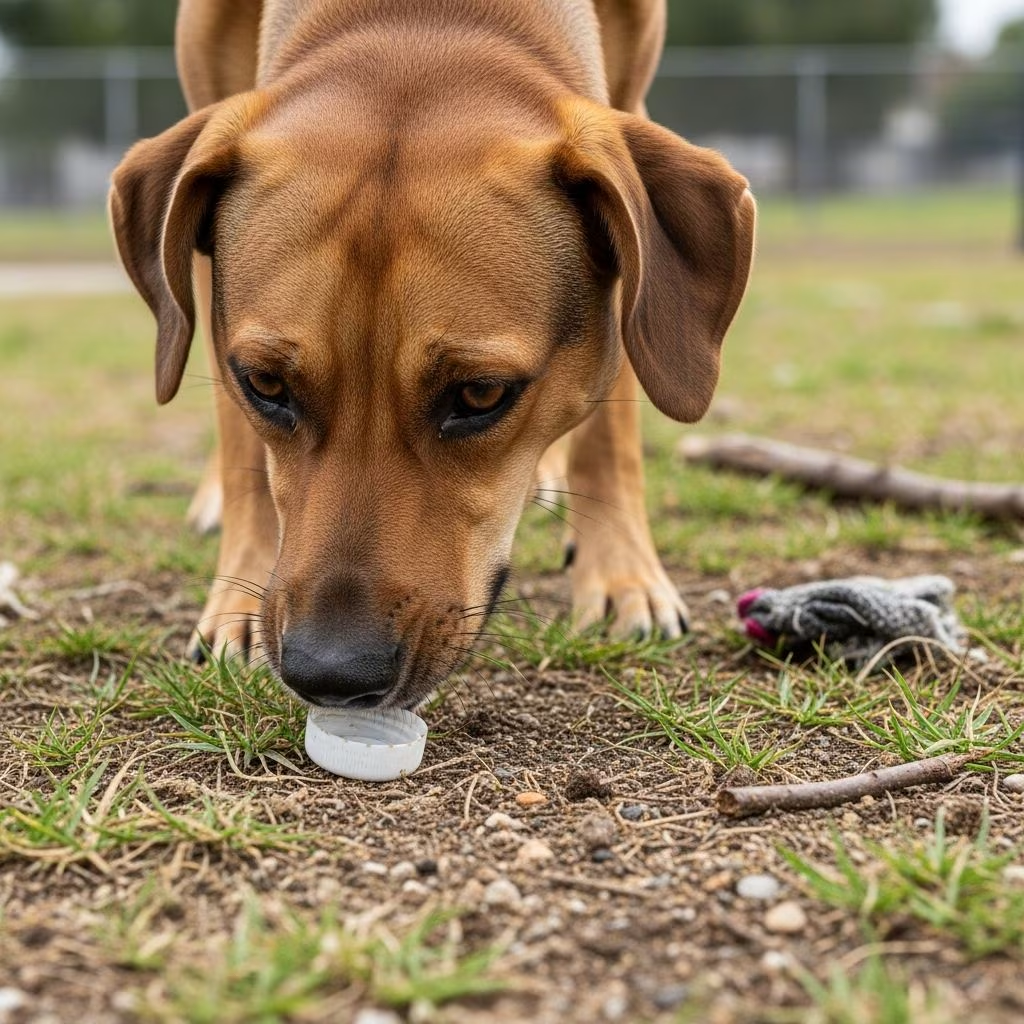
Dogs exhibiting pica compulsively ingest non-nutritive substances such as rocks, fabric, dirt, paper, wood, plastic, and even feces, posing significant health risks including blockages and toxicity. This behavior often stems from nutritional gaps, medical conditions, or psychological factors, requiring prompt veterinary evaluation to prevent life-threatening complications.
Recognizing the Signs of Pica
The hallmark of pica is persistent consumption of inedible materials beyond normal exploratory chewing. Owners may observe their dog targeting specific items like socks, cardboard, or soil repeatedly, distinguishing it from puppy curiosity.
- Direct observation of ingestion of objects like stones, cloth, or garbage.
- Secondary gastrointestinal distress from indigestible materials.
Common Symptoms to Watch For
Besides the act itself, pica triggers various health indicators due to foreign object interference in the digestive system. These signs demand immediate attention to avert escalation.
| Symptom | Description | Potential Cause |
|---|---|---|
| Vomiting | Frequent expulsion of stomach contents | Irritation or partial blockages |
| Diarrhea or Constipation | Irregular bowel movements | Gut obstruction or inflammation |
| Lethargy | Reduced energy and activity | Pain or systemic illness |
| Abdominal Pain | Hunched posture or guarding belly | Internal swelling or ulcers |
| Bad Breath | Foul, metallic, or fishy odor | GI ulceration or infection |
| Excessive Drooling | Increased salivation | Obstruction or nausea |
| Damaged Teeth | Cracked or worn enamel | Chewing hard items like rocks |
Severe cases may involve choking, bloating, dark stools indicating internal bleeding, or straining without defecation, signaling emergencies like full obstructions. Early detection through vigilant monitoring can mitigate these dangers.
Unraveling the Root Causes
Pica arises from a spectrum of medical and behavioral triggers, often intertwined, necessitating comprehensive diagnostics. Nutritional imbalances frequently drive dogs to seek minerals absent in their diet, such as iron leading to geophagia or dirt-eating.
Medical Contributors
Underlying diseases disrupt nutrient absorption or induce cravings.
- Anemia: Iron-deficiency prompts soil or clay consumption.
- GI Disorders: Conditions like inflammatory bowel disease (IBD) or parasites cause malabsorption.
- Organ Dysfunction: Liver, pancreatic issues, or diabetes alter appetite regulation.
- Chronic Pain: Arthritis or hip dysplasia may lead to comfort-seeking ingestion.
- Medications: Steroids like prednisone increase hunger abnormally.
Parasitic infections, tumors, or kidney disease in older dogs exacerbate the issue, highlighting the need for thorough health screenings.
Behavioral and Environmental Factors
Psychological elements play a key role, especially in stressed or understimulated dogs.
- Anxiety from separation, changes in routine, or loud environments.
- Boredom in low-activity households lacking mental engagement.
- Insufficient diet or chew toys reinforcing the habit.
Breeds like Labradors or those with compulsive tendencies may be predisposed, but any dog can develop pica under duress.
Diagnosis: Steps to Identify Pica
Veterinarians approach pica systematically, ruling out mimics like hunger or exploratory play. History of diet, environment, and symptom onset guides initial assessments.
- Physical Exam: Checks for dental damage, abdominal tenderness, or dehydration.
- Bloodwork: Screens for anemia, organ function, and nutrient levels.
- Fecal Analysis: Detects parasites.
- Imaging: X-rays or ultrasounds locate obstructions.
- Endoscopy: Visualizes GI tract for ulcers or foreign bodies.
Differentiating primary pica from illness-induced requires excluding all medical causes first.
Treatment Strategies for Pica
Addressing pica involves targeting the origin, combining medical intervention, diet tweaks, and behavior mods. Success hinges on consistency and professional oversight.
Medical Interventions
Treat underlying conditions promptly.
- Supplements for deficiencies, e.g., iron for anemia.
- Parasite deworming or anti-inflammatories for GI issues.
- Pain management for arthritis.
- Surgery for blockages.
Dietary Adjustments
A balanced, nutrient-dense diet prevents cravings. Transition to high-quality kibble with added omega-3s or probiotics supports gut health.
Behavioral Management
Modify habits through training.
- Positive reinforcement: Reward ignoring non-food items.
- Enrichment: Puzzle toys, scent games reduce boredom.
- Exercise: Daily walks curb stress.
- Muzzle training for safety during unsupervised time.
Consult certified trainers or veterinary behaviorists for compulsive cases.
Prevention Tips for a Pica-Free Home
Proactive measures minimize risks.
- Secure household items: Store fabrics, trash, and small objects out of reach.
- Provide alternatives: Durable chew toys mimic targeted materials.
- Regular vet checkups: Monitor nutrition and health biannually.
- Mental stimulation: Rotate toys, teach new tricks.
- Diet oversight: Avoid abrupt changes; consult for breed-specific needs.
Environmental enrichment fosters natural behaviors, reducing pica incidence.
FAQs on Pica in Dogs
What exactly is pica in dogs?
Pica is the persistent eating of non-food substances like rocks, paper, or cloth, differing from normal mouthing.
Can pica resolve on its own?
Rarely; untreated pica often worsens, leading to emergencies. Vet intervention is essential.
Is pica more common in certain breeds?
It affects all breeds but is noted more in Labrador Retrievers and compulsive-prone dogs.
How quickly should I see a vet if I suspect pica?
Immediately upon noticing repeated ingestion or symptoms like vomiting.
Are there home remedies for mild pica?
No; professional diagnosis prevents complications. Enrichment aids but doesn’t replace vet care.
Long-Term Outlook and Monitoring
With tailored treatment, most dogs improve significantly, though monitoring prevents relapse. Track weight, stool quality, and behavior monthly. Adjust as life stages change, like puppy to adult transitions. Owner education empowers effective management, ensuring a healthier, happier canine companion.
References
- What is Pica, and Does Your Pet Have It? — My Pet Nutritionist. 2023. https://mypetnutritionist.com/post/what-is-pica-and-does-your-pet-have-it/
- What is Pica in Dogs and How to Treat It — Purina. 2024-01-15. https://www.purina.com/articles/dog/health/symptoms/pica-in-dogs
- Pica in Dogs: Causes, Treatment & Prevention — Pawlicy Advisor. 2024. https://www.pawlicy.com/blog/pica-in-dogs/
- When Chewing Turns Into Chomping Trouble — Bark & Whiskers. 2025-08. https://www.barkandwhiskers.com/content/files/2025/08/pica-in-dogs.pdf
- Pica in Dogs — PetMD. 2024. https://www.petmd.com/dog/conditions/behavioral/pica-dogs
- What Is Pica in Dogs? Causes, Symptoms, and Treatment — GoodRx. 2024-06-20. https://www.goodrx.com/pet-health/dog/pica-in-dogs-causes
- Pica in Dogs: Causes, Diagnosis, Treatment — Best Friends Animal Society. 2023. https://bestfriends.org/pet-care-resources/pica-dogs-causes-diagnosis-treatment



