

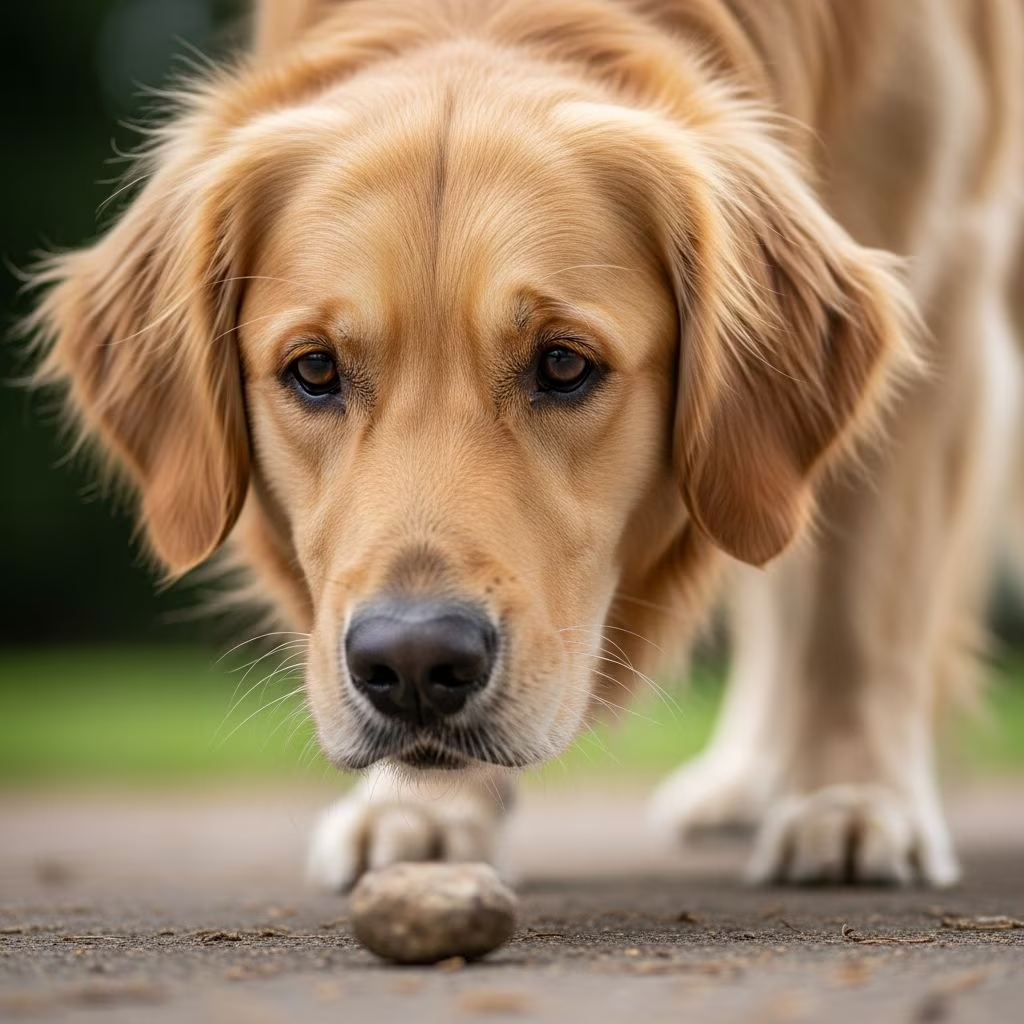
Pica in dogs refers to the persistent ingestion of non-nutritive substances such as rocks, soil, fabric, or plastic, posing serious health risks including toxicity, dental damage, and intestinal blockages. This behavior can stem from medical conditions, nutritional shortfalls, or psychological factors, requiring prompt veterinary evaluation to identify and resolve the root cause.
Understanding the Nature of Pica
Dogs exhibiting pica go beyond normal exploratory chewing; they compulsively consume items with no nutritional value, often leading to emergencies like gastrointestinal obstructions. While puppies may chew during teething, true pica typically emerges in adolescents or adults and persists without intervention. Breeds like Terriers, Spaniels, and Collies appear predisposed, though any dog can develop it under certain conditions.
Recognizing pica early is crucial, as ingested objects can cause perforations, infections, or poisoning. Owners might notice repeated attempts to eat dirt (geophagia), stones, socks, or cardboard, distinguishing it from occasional mischief.
Medical Triggers Behind Pica
Many cases of pica signal underlying health problems that drive dogs to seek compensatory substances. Nutritional deficiencies, particularly in iron or zinc, prompt ingestion of soil or clay to fulfill unmet mineral needs. Anemia, whether from immune-mediated hemolytic processes or iron shortages, correlates strongly with this behavior, as dogs instinctively try to self-medicate.
Gastrointestinal disorders like inflammatory bowel disease (IBD), tumors, or malabsorption issues prevent proper nutrient uptake, fueling cravings for non-food items. Endocrine imbalances, including diabetes, Cushing’s disease, and hyperthyroidism, heighten appetite or alter cravings. Liver, pancreatic, or kidney diseases also contribute, often in older dogs, by disrupting metabolism.
Parasitic infections such as hookworms or tapeworms deplete nutrients, mimicking deficiency states and triggering pica. Pain from conditions like hip dysplasia has been linked to stone-eating in studies, resolving once managed. Certain medications, including steroids like prednisone or anti-seizure drugs, amplify hunger, exacerbating the issue.
| Category | Examples | Potential Impact |
|---|---|---|
| Nutritional | Iron/zinc deficiency, anemia | Geophagia, soil eating |
| Gastrointestinal | IBD, tumors, malabsorption | Nutrient loss, blockages |
| Endocrine | Diabetes, Cushing’s | Increased appetite |
| Organ Disease | Liver, kidney, pancreas | Metabolic disruption |
| Infections | Parasites (hookworms) | Nutrient theft |
Behavioral and Environmental Contributors
Even without medical issues, psychological factors dominate many pica cases. Boredom in high-energy breeds lacking exercise or mental stimulation leads to destructive ingestion as an outlet. Anxiety, especially separation-related, manifests as stress-eating fabrics or trash when owners are absent.
A stressful environment—new pets, loud noises, or household changes—heightens risk, as dogs redirect unease into compulsive acts. Attention-seeking reinforces the behavior if owners respond dramatically to incidents. Insufficient enrichment, like absent chew toys or socialization, leaves dogs understimulated, turning to inappropriate items.
Compulsive disorders amplify these traits, where repetition overrides normal function, similar to human OCD.
Spotting Symptoms and Complications
- Repeated consumption of dirt, rocks, cloth, plastic, or feces (coprophagia, a pica subset).
- Vomiting, diarrhea, or abdominal pain from blockages.
- Weight loss, lethargy, or dental injuries like fractured teeth.
- Excessive drooling, bad breath, or gum inflammation.
- Behavioral changes like restlessness or isolation.
Blockages demand emergency surgery, costing thousands and risking peritonitis if ruptured. Toxins from substances like antifreeze-soaked items can be fatal without rapid detox.
Veterinary Diagnosis Process
Start with a full history: onset, frequency, diet, environment, and breed. Physical exams check for pain, parasites, or masses. Bloodwork assesses anemia, organ function, and nutrient levels; fecal tests detect parasites. Imaging like X-rays or ultrasounds reveals foreign bodies or tumors. Endoscopy or biopsies confirm GI issues. Behavioral vets evaluate for anxiety via observation or trials.
Ruling out medical causes first ensures targeted treatment, preventing misdiagnosis of behavioral pica.
Treatment Strategies for Pica
Tailor approaches to the cause. Medical pica resolves with disease management: supplements for deficiencies, dewormers for parasites, or surgery for blockages. Dietary shifts to balanced, high-quality food with probiotics aid gut health.
Behavioral cases benefit from enrichment: puzzle toys, longer walks, and training to redirect chewing. Anxiety meds or pheromone diffusers like Adaptil calm stressed dogs. Consistency prevents reinforcement; ignore incidents, reward calm behavior.
Environmental tweaks—crate training, supervision, securing trash—limit access. Professional behaviorists craft plans for severe compulsions.
Prevention Tactics for Long-Term Success
- Provide ample exercise: 30-60 minutes daily walks or play.
- Offer varied toys: Kongs, chew bones, treat dispensers.
- Maintain routine feeding of nutrient-dense kibble.
- Regular vet checkups catch issues early.
- Socialize and train from puppyhood.
Monitor for medication side effects and adjust as needed.
Home Remedies and Supportive Care
While awaiting vet care, use bitter sprays on fabrics, increase fiber to deter coprophagia, and add calming supplements like Composure chews. Probiotics support digestion, but never substitute professional advice.
FAQs on Pica in Dogs
What if my dog ate a rock?
Watch for vomiting, pain, or lethargy; seek emergency care for blockages.
Is pica common in puppies?
Teething mimics it, but persistent cases need checking for deficiencies.
Can diet alone fix pica?
Only if nutritional; medical/behavioral causes require broader intervention.
How long does treatment take?
Weeks to months, depending on cause resolution and habit breaking.
Which breeds are at higher risk?
Terriers, Spaniels, Collies, Labs; high-energy or anxious types.
When to Seek Urgent Help
Rush to ER for signs of obstruction (distended belly, non-stop retching), blood in stool, or collapse. Early action saves lives and cuts costs.
References
- What Is Pica in Dogs? Causes, Symptoms, and Treatment — GoodRx. 2023. https://www.goodrx.com/pet-health/dog/pica-in-dogs-causes
- Pica in Dogs: Causes, Diagnosis, Treatment — Best Friends Animal Society. 2023. https://bestfriends.org/pet-care-resources/pica-dogs-causes-diagnosis-treatment
- What is Pica in Dogs and How to Treat It — Purina. 2023. https://www.purina.com/articles/dog/health/symptoms/pica-in-dogs
- Pica in Dogs: Causes, Treatment & Prevention — Pawlicy Advisor. 2023. https://www.pawlicy.com/blog/pica-in-dogs/
- Pica in Dogs: What to Know — American Kennel Club. 2023. https://www.akc.org/expert-advice/health/pica-in-dogs/
- Pica in Dogs — PetMD. 2023. https://www.petmd.com/dog/conditions/behavioral/pica-dogs



