

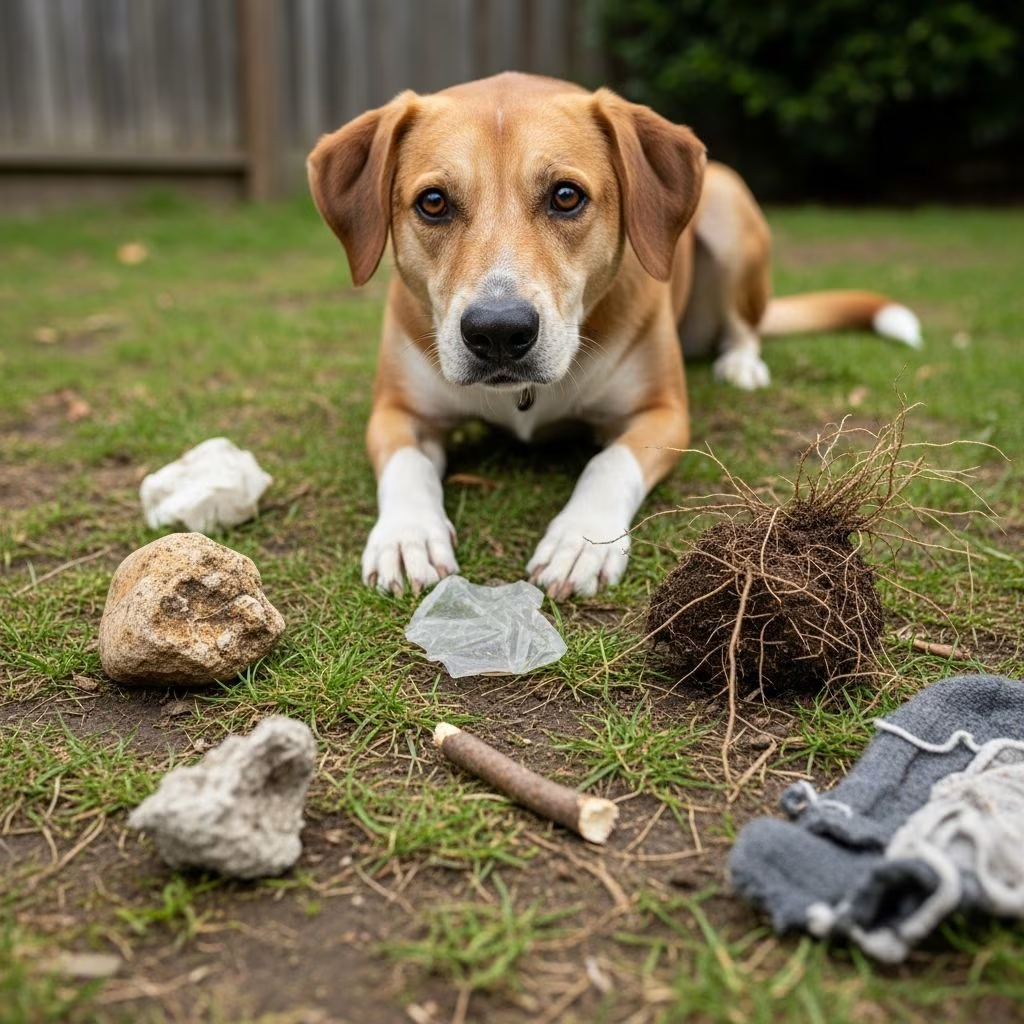
Pica in dogs refers to the persistent ingestion of non-nutritive substances such as soil, stones, fabric, or plastic. This behavior, while occasionally seen in healthy dogs, frequently indicates underlying health or environmental problems that require prompt attention to prevent serious complications like intestinal blockages or toxicity.
Recognizing the Signs of Pica
Owners often first notice pica when their dog repeatedly chews or swallows inappropriate items. Common indicators include dirt-eating, rock consumption, fabric ingestion from clothing or bedding, and even coprophagia (eating feces). Accompanying symptoms may involve vomiting, diarrhea, abdominal discomfort, lethargy, excessive drooling, or unexplained weight loss. These signs can escalate quickly if foreign objects cause obstructions.
- Dirt or soil: Often linked to mineral cravings.
- Rocks or gravel: Risky due to potential for dental damage or blockages.
- Fabric or socks: Common in household settings, leading to surgical needs.
- Grass or plants: Milder form but hazardous if treated with chemicals.
- Feces: Indicates possible digestive upset or nutrient gaps.
Medical Triggers Behind Pica
Many cases of pica stem from physiological imbalances. Nutritional deficiencies, particularly in iron, vitamins, or minerals, drive dogs to seek out soil or clay to self-medicate. Anemia, whether iron-deficiency or immune-mediated hemolytic, disrupts nutrient absorption, prompting unusual eating habits. Gastrointestinal parasites steal vital nutrients, mimicking deficiency symptoms.
Organ dysfunction plays a significant role too. Liver disease impairs toxin processing and nutrient metabolism, while pancreatic issues reduce enzyme production, hindering digestion. Diabetes mellitus heightens hunger, leading to indiscriminate eating. Thyroid imbalances and certain cancers in the digestive tract further exacerbate appetite dysregulation.
| Condition | How It Contributes to Pica | Common Symptoms |
|---|---|---|
| Anemia | Poor oxygen transport prompts dirt-eating for minerals | Lethargy, pale gums |
| Liver Disease | Altered metabolism causes cravings | Jaundice, vomiting |
| Diabetes | Increased appetite leads to non-food ingestion | Excessive thirst, urination |
| Parasites | Nutrient theft mimics deficiencies | Diarrhea, weight loss |
Behavioral and Environmental Factors
Not all pica has a medical basis; behavioral roots are equally prevalent. Boredom in understimulated dogs manifests as destructive chewing or eating. Anxiety, separation distress, or compulsive disorders amplify this, turning mild curiosity into fixation. Stressful environments, such as recent household changes or insufficient exercise, compound the issue. Attention-seeking behaviors reinforce pica when owners react dramatically to the act.
Medications like prednisone (for inflammation) or phenobarbital (for seizures) can indirectly influence appetite or behavior, occasionally triggering episodes. Early weaning or poor dietary history in puppies sets the stage for lifelong habits.
Diagnosing Pica Effectively
Diagnosis begins with a comprehensive veterinary evaluation. A detailed history covers the behavior’s onset, frequency, and context, alongside a physical exam to detect pain or abnormalities. Fecal analysis rules out parasites, while blood tests screen for anemia, organ function (liver enzymes, pancreatic markers like TLI), glucose levels, and nutrient absorption (folate, cobalamin).
Imaging such as X-rays or ultrasound identifies obstructions or foreign bodies. If initial tests are normal, behavioral assessments or trials with dietary supplements may follow. Treating identified issues often resolves pica, confirming the cause.
Treatment Strategies for Pica
Tailored interventions address the root cause. For nutritional shortfalls, veterinarians prescribe balanced diets, supplements (e.g., multivitamins, iron), or high-fiber foods to enhance satiety. Parasite clearance via dewormers swiftly improves symptoms.
Medical conditions demand specific therapies: insulin for diabetes, supportive care for liver issues, or surgery for obstructions. Behavioral pica benefits from environmental enrichment—puzzle toys, increased exercise, and training to redirect chewing. Anxiety management includes pheromone diffusers (Adaptil), calming supplements, or prescription anti-anxiety drugs.
Surgical removal is reserved for life-threatening ingestions like sharp objects or batteries causing toxicity or perforation. Post-surgery, monitoring prevents recurrence.
Preventing Pica in Your Dog
Proactive measures minimize risks. Puppy-proof homes by securing trash, laundry, and small objects. Provide ample mental stimulation through interactive toys, daily walks, and training sessions. Regular vet check-ups catch deficiencies early. Transition to premium, complete diets suited to your dog’s life stage and breed.
- Supervise outdoor time to deter dirt or rock eating.
- Rotate toys to combat boredom.
- Use deterrent sprays on chew-prone items.
- Maintain consistent routines to reduce stress.
FAQs About Pica in Dogs
Is eating grass considered pica?
Yes, frequent grass consumption qualifies as pica, potentially signaling stomach upset or nutrient needs, though occasional nibbling is normal.
Can pica resolve without treatment?
Rarely; untreated pica risks severe health issues. Addressing causes usually halts the behavior.
How long does treatment take?
Varies by cause—weeks for nutritional fixes, longer for behavioral with consistent management.
Are certain breeds prone to pica?
No breed-specific data, but working breeds may show more from boredom.
What if my dog eats feces?
Coprophagia links to diet gaps or GI issues; vet evaluation and probiotics help.
Understanding and tackling pica promptly safeguards your dog’s well-being. Consult a veterinarian for personalized guidance, as early intervention often yields the best outcomes.
References
- Pica in Dogs: Causes, Diagnosis, Treatment — Best Friends Animal Society. 2023. https://bestfriends.org/pet-care-resources/pica-dogs-causes-diagnosis-treatment
- Pica In Dogs: Causes, Risks, and Treatments for 2025 — The Valley Animal Hospital. 2025. https://thevalleyanimalhospital.com/pica-in-dogs/
- Pica in Dogs: Symptoms That Require Immediate Action — GSVS. 2024. https://gsvs.org/blog/dog-pica-urgent-symptoms/
- What Is Pica in Dogs? — Rocklin Ranch Veterinary Hospital. 2024. https://www.rocklinranchvet.com/blog/what-is-pica-in-dogs/
- Pica in Dogs — Whole Dog Journal. 2023. https://www.whole-dog-journal.com/health/pica-in-dogs/
- Pica in Dogs: Signs, Symptoms, and Treatments for Dogs — American Kennel Club (AKC). 2024. https://www.akc.org/expert-advice/health/pica-in-dogs/
- Pica in Dogs — PetMD. 2024. https://www.petmd.com/dog/conditions/behavioral/pica-dogs



